While Venezuela's vast oil reserves and potential US involvement could influence global oil markets, current small-scale exports and market oversupply suggest minimal immediate impact on US gas prices, with long-term effects uncertain due to logistical, political, and economic challenges.
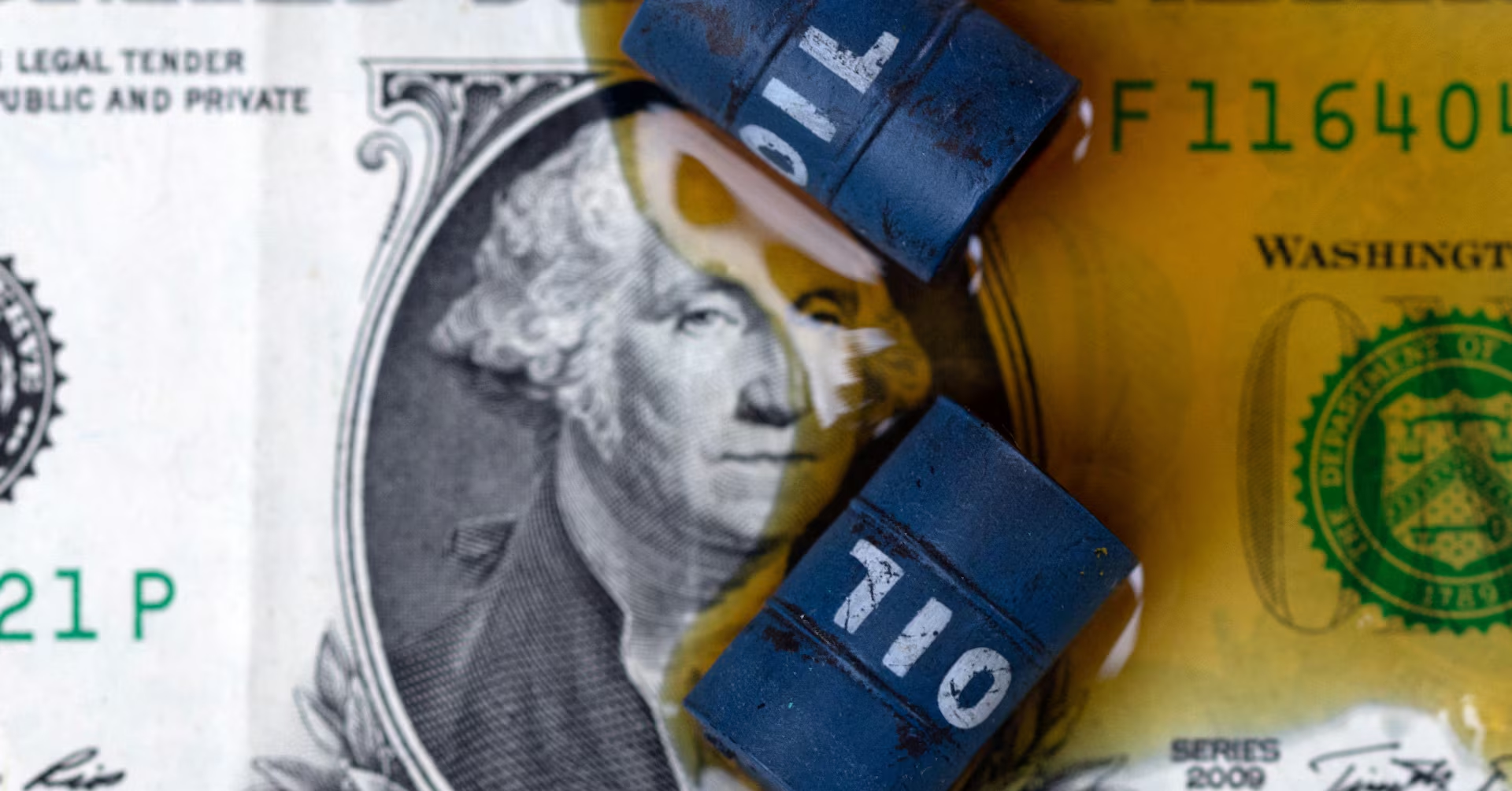
The article discusses how the US's actions in Venezuela, including the arrest of President Maduro, may be motivated by efforts to preserve the dominance of the petrodollar system amid declining global reliance on dollar-denominated oil trade, especially as US energy independence and geopolitical shifts reduce the dollar's global influence.
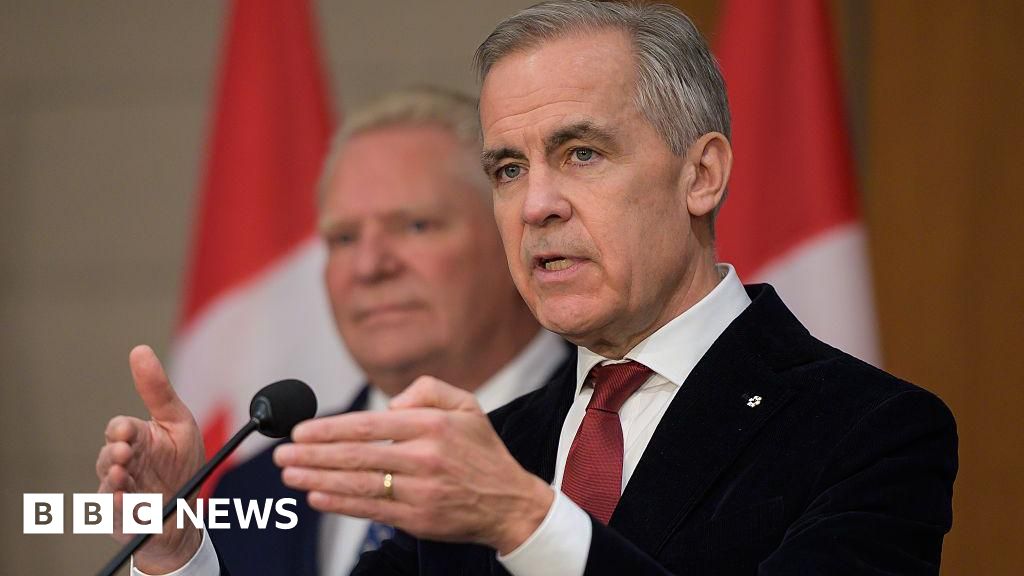
Canadian Prime Minister Mark Carney reassures that Venezuela's increased oil production poses no threat to Canada's low-cost, low-carbon oil industry, emphasizing Canada's focus on diversifying exports and maintaining its market stability despite geopolitical tensions and US sanctions on Venezuela.
The article discusses Chevron's long-standing presence in Venezuela's oil industry and the potential benefits it could gain from recent U.S. military actions that led to the detention of Venezuelan President Nicolás Maduro, opening opportunities for U.S. oil companies to invest and profit from Venezuela's vast oil reserves.
President Trump’s optimism about US oil companies investing in Venezuela faces significant hurdles due to political instability, economic crisis, infrastructure decay, and low oil prices, making large-scale investment unlikely in the near term, with Chevron being the most positioned among US firms to potentially benefit.
Venezuela's massive oil reserves could benefit US firms, but political instability, infrastructure needs, and low oil prices pose significant challenges to exploiting these resources, amid ongoing geopolitical tensions and legal disputes.
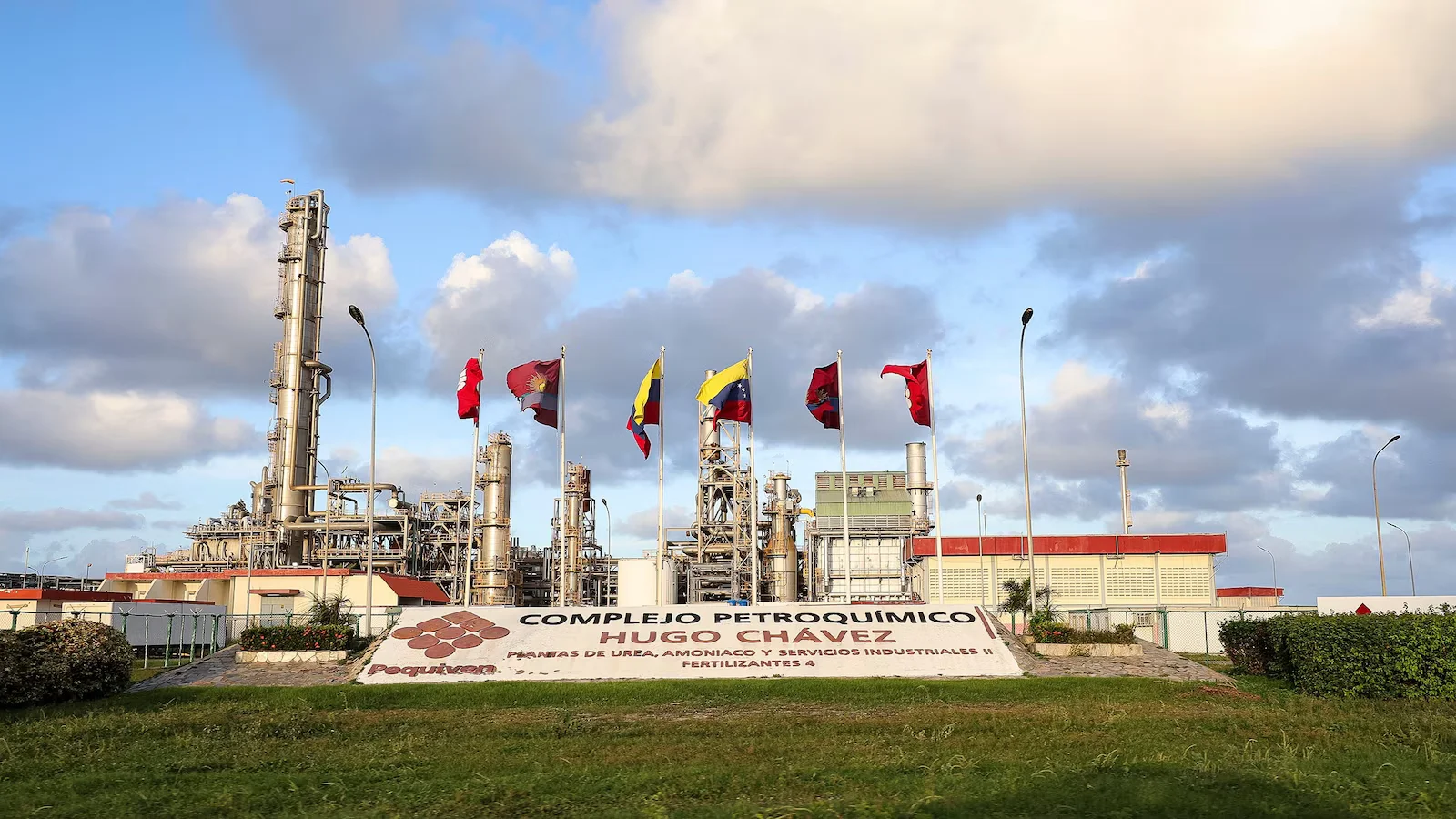
Venezuela, despite having the world's largest oil reserves, has seen a significant decline in production and gold reserves due to mismanagement, sanctions, and economic crisis. Recent US military actions and political changes aim to reopen access for foreign oil companies, potentially impacting global energy markets and regional stability.
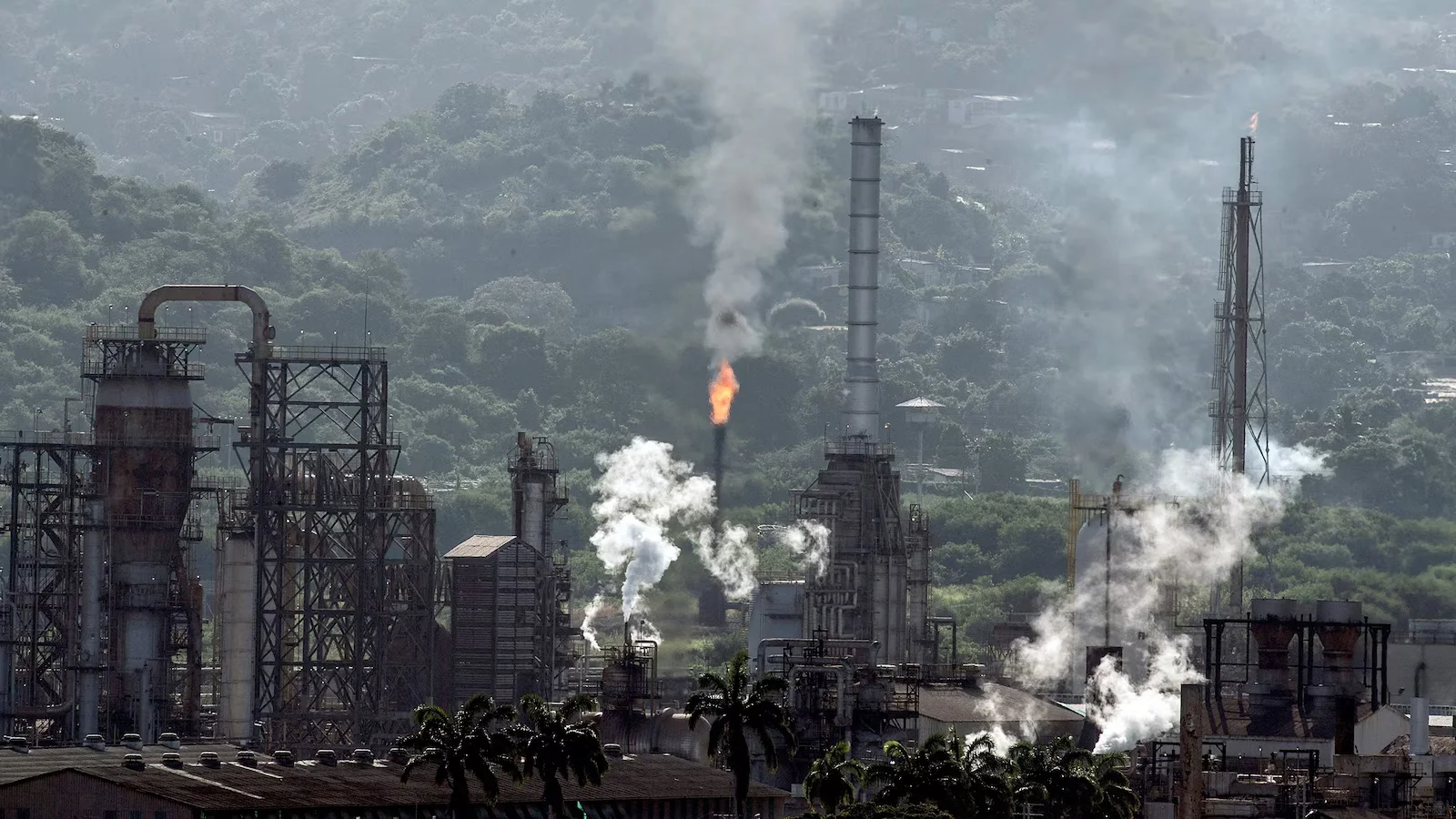
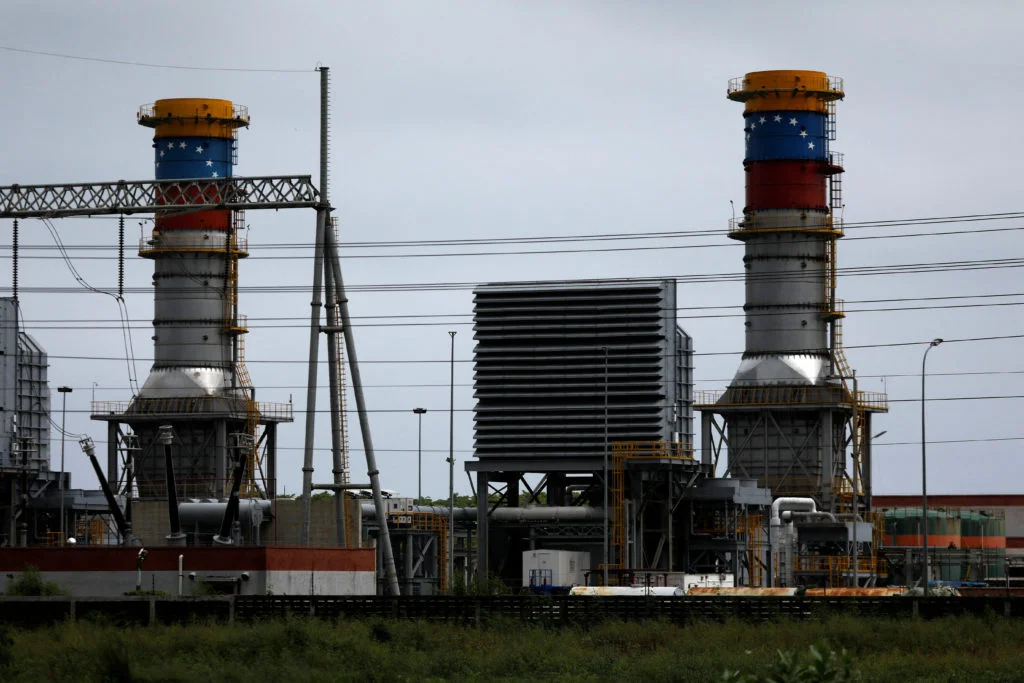
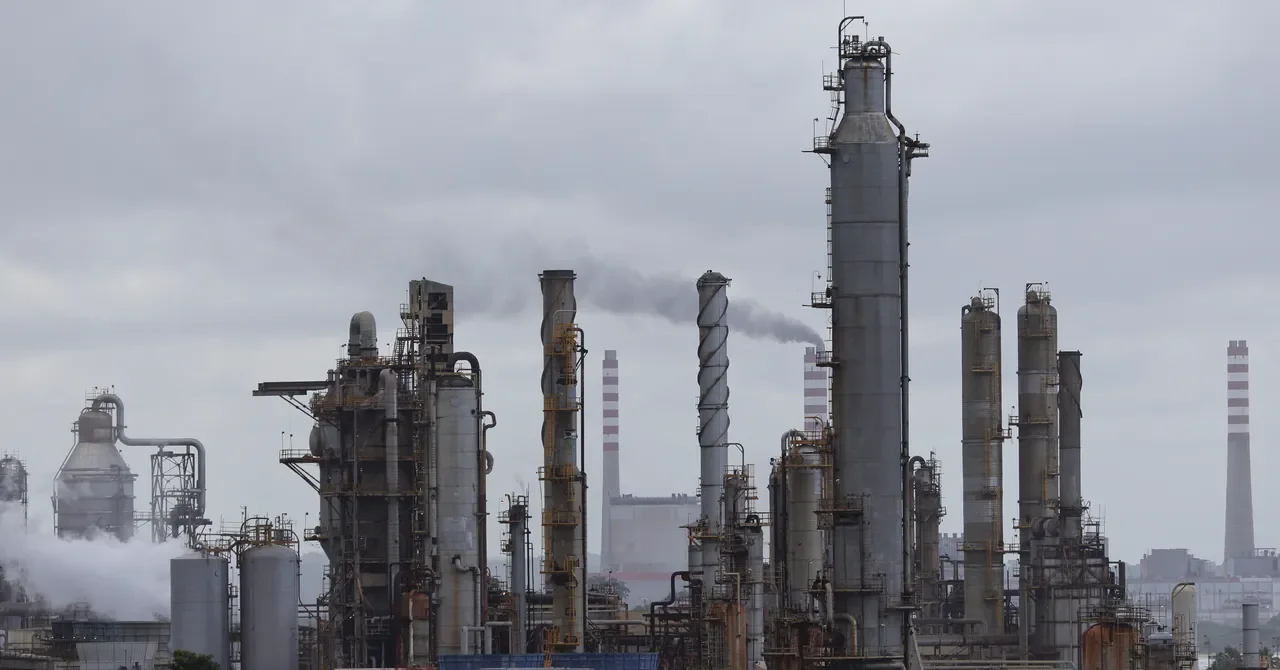
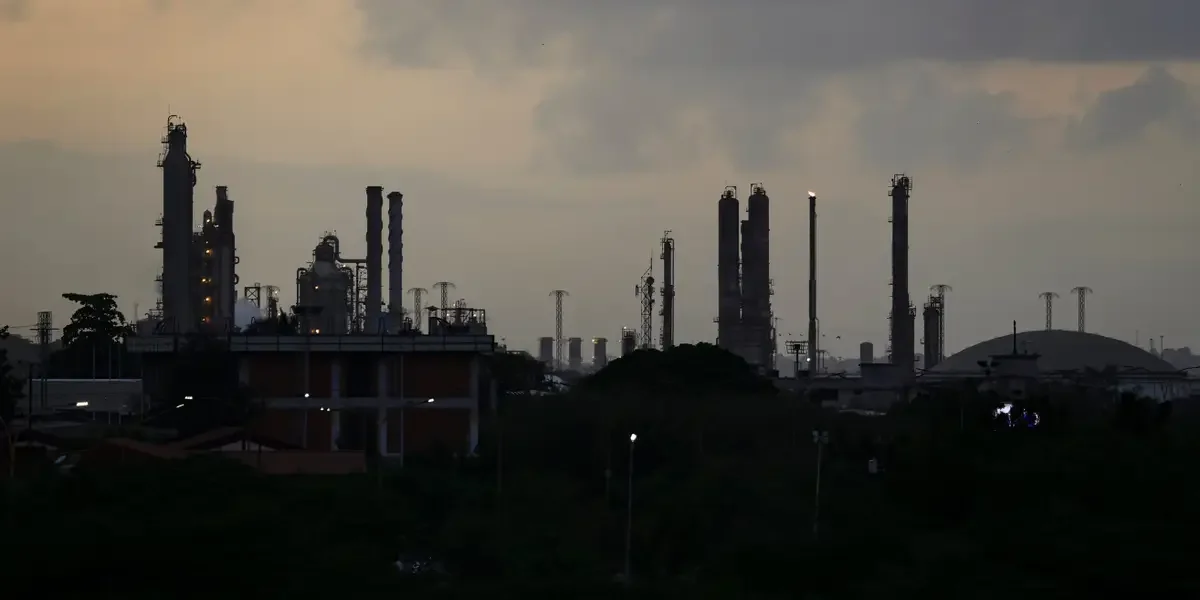
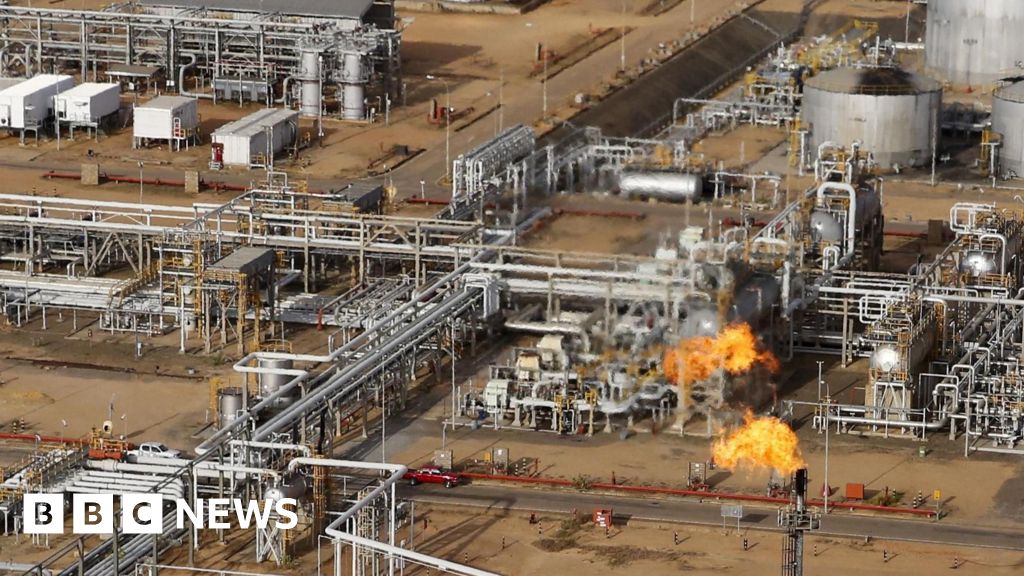
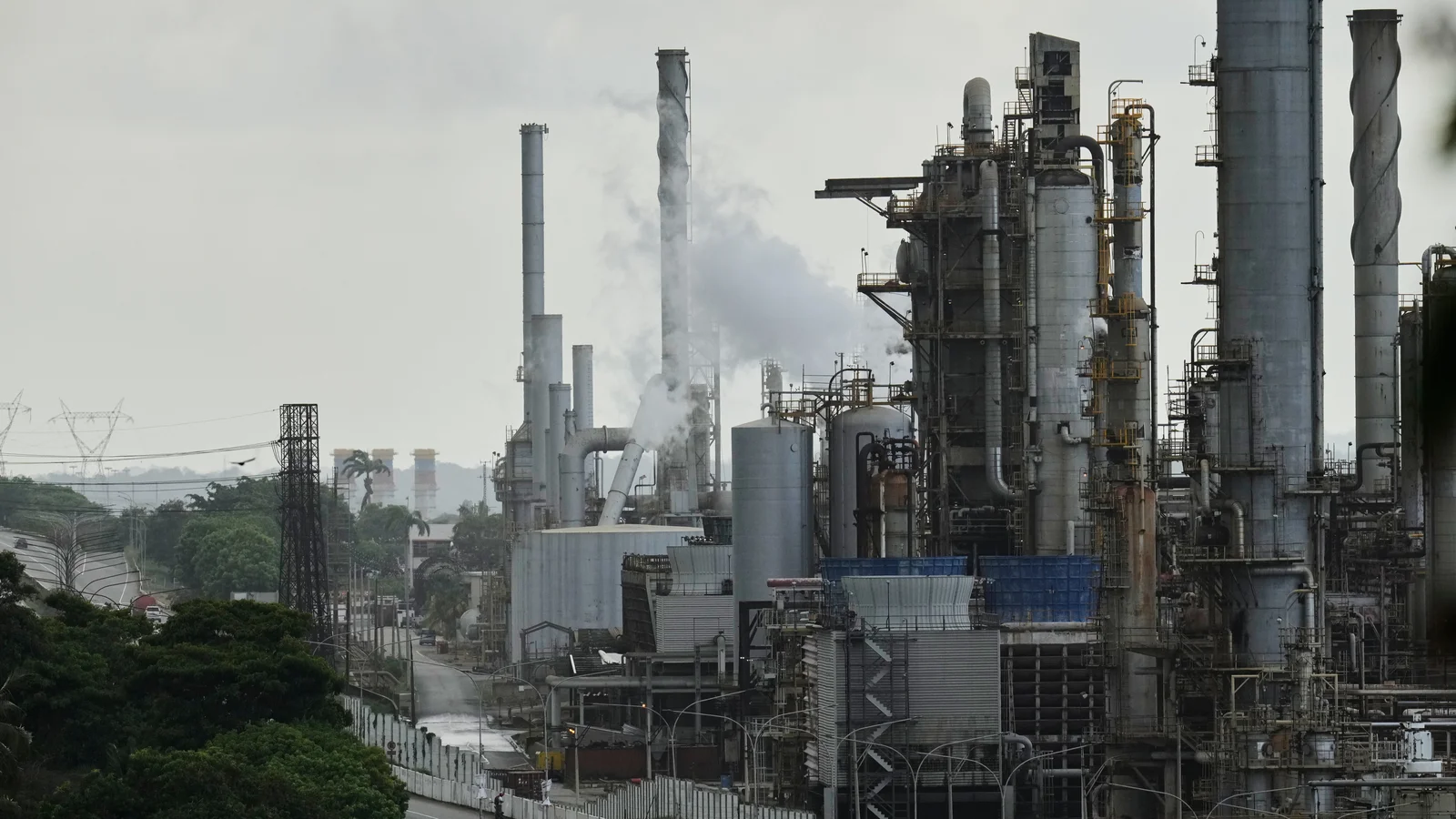
President Trump's plan to take control of Venezuela's oil industry faces significant hurdles due to the country's decayed infrastructure, political instability, and international sanctions. While some analysts are optimistic about potential increases in oil production, substantial investments and political stability are required. The move could impact global oil markets and pressure Russia, but legal and logistical challenges remain significant.
The US aims to profit from Venezuela's vast oil reserves following the capture of Maduro, but challenges such as infrastructure decay, international sanctions, market conditions, and political instability make accessing and developing these reserves complex and uncertain.
Rep. Jim Himes criticizes the US operation to capture Nicolás Maduro, calling it illegal under international law and highlighting concerns about executive overreach and geopolitical implications, especially regarding Venezuela's oil resources.
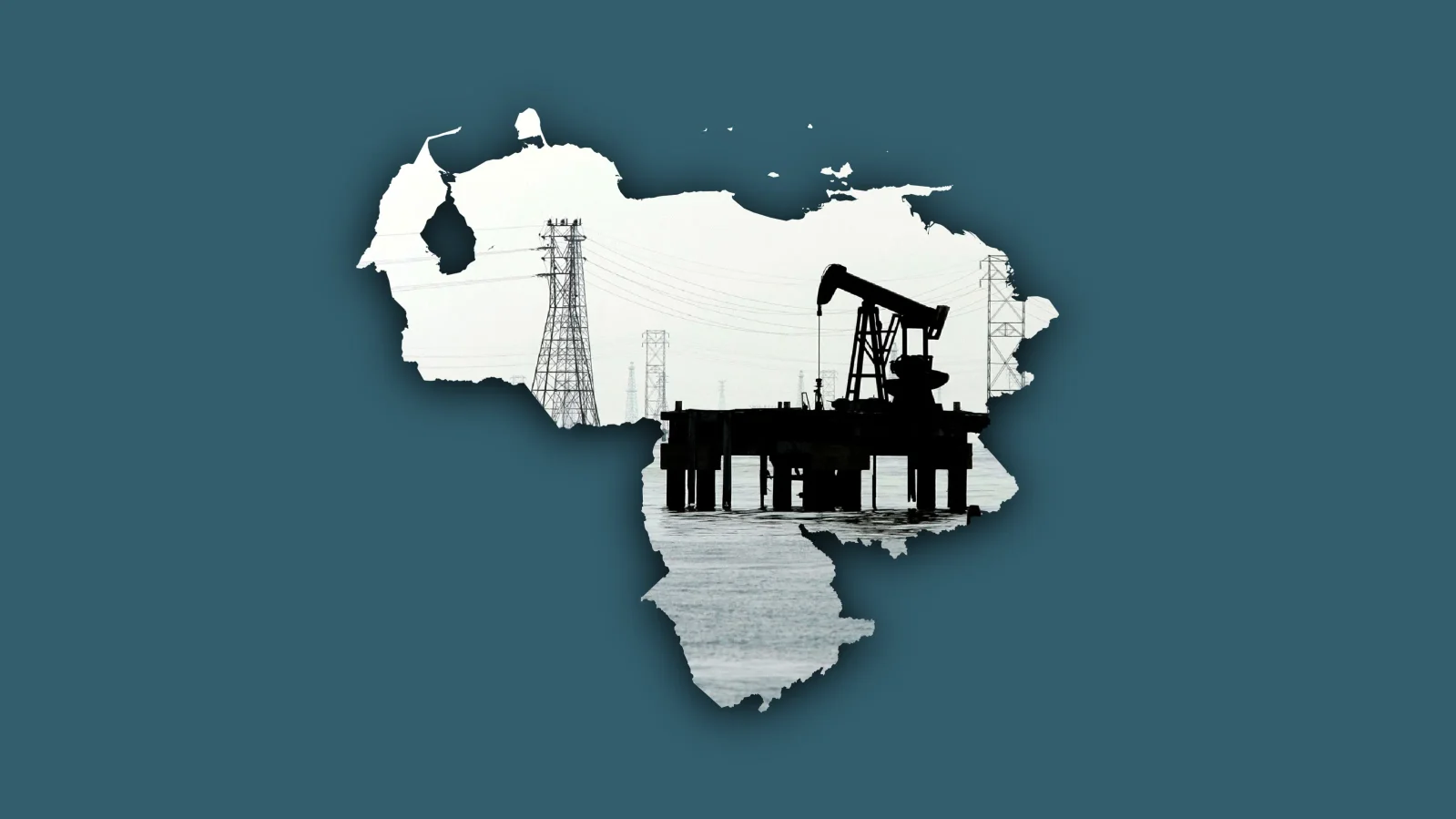
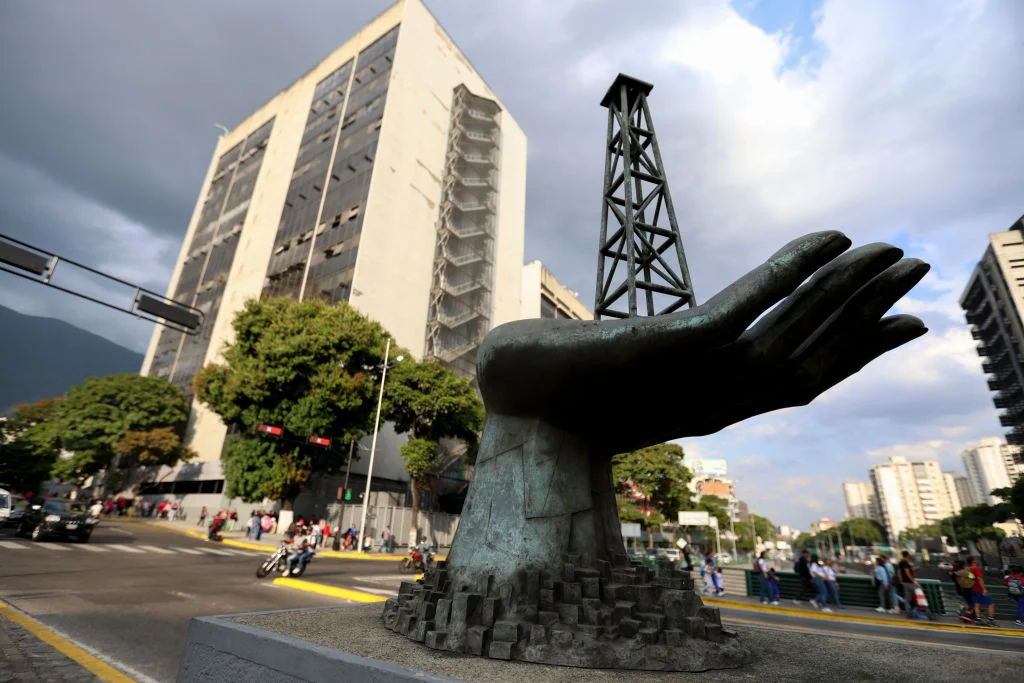
Venezuela holds the world's largest proven crude oil reserves with over 300 billion barrels, but accounts for less than 1% of global daily crude production. Recently, the US conducted a surprise raid capturing President Nicolás Maduro, citing law enforcement reasons, and announced plans to tap into Venezuela's oil reserves, aiming to revitalize its oil infrastructure and boost economic gains.
President Trump aims to leverage Venezuela's vast oil reserves by encouraging US companies to invest in rebuilding its oil infrastructure, but experts warn that political instability, sanctions, and high costs could delay significant output increases for many years.
The article discusses the potential for Venezuela's economic recovery through its vast natural resources, including oil, gas, and minerals, contingent on political stability and effective governance following Maduro's possible capture, with opportunities for increased production, exports, and responsible resource management.
President Trump's plan to take control of Venezuela's oil industry faces significant hurdles due to the country's decayed infrastructure, political instability, and international sanctions, making immediate impact unlikely, but potential long-term benefits could include increased production and influence on global oil markets.
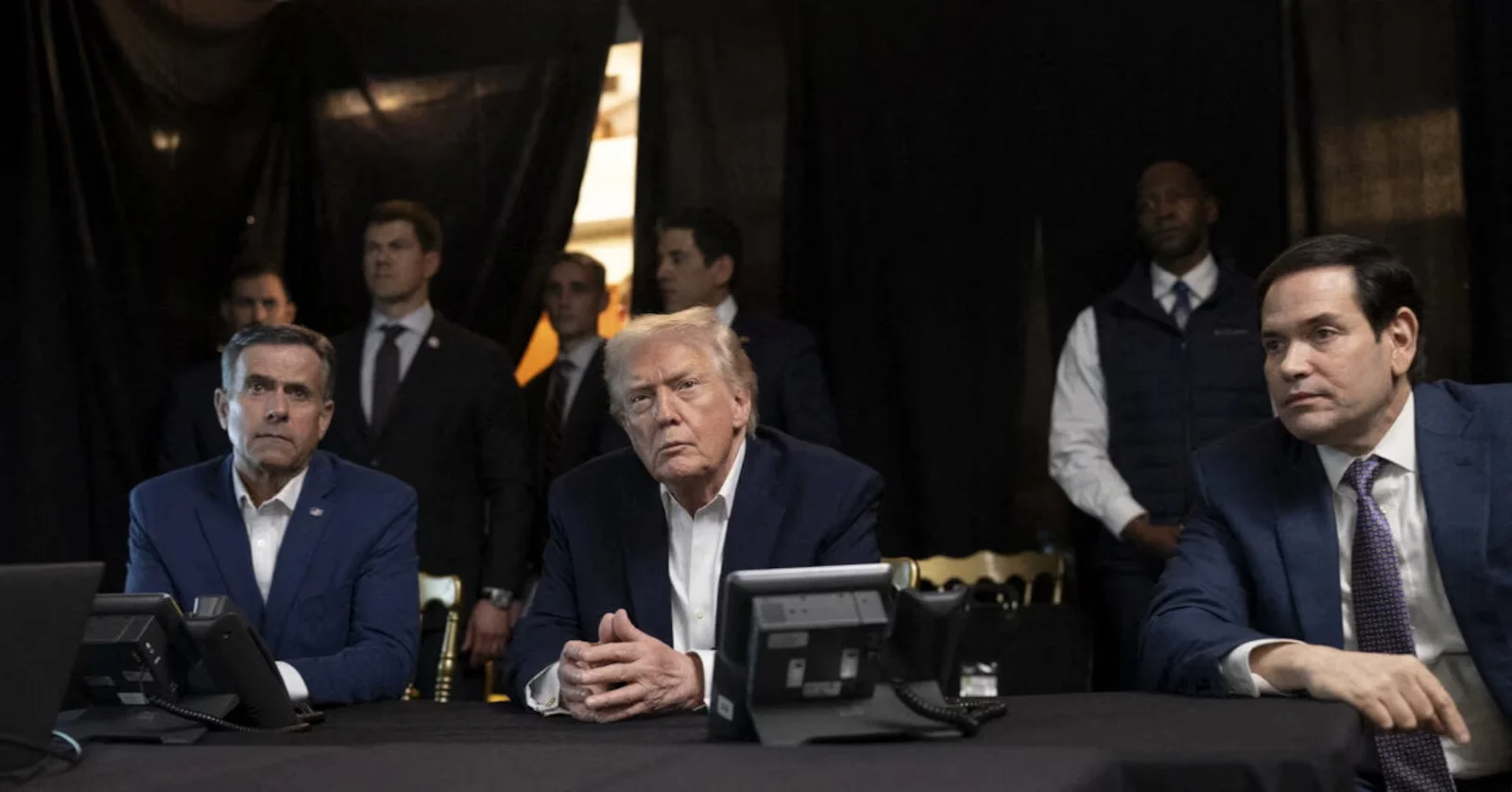
U.S. President Donald Trump ordered a raid to capture Venezuelan leader Nicolas Maduro, who was detained in New York on drug charges, and announced plans to control Venezuela until a transition occurs, sparking international controversy and raising questions about legality and future governance.