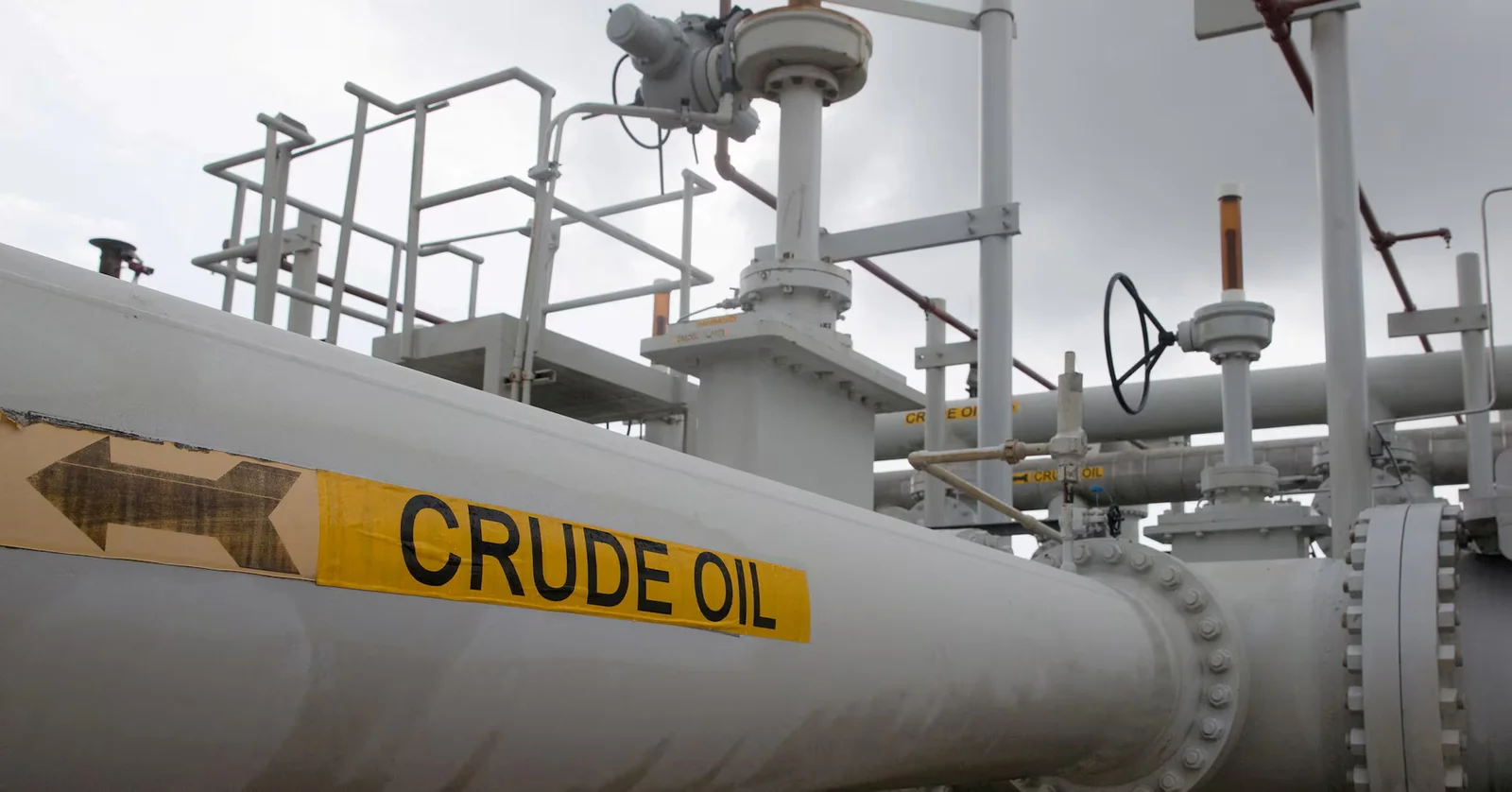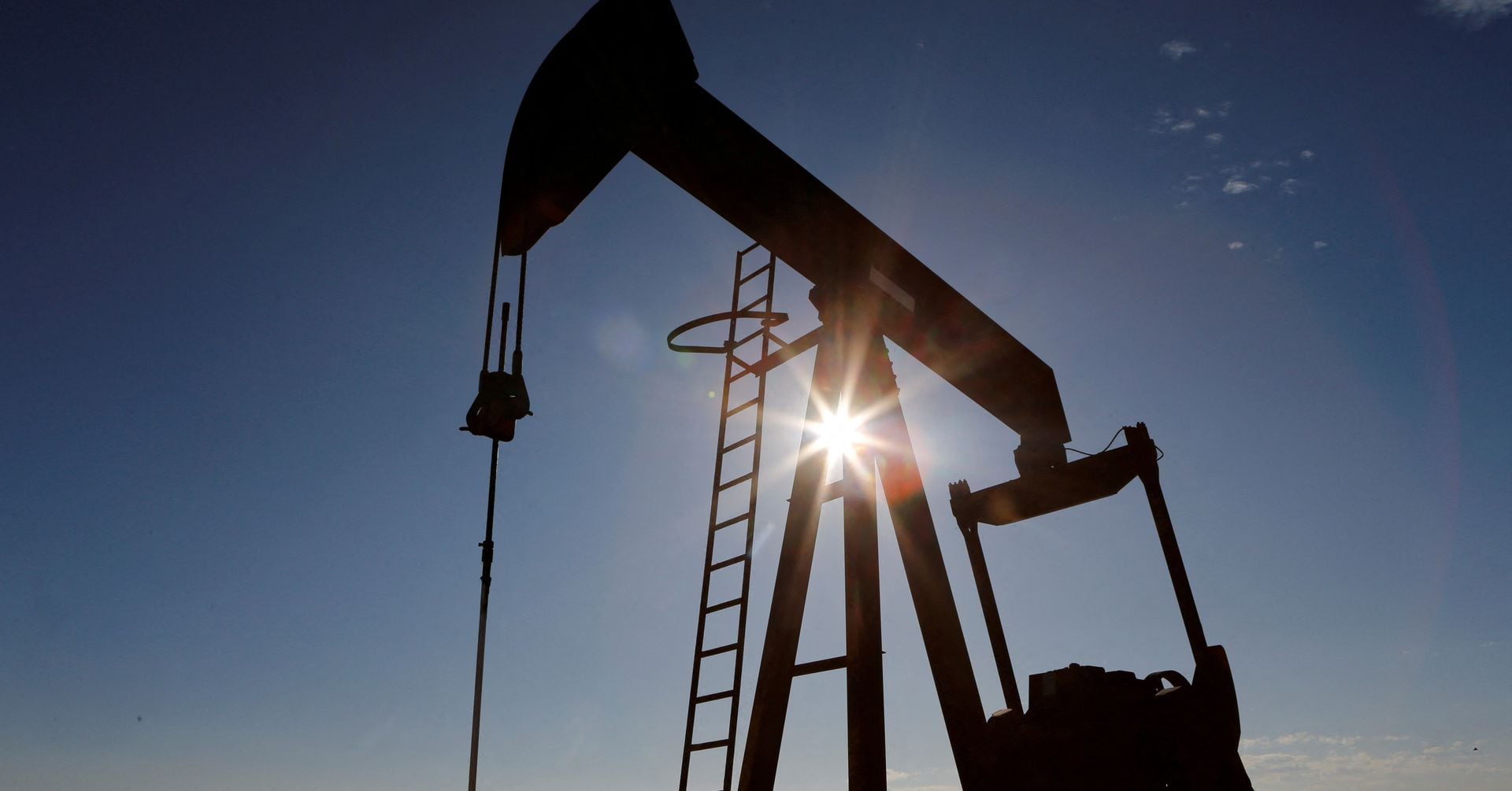
Oil prices have fallen below $60 due to a surge in global crude supplies, especially on water, driven by increased tankers and sanctions, overshadowing geopolitical tensions like Ukraine peace talks or Venezuela sanctions, with the market outlook heavily influenced by the looming oversupply.
Oil prices have fallen by 19% this year to below $59 a barrel due to increased global supply and sluggish demand, benefiting consumers but putting financial pressure on U.S. oil companies, which are reducing drilling and layoffs.
Hitachi Energy warns that power spikes caused by AI could destabilize the global energy supply, highlighting concerns over the impact of artificial intelligence on energy infrastructure stability.
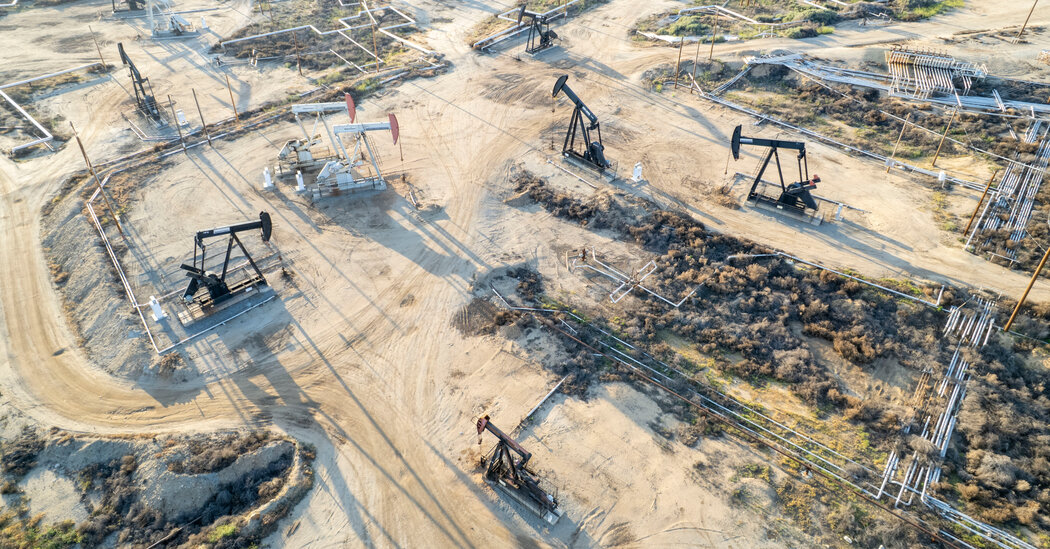
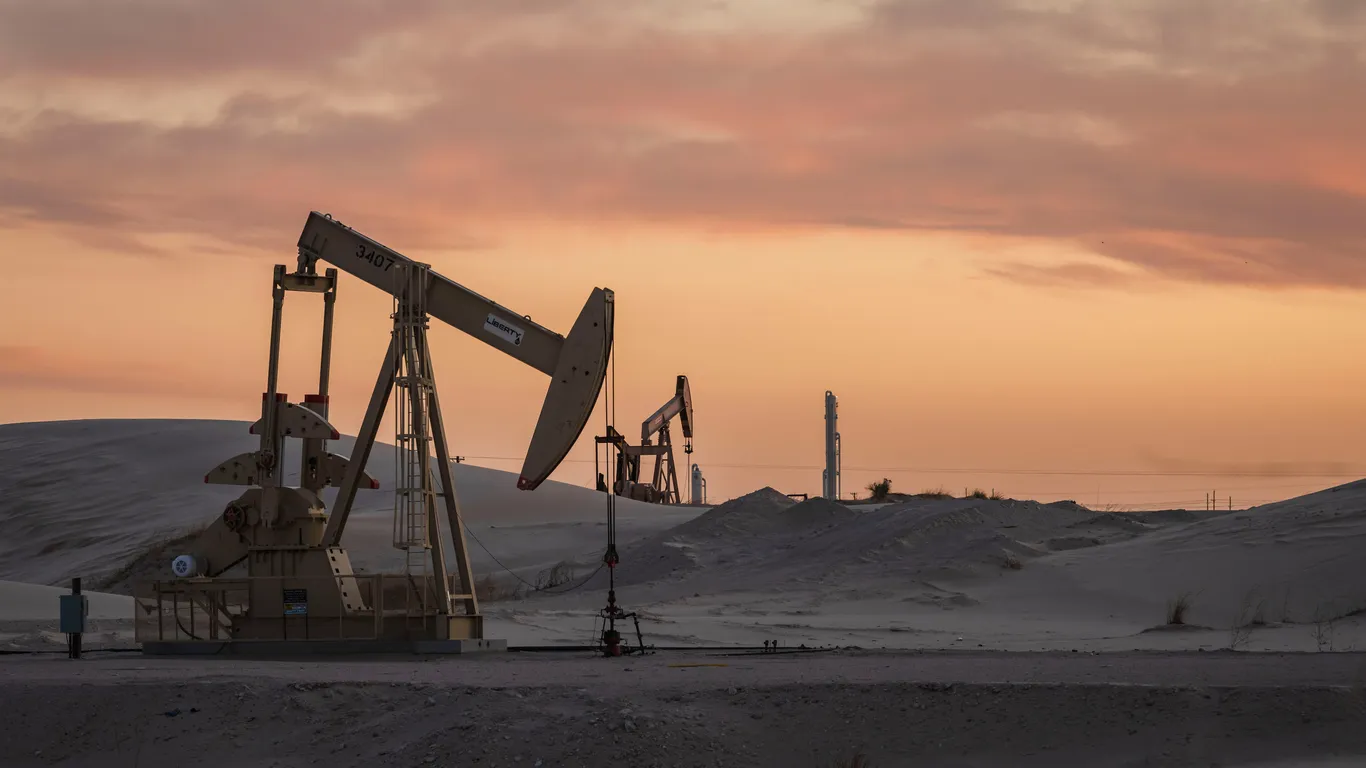
President Trump called for increased U.S. oil drilling amid rising oil prices due to geopolitical tensions, but U.S. producers are cautious due to market conditions, regulatory factors, and profitability concerns, with overall U.S. output expected to decline slightly in 2026.
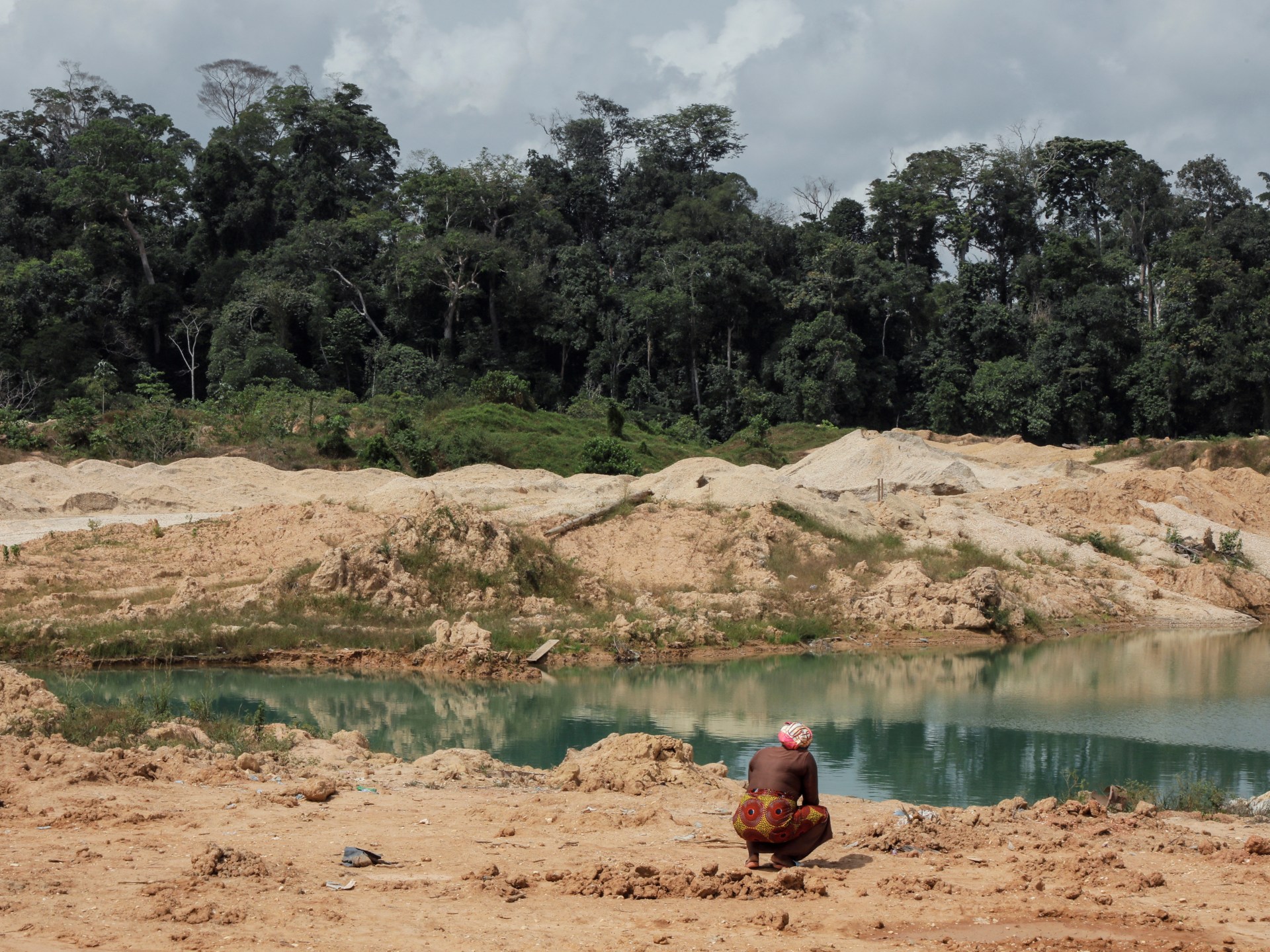
Ghana and Ivory Coast, the world's top cocoa producers, are facing catastrophic harvests due to a combination of factors including illegal mining, climate change, mismanagement, and disease. This has led to expectations of cocoa bean shortages, causing New York cocoa futures to more than double in price. The crisis could mark the end of West Africa's cocoa supremacy and lead to higher chocolate prices for consumers in the near future.
The International Energy Agency (IEA) has raised its 2024 global oil demand growth forecast by 180,000 barrels per day (bpd), but it remains lower than OPEC's projection, with world supply growth expected to exceed demand growth. The IEA sees a potential supply surplus in the second quarter if OPEC and its allies unwind output cuts as scheduled, and attributes the demand growth revision to improving global economic growth, lower crude prices, and China's expanding petrochemicals sector. The agency expects world oil supply to rise to a new high of 103.5 million bpd in 2024, fueled by record-setting output from the United States, Brazil, Guyana, and Canada, while rising geopolitical tensions in the Middle East have raised concerns about potential disruptions to oil flows.
Silver prices may experience an "explosive" rise in 2024 if global supplies continue to fall short of demand and the Federal Reserve follows through with interest rate cuts. While silver has underperformed gold this year, analysts believe the opportunity to buy silver at bargain prices may be closing. The most-active March contract for silver futures settled at $24.39 an ounce, with prices up 6.4% for the session. Silver's recent underperformance can be attributed to a lack of investment demand due to rising interest rates. However, the prospects of interest rate cuts and a weakening U.S. dollar have provided support for silver prices. Additionally, global supply of silver is expected to fall short of demand for the third consecutive year, making the fundamentals for the silver market extremely bullish.
Oil prices have plunged to multi-month lows due to ballooning global supply and uncertain demand. US crude exports are reaching record levels, contributing to the increase in global supply. The surge in US oil production, along with rising production from other countries, has raised concerns that OPEC+ may flood the market to counter the US shale oil boom. The recent declines in oil prices have prompted OPEC+ to announce deeper production cuts, but doubts remain about member states' commitment to these cuts. Signs of softening economic conditions in the US and China further contribute to the weakening demand narrative.
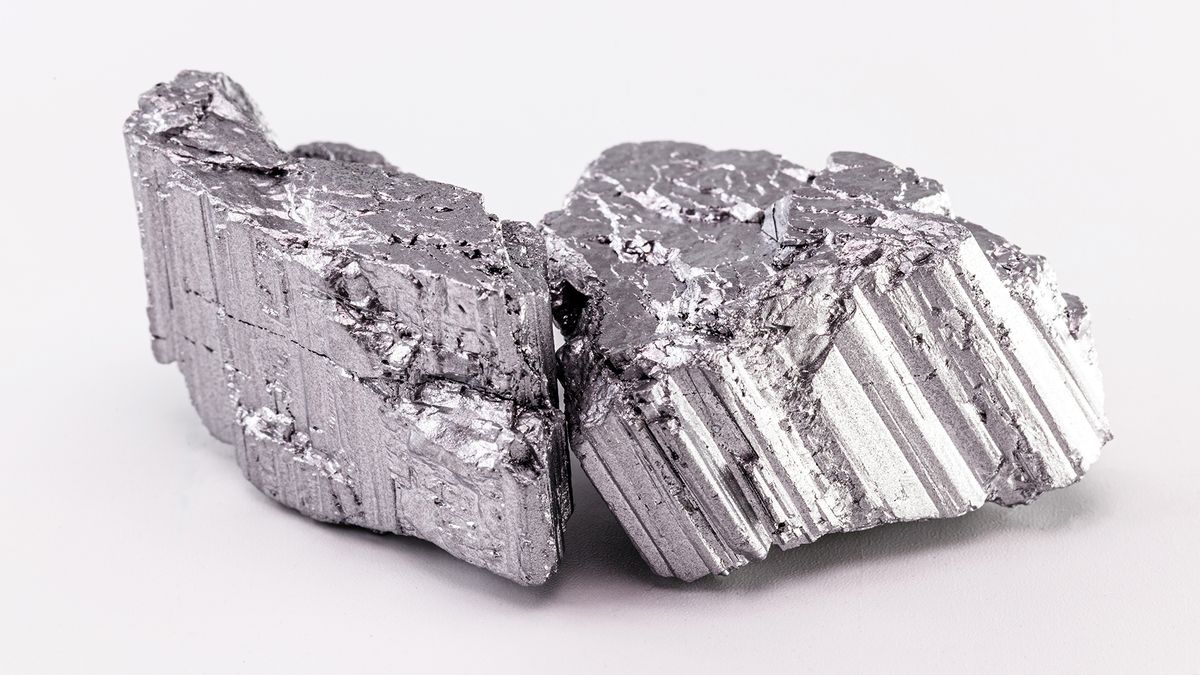
Rare earth elements, such as neodymium, are highly sought after by the tech and energy industries due to their useful properties. While they are not actually rare in terms of abundance, they are difficult to extract from their natural sources. The chemistry of these elements prevents them from collecting together in concentrated deposits, making mining inefficient. Additionally, the extraction process is complex and requires intense energy, aggressive conditions, and high temperatures to break down the strong bonds holding the ores together. Researchers are exploring recycling methods and alternative compounds to reduce reliance on these elusive metals, but for now, there is no substitute as demand continues to rise.
Russia has implemented a ban on diesel exports, which is expected to be temporary but has raised concerns about Moscow weaponizing energy exports. Russia is a major player in the global diesel market, and the ban could have significant implications for global supply, particularly as winter approaches. While traditional buyers in Europe have already shifted away from Russian diesel, the loss of such a large source of supply could still impact global oil markets, leading to higher prices and curtailed exports from countries like Turkey and Saudi Arabia. The ban is driven by both domestic pressures, such as surging fuel prices and increased demand, as well as the need to ensure stability in the market. However, maintaining the ban for an extended period could strain Russia's oil industry and lead to lower crude production during winter.
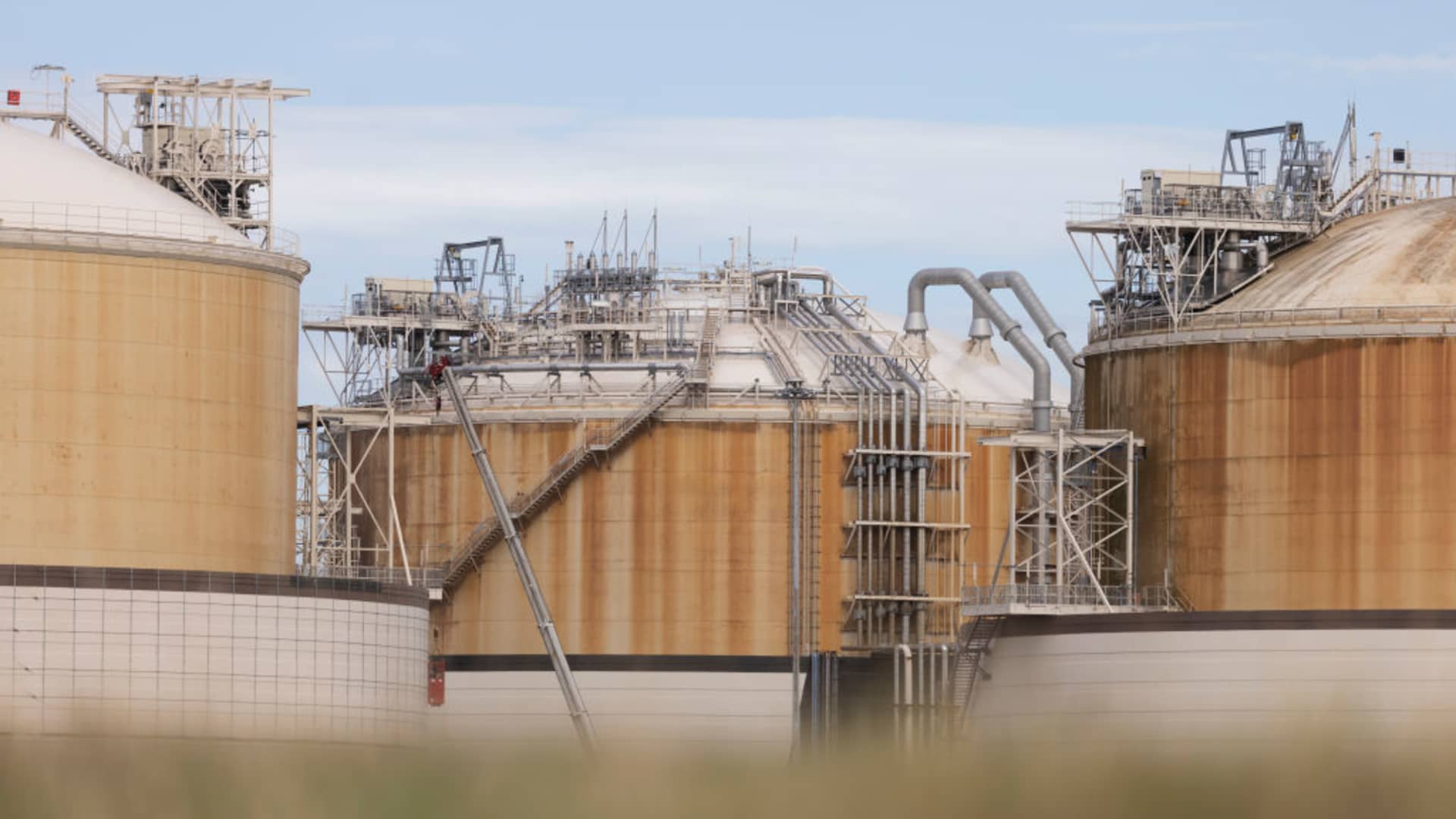
The threat of strikes at major gas facilities in Australia is causing concern in global gas markets, with traders worried about potential disruptions to supplies and the resulting impact on European gas prices. U.S. energy giant Chevron and unions representing workers at the Gorgon and Wheatstone projects are in talks to resolve a dispute over pay and job security. If a deal cannot be reached, strikes are scheduled to begin on Thursday. Analysts warn that the global natural gas market is already tight, and any disruption in Australian production could lead to higher European gas prices.
Workers at Chevron's liquefied natural gas (LNG) facilities in Australia are set to go on strike next week, after unions voted for work stoppages in an ongoing labor dispute. The strike action could potentially disrupt around 7% of global LNG supply if production at both facilities is halted for a month. European natural gas prices have already risen in anticipation of the strikes, as the region has become more dependent on global LNG supplies. Chevron's dispute with workers comes as the company enjoys strong profits.
Oil prices settled lower as concerns about China's economic slowdown continue to weigh on demand from the world's top crude importer. China's sluggish economic activity, despite pledged stimulus, has disappointed markets. Additionally, U.S. central bank officials have not ruled out further interest rate hikes to contain inflation. On the supply side, the resumption of oil flows between Iraq and Turkey could potentially add almost half a million barrels per day to global oil supply, offsetting Saudi Arabia's additional production cut. Overall, weakening crude demand from China and potential supply increases are contributing to the downward pressure on oil prices.
Oil prices are on track for their biggest monthly gains in over a year, hovering near three-month highs, as expectations of Saudi Arabia extending voluntary output cuts into September and tightening global supply support the market. Brent crude futures dipped slightly to $84.90 a barrel, while U.S. West Texas Intermediate crude was at $80.41 a barrel. Both Brent and WTI settled on Friday at their highest levels since April, with July set to close as their biggest monthly gains since January 2022. Goldman Sachs estimates global oil demand rose to a record 102.8 million bpd in July and expects prices to rise further in the second quarter of 2024.
Leading flu vaccine manufacturers are developing or testing human vaccines for bird flu as a precautionary measure against a future pandemic. However, most of the potential human doses are earmarked for wealthy countries in long-standing preparedness contracts, raising concerns about vaccine hoarding and nationalism. The World Health Organization has signed agreements with 14 manufacturers for 10% of their pandemic flu vaccine, but is seeking guarantees of 20% global supply for other types of pandemic in the wake of COVID-19. Vaccine makers are also developing bird flu vaccines for poultry, a potentially larger market than for humans.