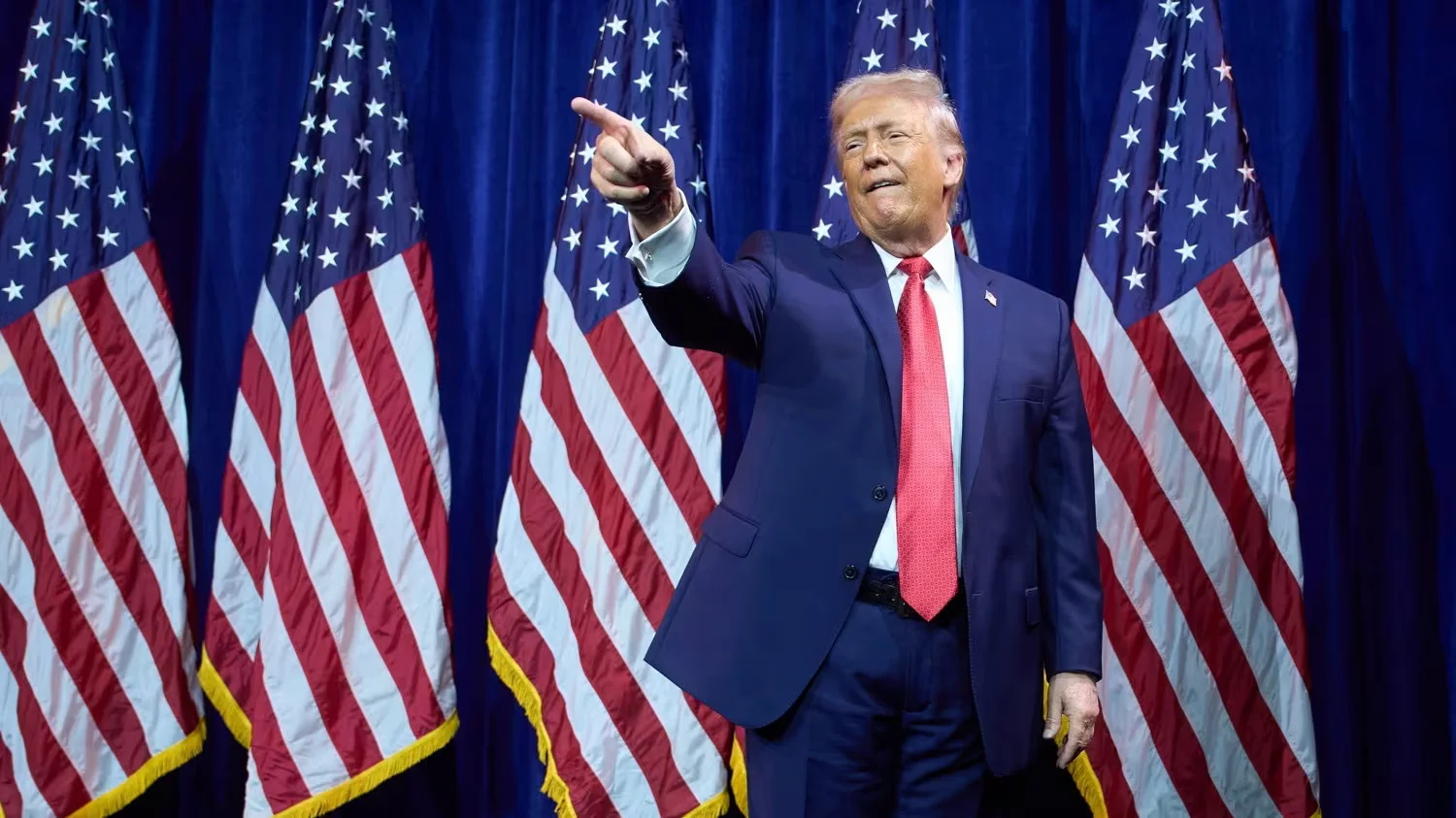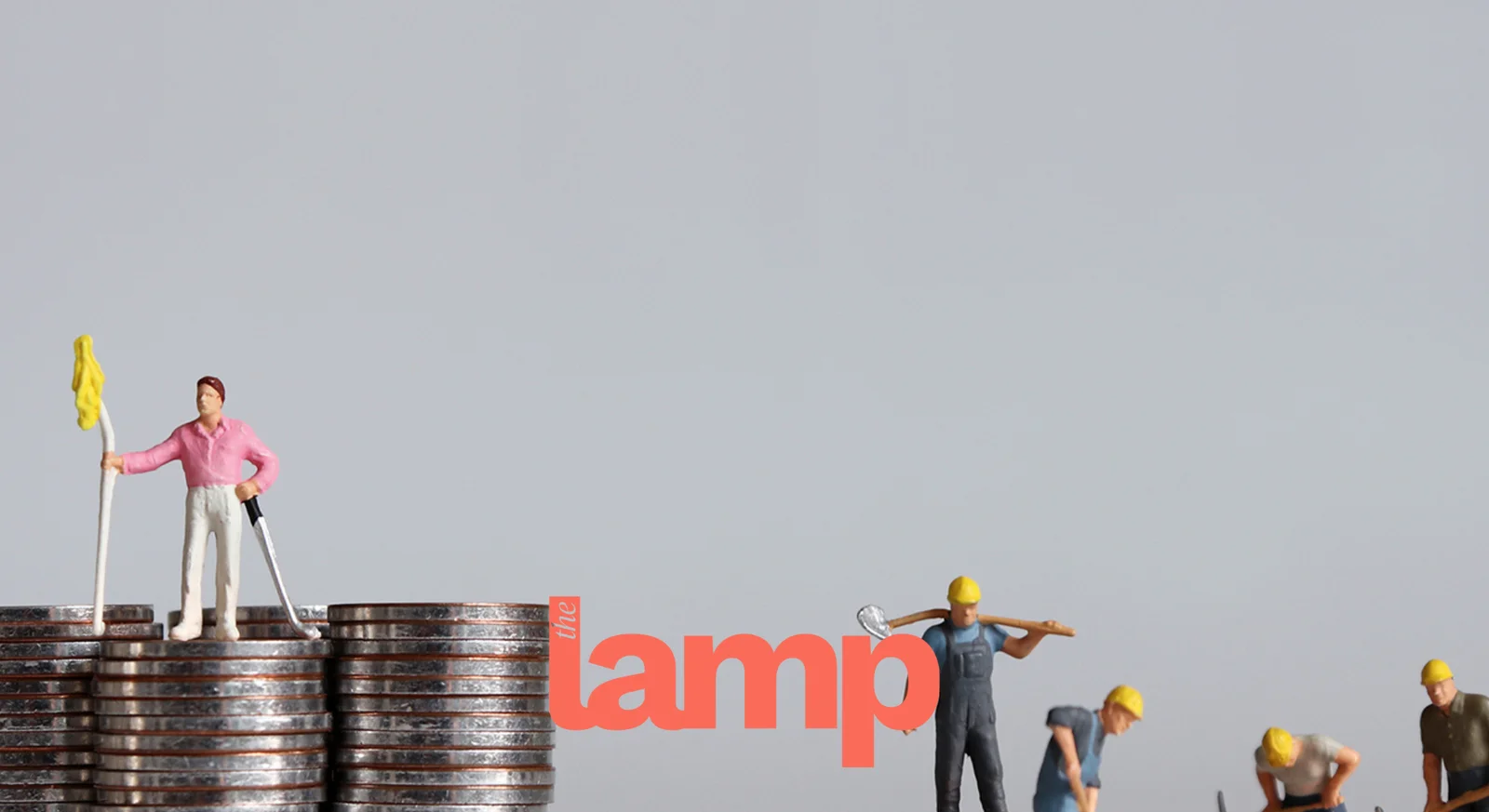
The article questions what could prevent Donald Trump from disrupting established rules in global finance, highlighting concerns about his potential to challenge or overturn existing financial regulations and norms.
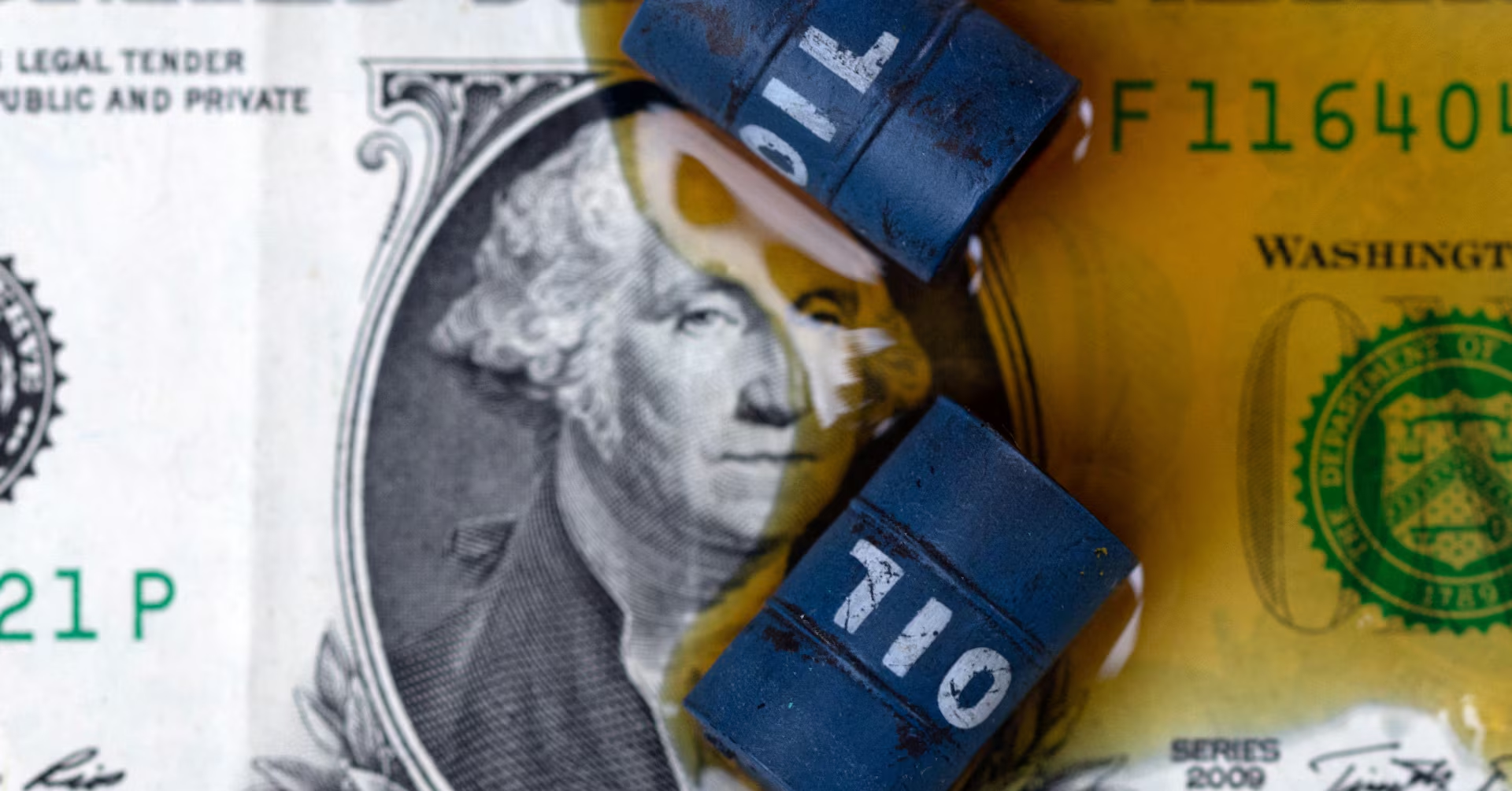
The article discusses how the US's actions in Venezuela, including the arrest of President Maduro, may be motivated by efforts to preserve the dominance of the petrodollar system amid declining global reliance on dollar-denominated oil trade, especially as US energy independence and geopolitical shifts reduce the dollar's global influence.
A strategic Bitcoin reserve by the US could lead to global economic shifts, with nations and corporations potentially adopting Bitcoin reserves, impacting its price and use. This could drive corporate and individual adoption, positioning Bitcoin as a hedge against inflation and a medium for transactions. The move might also enable sanction evasion and influence corporate valuations, aligning with predictions of increased demand and price appreciation.
President Joe Biden has proposed a "billionaire tax" targeting the super-rich, aiming to impose a 25% tax on Americans with wealth over $100 million. The debate over wealth taxes has reignited, with global finance ministers exploring a global minimum tax on billionaires. While some argue that wealth taxes could help combat wealth inequality, others question their effectiveness and potential for a mass exodus of the super-rich. Proponents believe the revenues generated could address wealth inequality, but critics raise concerns about the costs and redistribution of wealth.
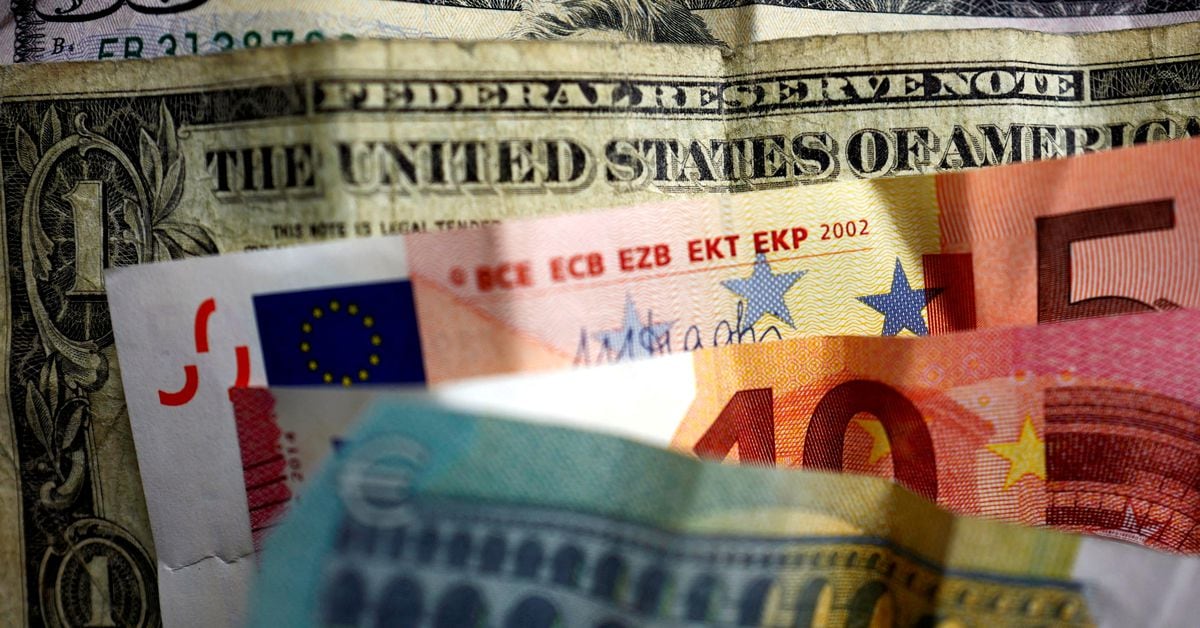
Federal Reserve Governor Waller discusses the U.S. dollar's role in global finance, addressing concerns about its potential decline. He outlines the various dimensions of the dollar's international role, emphasizing its dominance as a store of value, medium of exchange, and unit of account. Despite potential challenges from digital currencies, the euro, and the Chinese renminbi, the dollar's status remains strong, supported by its stability, liquidity, and widespread use in trade and finance. Waller concludes that recent developments have, if anything, strengthened the dollar's international position, and he does not foresee a significant decline in its primacy in the near future.
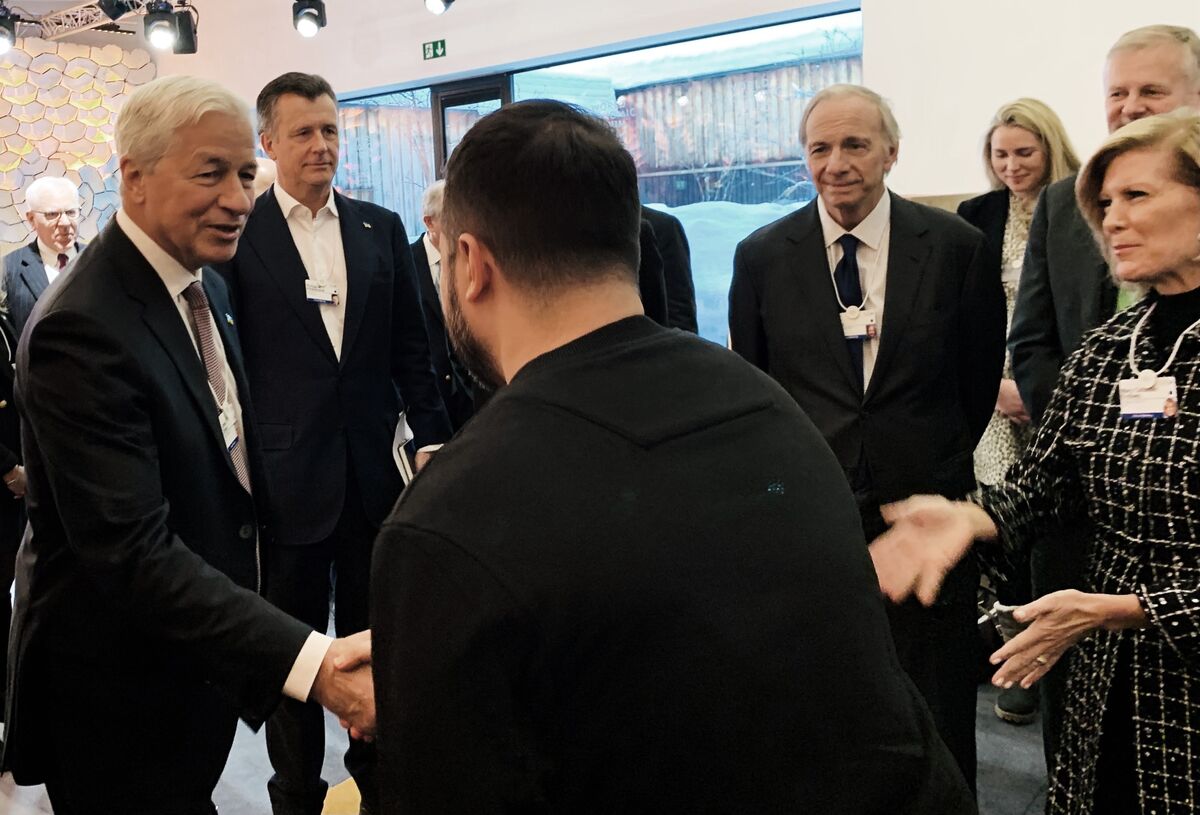
Ukrainian President Zelenskiy met with prominent figures in global finance, including JPMorgan Chase's Jamie Dimon, in an effort to secure renewed support for Ukraine's battle against Russia and replenish state funds, amid delays in global aid. The meeting aimed to refocus attention on the conflict at Europe's doorstep. During the encounter, Dimon expressed his support by saying "God bless you" to Zelenskiy.
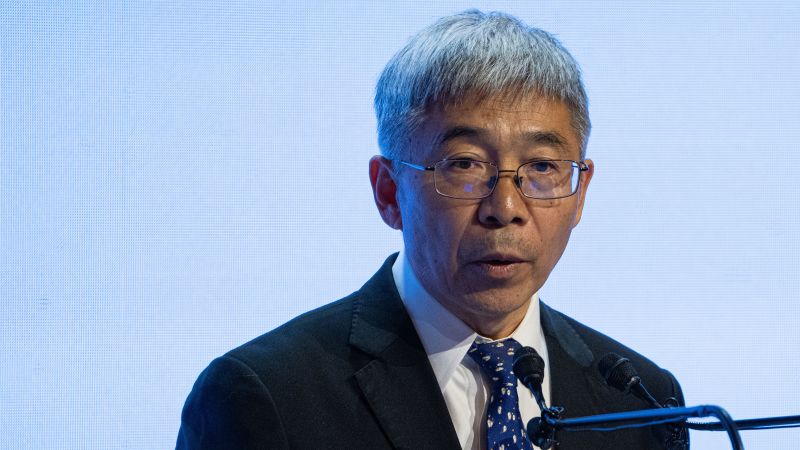
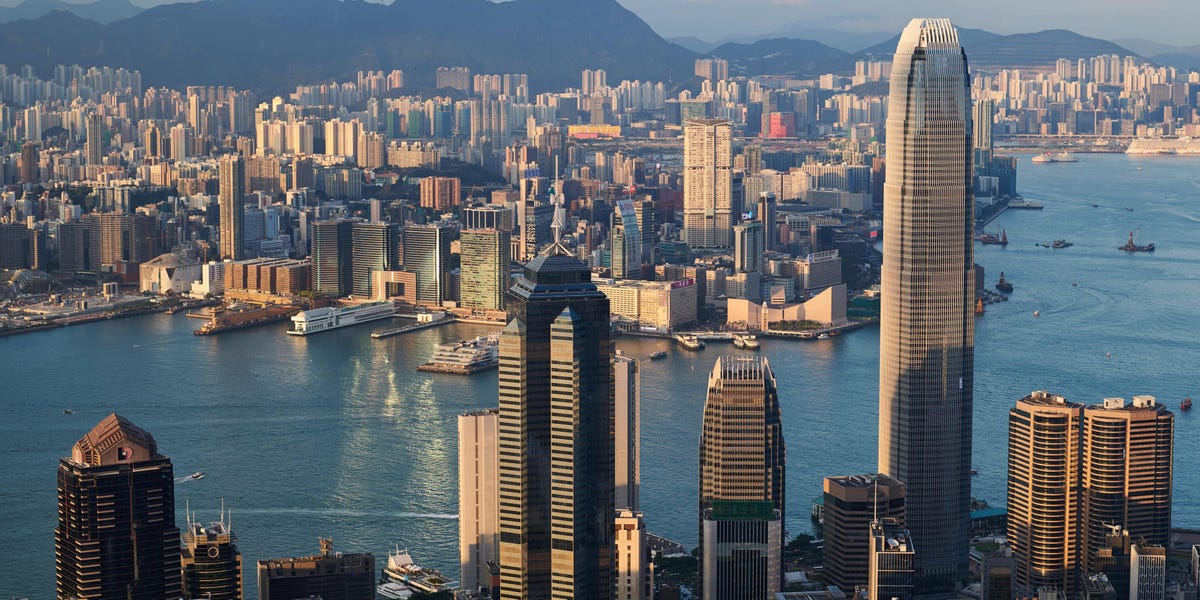
Chinese officials defended the state of China's economy at a global finance summit in Hong Kong, assuring international CEOs that the country is on track to hit its growth target of about 5% this year. Despite an uneven recovery and challenges in the property market, officials highlighted China's working-age population, investment in research and development, and long-term status as an export powerhouse as reasons for optimism. The International Monetary Fund raised its outlook for China's economy, projecting GDP growth of 5.4% in 2023. However, concerns remain about the property sector and trade data, with exports falling and imports growing for the first time in eight months.
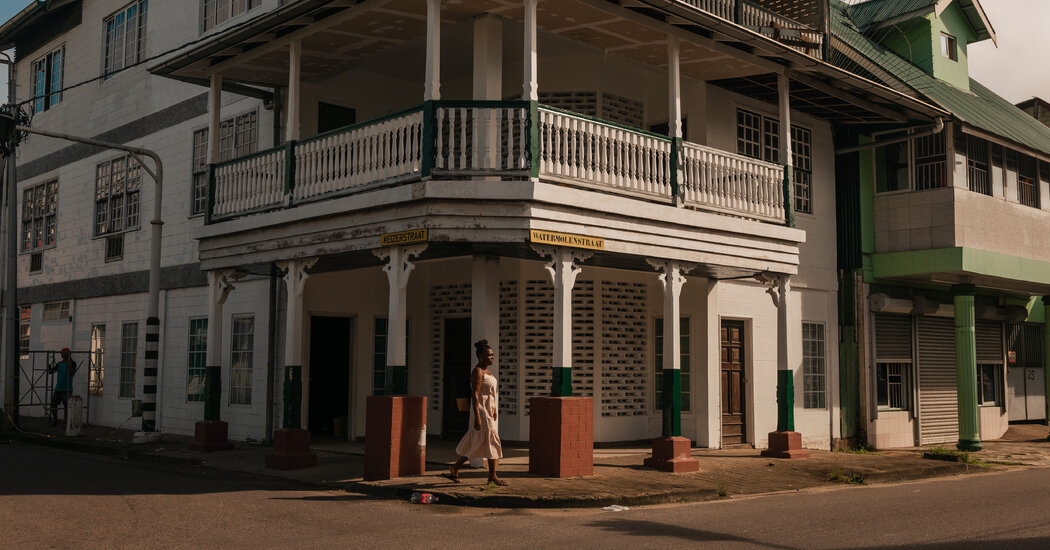
The intensifying debt crisis in middle- and lower-income countries is being complicated by the rivalry between the US and China. While the International Monetary Fund (IMF) and the US demand that Chinese creditors restructure debt, China has refused to bow to Washington. As a result, countries like Suriname are caught in the geopolitical crossfire, with access to aid delayed. The IMF and the US are reluctant to provide relief until Chinese financial institutions participate, arguing that Chinese lenders are free-riding on debt forgiveness extended by others.
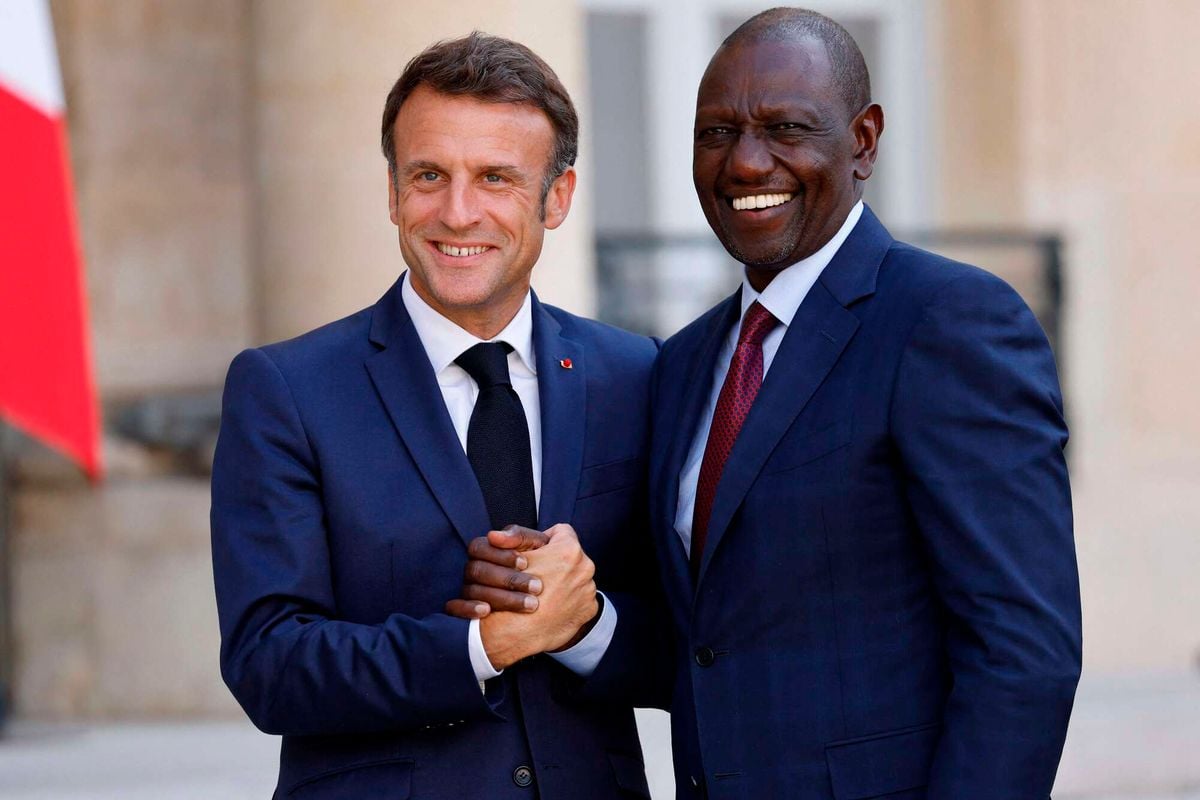
Kenyan President William Ruto has called for a new global financial system and a shift in climate change financing at the New Global Financial Pact Summit in Paris. He wants the World Bank and the International Monetary Fund to extend the tenure of Kenya’s debt that is due to the lenders over the next 10 years to be repaid in 50 years. Ruto has also suggested the ditching of the US dollar in intra-Africa trade, reforms of the African Union, and radical changes in the powerful United Nations Security Council.
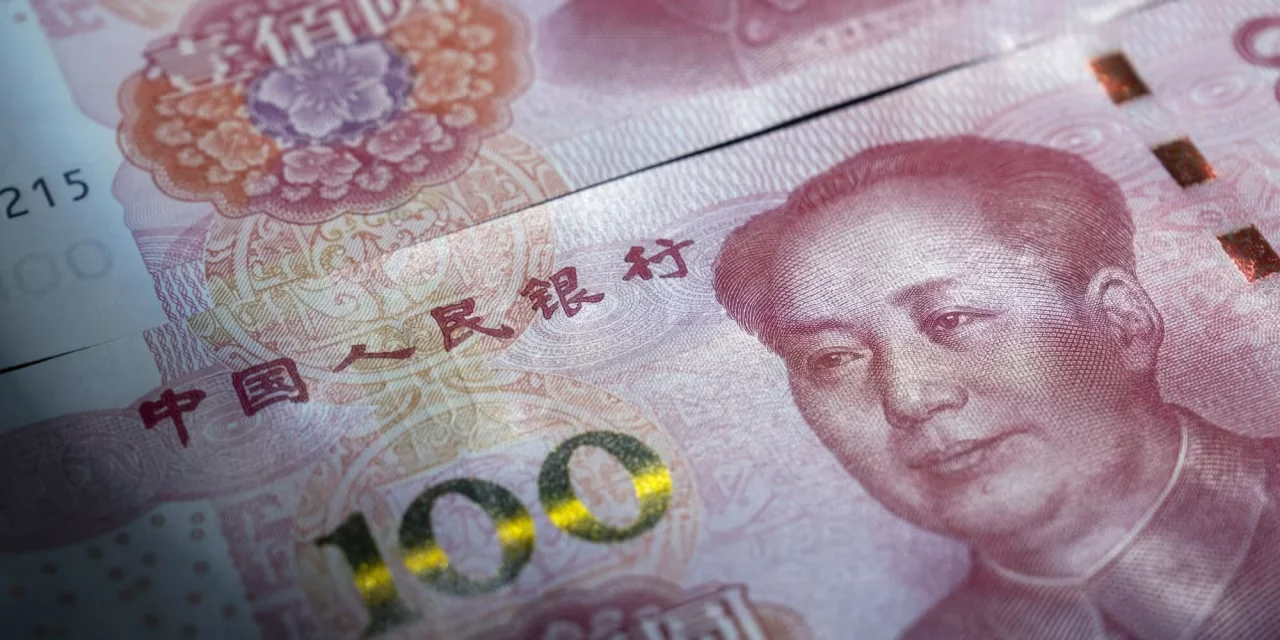
Hong Kong-listed stocks, including Alibaba and Tencent, will be priced in yuan and the Hong Kong dollar under the Dual Counter Model program, which aims to attract overseas investors with yuan holdings and eventually mainland Chinese investors. The move comes as Beijing tries to internationalize the yuan and challenge the US dollar's dominance on the world stage. The yuan is currently at its lowest against the US dollar since November, and the new trading program could limit conversion and hedging costs for investors trading with the yuan.
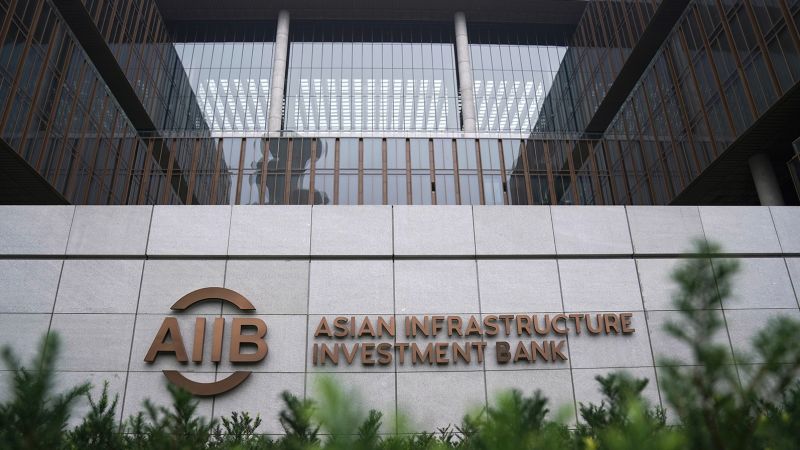
Canada has suspended ties with the Beijing-based Asian Infrastructure Investment Bank (AIIB) over allegations that the Chinese Communist Party has infiltrated the institution. The allegations were made by a Canadian citizen who resigned as global head of communications for the AIIB. The AIIB, which began operations in 2016, was designed to provide investment in infrastructure and regional networks. Canada joined the AIIB in 2018 and has since pledged a total of $995.4 million. The Canadian government has ordered a review of the allegations and has not ruled out any outcome following its completion.
Banks are changing their approach to AT1 bonds, which are high-risk perpetual bonds that were typically repaid after five years. Some smaller banks are no longer repaying the bonds and opting instead to keep them open-ended beyond five years and paying interest on them instead. This trend highlights the vulnerability of global finance as it grapples with rocketing borrowing costs and the impact of war in Ukraine. The wipeout of billions of dollars of Credit Suisse AT1 bonds still reverberates around this market, which is estimated at roughly $275 billion.
Ajay Banga, former Mastercard executive, has been elected as the next president of the World Bank, succeeding David Malpass. Banga's five-year term will begin on June 2, and he will oversee the bank's efforts to help low-income countries overcome debt and combat climate change. The bank is pivoting to become a dominant player in climate finance, but shareholders are not eager to spend trillions of dollars on these priorities. Banga's selection was not unanimous, with Russia abstaining from the vote.