On January 10, 2026, five zodiac signs—Capricorn, Aries, Libra, Cancer, and Gemini—are predicted to experience significant positive changes and opportunities due to planetary influences, encouraging decisive actions, professional growth, and personal development.
On January 10, 2026, a rare alignment of Saturn and Uranus signals significant, sudden changes in love and relationships, encouraging trust in the process and embracing new opportunities for growth and connection.
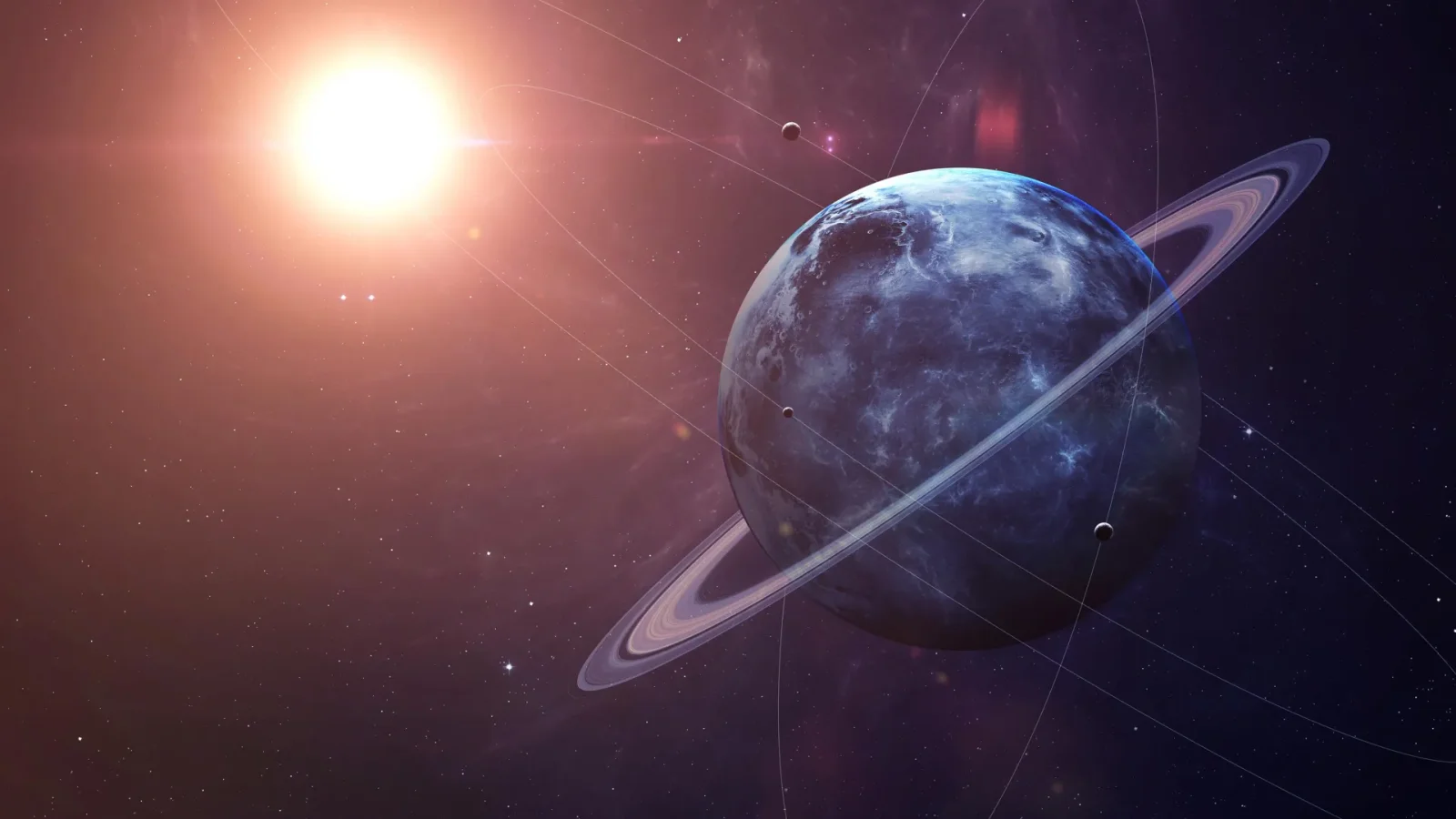
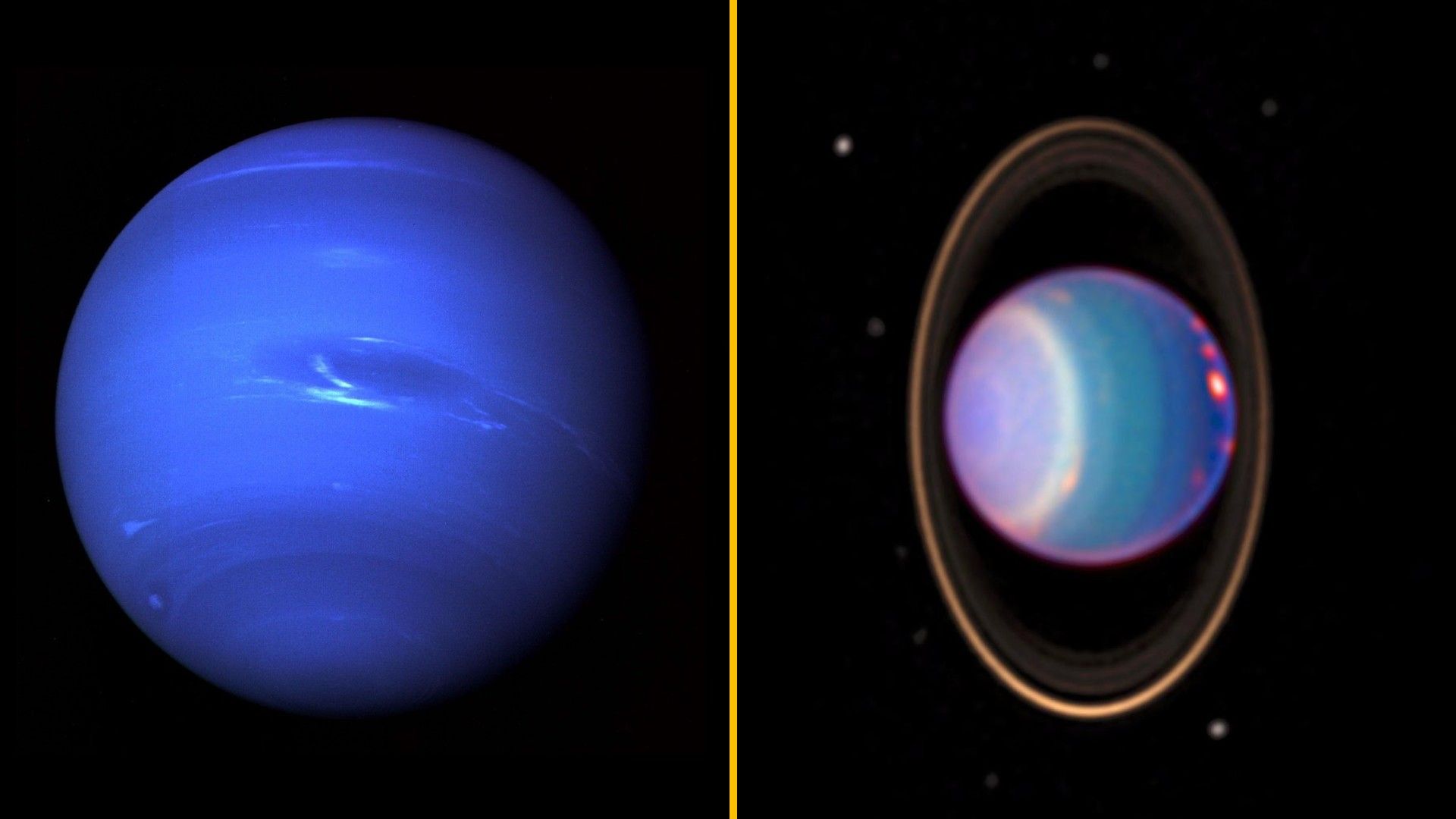
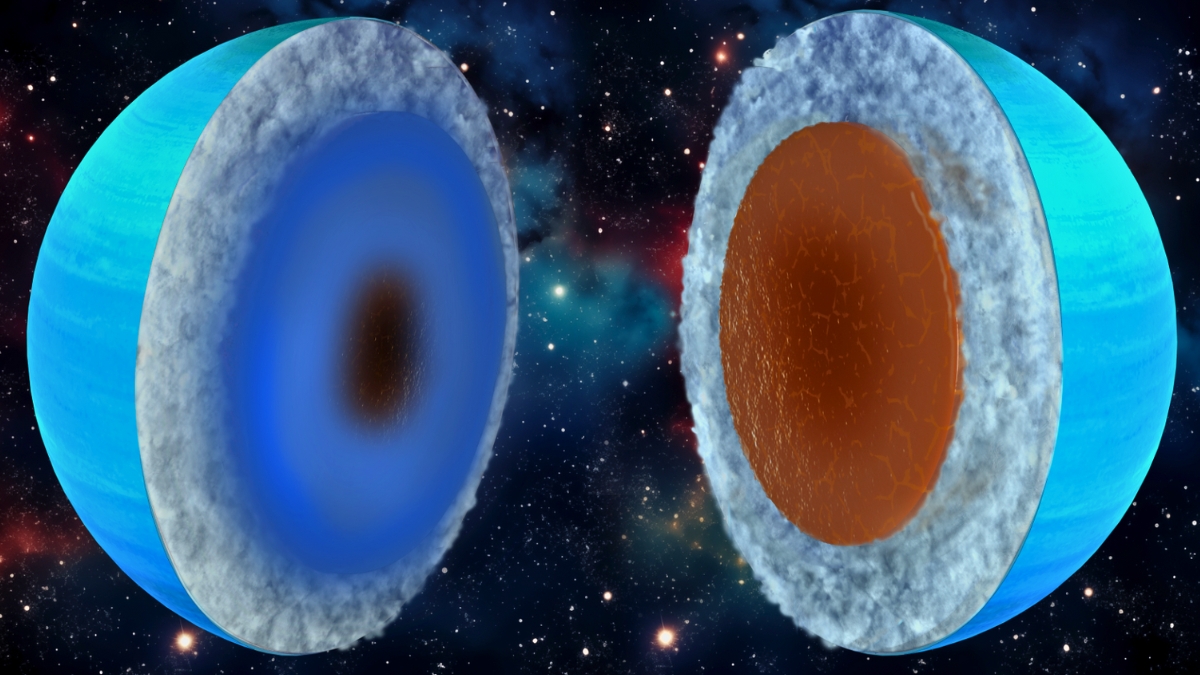
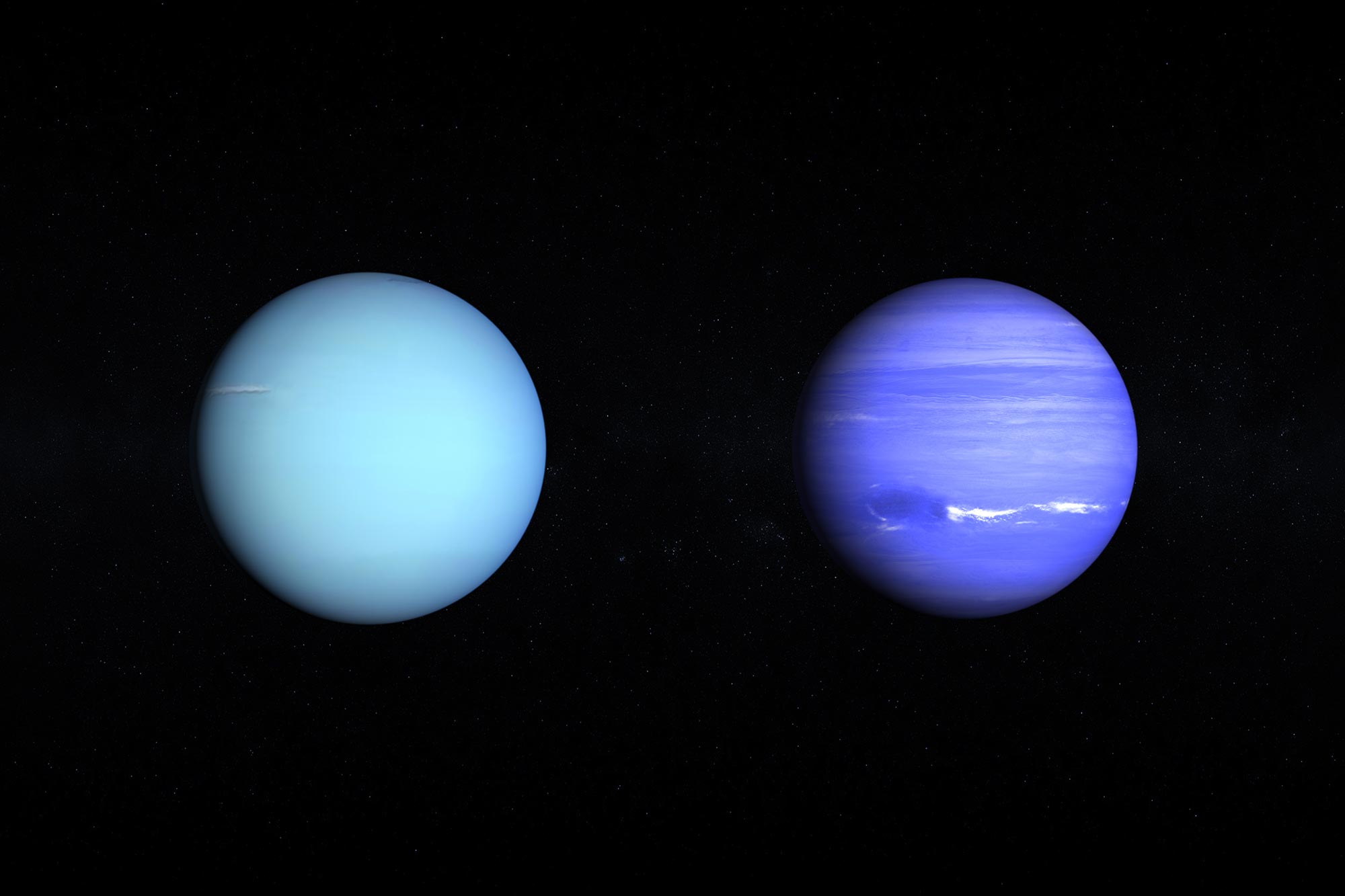
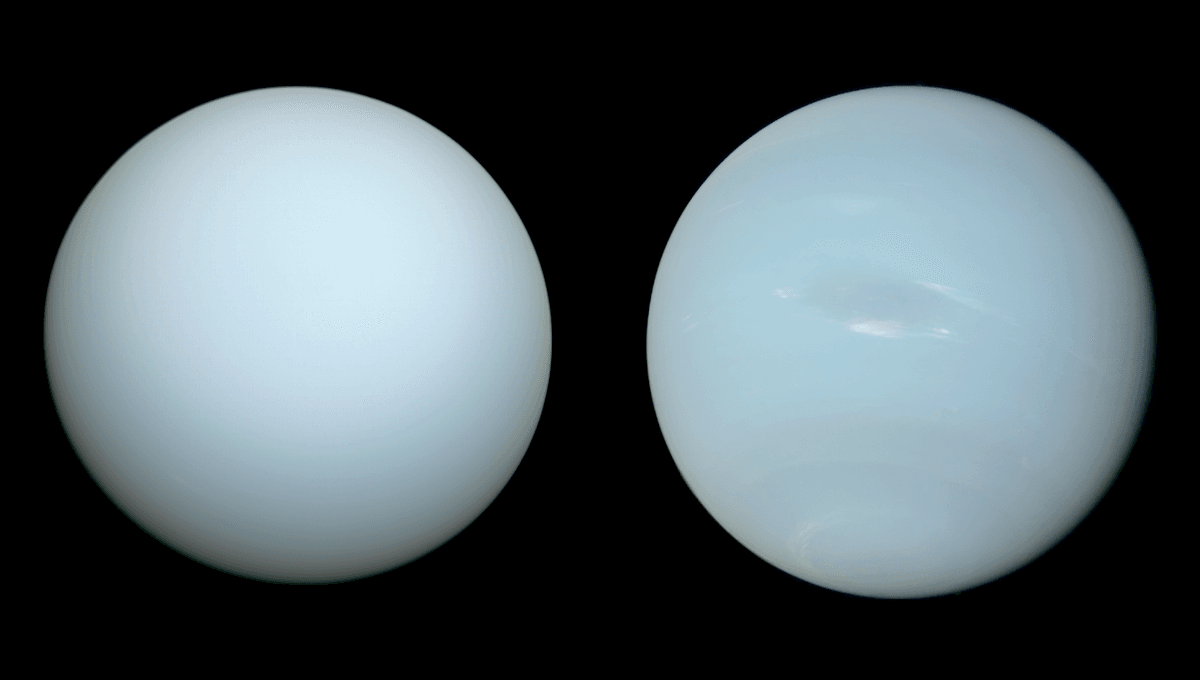
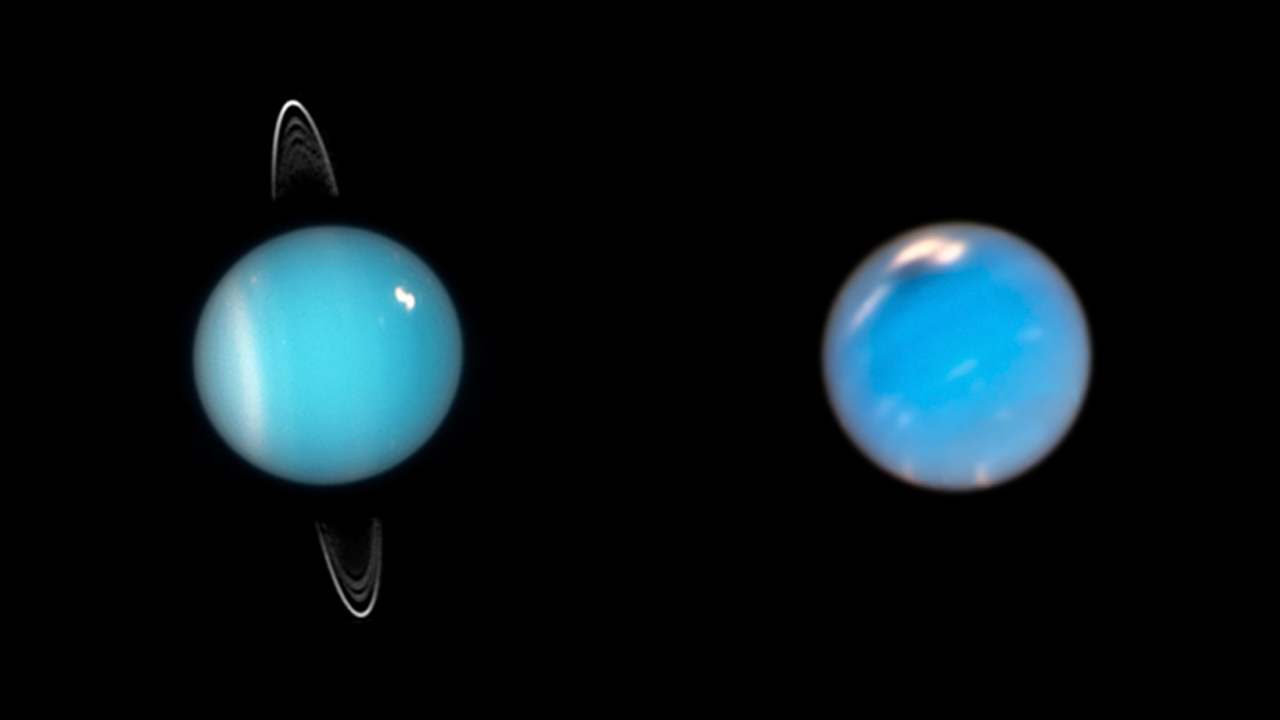
A new computational model suggests that Uranus and Neptune may have rockier interiors than previously thought, challenging the traditional classification of these planets as 'ice giants' and potentially explaining their complex magnetic fields. The study combines physics-based and observational data to propose that their cores contain significant rock content, which could influence their magnetic properties. Further research and dedicated space missions are needed to confirm these findings.
New research suggests that Uranus and Neptune may be more rocky and less icy than previously thought, challenging the traditional classification of these planets as 'ice giants' and highlighting the need for future missions to better understand their true nature.
New research suggests Uranus and Neptune may be more rock-rich than previously thought, challenging the traditional view of them as ice giants, and highlights the need for future missions to better understand their true nature.
On October 30, planetary alignments involving Mercury and Uranus create a day of reflection and potential confusion in love, urging patience and self-awareness across all zodiac signs to navigate relationship challenges and opportunities for growth.
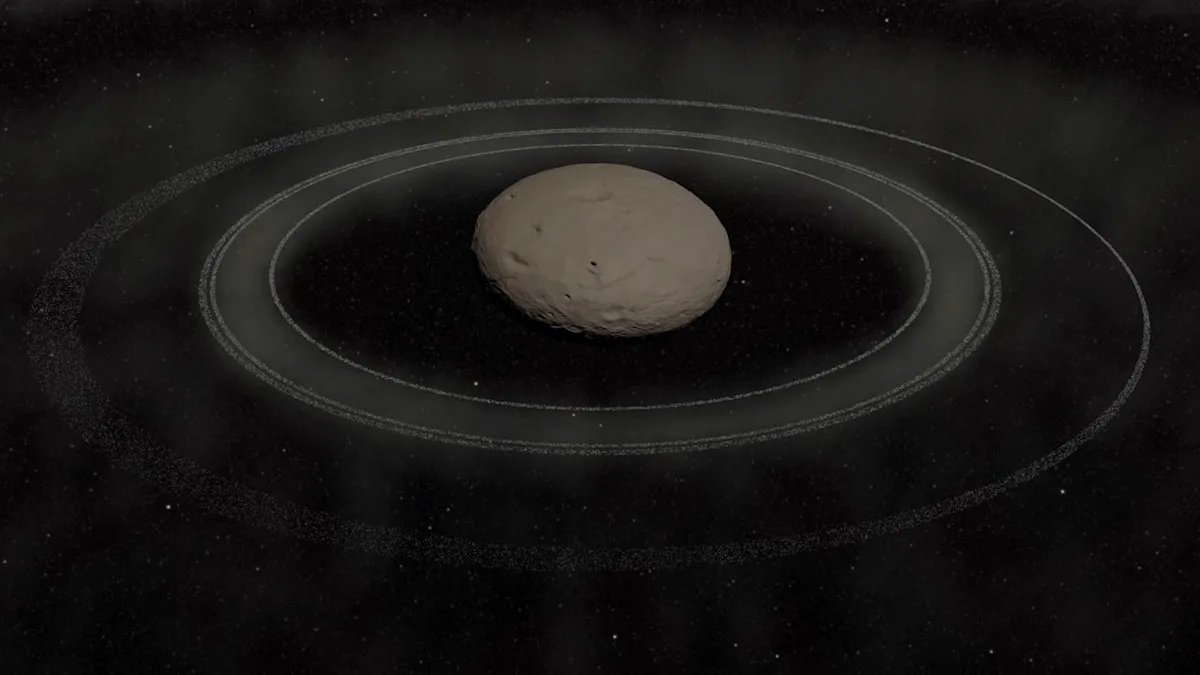
Astronomers have observed a small icy world, Chiron, building its own rings in real time, providing a rare glimpse into the process of ring formation around small celestial bodies, which may also shed light on how larger planetary rings formed billions of years ago.
A new study challenges the traditional view that Uranus and Neptune are 'ice giants,' suggesting they may instead have a rockier internal structure based on observational data and modeling, highlighting the need for dedicated missions to better understand these distant planets.
New research suggests that Uranus and Neptune may not be 'ice giants' as previously thought, but could instead be 'rocky giants' with interiors dominated by rock rather than ice, due to limited data and a wide range of possible interior compositions. This challenges existing models of solar system formation and highlights the need for dedicated missions to better understand these planets.
The horoscope for October 10, 2025, highlights a day of energetic shifts influenced by the moon in Gemini, with potential for personal growth through breaking routines and expressing authenticity, while also advising caution in emotional and financial boundaries as Venus interacts with Saturn retrograde.
A recent study suggests that Uranus and Neptune may be better classified as 'rock giants' rather than 'ice giants' due to their interior compositions being dominated by rock and water, challenging longstanding classifications and offering new insights into planetary formation.
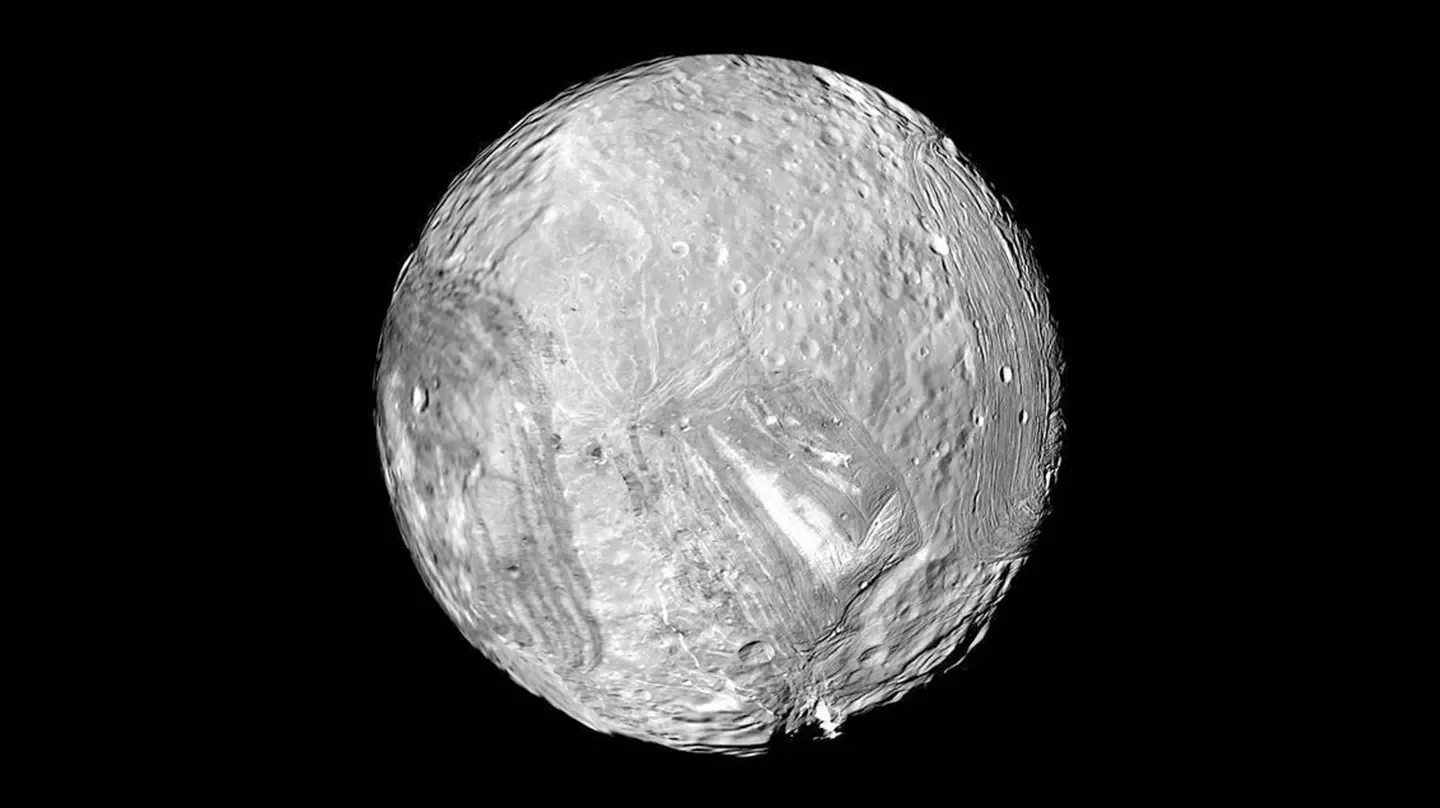
A recent study suggests that Uranus's moon Ariel likely has a deep, hidden ocean up to 100 miles beneath its icy surface, formed by tidal flexing and orbital eccentricity, which caused fractures and resurfacing, and may have frozen over in the past billion years. The presence of ammonia and surface features support the idea of a subsurface ocean, making Ariel a potential ocean world worth further exploration.
Astronomers have made several unexpected discoveries while searching for other celestial phenomena, including the discovery of Uranus, Ceres, solar flares, cosmic X-rays, the cosmic microwave background, pulsars, gamma-ray bursts, exoplanets, dark energy, and fast radio bursts, all of which have significantly advanced our understanding of the universe.
On September 12, viewers in the U.S. can observe the waning gibbous moon near the Pleiades star cluster and the distant planet Uranus in Taurus, with binoculars or a telescope enhancing the experience. The event offers a great opportunity for skywatchers to enjoy celestial sights, including Capella and Saturn, and to capture images of the moon and stars.
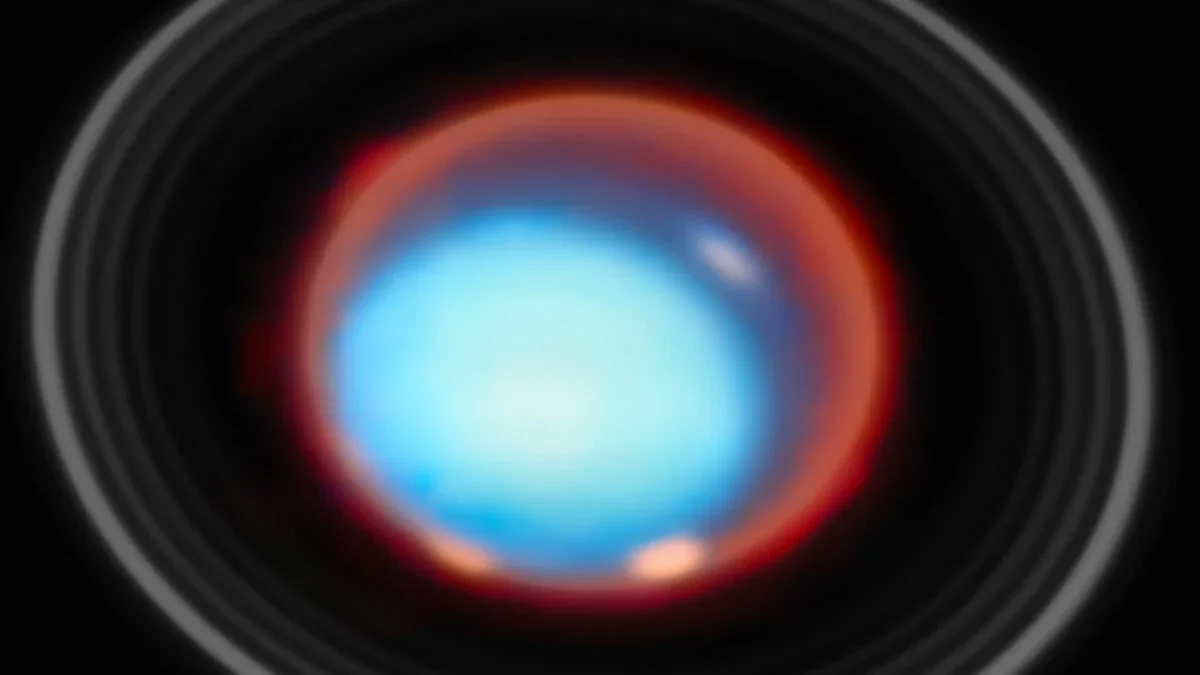
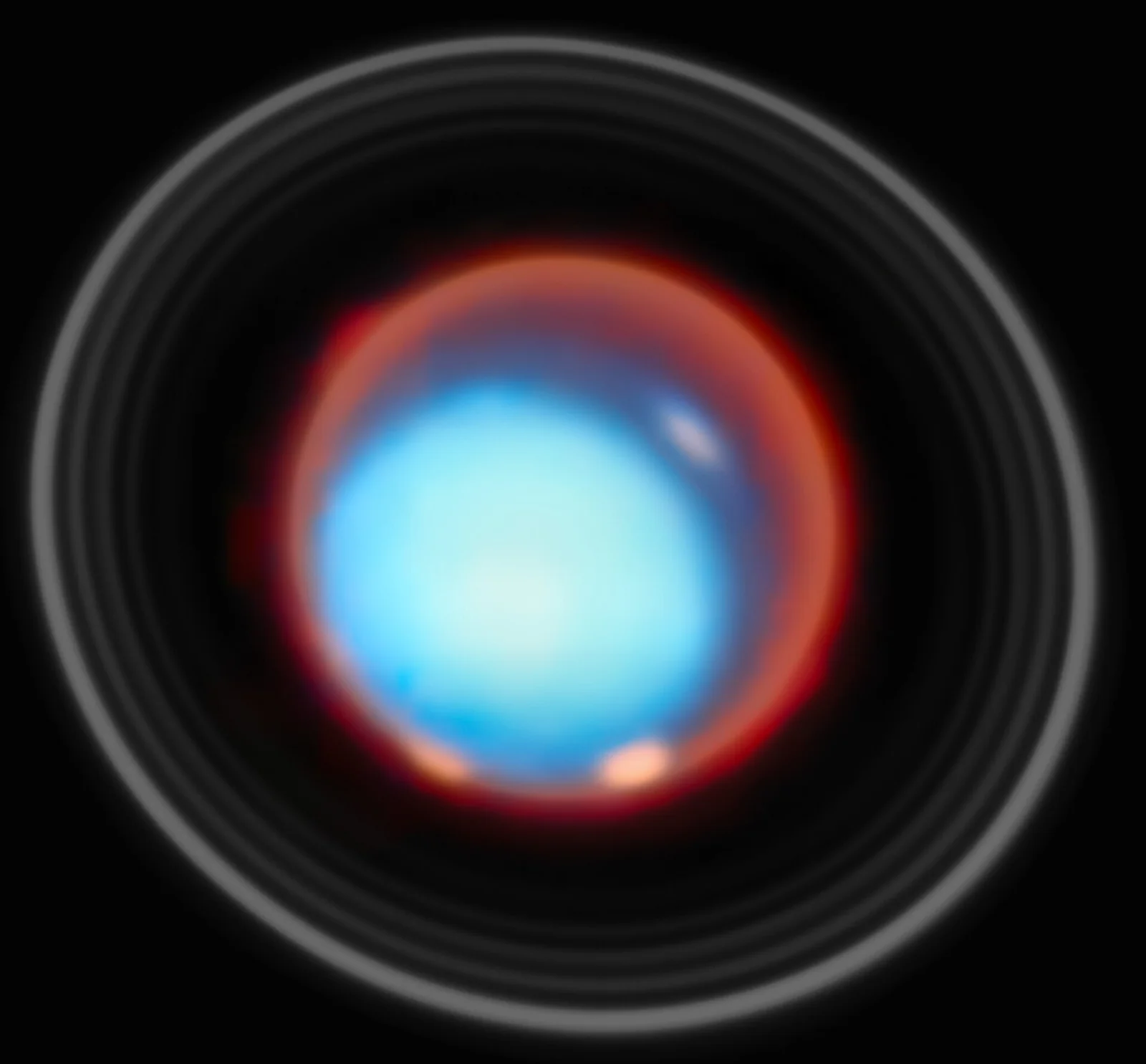
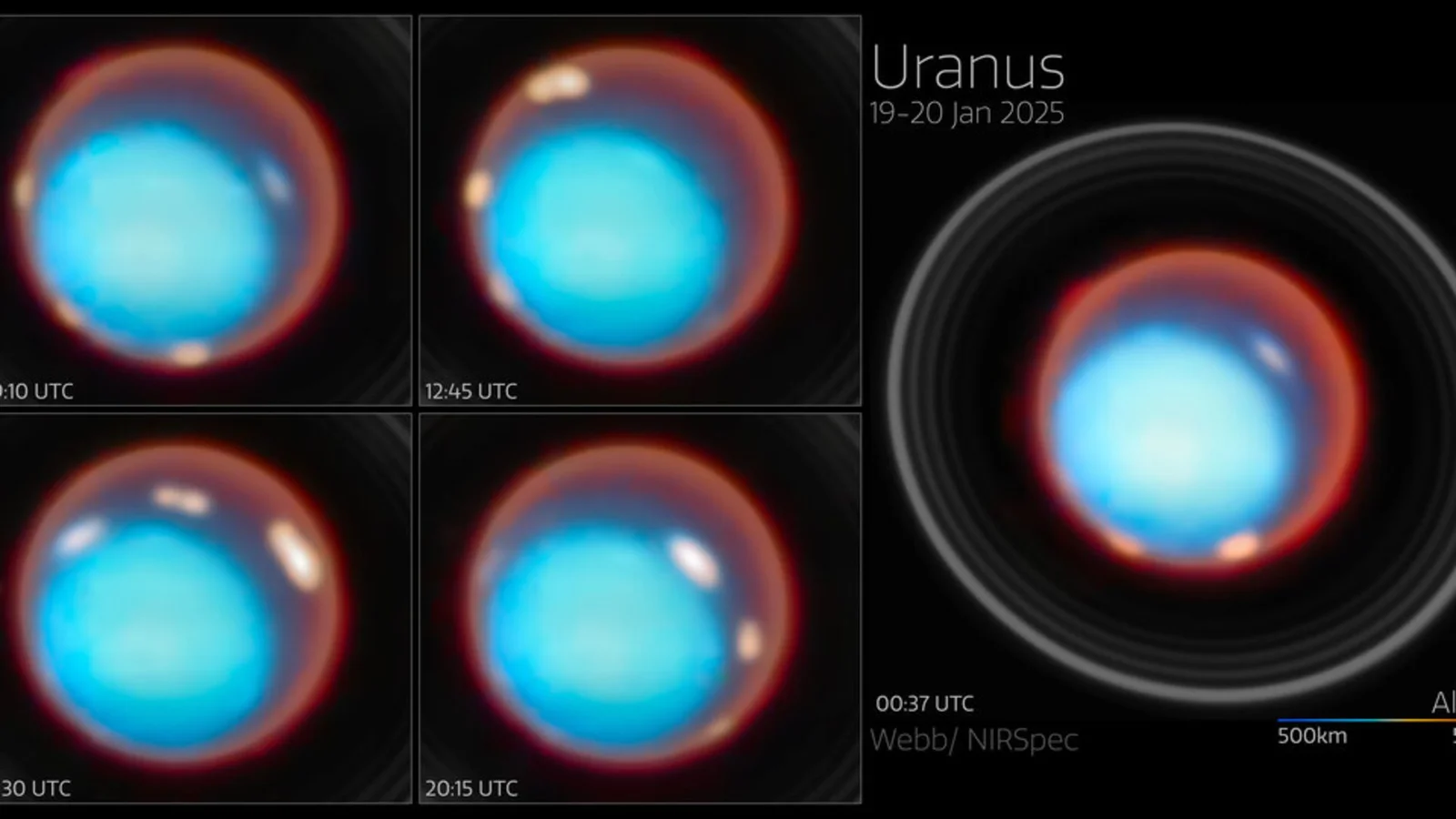
The James Webb Space Telescope has discovered a new, tiny moon orbiting Uranus, increasing the planet's known moons to 29. The moon, likely formed near its current position, is about six miles wide and was detected while studying Uranus' rings. This discovery suggests there may be more hidden moons around Uranus, and the new moon is expected to be named Violenta after a Shakespeare character.