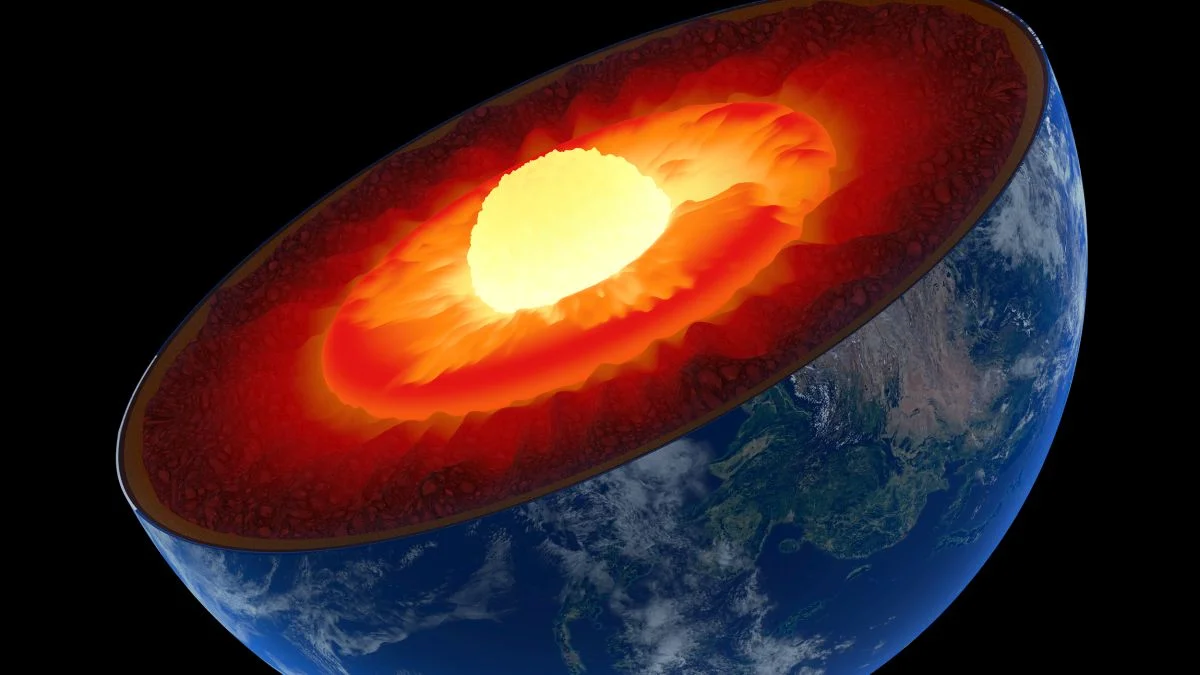
Scientists have experimentally demonstrated a superionic state of matter inside Earth's inner core, where carbon atoms move freely within a solid iron matrix, explaining seismic observations and challenging traditional models of Earth's interior.
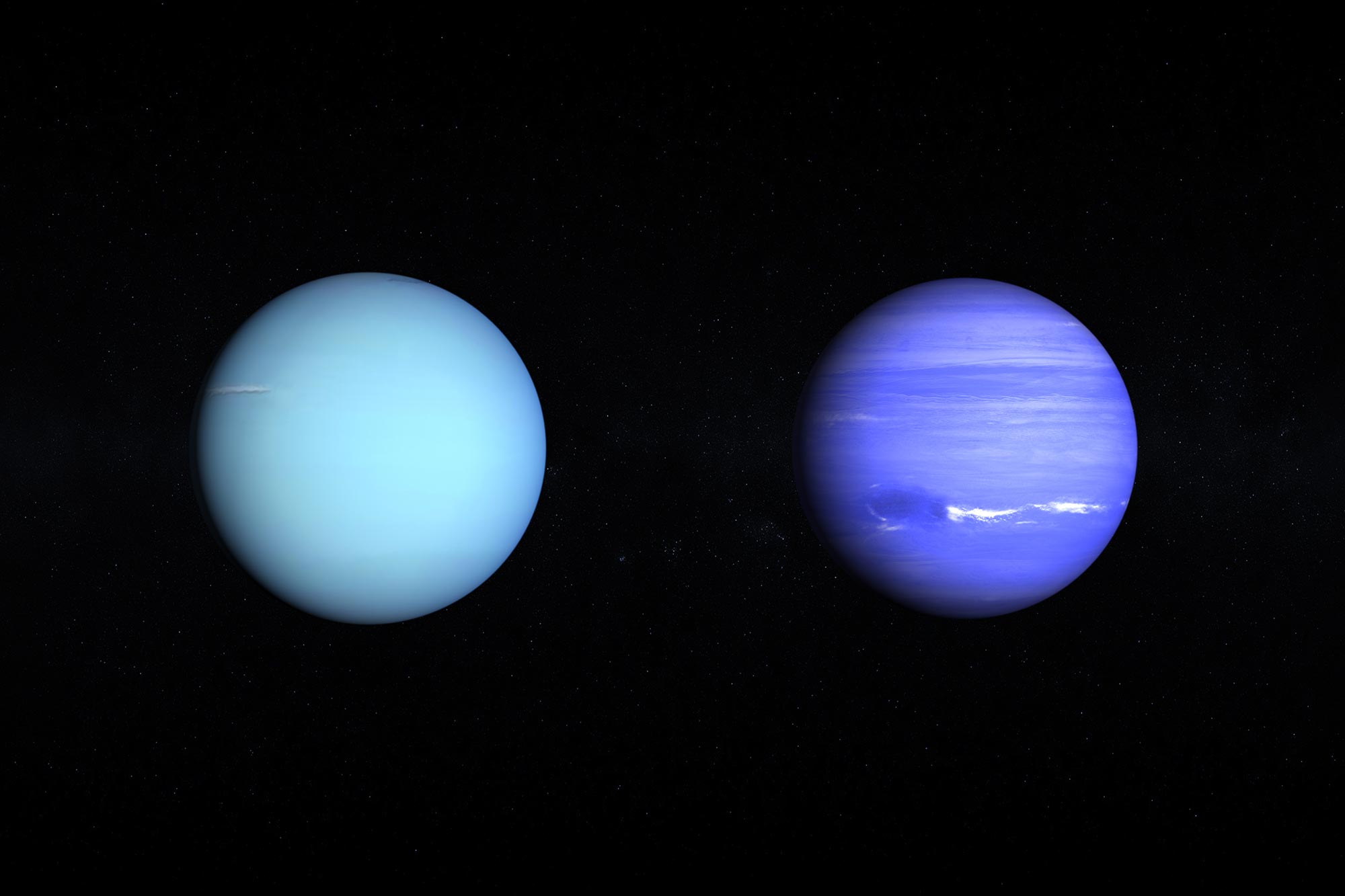
New research suggests Uranus and Neptune may be more rock-rich than previously thought, challenging the traditional view of them as ice giants, and highlights the need for future missions to better understand their true nature.
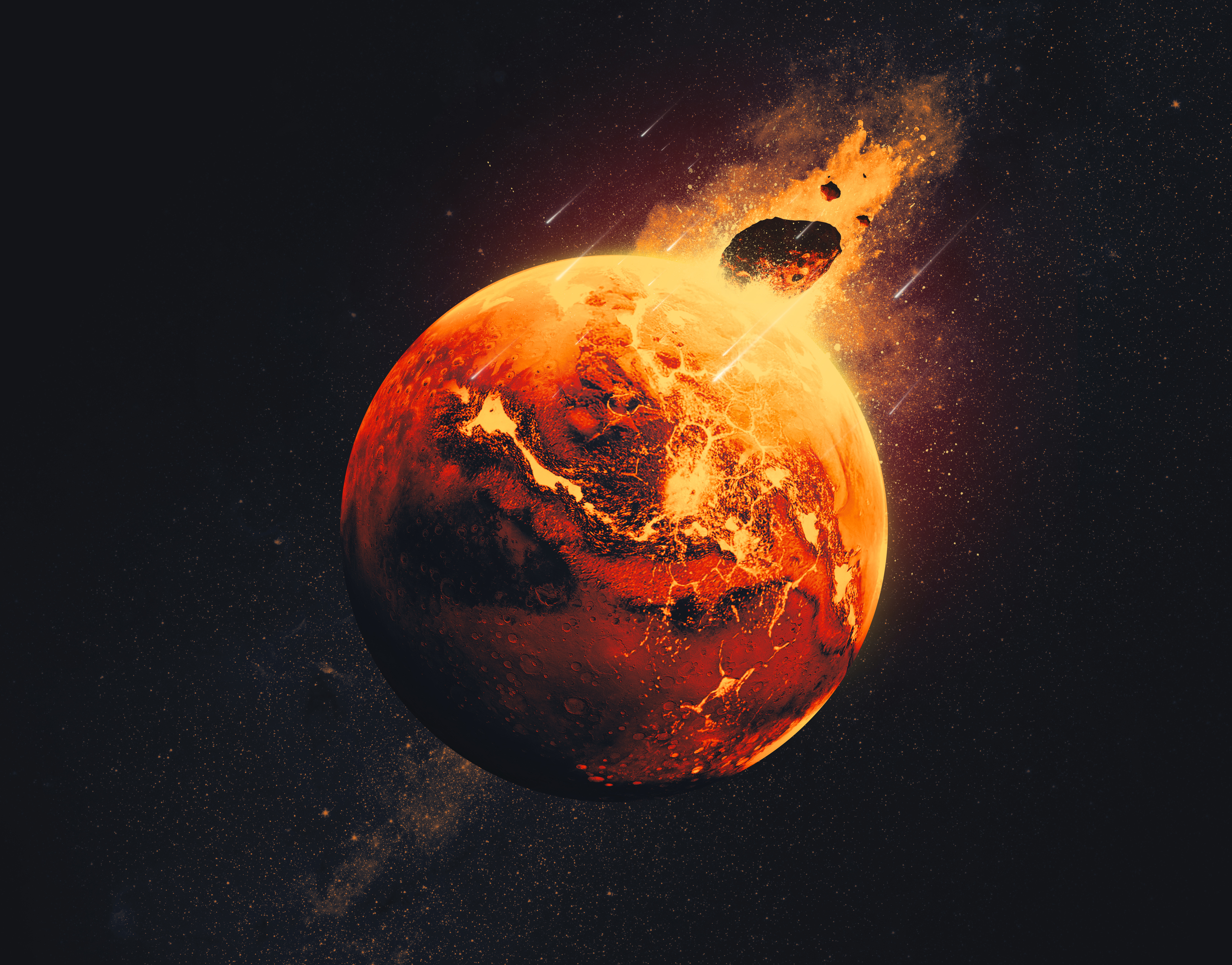
NASA's InSight lander data reveals that Mars' mantle contains large, ancient lumps of rocky material from early impacts, indicating a sluggish interior evolution and providing new insights into the planet's formation and history.
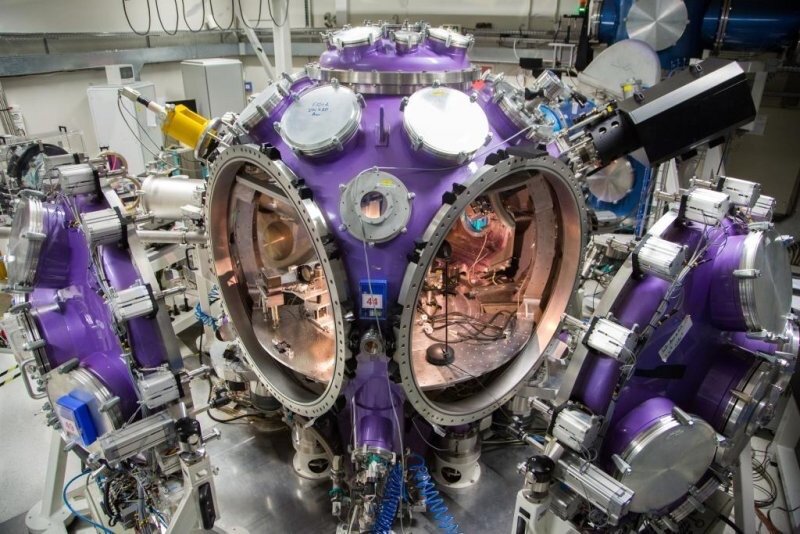
Researchers have conducted a study to better understand the composition and structure of icy planets like Uranus and Neptune. Using laser-driven shock compression, they observed the melting curve of superionic ammonia, a complex mixture found in the mantles of these planets. The study revealed that dense fluid ammonia has higher electrical conductivity than pure water, which could impact the generation and propagation of magnetic fields in icy planets. The findings provide insights into the behavior of pure systems at extreme conditions and contribute to our understanding of the unexplored characteristics of icy planets.