When dealing with an upset stomach, consider consuming foods like bananas, white rice, applesauce, white toast, broth-based soups, plain crackers, and lean proteins such as eggs, chicken, and turkey. These foods can help soothe the stomach and provide essential nutrients. Common causes of an upset stomach include indigestion, overeating, illness, food poisoning, trapped gas, constipation, and certain conditions like IBS and IBD. It's important to avoid spicy, greasy, fried, fatty, and dairy foods, as well as alcohol and caffeine, when experiencing stomach discomfort.
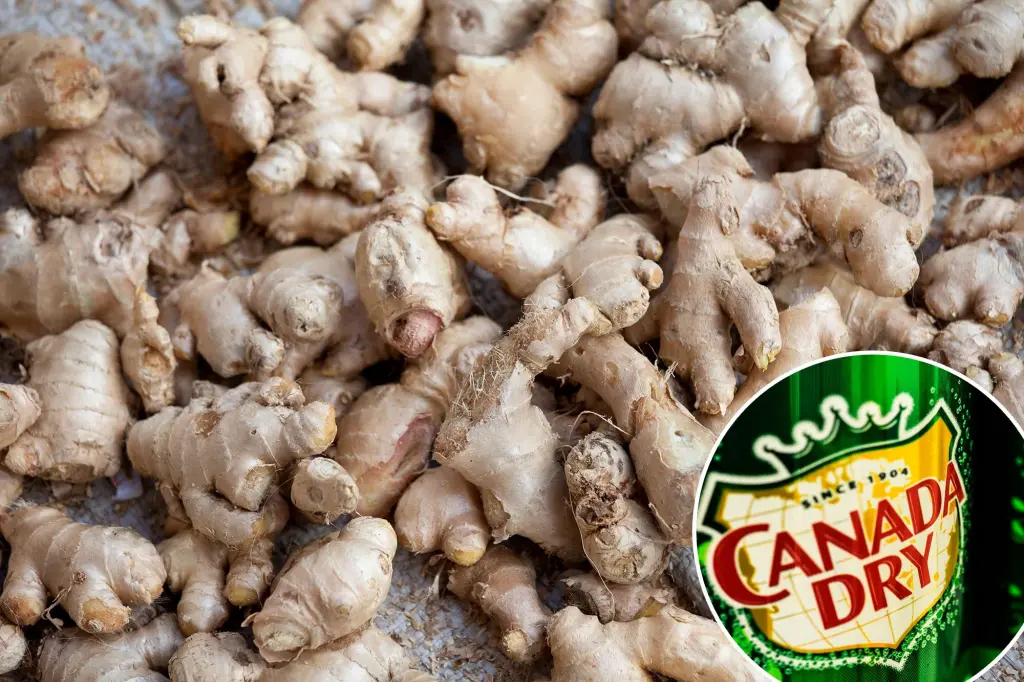
Experts warn that ginger ale, often relied upon as a remedy for upset stomachs, lacks significant health benefits due to the absence of actual ginger in most commercial brands. The soda's high sugar content can exacerbate gastrointestinal distress, while artificial sweeteners in diet versions may worsen symptoms. Instead, experts recommend turning to real ginger, which has been proven to support digestive health and alleviate nausea.
The BRAT diet, which stands for bananas, rice, applesauce, and toast, was once commonly recommended by doctors to help children with upset stomachs. However, it is no longer recommended as there is insufficient evidence to support its effectiveness. The diet was designed to be followed for a short period of time to give the digestive system a chance to recover. It included foods that were believed to be gentle on the digestive system. The BRAT diet is not recommended for weight loss and lacks essential nutrients. Instead, a more inclusive bland diet that includes a variety of easy-to-digest foods is now recommended. While the BRAT diet may still be used for a short time, it is best to consult with a healthcare professional for digestive issues.
Certain foods can trigger digestive issues such as acid reflux, gas, upset stomach, and bloating. These foods vary from person to person, so it's important to listen to your body and identify which ones bother you. Some common culprits include fried food, sugar alcohols, high fructose corn syrup, highly acidic fruits, peppermint, beans, cruciferous vegetables, spicy food, and chocolate. To minimize discomfort, try alternative cooking methods, read ingredient labels, choose non-citrus fruits, avoid peppermint, soak beans before cooking, cook cruciferous vegetables, reduce spice levels, and limit chocolate consumption.
Despite the popular belief that ginger ale can cure nausea and upset stomach, medical and nutrition experts say that most commercially available ginger ale brands are made with little to no real ginger extract and contain high amounts of sugar and calories. While ginger root has been associated with addressing gastrointestinal symptoms, ginger ale may not be an effective treatment method. Medical experts suggest trying alternative forms of ginger, such as ginger tea or smoothies, for its anti-nausea and anti-inflammatory properties.
Medical and nutrition experts have debunked the myth that ginger ale can cure nausea and upset stomach. Most commercially available ginger ale brands are made with carbonated water, sugar, coloring, and very little ginger extract, if any at all. Ginger root has been long associated with addressing nausea and other gastrointestinal symptoms. Gingerol, the phenolic phytochemical found in fresh ginger, is the compound that makes ginger a nausea aid. Ginger supplements can increase a person’s risk of bleeding, which poses a danger for people who take blood-thinning medications.