A recent study challenges the traditional view that unsaturated fats like omega-3 and omega-6 are anti-inflammatory, finding they may actually increase certain inflammatory markers, and emphasizing the importance of the balance between these fats in the diet.
Olive oil, particularly extra virgin olive oil (EVOO), has been linked to numerous health benefits such as lowered blood pressure, reduced risk of Type 2 diabetes, and improved cholesterol levels due to its high content of antioxidant plant compounds. EVOO has been found to be more beneficial than regular olive oil due to its unrefined production process that preserves antioxidants. While EVOO is considered one of the healthiest oils, experts suggest that other unsaturated plant oils like canola and soybean can also be healthful, and replacing saturated fats with unsaturated fats in our diets is generally healthier.
Consuming unsaturated fats can help improve cholesterol levels, with foods like pistachios, flaxseed, avocado, plant-based oils, and fatty fish being particularly beneficial. These fats can lower LDL cholesterol and raise HDL cholesterol, contributing to heart health. In addition to dietary changes, maintaining a healthy weight, regular exercise, and avoiding smoking and vaping are important for managing cholesterol levels.
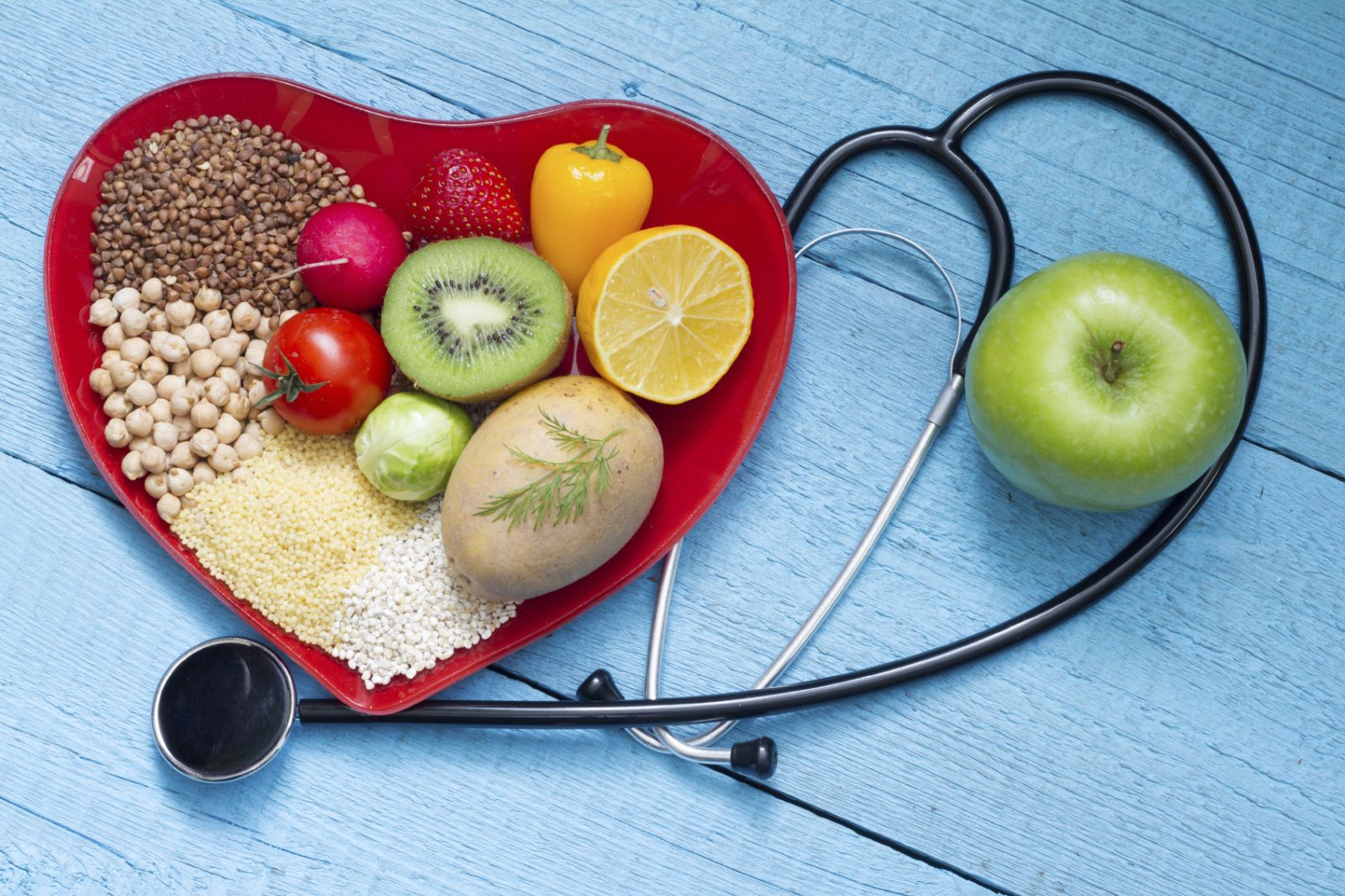
Maintaining a heart-healthy diet is crucial for controlling cholesterol levels and promoting cardiovascular wellness. Dietary measures include opting for unsaturated fats, limiting saturated fats, increasing soluble fiber intake, choosing lean proteins, and reducing cholesterol intake. Other useful measures include incorporating herbs and spices into cooking and avoiding overeating. Lifestyle changes such as regular exercise and not smoking are also important for comprehensive cardiovascular health.