Tag

Omega 6

All articles tagged with #omega 6

Expert Tips on Choosing and Using Healthy Cooking Oils

Originally Published 2 months ago — by Hindustan Times

Featured image for Expert Tips on Choosing and Using Healthy Cooking Oils
Source: Hindustan Times

A dietitian explains that while vegetable oils like soybean and olive oil are often considered healthy, their high omega-6 content can disrupt the omega-3 and omega-6 balance in the body, potentially leading to health issues. To optimize health, it is recommended to reduce intake of these oils and incorporate omega-3 rich foods such as fatty fish, chia seeds, and walnuts into the diet.

Link Found Between Common Cooking Oils and Cancer Risk

Originally Published 4 months ago — by Earth.com

Featured image for Link Found Between Common Cooking Oils and Cancer Risk
Source: Earth.com

Recent research suggests that modifying dietary fat intake, specifically reducing omega-6 fats and increasing omega-3 fats through diet changes like eating fish or taking supplements, may slow the growth of prostate cancer cells, potentially delaying more aggressive treatments. However, larger studies are needed to confirm these findings, and dietary adjustments should be discussed with a healthcare provider.

Reevaluating Seed Oils: Health Benefits and Alternatives

Originally Published 6 months ago — by The Independent

Featured image for Reevaluating Seed Oils: Health Benefits and Alternatives
Source: The Independent

Experts clarify that seed oils are healthy and a valuable source of polyunsaturated fatty acids, disputing claims that they are harmful due to Omega-6 content. A study shows higher plant oil consumption is linked to reduced risk of cancer and cardiovascular disease, and health concerns are often due to processed foods' high saturated fat, sodium, and sugar. Replacing saturated fats with unsaturated fats like seed oils can improve health outcomes.

The Truth About Seed Oils: Benefits, Risks, and Myths

Originally Published 7 months ago — by BBC

Featured image for The Truth About Seed Oils: Benefits, Risks, and Myths
Source: BBC

Recent research suggests that seed oils like canola and sunflower oil are not as harmful as social media claims; they contain beneficial omega-6 fatty acids that may support heart health and reduce disease risk, though some studies indicate potential links to cancer growth, highlighting the need for balanced consumption and further research.

Debunking the Seed Oil Debate: Health Benefits vs. Overconsumption Concerns

Originally Published 1 year ago — by Business Insider

Featured image for Debunking the Seed Oil Debate: Health Benefits vs. Overconsumption Concerns
Source: Business Insider

The debate over the health effects of seed oils, which are high in omega-6 fatty acids, has intensified, with some claiming they are toxic and inflammatory. Experts argue that while seed oils are not inherently harmful, the modern diet's imbalance of omega-6 to omega-3 fatty acids is concerning. The focus should be on reducing processed foods and ensuring a balanced intake of essential fatty acids. The food industry is responding by developing alternatives with healthier fat compositions, but the key to a healthy diet remains consuming whole grains, vegetables, and omega-3-rich foods.

Omega-3 and Omega-6 Fatty Acids Linked to Lower Cancer Risk

Originally Published 1 year ago — by Medical News Today

Featured image for Omega-3 and Omega-6 Fatty Acids Linked to Lower Cancer Risk
Source: Medical News Today

A study by the University of Georgia suggests that omega-3 and omega-6 fatty acids, found in fish oil and certain plant-based foods, may reduce the risk of several types of cancer, including colon, stomach, and lung cancers. The research, which analyzed data from over 250,000 participants in the UK Biobank, found that higher blood levels of these fatty acids were associated with a lower incidence of cancer. While the findings support increased intake of these unsaturated fats, further research is needed to understand their effects across different populations and cancer types.

Omega-3 and Omega-6: Key Nutrients in Cancer Prevention

Originally Published 1 year ago — by SciTechDaily

Featured image for Omega-3 and Omega-6: Key Nutrients in Cancer Prevention
Source: SciTechDaily

A study from the University of Georgia indicates that omega-3 and omega-6 fatty acids may lower the risk of various cancers, particularly in the digestive tract, brain, and skin, based on data from over 250,000 participants. While fish oil supplements, rich in these fatty acids, are popular for their health benefits, the study also notes a potential slight increase in prostate cancer risk with high omega-3 intake. The findings suggest incorporating more of these fatty acids into diets could be beneficial, especially for women.

Omega-3 and Omega-6: Potential Cancer-Fighting Allies

Originally Published 1 year ago — by Medical Xpress

Featured image for Omega-3 and Omega-6: Potential Cancer-Fighting Allies
Source: Medical Xpress

A study from the University of Georgia, published in the International Journal of Cancer, suggests that higher levels of omega-3 and omega-6 fatty acids are linked to a reduced risk of developing various cancers. The research, which analyzed data from over 250,000 people, found that these fatty acids, found in foods like fatty fish and nuts, are associated with lower rates of 19 types of cancer, including colon, stomach, and lung cancer. However, high omega-3 levels may slightly increase prostate cancer risk. The study emphasizes the importance of incorporating these healthy fats into diets, especially for women and younger individuals.

Unlocking the Potential of Omega-3 for Optimal Health

Originally Published 2 years ago — by Medical Xpress

Featured image for Unlocking the Potential of Omega-3 for Optimal Health
Source: Medical Xpress

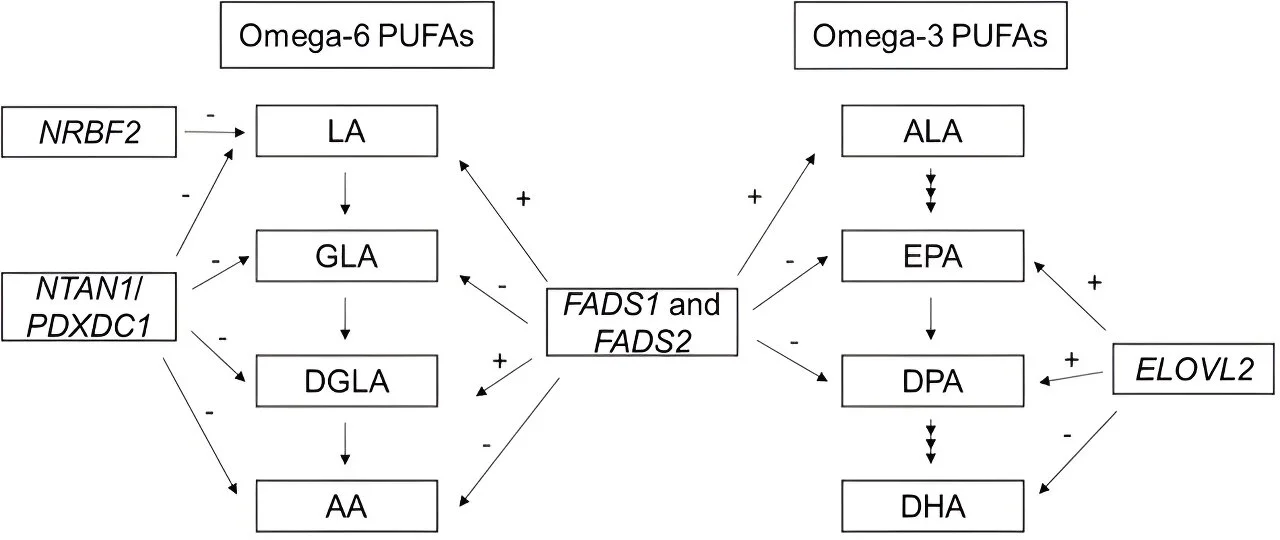
Researchers at the University of Virginia School of Medicine have made significant progress in understanding how genes influence the utilization of Omega-3 and Omega-6 fatty acids for good health, particularly among African-American and Hispanic-American populations. The study highlights the importance of conducting genetic studies in diverse groups and reveals both shared genetic influences and notable differences in fatty acid metabolism among different ethnicities. These findings pave the way for future research on how fatty acid variations impact disease outcomes and immune system function, potentially leading to personalized nutrition strategies for improved health.