The Weill Family Foundation has launched a $200 million initiative, the Weill Cancer Hub West, uniting UCSF and Stanford Medicine to accelerate cancer research and develop innovative treatments through collaborative projects focused on cellular therapies, AI, and personalized medicine.
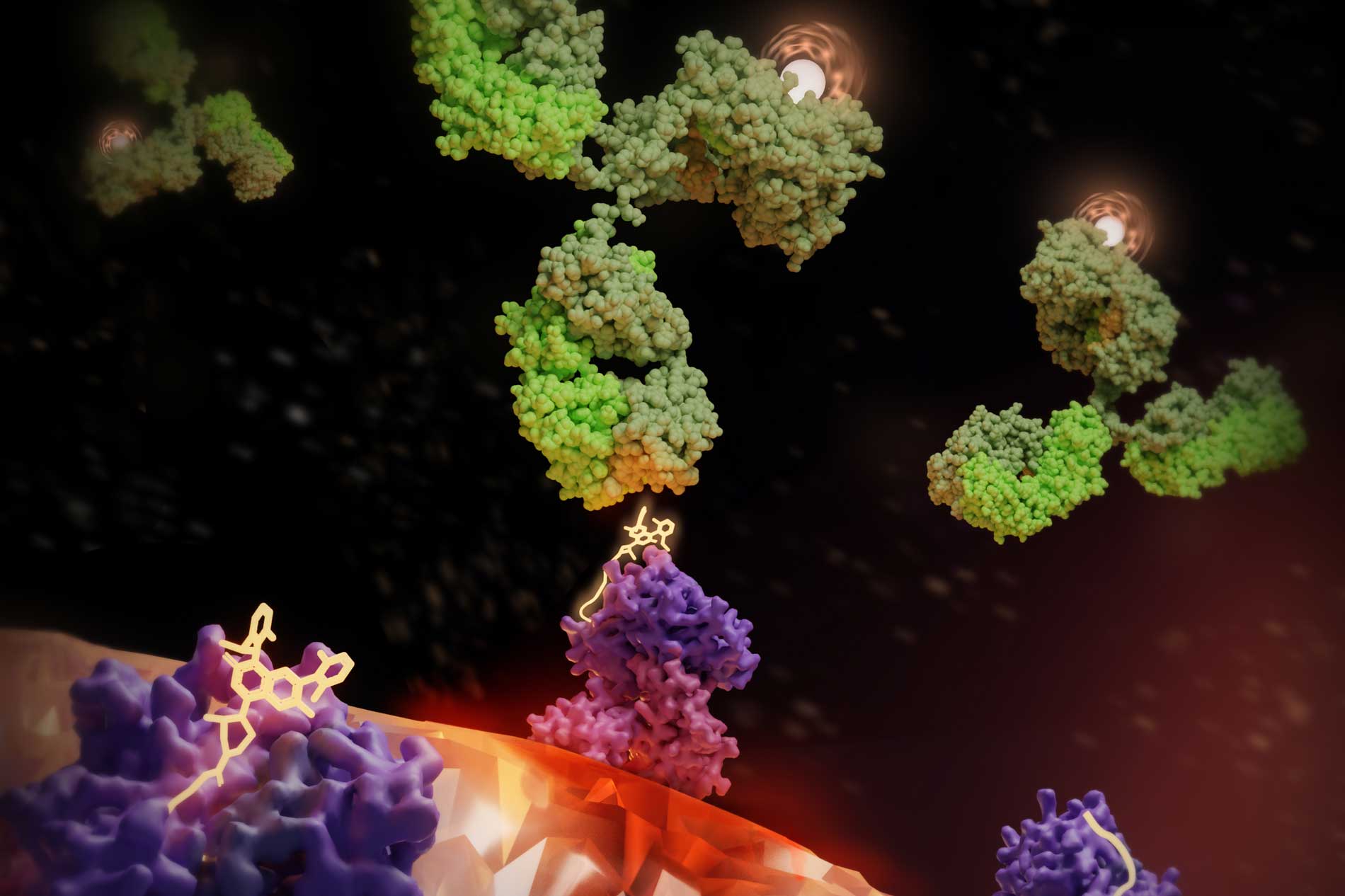
UC San Francisco scientists have developed a targeted radiation therapy that combines a cancer drug with a radioactive antibody to selectively destroy cancer cells, minimizing damage to healthy tissue. This approach, which effectively eliminated lung and bladder tumors in mice, uses a drug to flag cancer cells and a radioactive antibody to deliver precise radiation, potentially overcoming tumor resistance. The team is working on adapting this method for broader patient use by developing antibodies that account for individual cellular differences.
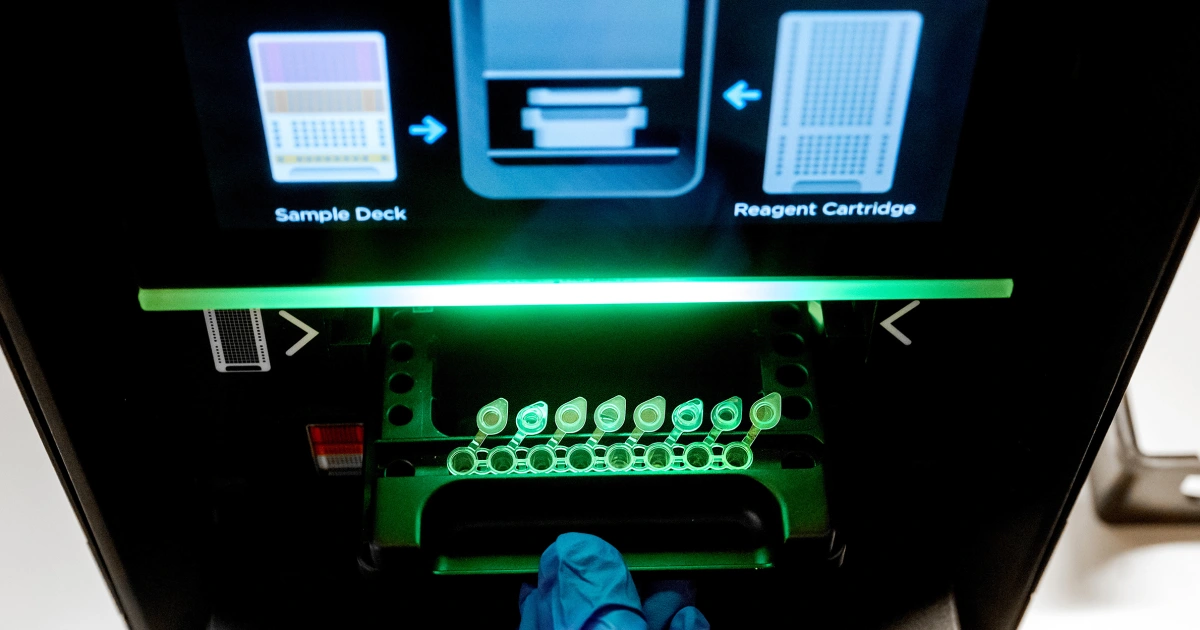
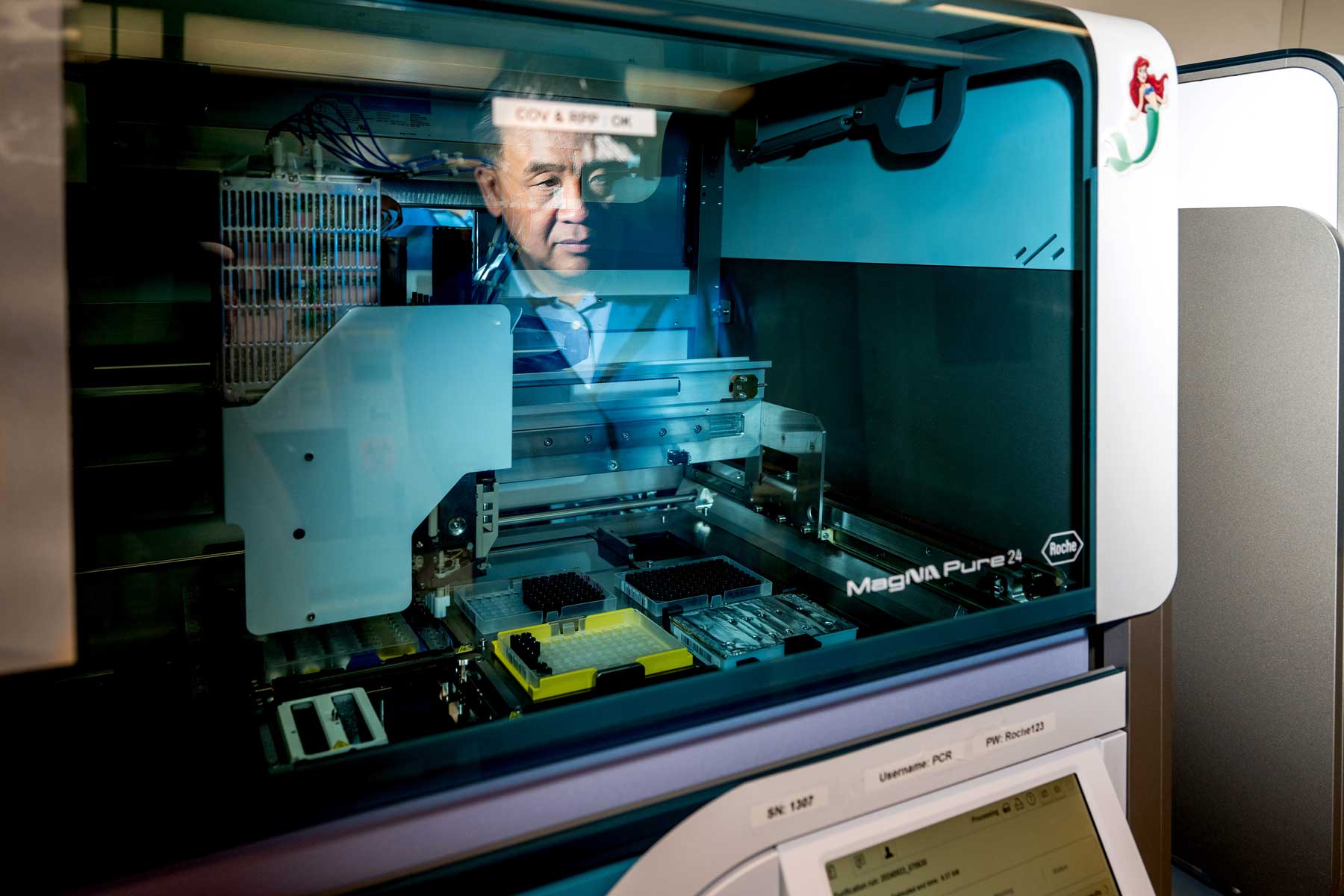
Researchers at UCSF have developed a metagenomic sequencing test capable of rapidly diagnosing a wide range of pathogens, including those causing neurological infections and potential pandemic threats. This test, which analyzes all nucleic acids in a sample, has been automated for respiratory samples, allowing for faster results. It has shown high accuracy in identifying infections and is expected to aid in early pandemic detection. The test has received FDA breakthrough device designation and is being commercialized by Delve Bio.
A new diagnostic test developed at UCSF uses DNA sequencing to identify a wide range of pathogens causing illnesses, particularly effective in diagnosing neurological infections like meningitis. Although not FDA-approved and costly, it has shown promise in cases where traditional tests fail. The test, which has a 'breakthrough device' designation, could potentially detect novel viruses and aid in diagnosing complex infections, but its complexity and cost limit widespread use. Researchers aim to reduce costs and improve accessibility for broader hospital use.
A genomic test developed at UC San Francisco, using metagenomic next-generation sequencing (mNGS), can rapidly diagnose a wide range of pathogens, including viruses, bacteria, fungi, and parasites. This test, which has been successful in identifying 86% of neurological infections, offers a significant advancement in diagnosing diseases like meningitis and encephalitis. It also holds potential for early detection of new viral pandemics. The test, now automated for faster results, has received FDA breakthrough device designation and is expected to become a critical tool in clinical diagnostics.
Researchers at UC San Francisco have developed a metagenomic next-generation sequencing (mNGS) test that can rapidly identify a wide range of pathogens, including viruses, bacteria, fungi, and parasites. This test, which analyzes all nucleic acids in a sample, has proven effective in diagnosing neurological infections and could be crucial for early detection of pandemic threats. The mNGS test, now automated for faster results, has been shown to accurately identify pathogens in cerebrospinal and respiratory fluids, and has received FDA breakthrough device designation.
Researchers at UCSF and UC Davis have discovered a new hormone, CCN3, that maintains bone strength in breastfeeding women and could potentially treat osteoporosis and aid in fracture healing. This finding underscores the importance of including female subjects in biomedical research to uncover gender-specific biological processes.
A pioneering clinical trial at UCSF is utilizing a novel CAR-T therapy enhanced by synNotch technology to target glioblastoma, a deadly brain tumor. This advanced approach aims to improve treatment specificity and effectiveness while reducing side effects, potentially extending survival and enhancing patients' quality of life. The trial, funded by grants totaling up to $11 million, represents a significant advancement in translational medicine and offers hope for addressing the urgent need for new treatments for glioblastoma.
Research from UC San Francisco reveals that remnants of the COVID virus can persist in the body for up to two years after infection, potentially contributing to long COVID symptoms. The discovery has prompted clinical trials for potential therapies targeting the hidden virus. While safe and effective vaccines have led to a decline in infections and deaths, an estimated 7% of American adults are affected by long COVID, highlighting the urgent need for diagnostic tests and treatments. The presence of persistent viral proteins raises concerns about the potential for future outbreaks and the need for effective and safe treatments for long COVID.
Research from UC San Francisco reveals that SARS-CoV-2 can persist in the blood and tissue of some patients for up to two years post-infection, shedding light on the phenomenon of long COVID. COVID antigens were found in blood samples up to 14 months after infection and in tissue samples for more than two years, with a higher likelihood of detection in individuals who experienced severe illness. These findings suggest a potential link between lingering COVID-19 fragments and long-term symptoms, paving the way for clinical trials testing treatments to address long COVID.
Research from UC San Francisco suggests that the COVID-19 virus can persist in the blood and tissue of patients for more than a year after the acute phase of the illness, with COVID antigens lingering in the blood up to 14 months after infection and for more than two years in tissue samples. This offers potential clues to why some people develop long COVID, and ongoing clinical trials are testing whether monoclonal antibodies or antiviral drugs can remove the virus and improve the health of people with long COVID.
Researchers at UC San Francisco have developed a machine learning model that can predict the onset of Alzheimer’s disease up to seven years before symptoms appear by analyzing electronic health records, identifying high cholesterol and osteoporosis, particularly in women, as significant predictors. The study, published in Nature Aging, highlights the potential of AI to revolutionize early diagnosis and understanding of complex diseases like Alzheimer’s, offering the possibility of earlier intervention and new therapeutic strategies. The research leveraged extensive electronic health databases and identified several top predictors of Alzheimer’s, including hypertension, high cholesterol, and vitamin D deficiency. The study also uncovered a gender-specific link between osteoporosis and Alzheimer’s, paving the way for targeted research into the molecular pathways involved in the disease.
Researchers at UCSF have developed an AI method that can predict Alzheimer’s Disease up to seven years before symptoms appear by analyzing patient records with machine learning. High cholesterol and osteoporosis, particularly in women, were identified as significant predictors. By integrating clinical data with genetic databases, the team has identified genes linked to Alzheimer’s, offering new avenues for early diagnosis and understanding the interplay between different health conditions and Alzheimer’s risk. This approach promises to enhance precision medicine for Alzheimer’s and other challenging diseases.
A study led by UCSF has linked posterior cortical atrophy (PCA) to Alzheimer’s disease, highlighting the unique challenges faced by PCA patients and stressing the importance of early detection and potential treatment options. The research, involving over 1,000 patients globally, underscores the need for increased awareness and diagnostic precision to improve patient care and advance Alzheimer’s research. The study found that 94% of PCA patients had Alzheimer’s pathology, emphasizing the need for better tools and training to identify these patients early on and get them treatment. Early identification of PCA may have important implications for Alzheimer’s treatment, as patients with PCA may be candidates for anti-amyloid and anti-tau therapies.
Ten-year-old Avalyn from Redding, California, is courageously battling a brain tumor that has caused hearing loss and memory decline. After multiple doctor visits, she is now undergoing intensive medical procedures at UCSF to shrink and surgically remove the tumor. Her mother, Tiffany, is facing the challenges of caring for Avalyn while also raising her other children. Donations are being accepted to support Avalyn in her fight against the tumor.