German researchers have discovered a highly effective HIV-neutralizing antibody, 04_A06, which neutralizes 98% of tested HIV variants and could potentially be used for both treatment and prevention, offering hope for improved HIV management and vaccine development.
German researchers have discovered a highly effective HIV-neutralizing antibody called 04_A06, which shows promise for both treatment and prevention, neutralizing 98% of tested HIV variants and potentially reducing the need for daily medication or vaccines. However, further studies are needed before it can be used clinically.
UC San Francisco scientists have developed a targeted radiation therapy that combines a cancer drug with a radioactive antibody to selectively destroy cancer cells, minimizing damage to healthy tissue. This approach, which effectively eliminated lung and bladder tumors in mice, uses a drug to flag cancer cells and a radioactive antibody to deliver precise radiation, potentially overcoming tumor resistance. The team is working on adapting this method for broader patient use by developing antibodies that account for individual cellular differences.
Researchers at Kindai University have developed an antibody, 3E1, that targets the cell adhesion molecule CADM1, offering long-lasting pain relief without side effects. The antibody selectively acts on sensory nerves, reducing pain perception by altering CADM1 expression on nerve fibers. Unlike previous nerve growth factor inhibitors, 3E1 does not cause severe side effects, making it a promising alternative in pain management. The study highlights the potential of 'antibody anesthetics' and suggests further development for human use.
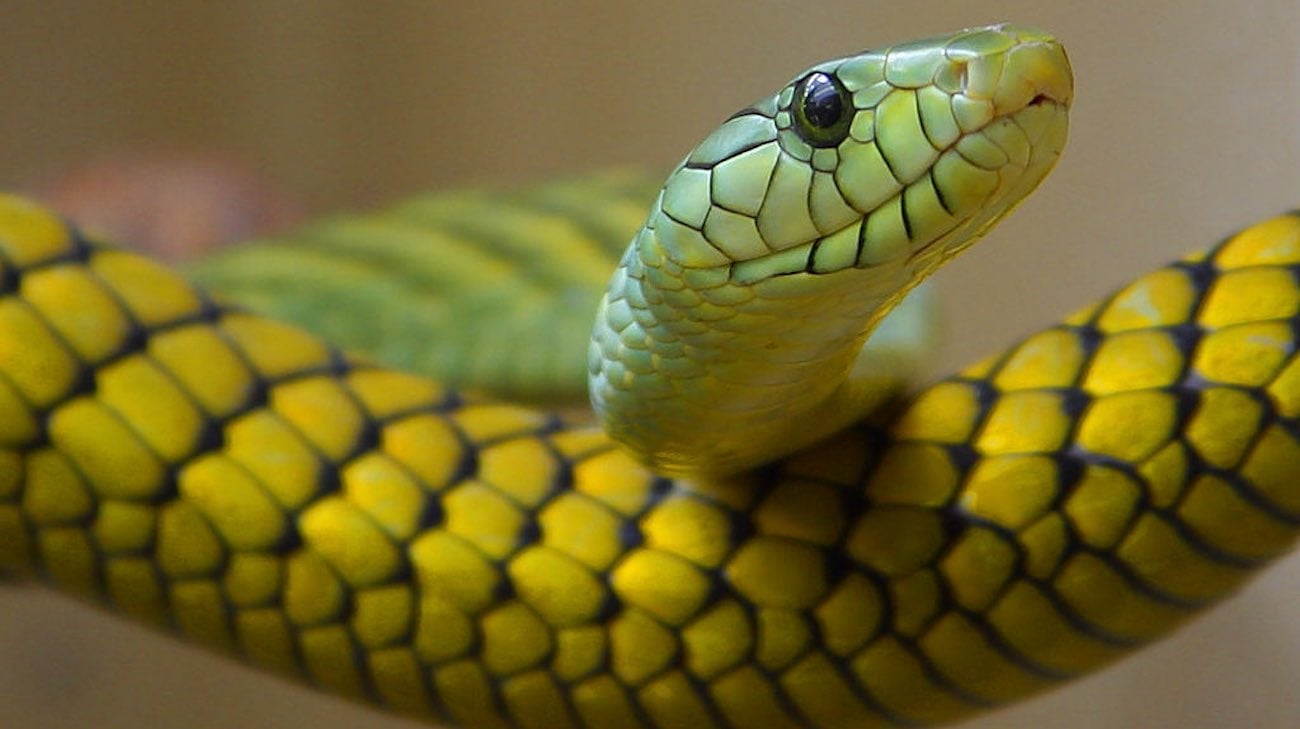
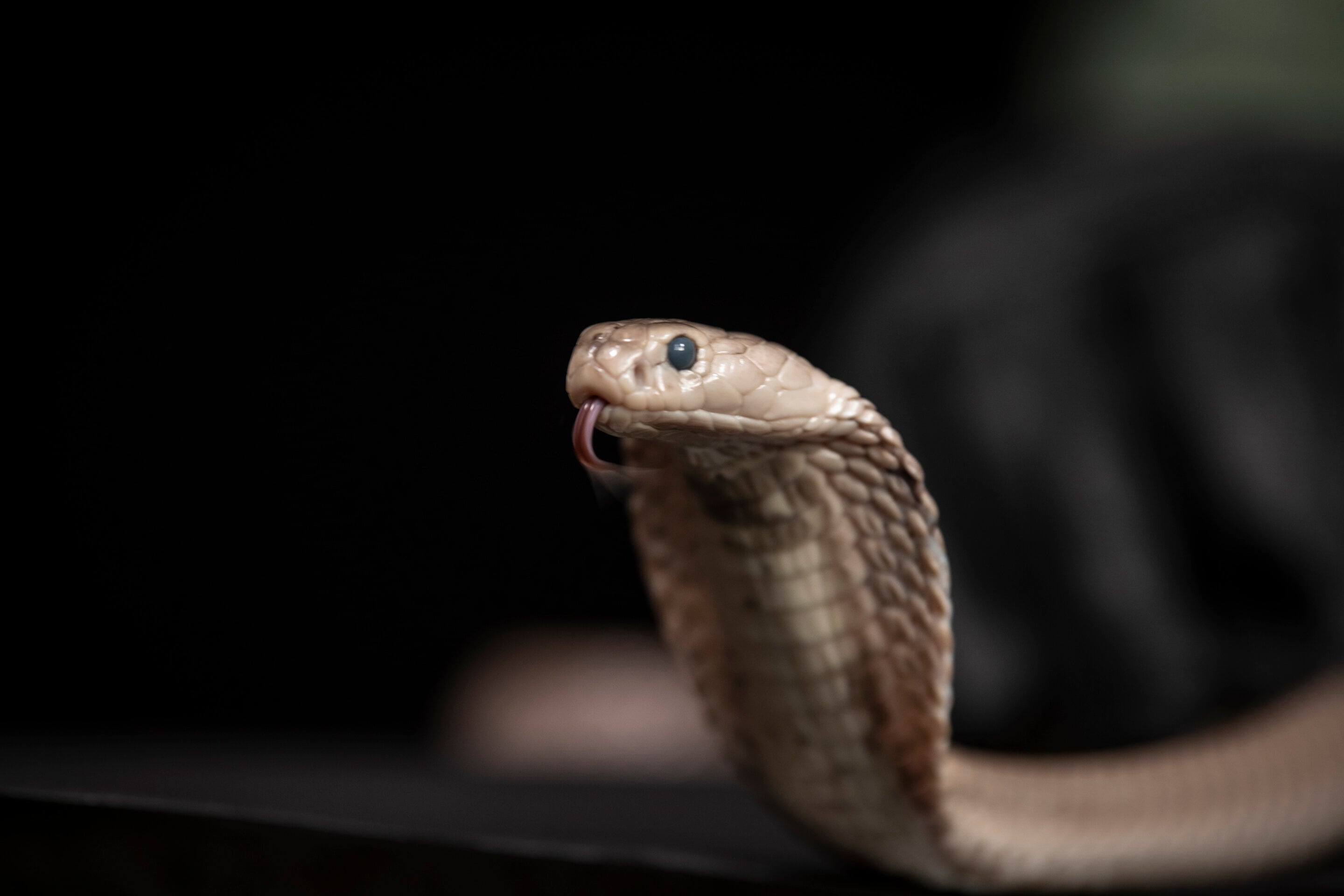
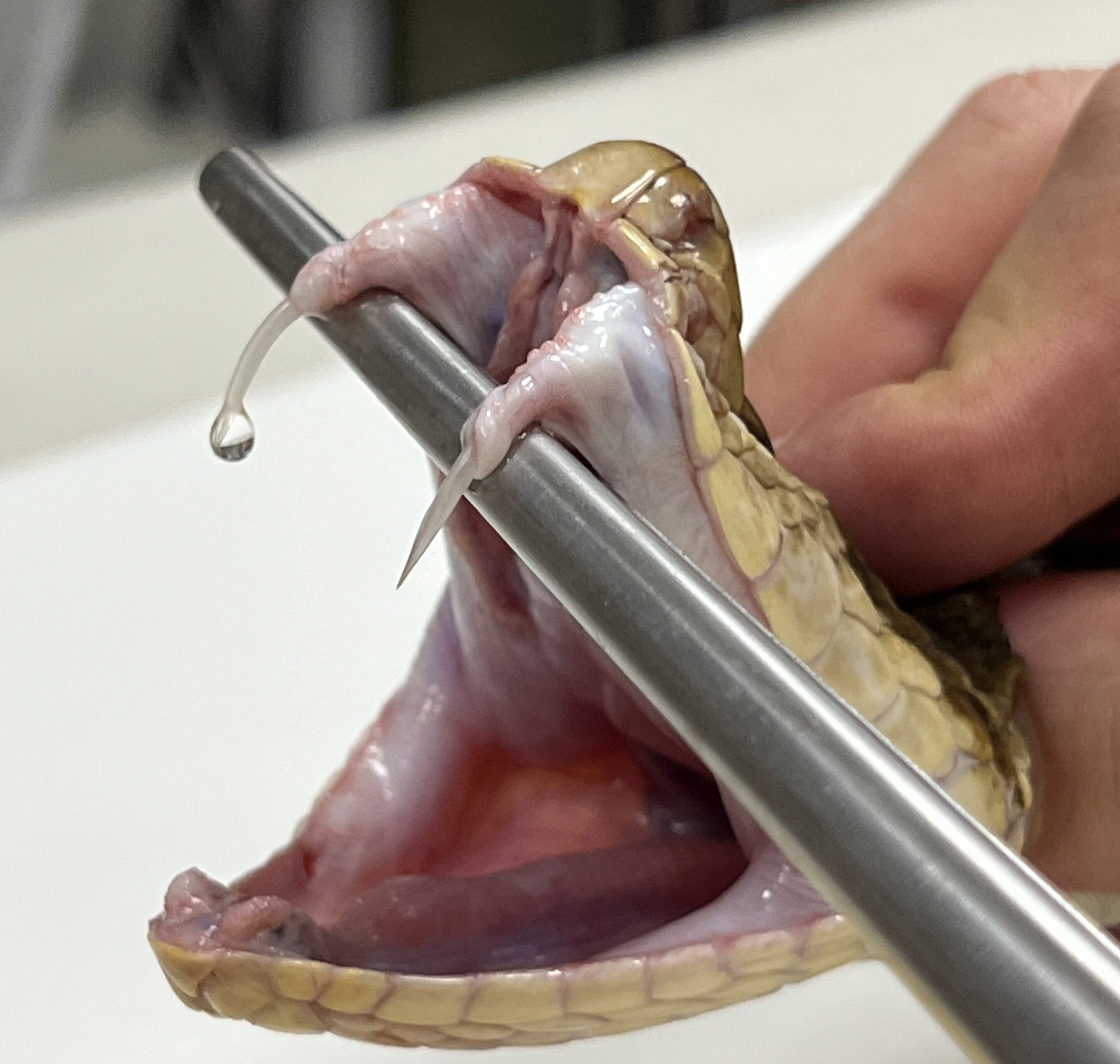
Scientists at Scripps Research Institute have identified a potential universal antivenom for snakebites by screening human antibodies and discovering one that counteracts a protein in venom found in various snake species. The antibody, called 95Mat5, protected mice against venom from snakes including king cobras and black mambas. This breakthrough could be crucial for low and middle-income countries with high snakebite burdens, as existing antivenoms are specific to individual snake species. The researchers are now pursuing other broadly neutralizing antibodies to potentially create a universal antivenom cocktail against medically relevant snake venoms.
Scientists have made a significant breakthrough in developing a universal antivenom that can protect against the venom of various deadly snakes, including the black mamba and king cobra. The newly discovered human antibody, 95Mat5, has shown promising results in animal trials by preventing paralysis and death caused by venom from different elapid snakes. While this development is a crucial step forward, further research and clinical trials are needed before the antivenom can be made available for use in patients.
Researchers at Scripps Research have developed an antibody that can block the effects of lethal toxins in the venoms of a wide variety of snakes found throughout Africa, Asia, and Australia, representing a significant step toward creating a universal antivenom. The antibody, called 95Mat5, protected mice from the venom of snakes including black mambas and king cobras, and works by mimicking the structure of the human protein that the toxins usually bind to. This synthetic antibody could potentially work as a universal antivenom against medically relevant snake venoms worldwide, and the researchers are now pursuing broadly neutralizing antibodies against other snake toxins.
Researchers have discovered that an antibody, previously considered a promising antidote to snake venom, can actually enhance the venom's potency under certain conditions, leading to the death of mice in experiments. This phenomenon, known as antibody-dependent enhancement of toxicity (ADET), has not been observed before in connection with animal toxins. The findings could have significant implications for the development of antivenom and highlight the need for thorough testing of antibodies to ensure their effectiveness in neutralizing dangerous snake venoms.
An interim analysis of an advanced clinical trial sponsored by the National Institute of Allergy and Infectious Diseases (NIAID) has shown that a monoclonal antibody treatment called omalizumab significantly increased the amount of multiple common foods that food-allergic children and adolescents could consume without experiencing an allergic reaction. The trial, called OUtMATCH, aims to assess the efficacy of omalizumab in reducing allergic reactions to small amounts of food allergens. The positive results have led to a recommendation to halt enrollment in the first stage of the trial, and the FDA is reviewing a supplemental biologics license application for omalizumab for food allergy based on this interim analysis.
Researchers at Cold Spring Harbor Laboratory have developed a synthetic antibody, RD-43, that targets the PTPRD enzyme, which is overabundant in some breast cancers. By binding to the enzyme, the antibody draws pairs of PTPRD proteins together, leading to their inactivation and destruction. In laboratory tests, breast cancer cells became less invasive when treated with the antibody. This breakthrough could pave the way for new treatment strategies and drug development in breast cancer.
Roche has presented preliminary data at the Clinical Trials on Alzheimer's Disease conference for a new antibody based on gantenerumab, which has been modified to more easily cross the protective blood-brain barrier. This comes after the previous failure of gantenerumab to slow cognitive decline in a pivotal study due to unexpectedly low amyloid removal. Roche remains committed to finding a treatment for Alzheimer's disease.
The FDA has approved Regeneron's monoclonal antibody, Veopoz (pozelimab), as the first treatment for Chaple disease, a rare hereditary immune disease affecting fewer than 100 people worldwide. The drug is expected to be available to patients this quarter and can be used to treat both adults and children aged one and older, who may experience severe gastrointestinal issues or blood clots due to the condition.
Researchers have developed a novel antibody, Ab-IPL-IL-17, that targets a specific amino acid sequence in interleukin-17A and interleukin-17F, which play a crucial role in autoimmune diseases like rheumatoid arthritis and inflammatory bowel disease. The antibody has shown potent anti-inflammatory activity in animal and tissue studies, without triggering unwanted side effects. It is as effective as the current gold-standard treatment for rheumatoid arthritis in halting disease progression and triggering resolution. The researchers are seeking commercial partners for large-scale clinical evaluation of Ab-IPL-IL-17 in patients with immune-mediated inflammatory diseases.
The US Food and Drug Administration (FDA) has approved nirsevimab, a new antibody called Beyfortus, to protect newborns from respiratory syncytial virus (RSV), the leading cause of hospitalization in infants under a year old in the US. Unlike vaccines, nirsevimab is a ready-made antibody that can bind to the virus and block it from infecting healthy cells. It is given as a single injection before RSV season and can also be administered to infants up to 24 months old. The FDA approval addresses the need for products to reduce the impact of RSV disease on children and the healthcare system. The Advisory Committee on Immunization Practices will next weigh in on nirsevimab's use, and the FDA is also considering approving Pfizer's vaccine for pregnant women to protect babies from RSV.
A new cancer therapeutic, combining antibody fragments with molecularly engineered nanoparticles, permanently eradicated gastric cancer in treated mice. The drug delivery system, called Cornell prime dots (C’ dots), is a versatile and adaptable treatment for various cancer types, with minimal side effects and toxicity. The C’ dots are small enough to penetrate tumors and safely pass through organs once injected into the body. The final product was a version of C’ dots, armed with cancer-targeting antibody fragments and a large drug payload, all packed into a sub-7-nanometer, drug-immune conjugate therapy – a first of its kind in that size class, according to the researchers.