Tag

Twilight Zone

All articles tagged with #twilight zone

science16 days ago

Scientists Discover Missing Link in Deep Ocean

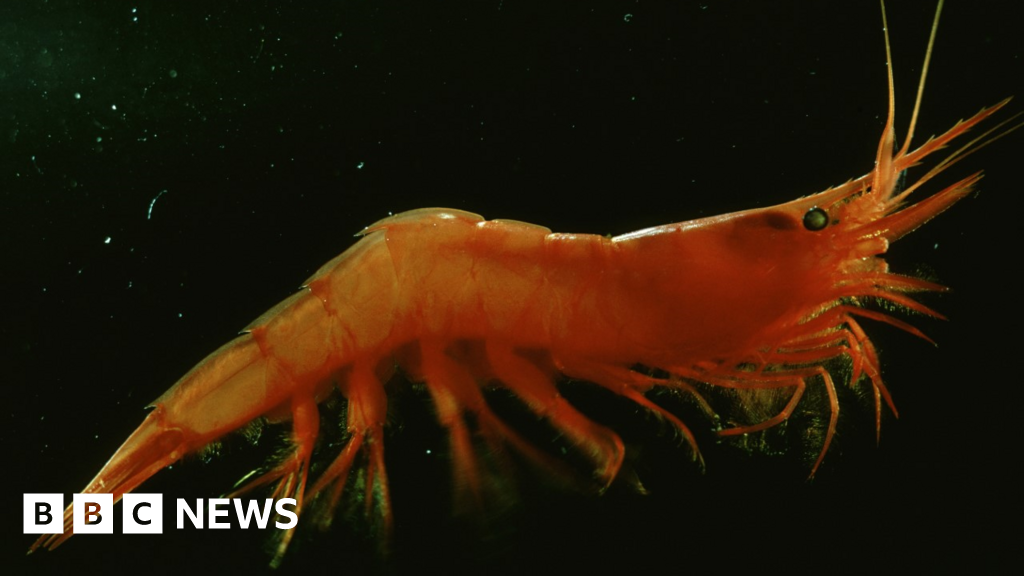
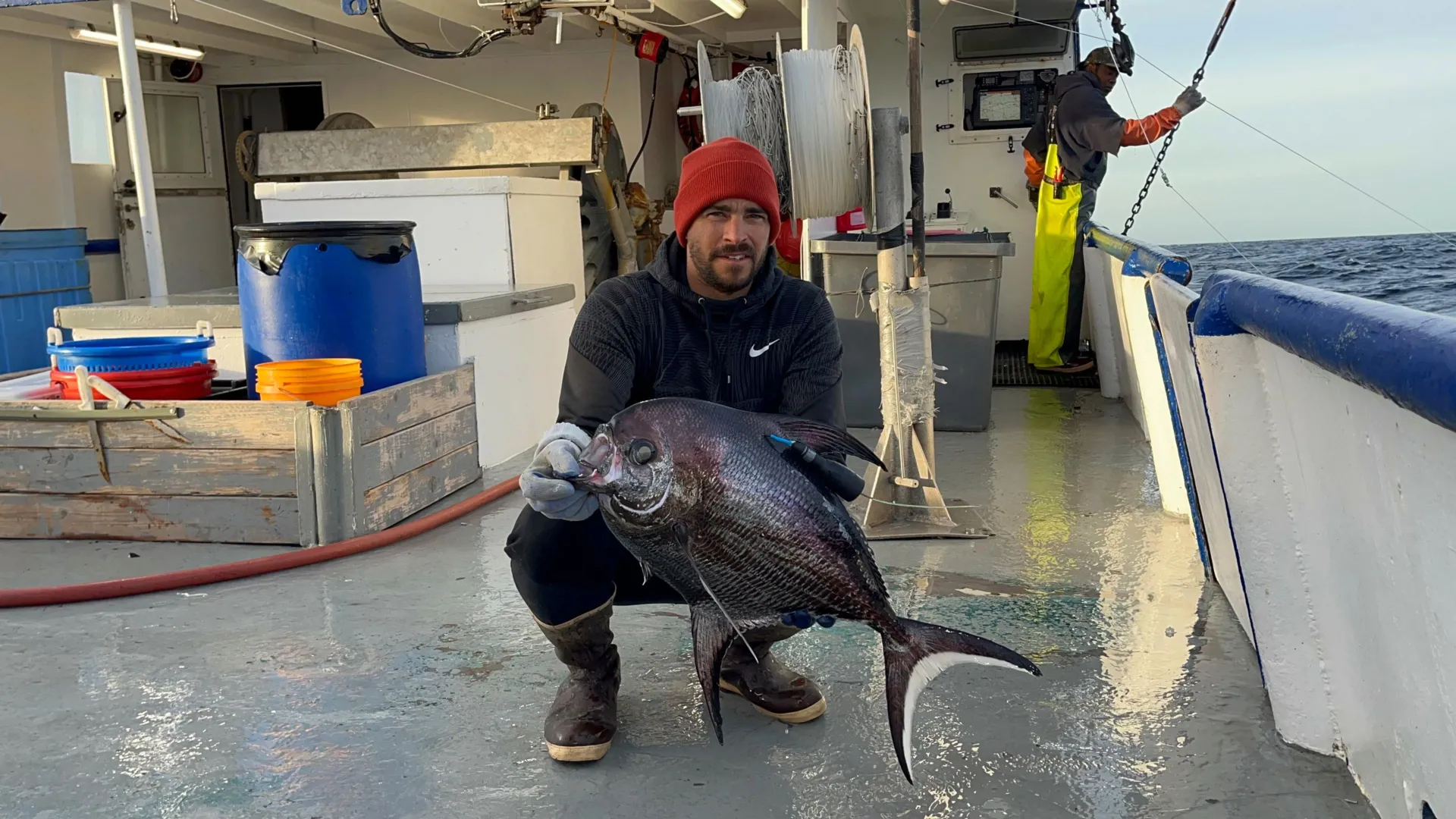
Scientists at WHOI used satellite tracking to discover that bigscale pomfret, a mid-sized fish, spend significant time in the ocean's twilight zone, acting as a crucial link between surface and deep ecosystems, and their behavior is influenced by environmental factors like water clarity, highlighting the importance of mid-sized predators in marine food webs.
marine-biology2 years ago

"Great White Sharks Venture into the Mysterious Depths of the Ocean's 'Twilight Zone'"

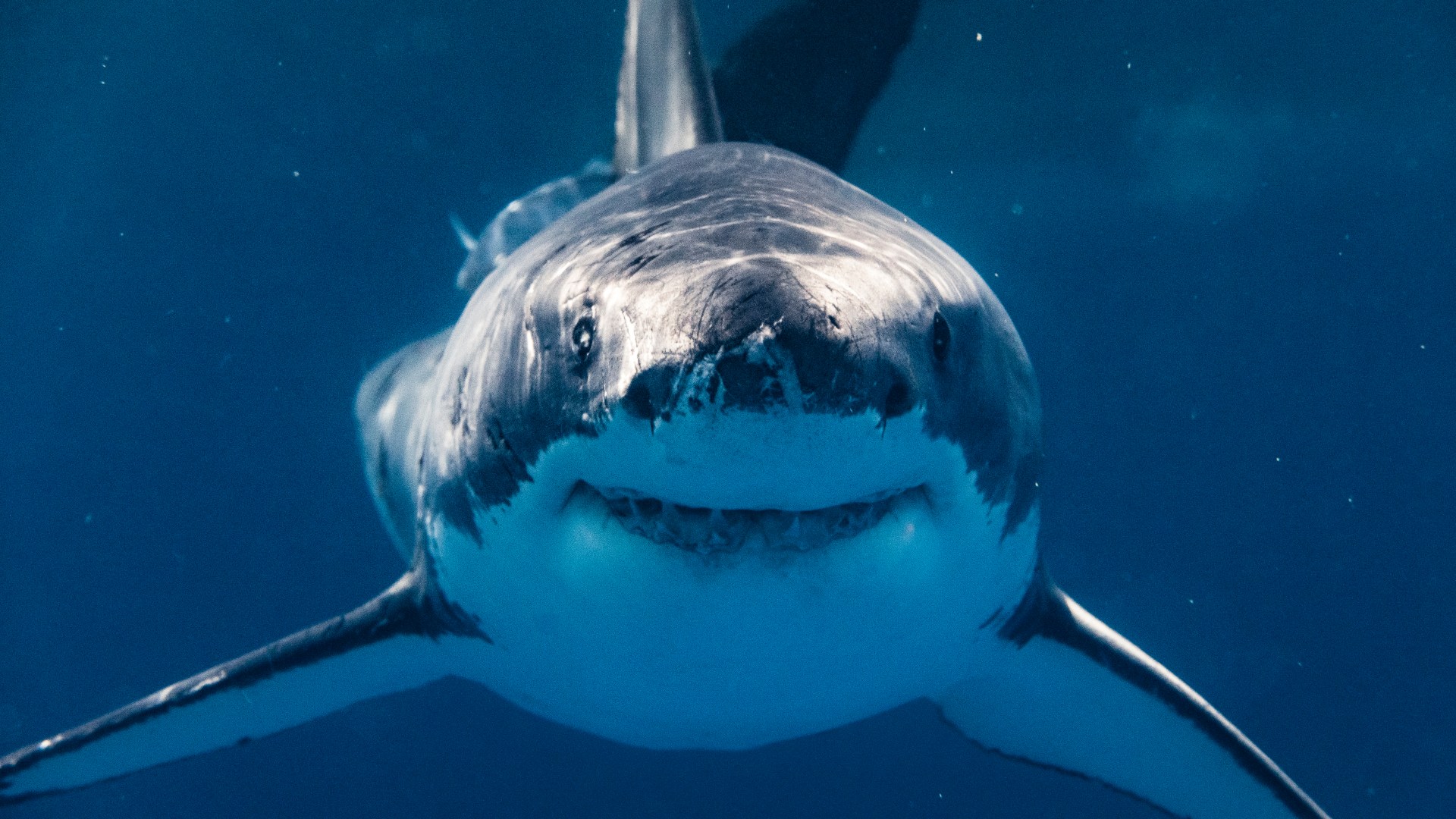
Researchers have discovered that great white sharks are diving thousands of meters deeper than usual into the ocean's twilight zone, leaving experts puzzled about the reason behind these deep dives. A study tracking 12 species of large predatory fish, including great white sharks, found that they frequently ventured into the twilight zone and even deeper into the midnight zone. The purpose of these visits to the dark depths, where little light penetrates, remains unclear as these animals typically feed in shallower waters. The findings suggest that the twilight zone is an overlooked crucial habitat for marine life, and further research is needed to understand the predator-prey interactions and resources in this region.

science2 years ago

Mysterious Twilight Zone Encounters: Great White Sharks Baffle Scientists

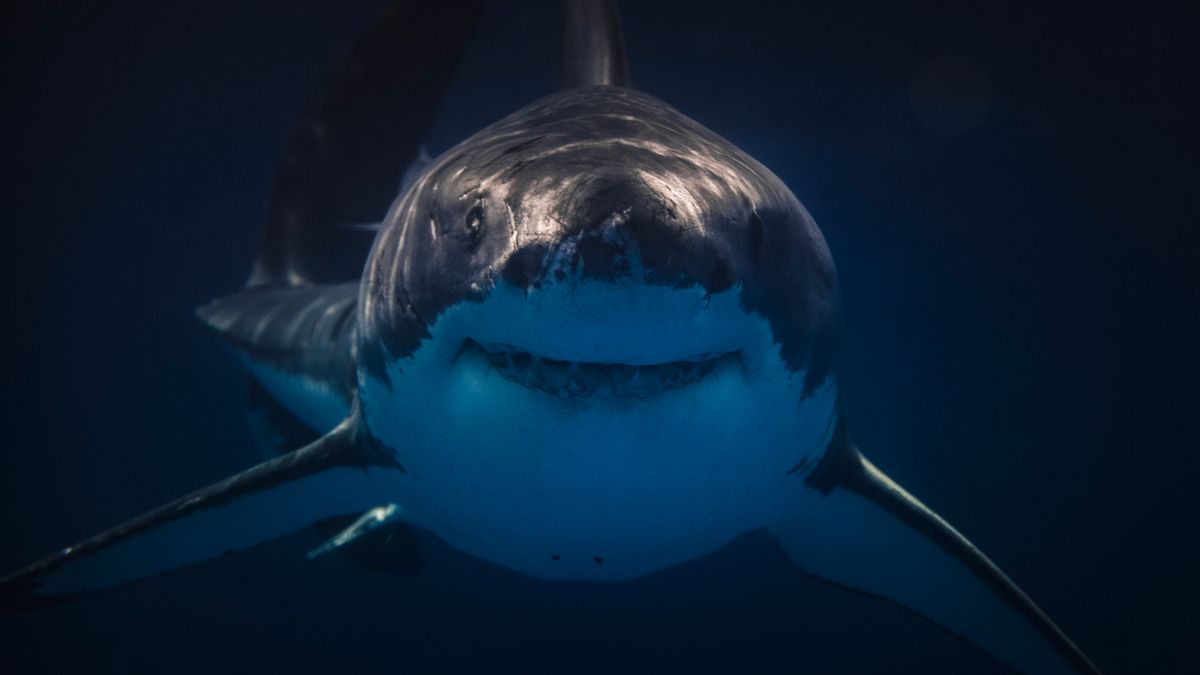
Great white sharks and other large marine predators have been observed diving into the twilight and midnight zones of the ocean, far below their feeding depths, leaving scientists puzzled. A study analyzed the diving patterns of various predatory fish and found that they regularly spend time in the mesopelagic zone, between 656 and 3,280 feet, and even in the midnight zone, 3,280 to 9,800 feet beneath the surface. The presence of these predators in these zones suggests that the deep ocean is an important habitat, possibly due to the abundance of prey in the deep scattering layer. The study highlights the need to understand and protect this overlooked ecosystem.

science-and-environment2 years ago

Threats to Bioluminescent Marine Creatures in the Twilight Zone

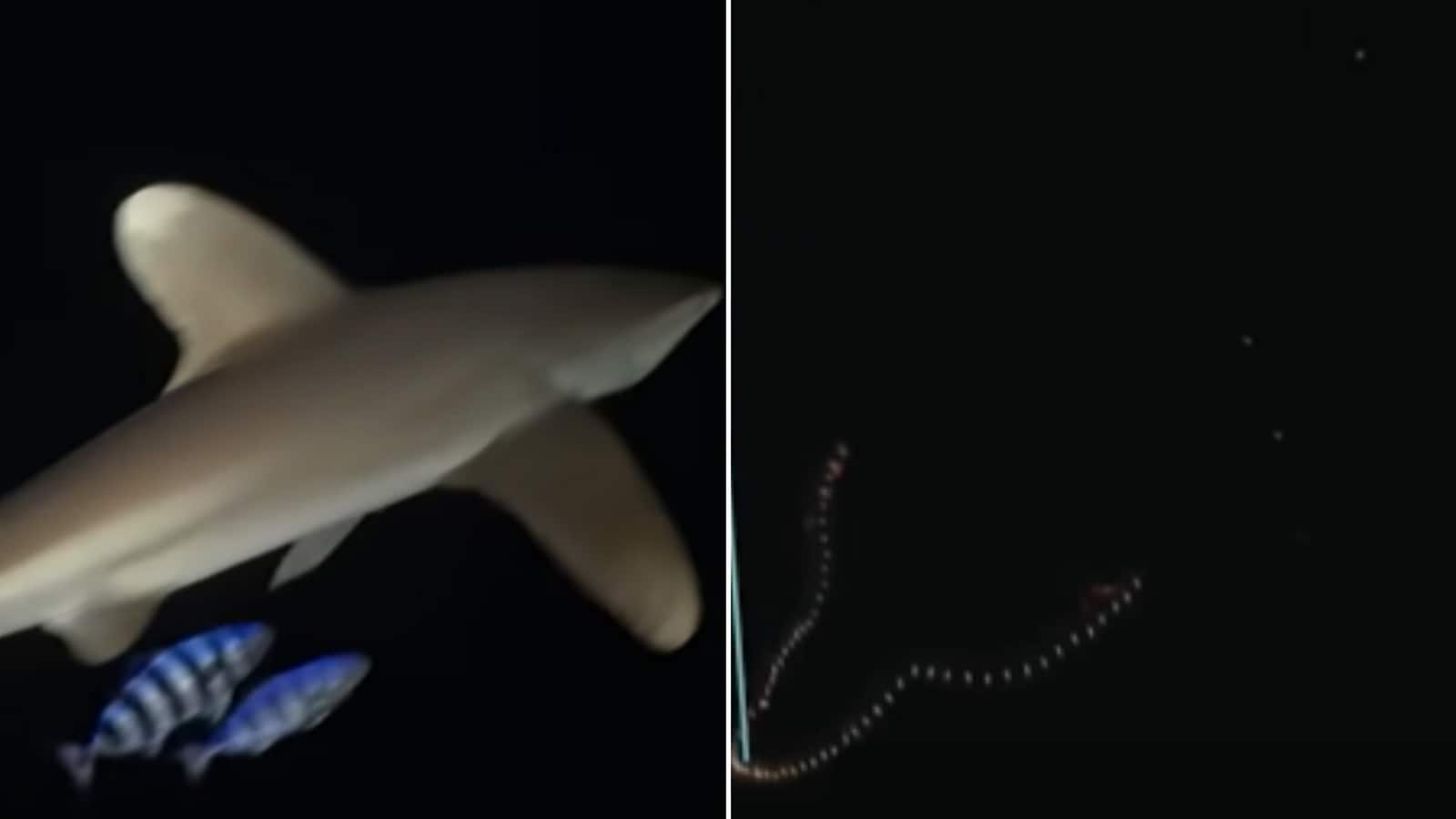
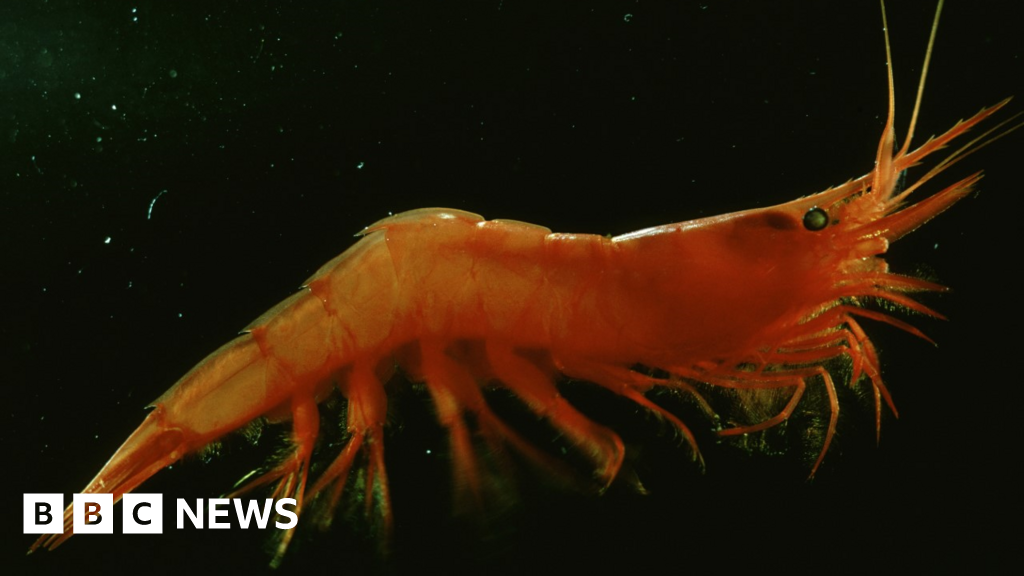
The Woods Hole Oceanographic Institution (WHOI) shared a video captured by two robots that were dropped into the twilight zone of the ocean during the Nautilus Live expedition. The twilight zone is the area between 200 and 1,000 meters below the surface and is home to a diverse range of marine animals and organisms. The robots recorded rare glimpses of these creatures, providing valuable insights into this mysterious underwater world. The video has garnered positive reactions from netizens, with viewers appreciating the beauty and tranquility of the footage.

film-industry2 years ago

The Tragic Legacy of Twilight Zone: The Movie.

The 1983 movie adaptation of Twilight Zone was marred by a tragic accident that resulted in the deaths of three actors, including two children. The incident led to the creation of safety regulations and committees in Hollywood, but on-set injuries and deaths still occur. The tragedy highlights the need for the entertainment industry to prioritize the safety and well-being of its workers.

entertainment2 years ago

The Legacy of 'Twilight Zone: The Movie' 40 Years Later.

The tragic accident on the set of "Twilight Zone: The Movie" in 1982, which resulted in the deaths of actor Vic Morrow and two child actors, led to a major overhaul of safety regulations in the film industry. The incident rocked Hollywood and led to a drawn-out trial, but it also resulted in the creation of Safety Bulletins, a list of standards to address special effects ranging from gunfire to pyrotechnics. The legacy of the movie may be tainted, but it led to enduring progress in how movies and TV shows are made, with safety becoming the number one priority.

environment2 years ago

Warming oceans threaten life in the 'twilight zone'.

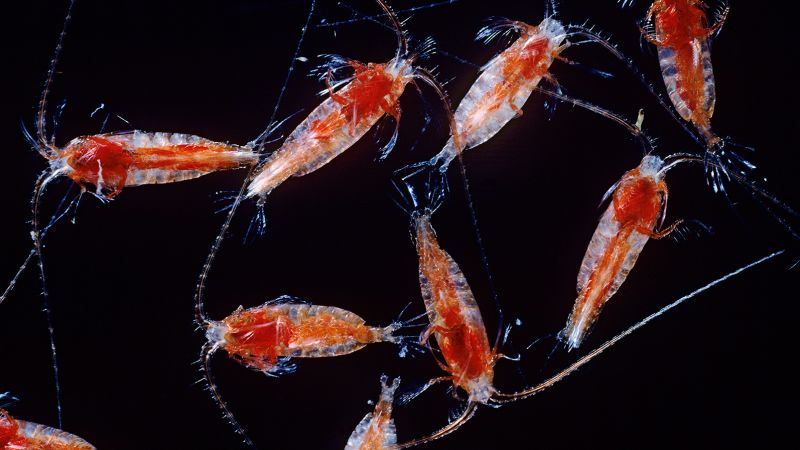
Climate change could reduce life in the ocean's twilight zone by up to 40% by the end of the century, according to new research. The twilight zone, which lies between 200m and 1,000m, is a vital habitat for marine life and serves as a carbon sink. Scientists found that during warmer periods in Earth's history, fewer organisms lived in the zone because bacteria degraded food more quickly, meaning less of it reached the twilight zone from the surface. The study warns that unless greenhouse gas emissions are rapidly reduced, much of the twilight zone life could disappear or become extinct within 150 years.

environment2 years ago

Warming oceans threaten life in the 'twilight zone'.

Climate change could reduce life in the ocean's twilight zone by up to 40% by the end of the century, according to new research. The twilight zone, which lies between 200m and 1,000m, is a vital habitat for marine life and serves as a carbon sink. Scientists found that during warmer periods in Earth's history, fewer organisms lived in the zone because bacteria degraded food more quickly, meaning less of it reached the twilight zone from the surface. The study warns that unless greenhouse gas emissions are rapidly reduced, much of the twilight zone life could disappear or become extinct within 150 years.

environment2 years ago

Climate crisis threatens life in ocean's twilight zone.

The climate crisis could reduce life in the ocean's mesopelagic zone, also known as the "twilight zone," by 20% to 40% by the end of the century, according to new research. The region, which accounts for a quarter of the ocean's volume, is home to billions of metric tons of organic matter and some of Earth's most stunning biodiversity. The study warns that if greenhouse gas emissions continue, the ocean region's life could be severely depleted within 150 years, and recovery may not be possible for thousands of years.

environment2 years ago

Climate change threatens life in ocean's twilight zone.

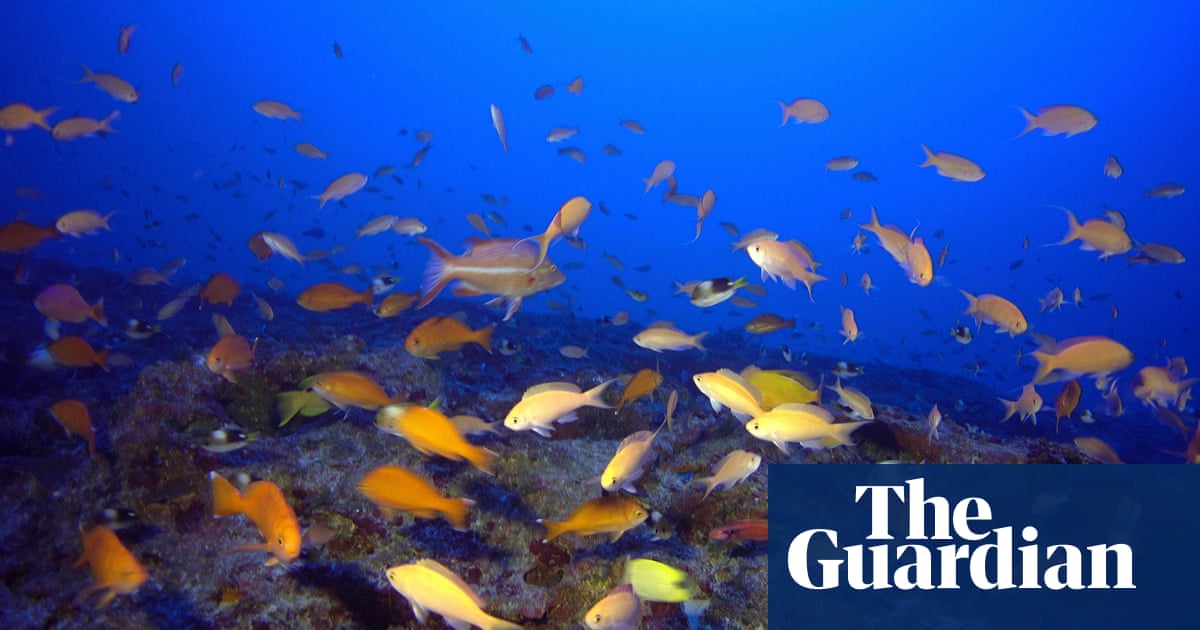
Life in the ocean’s twilight zone, which lies between 200 metres and 1,000 metres below the surface, is expected to face dramatic declines and even extinction as seas warm and less food reaches the dimly lit waters. Up to 40% of life in the twilight waters could be gone by the end of the century, according to a study published in Nature. Recovery could take thousands of years. Warmer oceans also reduced carbon storage, leading to faster carbon release. The study offered three possible futures for the twilight zone, and significant changes may already be under way.

astronomy2 years ago

The Possibility of Life in the 'Terminator Zones' of Alien Planets

Tidally locked planets, with one side always facing their star, could be habitable in the twilight zone between eternal day and night. A team of researchers modeled the climate conditions on these planets and found that planets with a mix of water and dry land could sustain a temperate zone where liquid water and life as we know it could exist. These planets are likely to be common around M-type stars, which account for 70% of the stars in our cosmic neighborhood.