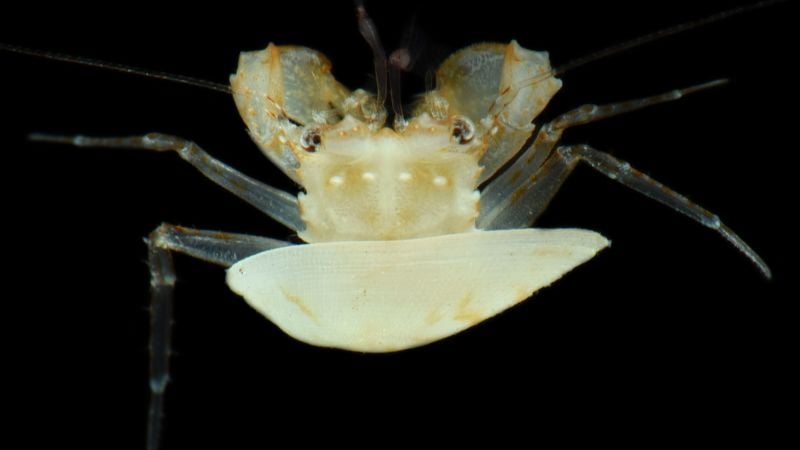
Scientists from the California Academy of Sciences conducted deep dives into Guam's ocean twilight zone, discovering new species and gathering data on climate change impacts, revealing that even these deep, previously thought to be protected, waters are affected by human activity and warming temperatures.
Liquid breathing, the concept of breathing in oxygen-rich liquids, has been tested on animals and humans and is used clinically to provide oxygen to patients during mechanical ventilation. While it has potential benefits for deep sea divers and astronauts facing excessive G-forces, challenges such as impaired carbon dioxide elimination and the difficulty of mechanically ventilating someone in space remain. Although the concept has been explored in various works of fiction, its practical application outside of medical use presents significant hurdles.
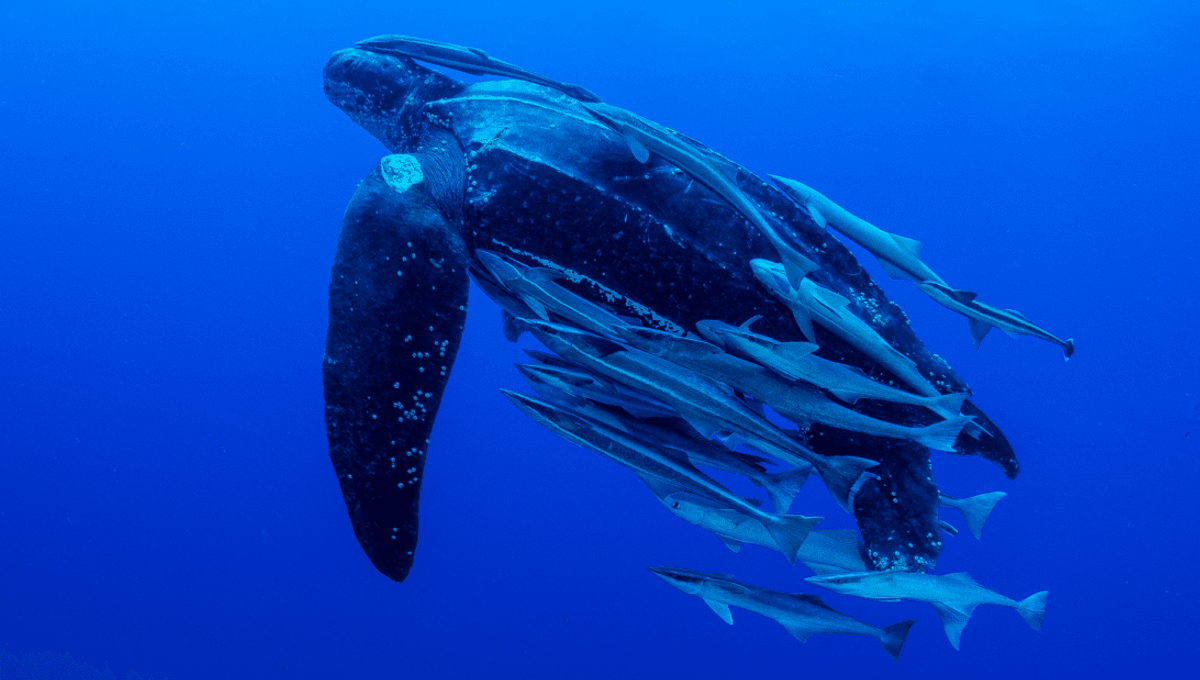
The ocean is home to a variety of animals that can dive to extreme depths. Some of the deepest diving animals include Emperor penguins, which can swim down to 500 meters and lower their heart rate to avoid decompression sickness; Leatherback turtles, which can dive to 1,200 meters and use gliding techniques to avoid the bends; Whale sharks, the largest fish, which have been recorded diving to 1,928 meters and may forage in the deep scattering layer; Sperm whales, which can dive to 2,250 meters and have specialized adaptations to withstand the pressure; and Cuvier's beaked whales, which hold the record for the deepest dive at 2,992 meters and can shut down certain organs to survive on long dives.
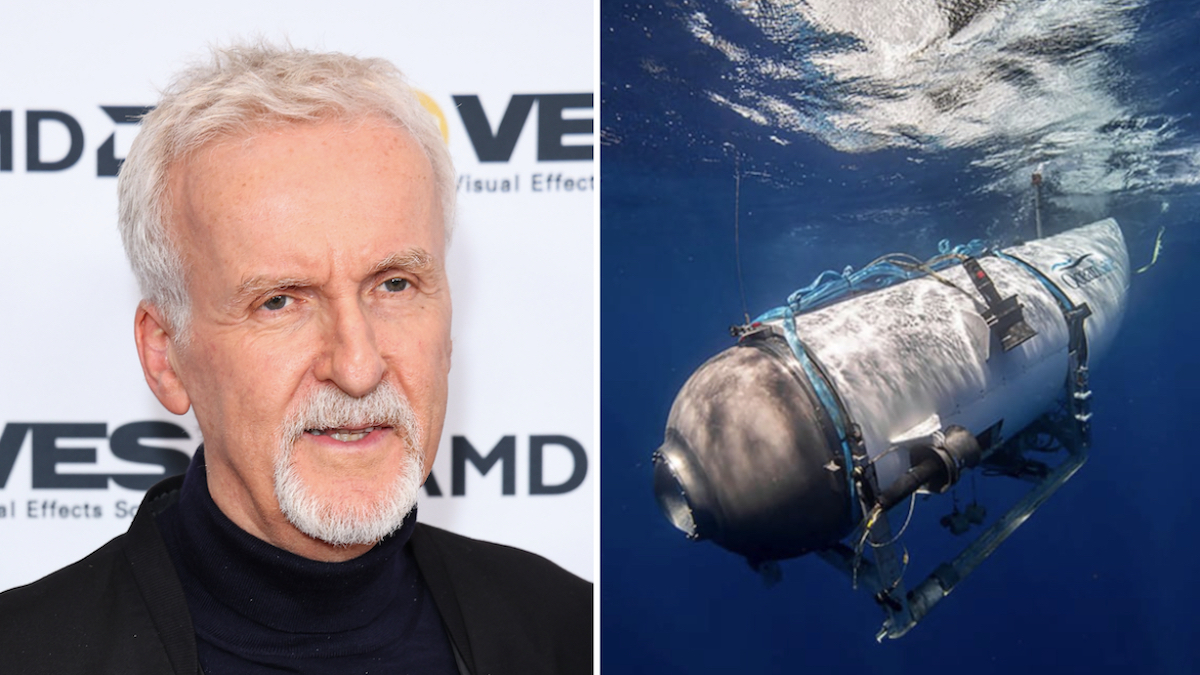
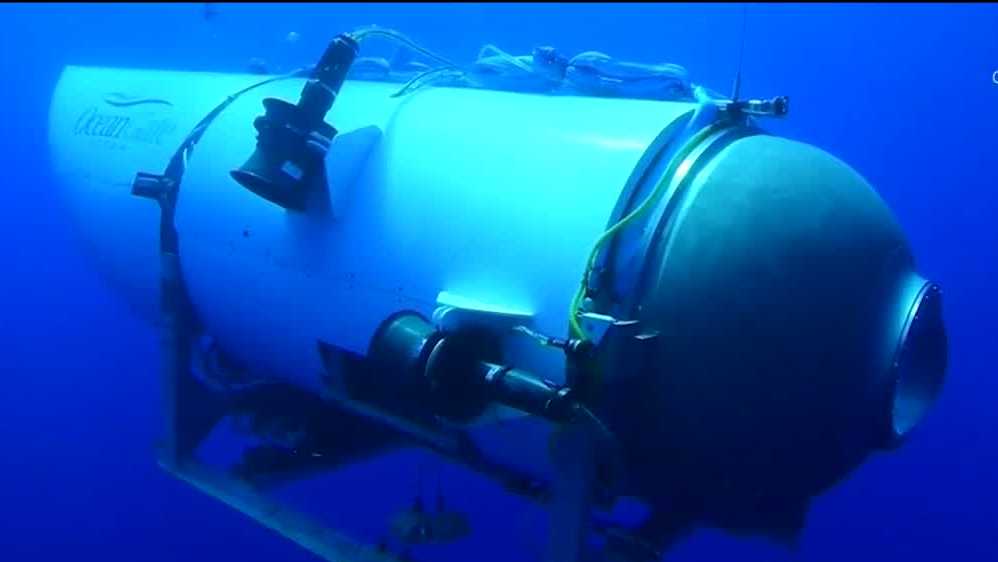
James Cameron, director of Titanic, compared the implosion of the Titan submersible to the Titanic disaster, stating that warnings about the vehicle's structure went unheeded. Cameron designed a submersible that traveled to the Mariana Trench and followed rigorous safety protocols. The Titan, however, was driven with a PlayStation controller and ignored warnings from the deep submergence engineering community. The submersible was carrying five passengers, including the founder and CEO of parent company OceanGate Expeditions, when it imploded.
A former passenger of OceanGate's Titan submersible, which is currently missing off the coast of southeast Canada, has recalled communication problems during his dives. The vessel lost contact with its host ship on every expedition he took, according to Mike Reiss, a New York writer and former showrunner of "The Simpsons." The missing vessel, which was carrying its pilot and four passengers, is predicted to run out of oxygen on Thursday morning. Rescuers are searching for the crew and have rushed additional search equipment to the area.
Stephen Wood, a professor and chair of the Ocean Engineering Department at the Florida Institute of Technology, sheds light on the potential fate of the missing Titanic submersible. Wood explains that the immense pressure at that depth can be unforgiving and deadly with the slightest hull issue. If there was a catastrophic failure, the whole thing goes immediately, and nobody's alive. The search for answers continues as the latest updates on the missing Titanic submersible and the efforts to locate it unfold.
James Cameron shared a terrifying story about his failed solo dive to the New Britain Trench, where things started to fail at around 26,000 feet deep due to a single line of code that he had asked to be written. He lost control of the lighting systems, propulsion, and more, preventing him from reaching the bottom. However, a decision he made a year prior ultimately saved his life. He insisted on a dedicated circuit for the ballast system, which allowed him to come back to the surface.
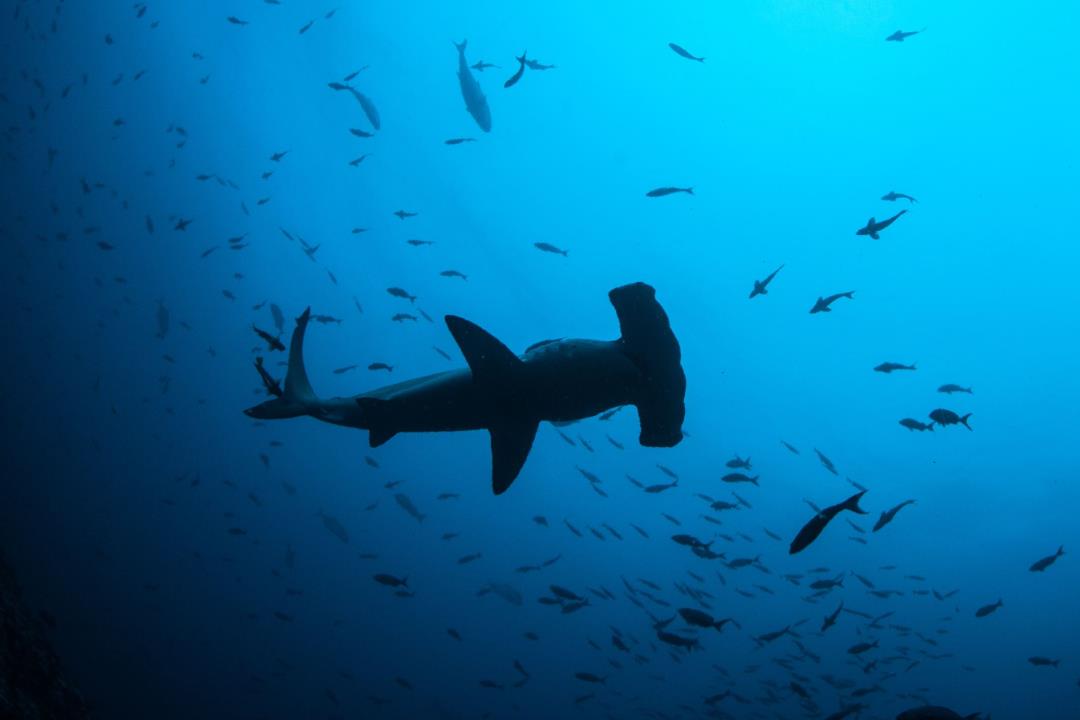
Researchers have discovered that scalloped hammerhead sharks hold their breath and seal their gills while diving more than half a mile below the ocean's surface to prevent heat from escaping through their gills at the deepest, coldest depths. This behavior, witnessed for the first time in fish, allows the sharks to maintain their body temperature at around 75 degrees Fahrenheit, even in water as cold as 39 degrees Fahrenheit. The discovery could help address potential vulnerabilities associated with changing ocean conditions or future human exploitation of these deep foraging habitats, as the scalloped hammerhead shark is a globally endangered species.
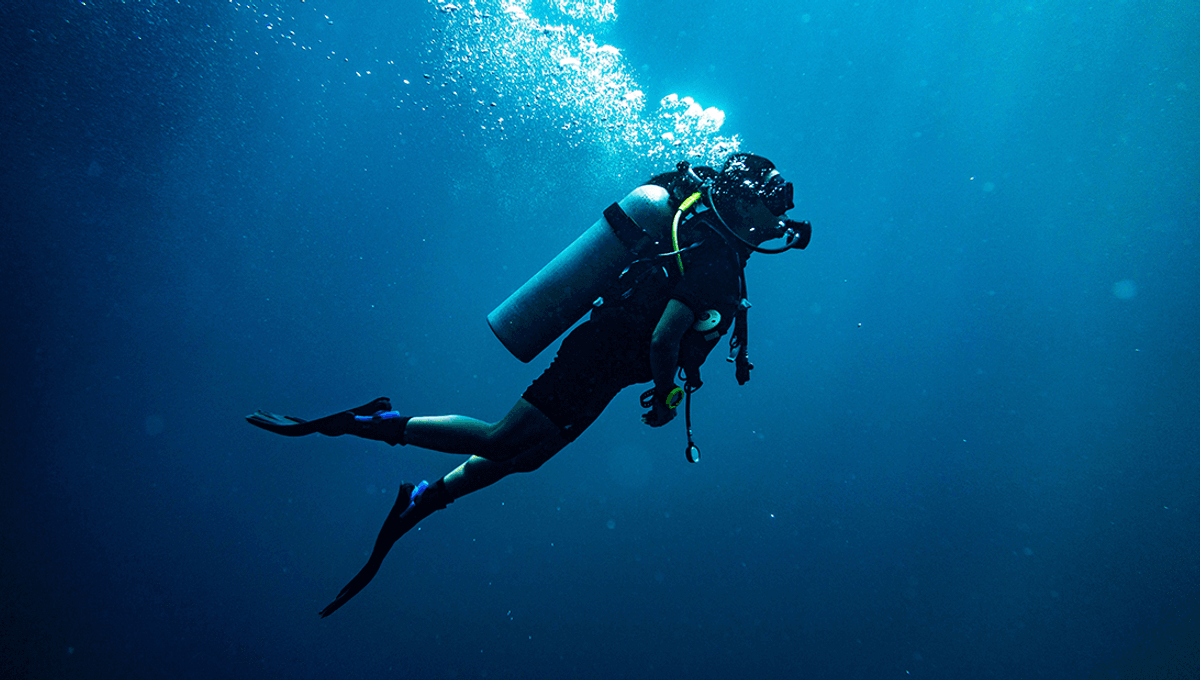
The US Navy has developed a new Deep Sea Expeditionary with No Decompression (DSEND) suit that maintains steady internal pressure, eliminating the risk of decompression sickness and allowing divers to work for extended periods at great depths. The suit’s design facilitates natural movement, reducing diver fatigue, and its future development includes at-sea testing in realistic environments. The DSEND suit is a game-changer for deep-sea diving, allowing divers to conduct harder missions by going deeper, executing faster, and operating longer, all while being protected by a sensorized suit of armor.