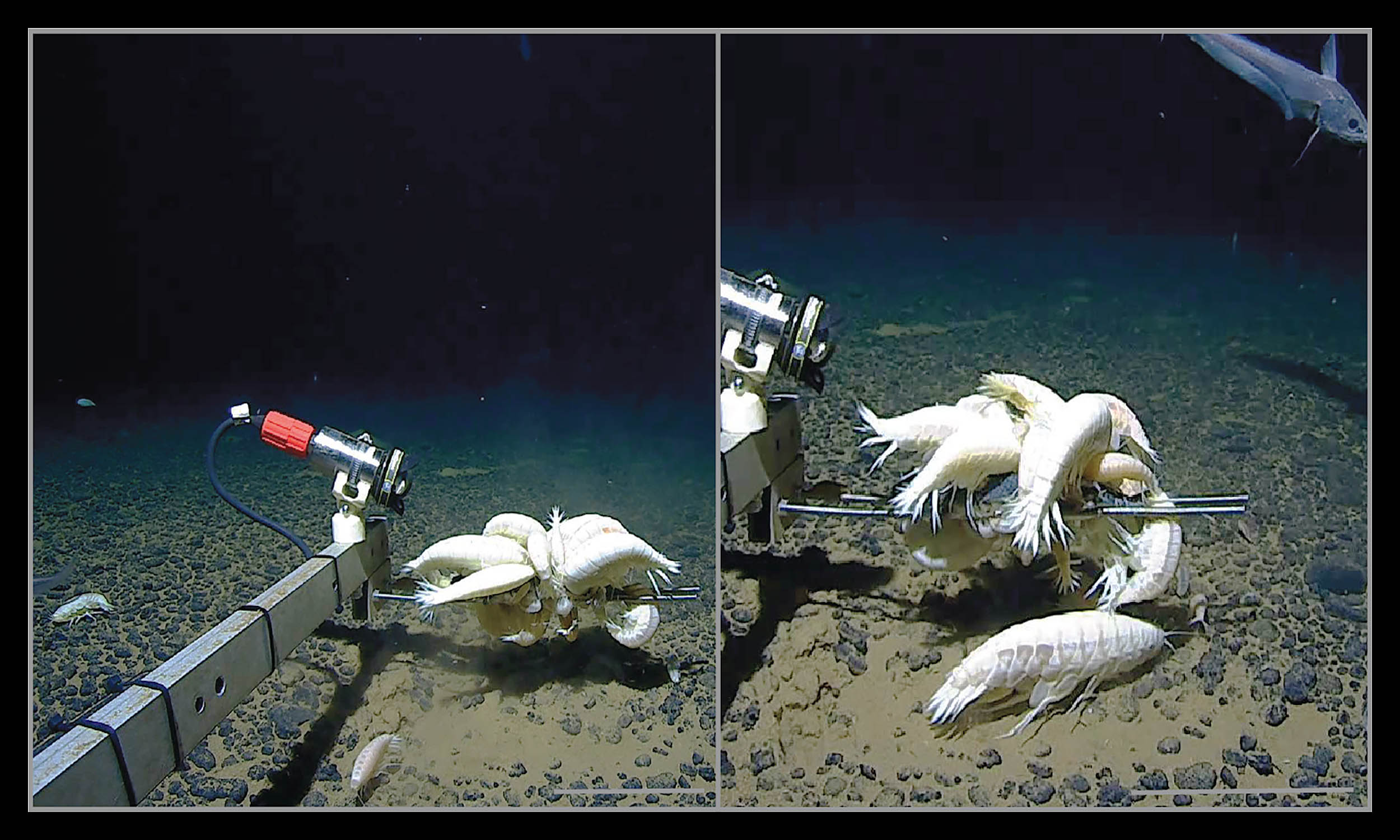
A new study reveals that the supergiant amphipod Alicella gigantea, previously thought to be rare, is actually widespread across the world's deep oceans, inhabiting trenches and plains in the Pacific, Atlantic, and Indian Oceans, challenging previous assumptions about its rarity and highlighting the vast, unexplored biodiversity of the deep sea.
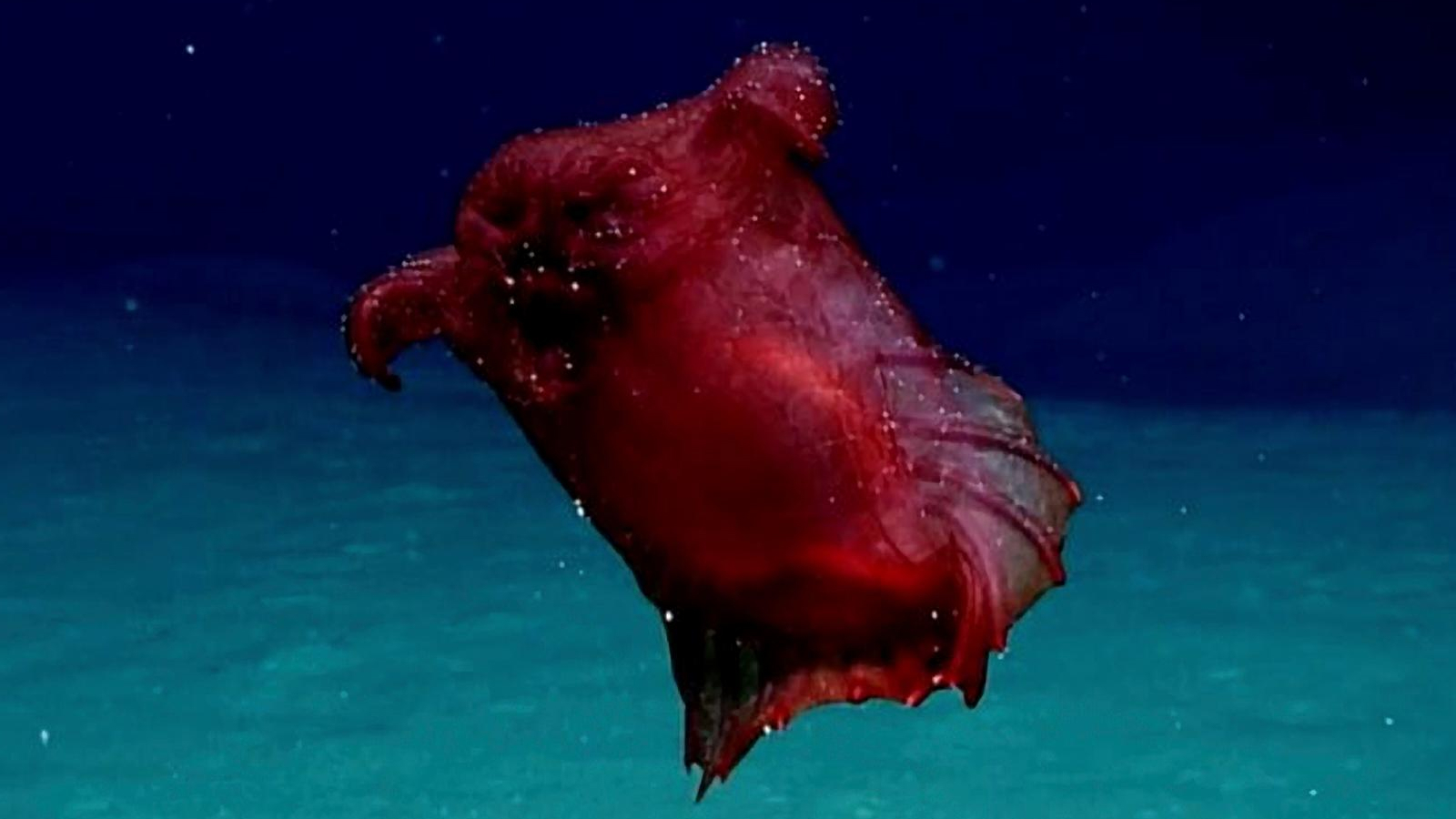
The headless chicken monster, scientifically known as Enypniastes eximia, is a deep-sea cucumber that lives below 1,600 feet, feeding on marine snow and using tube feet to scoop sediment. It can swim and avoid predators by swimming upright, sometimes defecating to lighten itself for better buoyancy. Its fragile nature makes it difficult for scientists to study, but it offers fascinating insights into deep-sea life.
Scientists have discovered a new crustacean species, Dulcibella camanchaca, in the deepest part of the Atacama Trench at nearly 8,000 meters deep, highlighting the potential for undiscovered life in Earth's extreme environments and inspiring comparisons to the search for extraterrestrial life in oceanic worlds like Europa.
A new study warns that nearly two-thirds of the deep oceans have crossed critical acidity thresholds due to increased carbon dioxide absorption from fossil fuel burning, threatening marine life, ecosystems, and coastal economies, with the most significant changes off western North America.
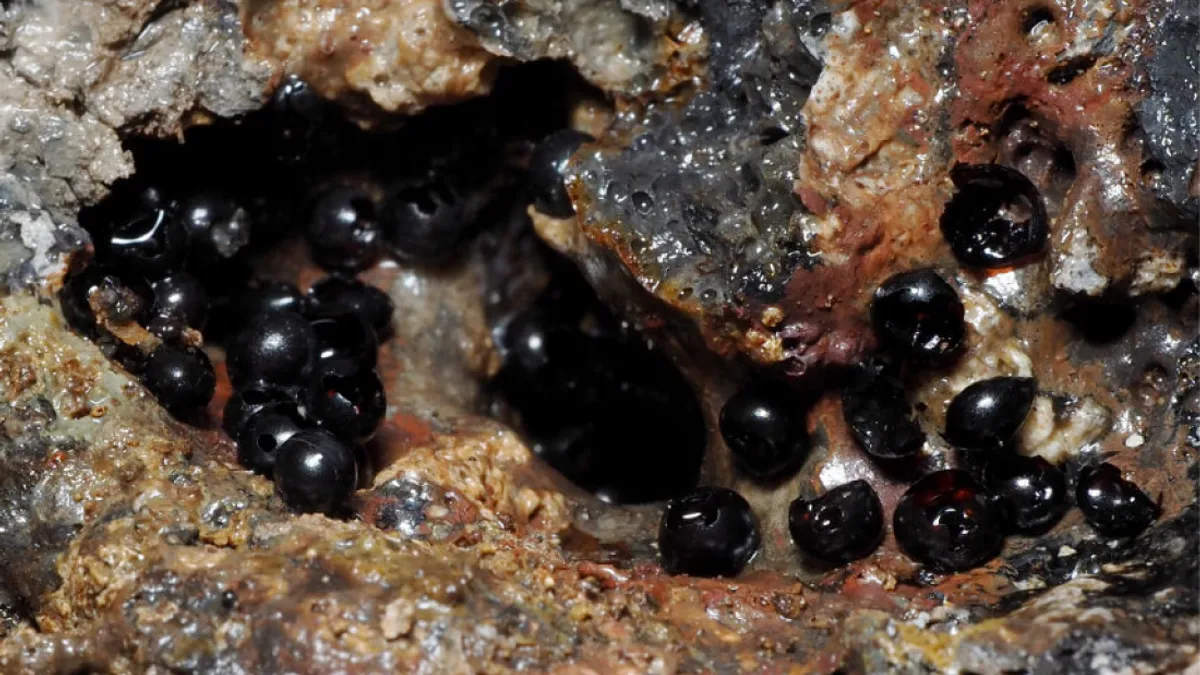
Researchers in Japan have discovered jet black egg capsules belonging to flatworms at a depth of 20,000 feet in the Kuril-Kumchatka Trench, marking the first clear evidence of these creatures living at such extreme depths. The eggs, found attached to rock fragments, contained embryos at varying stages of development and were virtually indistinguishable from their surface-dwelling counterparts. This suggests that flatworms from shallow waters may have gradually colonized deep ocean environments over time.
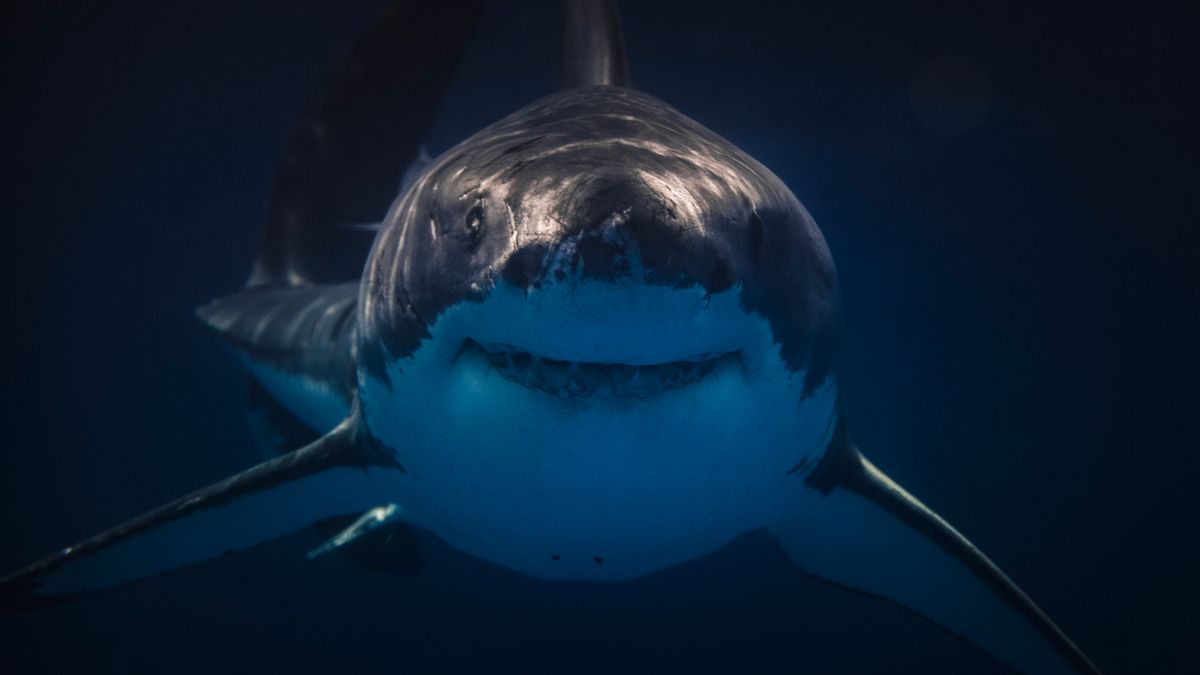
Great white sharks and other large marine predators have been observed diving into the twilight and midnight zones of the ocean, far below their feeding depths, leaving scientists puzzled. A study analyzed the diving patterns of various predatory fish and found that they regularly spend time in the mesopelagic zone, between 656 and 3,280 feet, and even in the midnight zone, 3,280 to 9,800 feet beneath the surface. The presence of these predators in these zones suggests that the deep ocean is an important habitat, possibly due to the abundance of prey in the deep scattering layer. The study highlights the need to understand and protect this overlooked ecosystem.
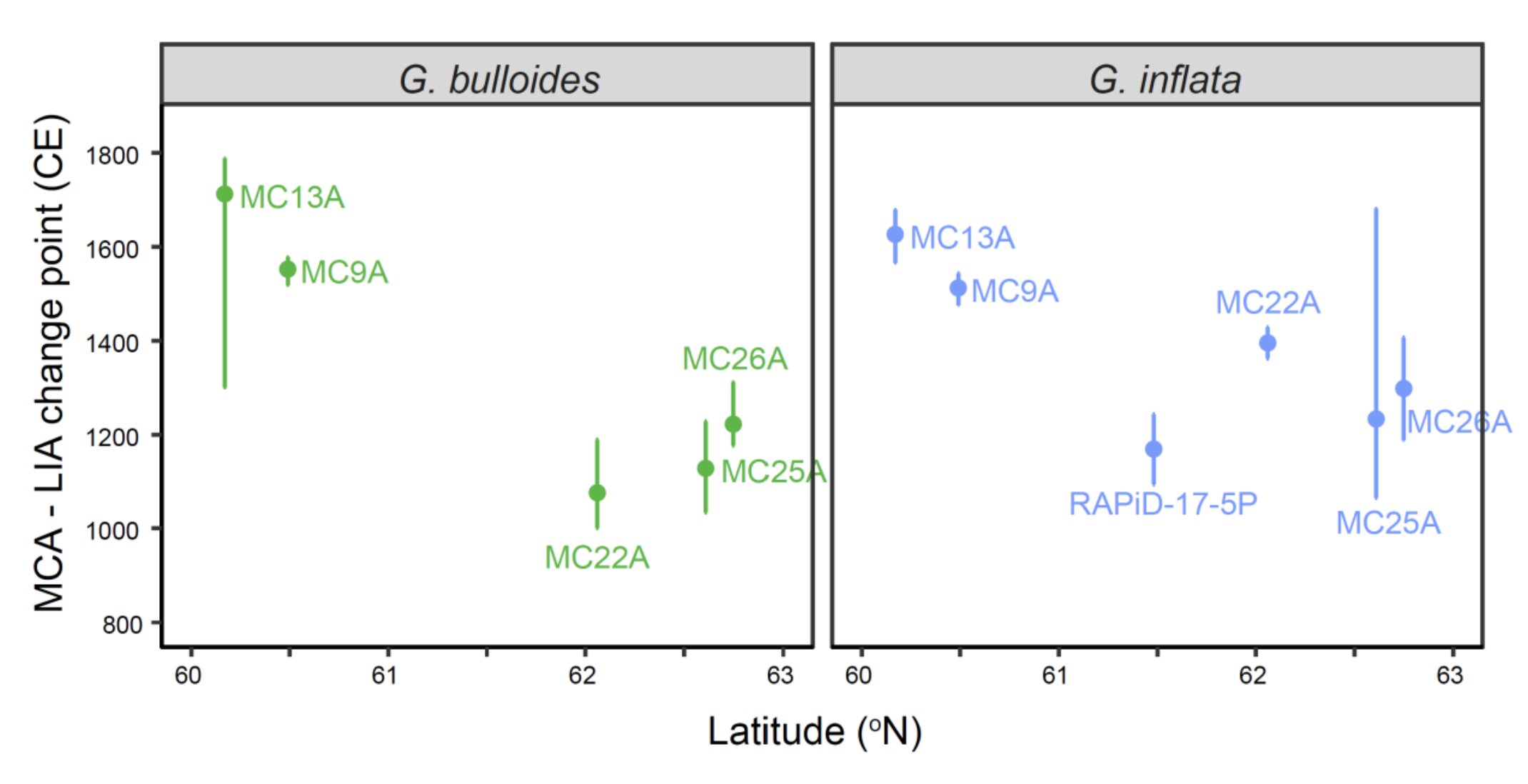
Researchers from the Woods Hole Oceanographic Institution and UCL have found that heat transferring from the surface to the deep ocean in the North Atlantic has helped reduce climate swings over the past 1,000 years. By analyzing sediment cores, the team discovered that the deep North Atlantic consistently transferred surface climate changes to the deep ocean, preventing climate changes from being more severe. This process, known as the Atlantic Meridional Ocean Circulation (AMOC), acts as a conveyor belt carrying warm surface water north and cool deep water south. The study highlights the importance of the ocean in mitigating climate change and raises concerns about the potential impact of a weakening AMOC on heat absorption in the future.
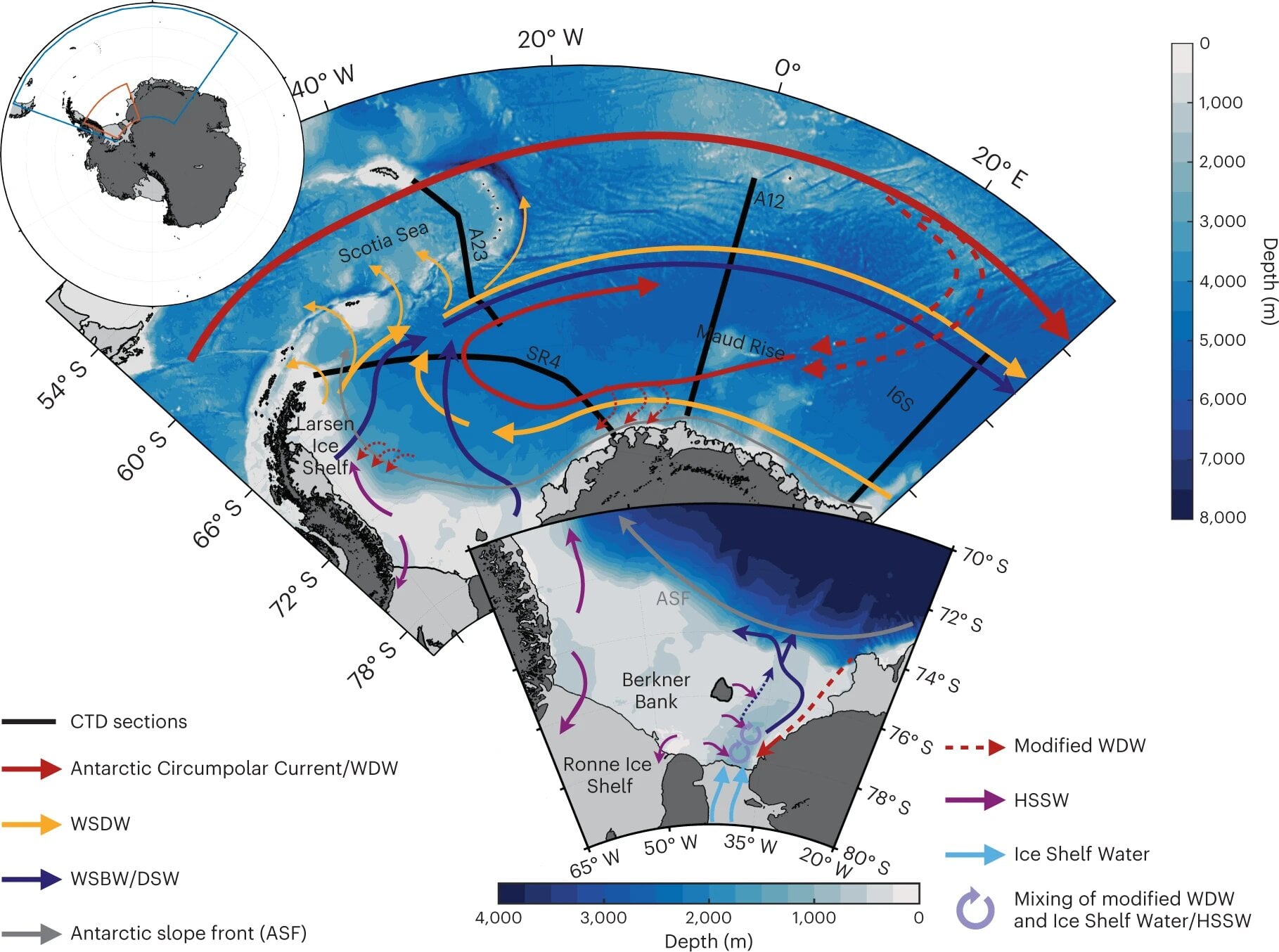
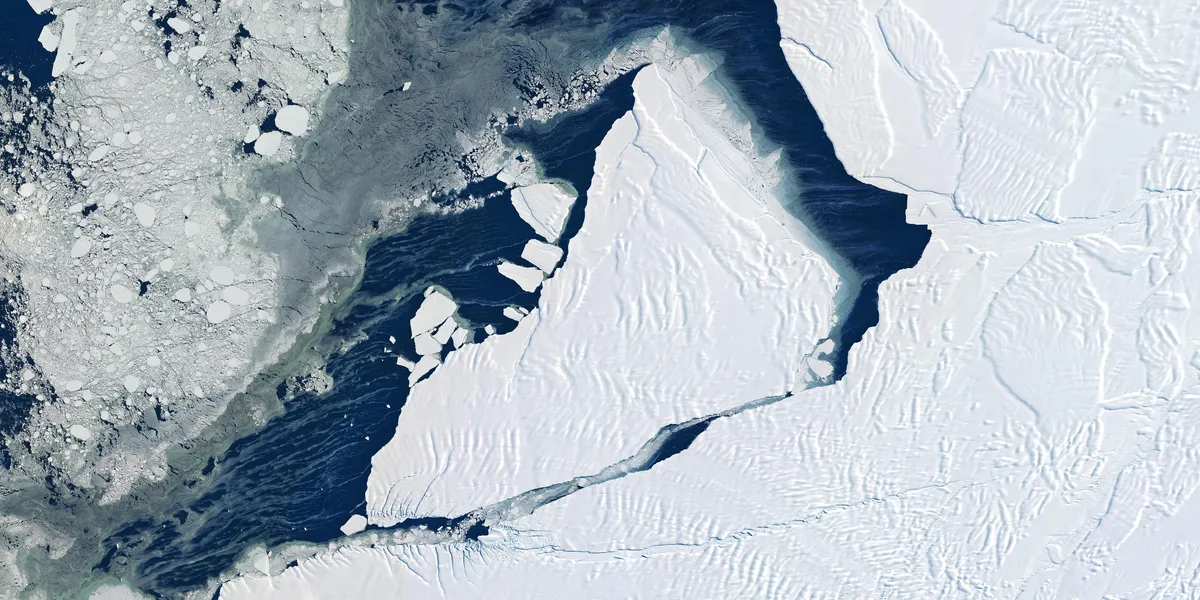
Deep ocean waters in Antarctica are warming and shrinking at an alarming rate, with significant consequences for the global climate and the world's oceans. The Antarctic Bottom Water, the coldest and densest water mass on the planet, has shrunk by 20% over the past 30 years, while shallower waters warmed at a rate five times higher than the rest of the global ocean. The shrinking of deep waters in Antarctica can have far-reaching consequences, from reducing the ocean's ability to absorb carbon to decreasing the oxygen supply to abyssal waters, affecting deep ecosystems.
Antarctic currents that provide oxygen and nutrients to 40% of Earth's deep ocean have slowed dangerously in recent decades and could collapse by mid-century due to climate change, according to a study published in the journal Nature Climate Change. The slowdown in deep water currents around Antarctica could lead to the collapse of the Southern Ocean overturning circulation, which connects various water basins in a global circulation system. The collapse of this vital deep ocean current could have severe consequences for marine life, climate, and sea level.
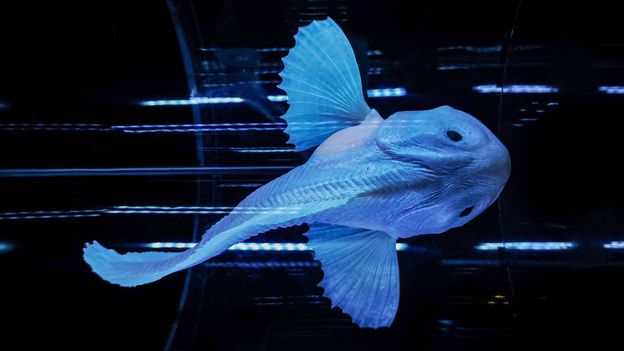
Scientists have recorded the deepest fish ever on camera, a snailfish swimming at a depth of 8,336m in the Izu-Ogasawara trench, south-east of Japan. The hadal zone, which extends from 6 to 11km, is a forbidding place, characterised by complete darkness, crushing pressure and near-freezing temperatures. Marine animals living in the hadal zone have adapted on a cellular level to enable them to withstand the oppressive conditions, including high concentrations of organic molecules called piezolytes, which stop their cellular membranes and proteins from being crushed under extremely high pressure.