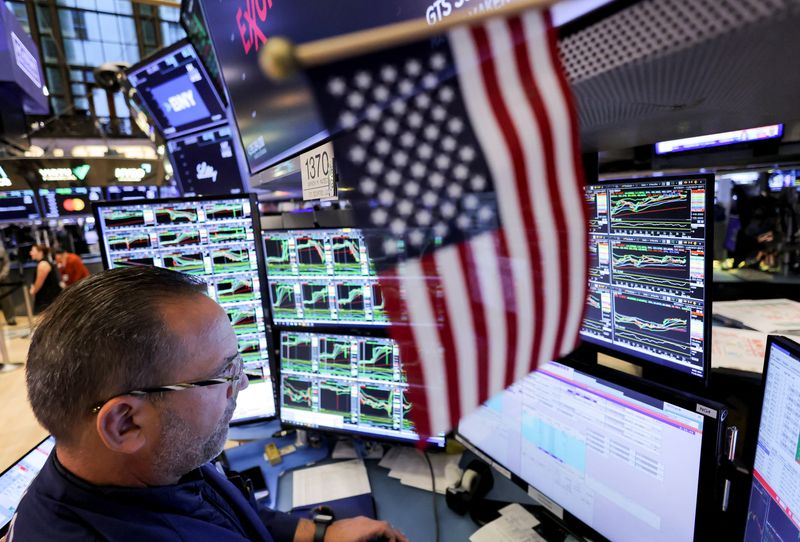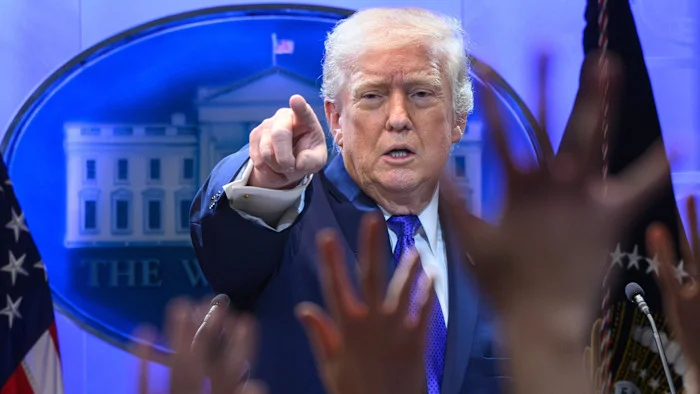
Dow Jones futures are slightly up ahead of the December jobs report and a Supreme Court ruling on Trump tariffs, with mixed market performance and sector movements, while key stocks like Nvidia, Taiwan Semiconductor, and Revolution Medicines show notable activity.
Despite fears that Trump's tariffs would severely harm the US economy, their impact in 2025 has been limited due to delayed implementation, partial exemptions, pre-loading of imports by companies, and absorption of costs by importers, with significant effects expected to materialize in 2026.
The US bond market remains fragile amid tensions between the Trump administration's policies and investor concerns over high debt levels and potential changes in revenue sources, with recent market movements reflecting underlying fears about fiscal sustainability and political stability.
Since Trump's tariffs in April caused turmoil in the US bond market, the administration has taken measures to keep yields low and prevent a resurgence of volatility, but underlying concerns about high debt levels and fiscal policy risks remain, making the peace fragile.
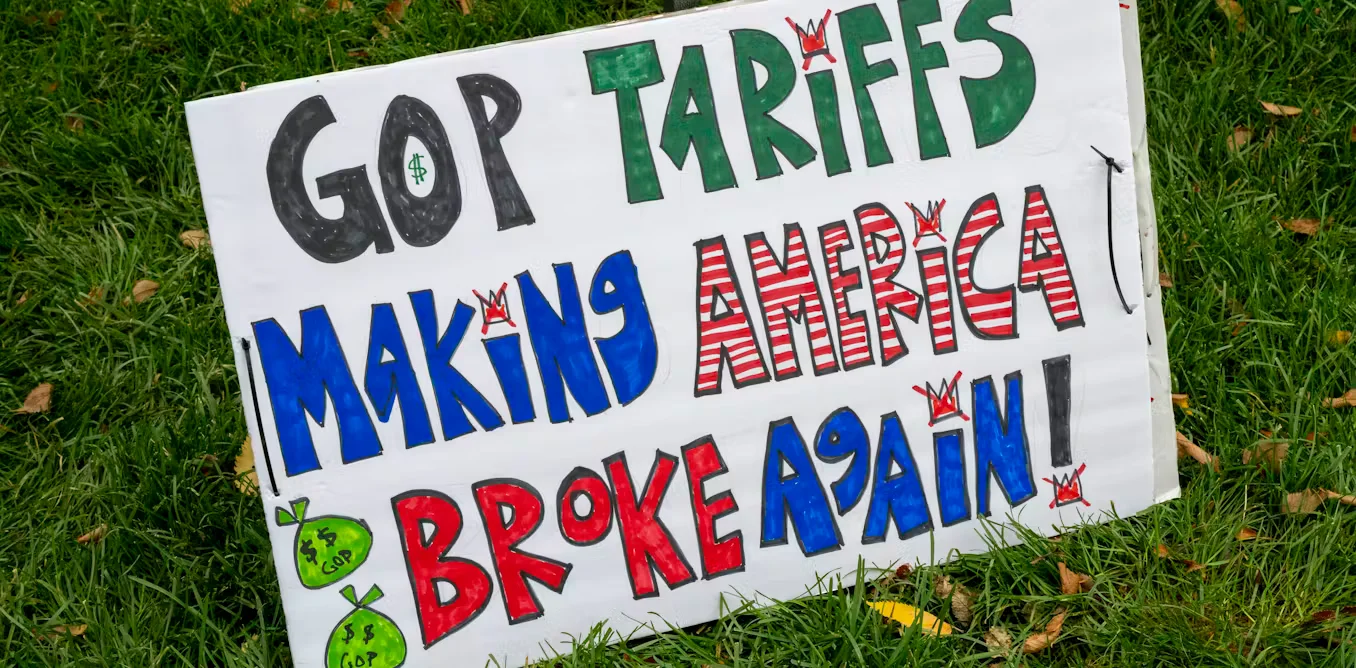
Democrats see an opportunity to gain ground in rural America by capitalizing on discontent with President Trump's policies, especially tariffs and healthcare cuts, and are launching targeted outreach efforts to sway rural voters ahead of the 2024 midterms.
Trump's tariffs in 2025 significantly increased the effective tariff rate, raising over $236 billion in revenue and contributing to a substantial reduction in the US trade deficit from a record $136.4 billion to $52.8 billion by September. While tariffs impacted global trade, especially with China, they also caused market volatility and higher prices for consumers and businesses.
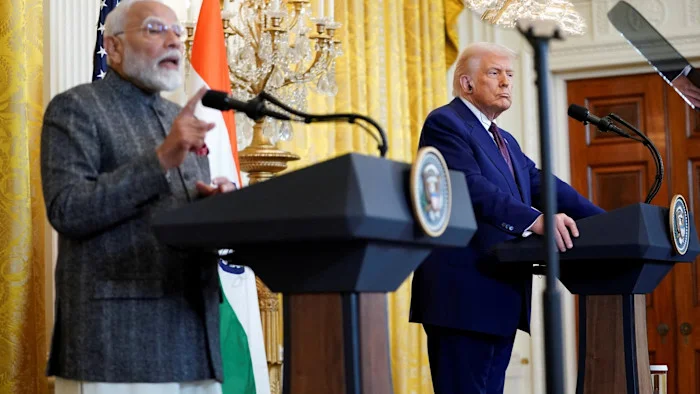
U.S. tariffs on Indian goods, including fox nuts, have reduced exports and increased prices, but the Indian superfood is gaining popularity domestically and in new international markets, with the sector showing growth potential despite challenges.
Despite previous criticism of Trump's tariffs for potentially increasing inflation, the latest CPI report shows unexpectedly low inflation rates, surprising economists and market observers, and suggesting a more favorable economic outlook.
US Christmas tree growers have benefited from tariffs imposed during the Trump administration, which likely made imported trees more expensive and boosted domestic sales.
Social Security benefits will see a historic 2.8% COLA in 2026, the highest in 40 years, driven by inflation exacerbated by President Trump's tariffs, but this increase may still not fully offset rising housing and medical costs for retirees.
The Supreme Court is considering a case that could overturn most of Trump's tariffs, potentially leading to lower prices, faster growth, and higher employment, although Trump might reinstate tariffs on different legal grounds. The case questions whether the president's use of the International Emergency Economic Powers Act to justify tariffs is legally valid, as many experts dispute the law's applicability to trade deficits.
The Supreme Court examined challenges to Trump's 'Liberation Day' tariffs, revealing that these tariffs are essentially a tax on Americans and highlighting the economic and constitutional issues involved, including the president's broad power to impose tariffs under the IEEPA and the economic misconceptions surrounding trade deficits.
An analyst suggests that the most conservative Supreme Court justices are likely to join liberals in striking down President Trump's global tariffs, potentially leading to a 7-2 vote against him, though other legal avenues may allow tariffs to persist, indicating ongoing trade tensions regardless of the court's decision.
The Supreme Court questioned President Trump's authority to impose tariffs that generate significant revenue, raising concerns about the constitutionality of his trade policies and the potential impact on his economic agenda, with justices emphasizing the core congressional power to tax.
President Trump's legal team, led by US Solicitor General D. John Sauer, argued before the Supreme Court in a case challenging the legality of Trump's tariffs, emphasizing national security and foreign policy powers, with the outcome still uncertain as justices question the scope of executive authority under IEEPA and trade law.