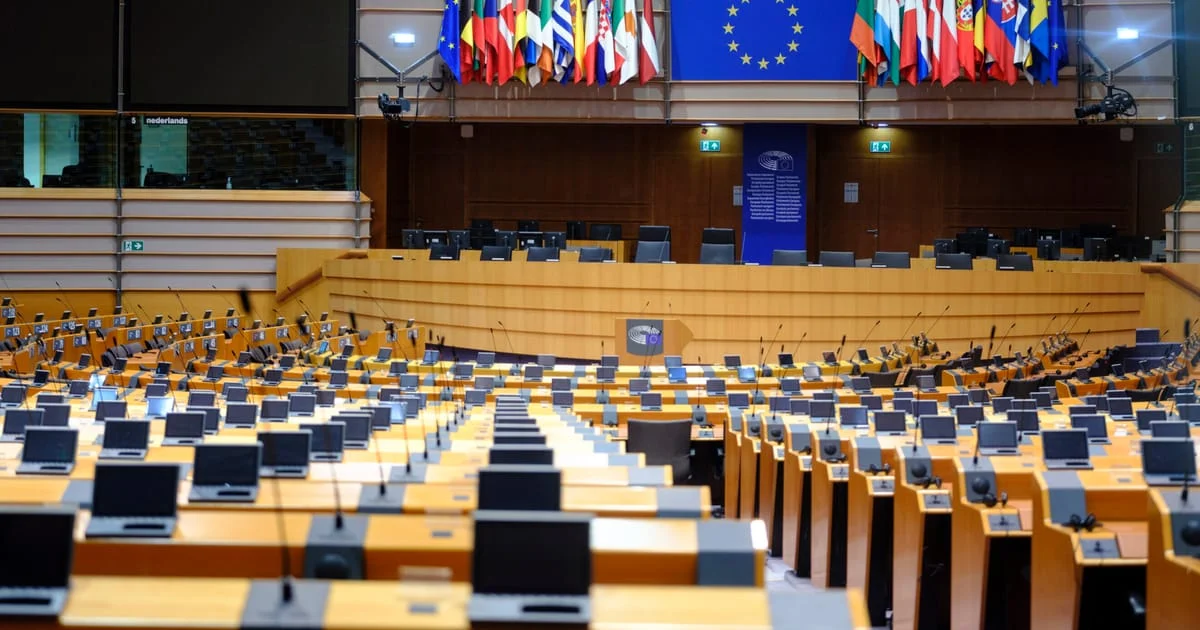
The EU plans to set a 50% steel tariff as an opening bid in negotiations with Trump, while also preparing to cut steel import quotas by nearly half and hike tariffs, actions that could severely impact UK steelmakers and provoke retaliation. The EU is also aiming to finalize a trade deal with Mercosur in December amid ongoing trade tensions.
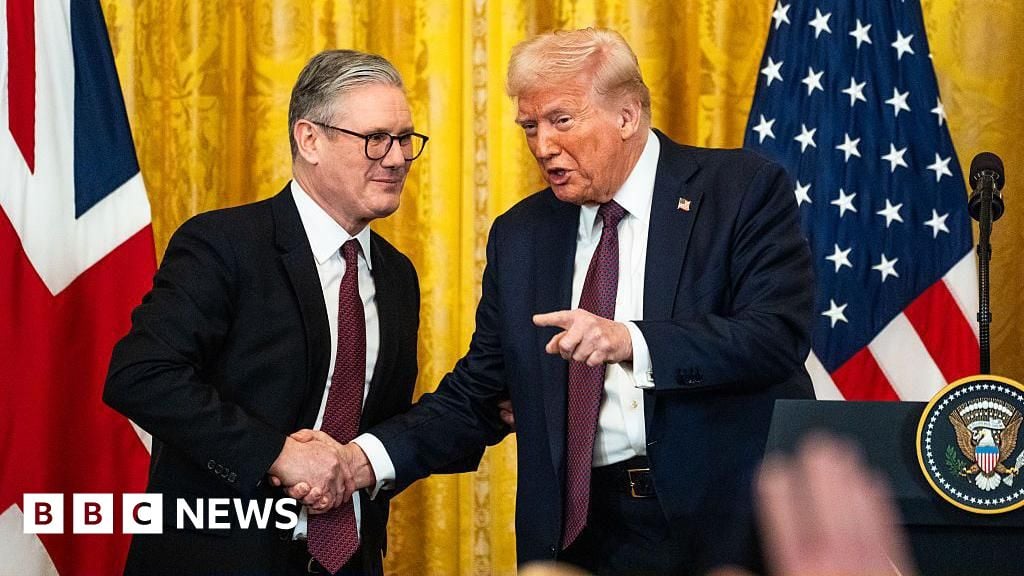
The UK and US have signed a deal reducing tariffs on UK car and aerospace exports, but steel and aluminium tariffs remain unresolved, creating uncertainty for UK manufacturers. The agreement also involves the UK removing tariffs on US beef and ethanol, raising concerns among UK farmers and industry, while the steel tariff issue could escalate if not resolved by July 9.
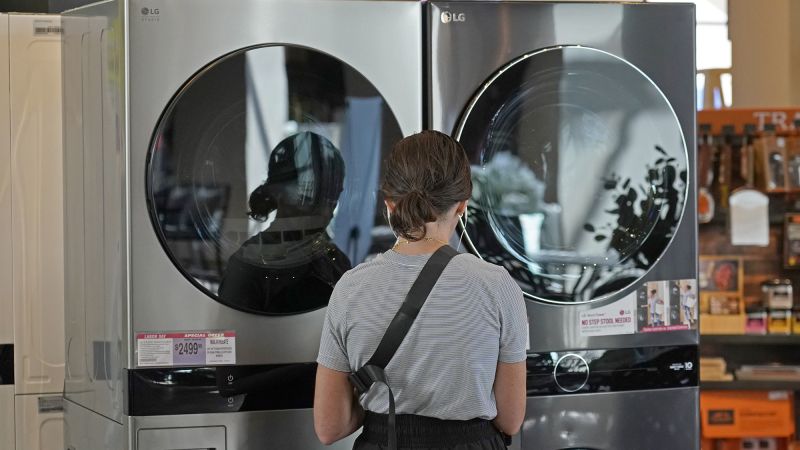
The Trump administration is implementing a 50% steel tariff on consumer appliances containing steel, such as refrigerators and dishwashers, starting June 23, aiming to boost American steel production but potentially increasing costs for manufacturers and consumers.
The Trump administration is expanding steel tariffs to include a range of imported household appliances such as dishwashers, washing machines, and refrigerators, with the new tariffs taking effect on June 23, affecting products with steel content, as part of ongoing trade policy measures.
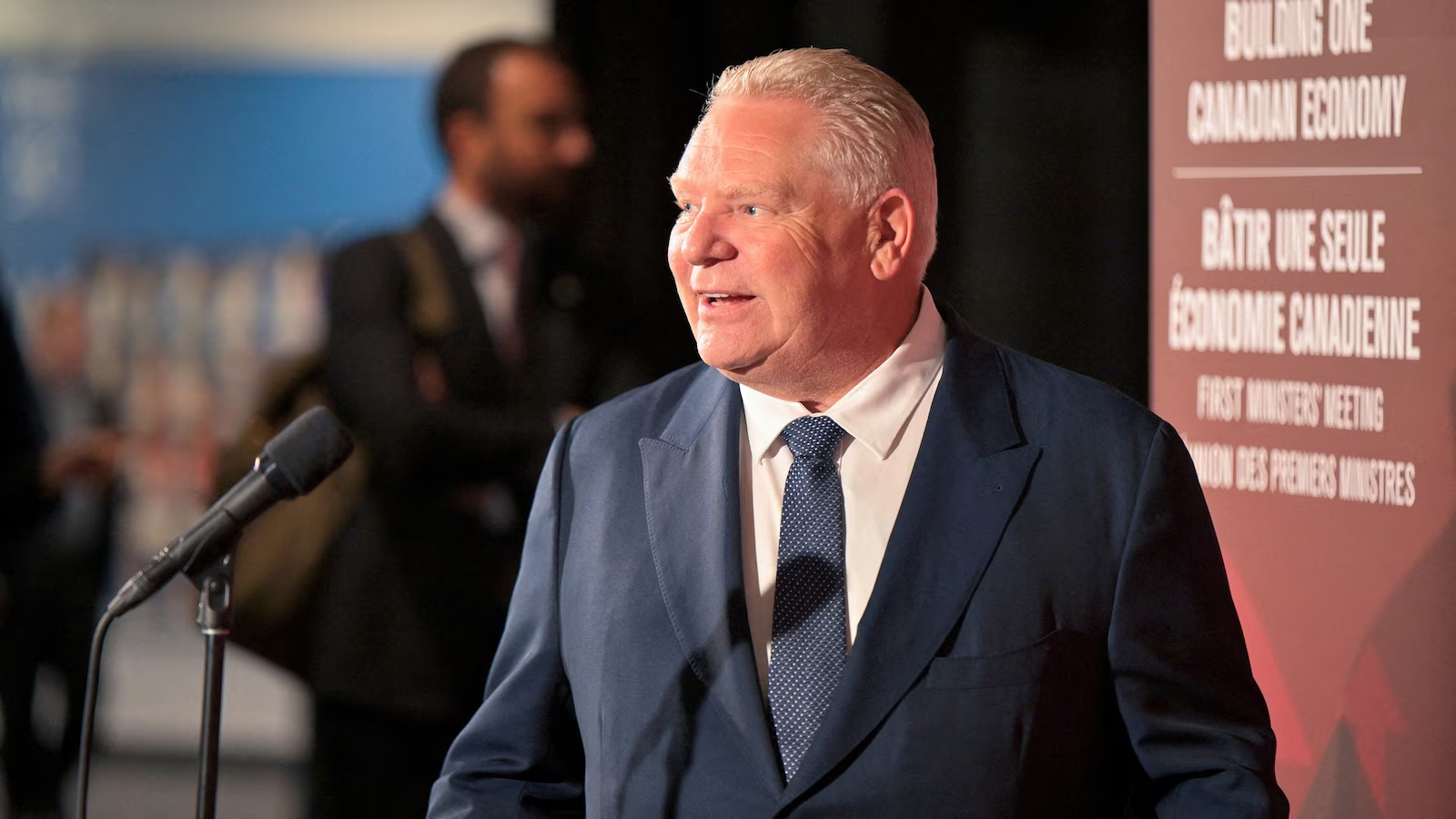
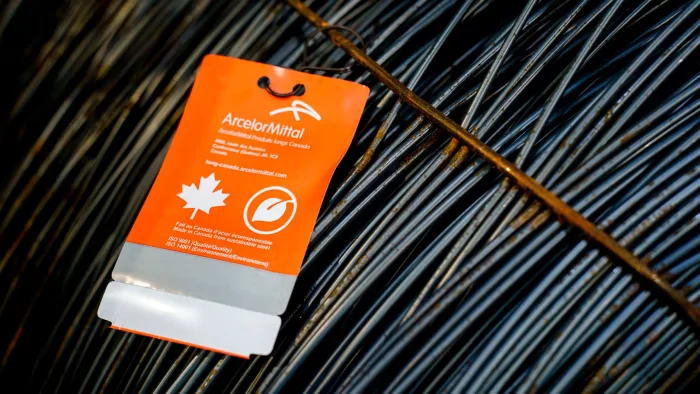
Ontario Premier Doug Ford criticizes Trump's 25% tariffs on Canadian steel and aluminum, warning they could lead to job losses in the US and higher prices for American consumers, while emphasizing the importance of Canada-US cooperation against China and protecting Ontario's economic interests.
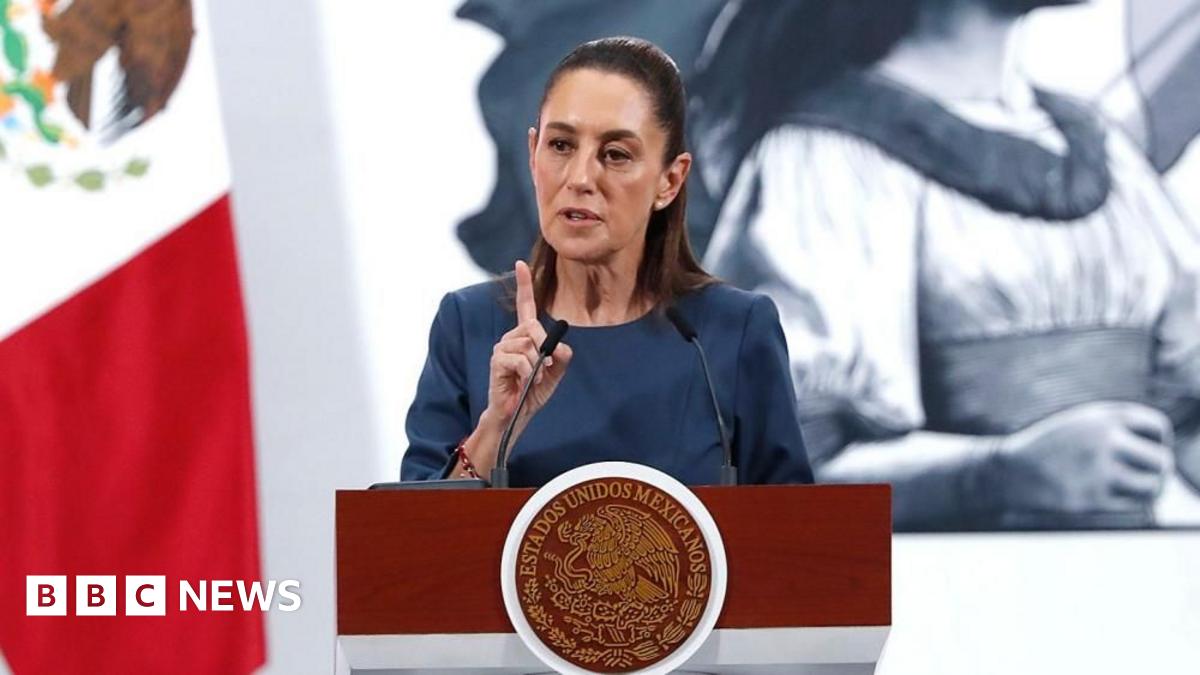
The article discusses the US's implementation of 50% tariffs on steel and aluminum, Mexico's threat of countermeasures, the impact on US and UK markets, and the broader implications for international trade and relations, highlighting mixed domestic reactions and ongoing negotiations.
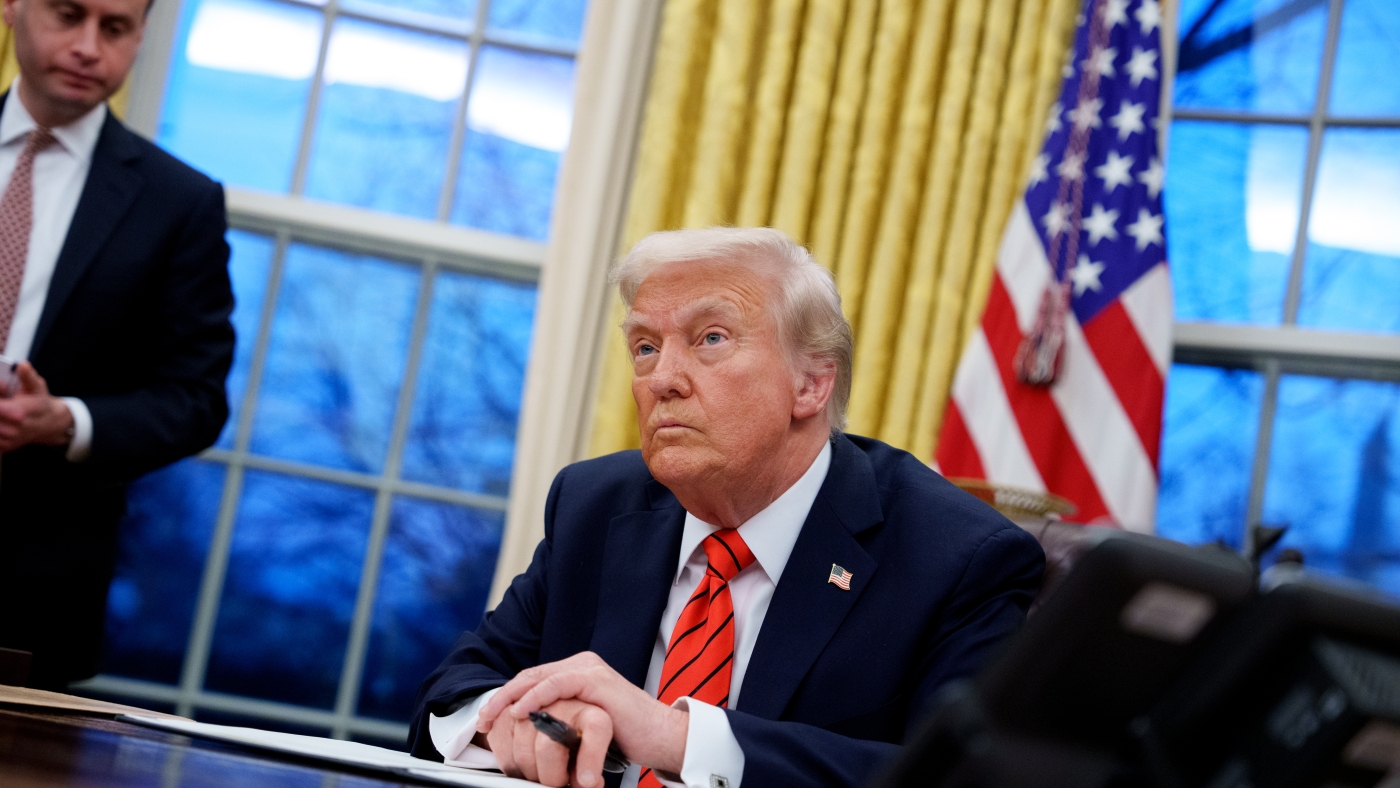
President Trump doubles tariffs on imported steel and aluminum, seeks to cut public broadcasting funds, and proposes changes to electric vehicle tax credits, amidst ongoing conflicts in Gaza and political debates over environmental and cultural policies.
The UK has been temporarily exempted from the US's increase in steel and aluminium tariffs to 50%, remaining at 25%, due to a recent trade deal, but this exemption may be revoked if the UK does not comply with the agreement, causing ongoing uncertainty for UK steel industry.
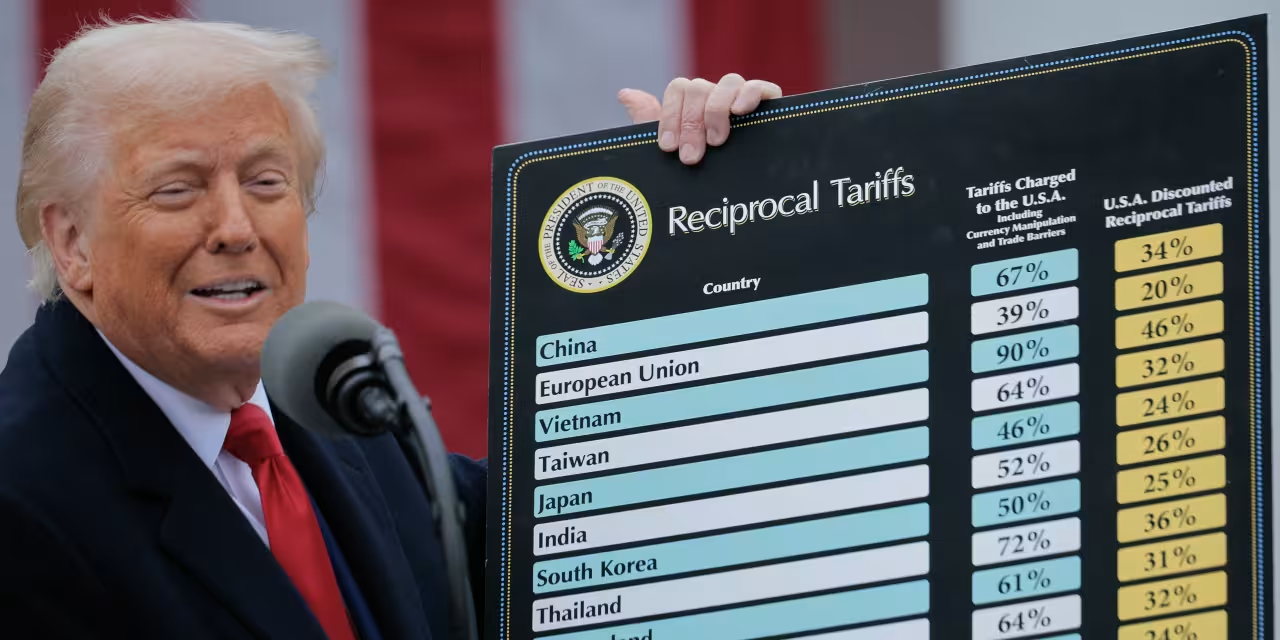
President Trump and Chinese leader Xi Jinping are expected to have a call soon, while Trump plans to sign an executive order to double steel and aluminum tariffs from 25% to 50%, amid ongoing trade tensions and disputes over compliance with trade agreements. The OECD has forecasted a slowdown in global growth due to tariffs, but the White House remains optimistic about negotiations, including upcoming trade offers from other countries.
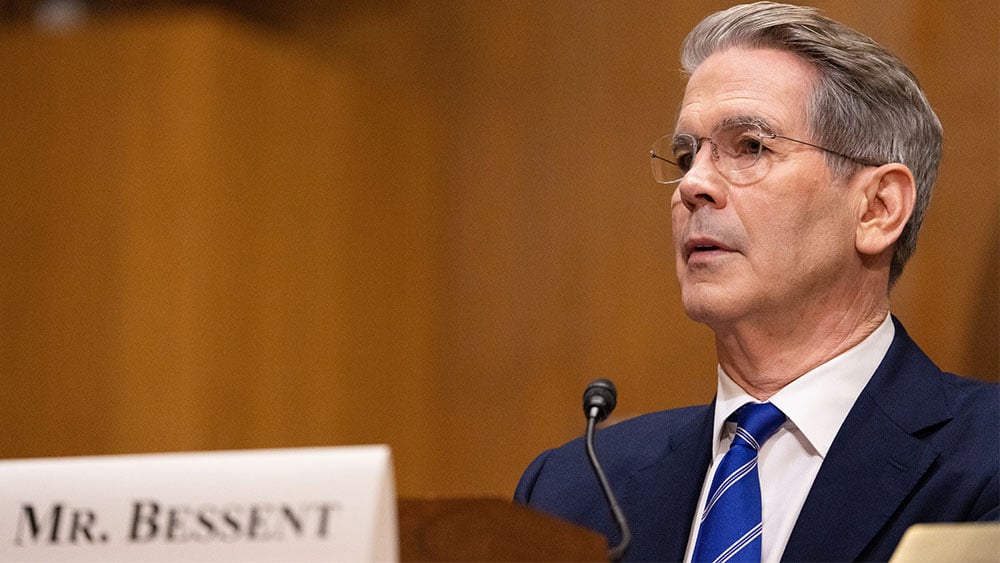
The stock market declined amid US-China trade tensions and new steel tariffs, with the Dow dropping nearly 200 points. Steel stocks surged after Trump's tariff announcement, while sectors like energy and gold mining outperformed. Treasury Secretary Bessent reassured investors about US debt, and China criticized the US trade deal, escalating tensions. Overall, market sentiment was cautious with mixed sector performances.
The US dollar declined against major currencies amid concerns over President Trump's steel tariffs and escalating China tensions, with markets wary of potential economic slowdown and inflation, while other currencies like the euro and Canadian dollar gained.
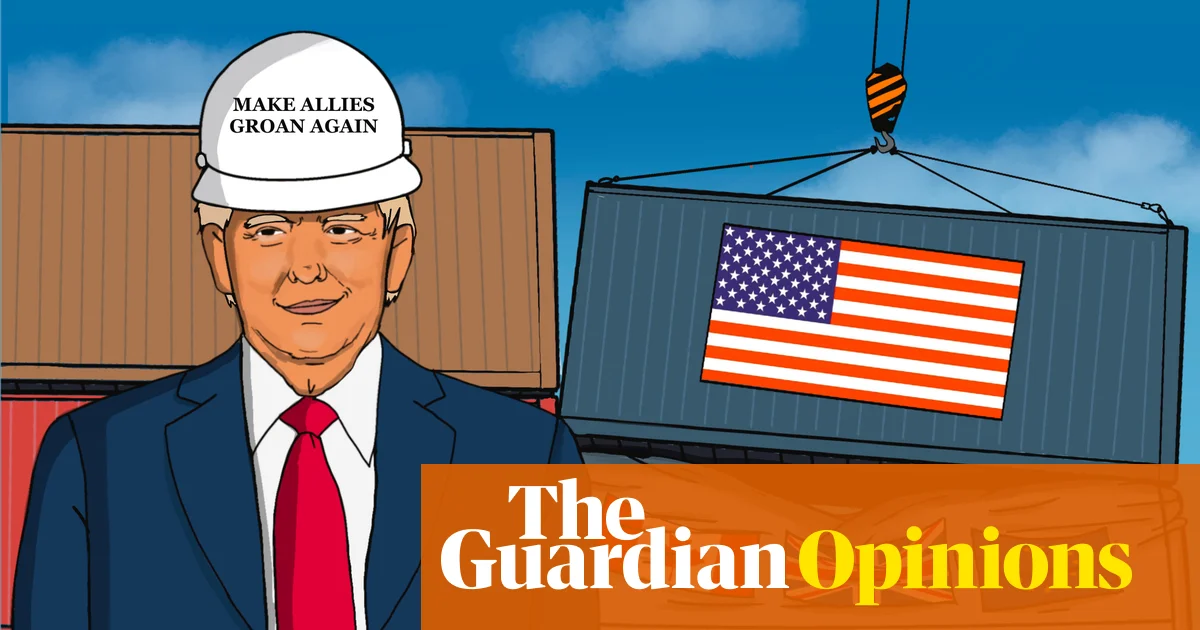
The article features a cartoon commentary by Sarah Akinterinwa on Donald Trump's decision to impose 50% tariffs on steel, highlighting the controversy and implications of this trade policy.
US President Donald Trump doubled tariffs on steel and aluminium imports to 50%, prompting strong opposition from Canada, which warned of catastrophic job losses and supply chain disruptions, escalating tensions in the US-Canada trade relationship amid ongoing trade war concerns.
The EU criticized President Trump’s decision to double steel tariffs to 50%, warning it undermines global trade efforts and is prepared to impose countermeasures if no negotiated solution is reached, amid ongoing tensions in the US-China trade relations and concerns over impacts on industries and workers.
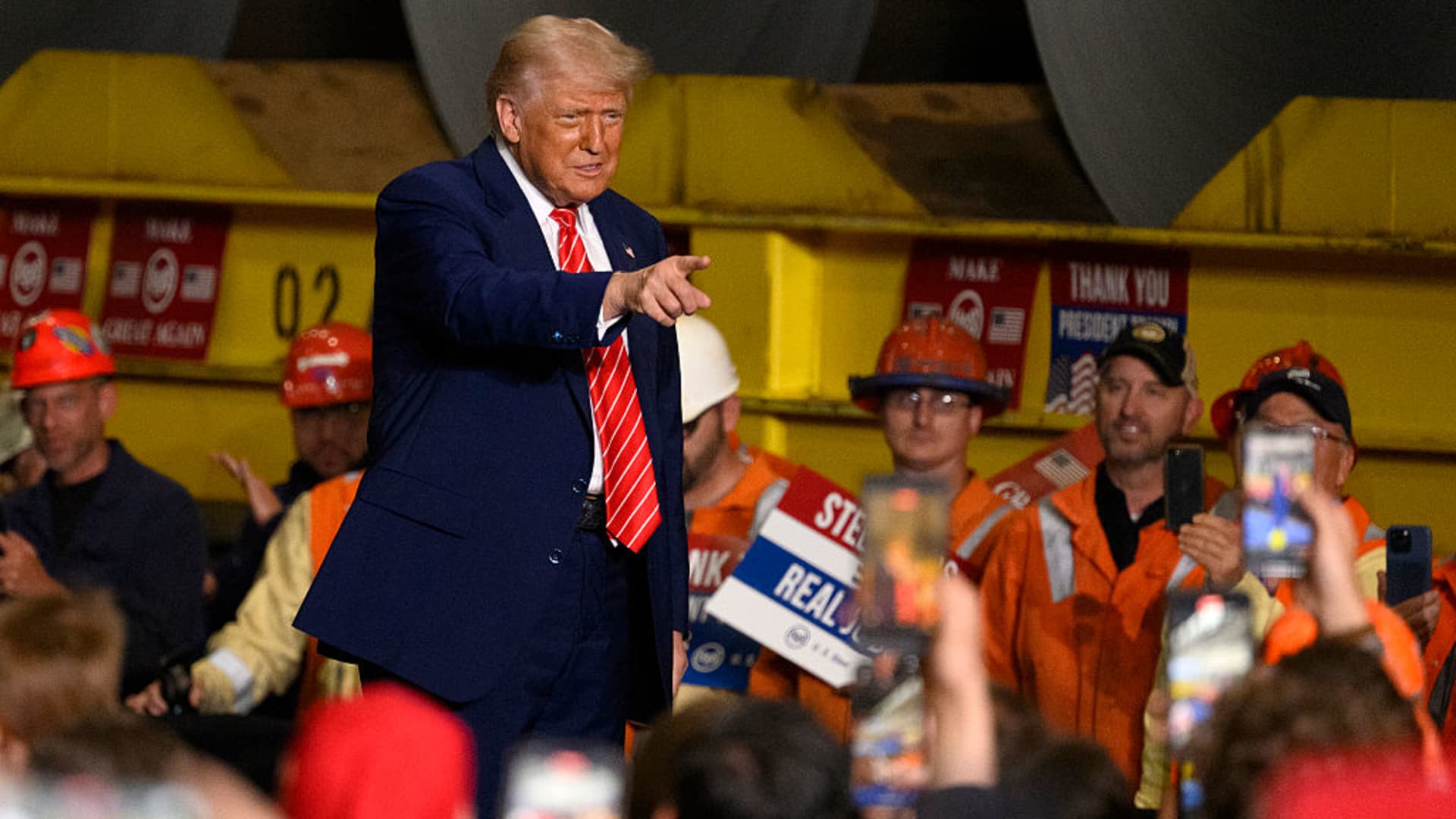
President Trump announced a doubling of steel and aluminum tariffs to 50% to protect US steel industry, while also discussing a potential deal with Japan's Nippon Steel to invest in US Steel, aiming to keep the company American-owned despite ongoing acquisition bids. The tariff increase could raise steel prices further, amid skepticism from the United Steelworkers union about the deal's implications for security and jobs.