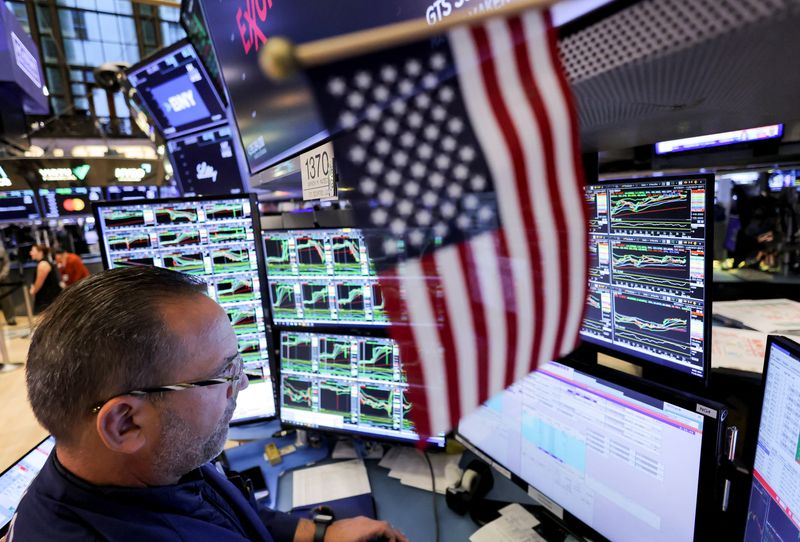
The US bond market remains fragile amid tensions between the Trump administration's policies and investor concerns over high debt levels and potential changes in revenue sources, with recent market movements reflecting underlying fears about fiscal sustainability and political stability.
The U.S. Treasury is expected to maintain its current debt issuance strategy, with no immediate increase in long-term bonds, but Wall Street remains divided on whether this approach will continue or shift in the coming years, influenced by market conditions and government borrowing needs.
Federal financial regulators, including the Federal Reserve, FDIC, and Office of the Comptroller of the Currency, have proposed new rules for larger banks' "living wills" and long-term debt holdings in response to the recent regional banking crisis. One proposal requires banks with $100 billion or more in assets to maintain a layer of long-term debt to enhance financial stability and facilitate the resolution of potential failures. The second proposal revises guidance for bank holding companies and foreign banks with over $250 billion in assets, focusing on areas of vulnerability in capital, liquidity, and operational capabilities. The proposals have received mixed reviews from industry trade groups, with the American Bankers Association opposing the rules and the Independent Community Bankers Association supporting the long-term debt requirement. Public comments on the proposals are due by November 30, 2023.
US financial regulators have approved new rules aimed at reducing the cost of bank failures. The rules include a requirement for banks with at least $100 billion in assets to issue around $70 billion in long-term debt to absorb losses in case of insolvency. This is intended to prevent banks from tapping into the FDIC's Deposit Insurance Fund (DIF). The FDIC also proposed a rule that would force banks to disclose more details on how they could be managed if they were to fail. Critics argue that these rules could harm banks and restrict financing to small businesses.