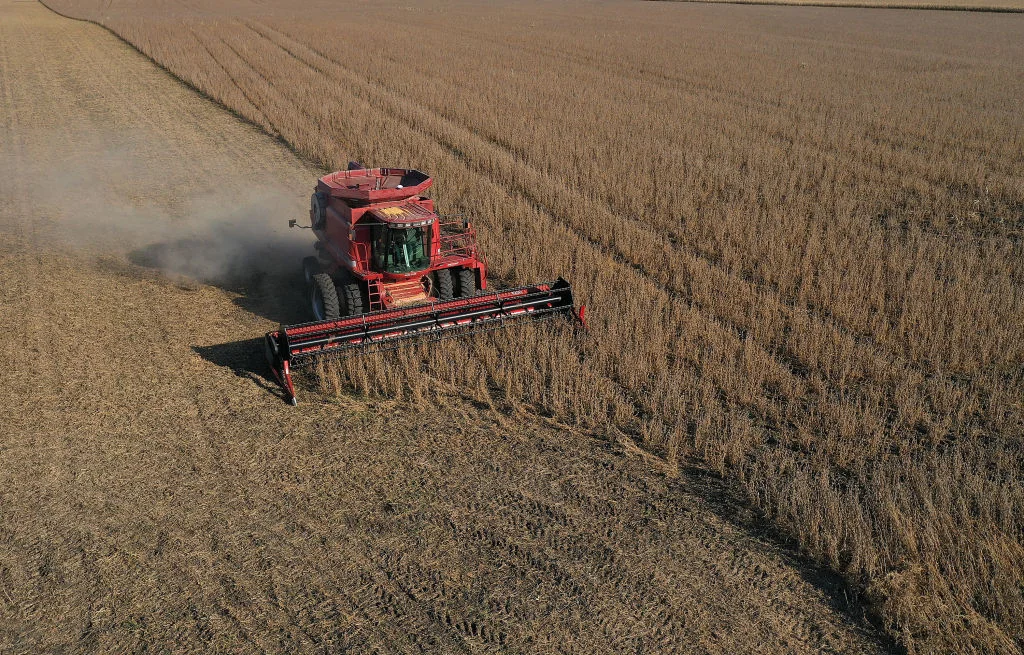
Ohio farmers have experienced a 74% decline in Chinese exports this year, losing nearly $76 million, primarily due to tariffs imposed during Trump's administration, which have disrupted trade relations and increased costs, especially impacting soybean farmers and contributing to broader economic challenges in agriculture.
Mexico's decision to impose tariffs on Chinese and Asian imports marks a significant shift in global trade, aligning with Trump's trade strategy to block China's export surges and reshape the international trading system into a more balanced and fairer order, encouraging other countries like Europe to follow suit.
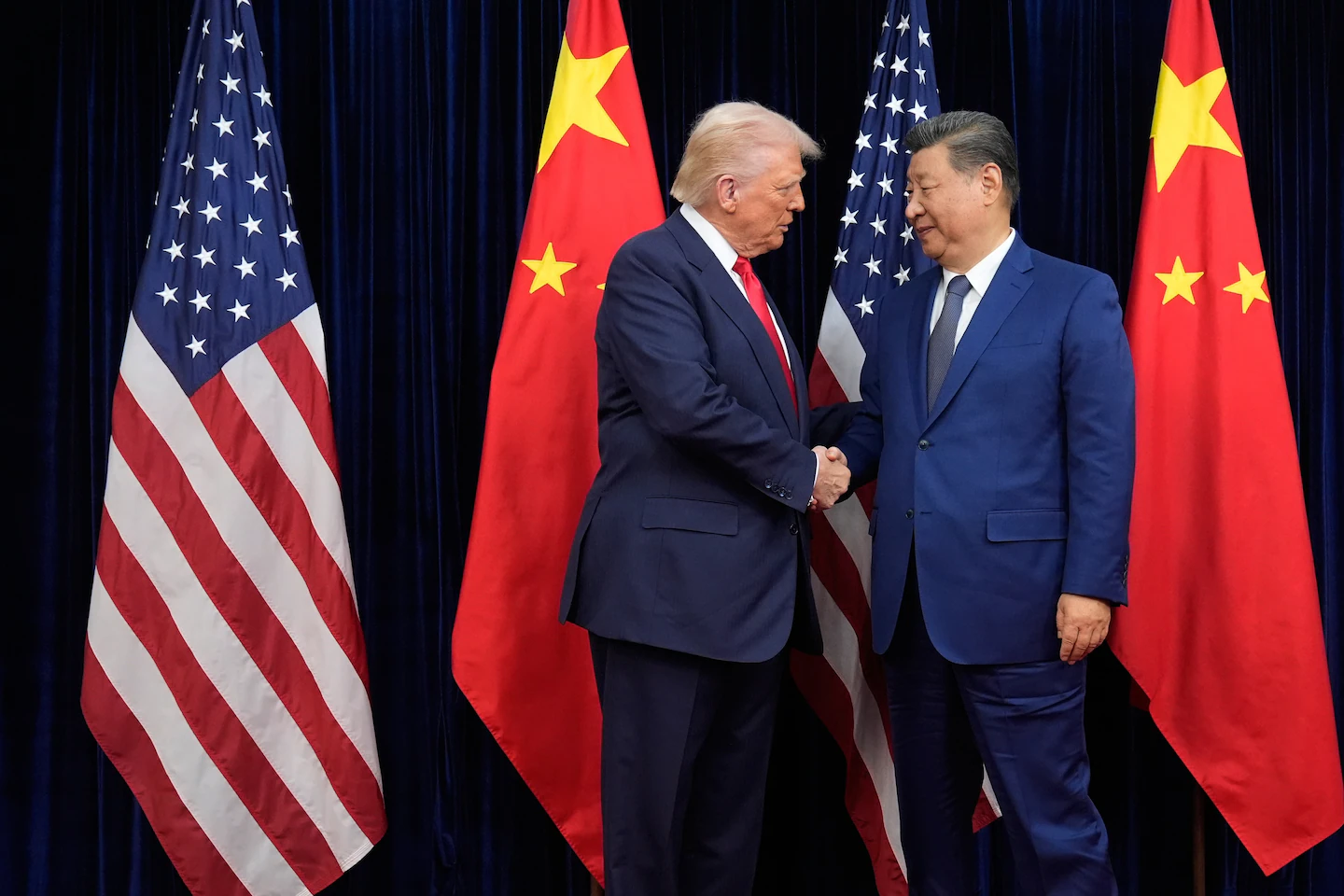
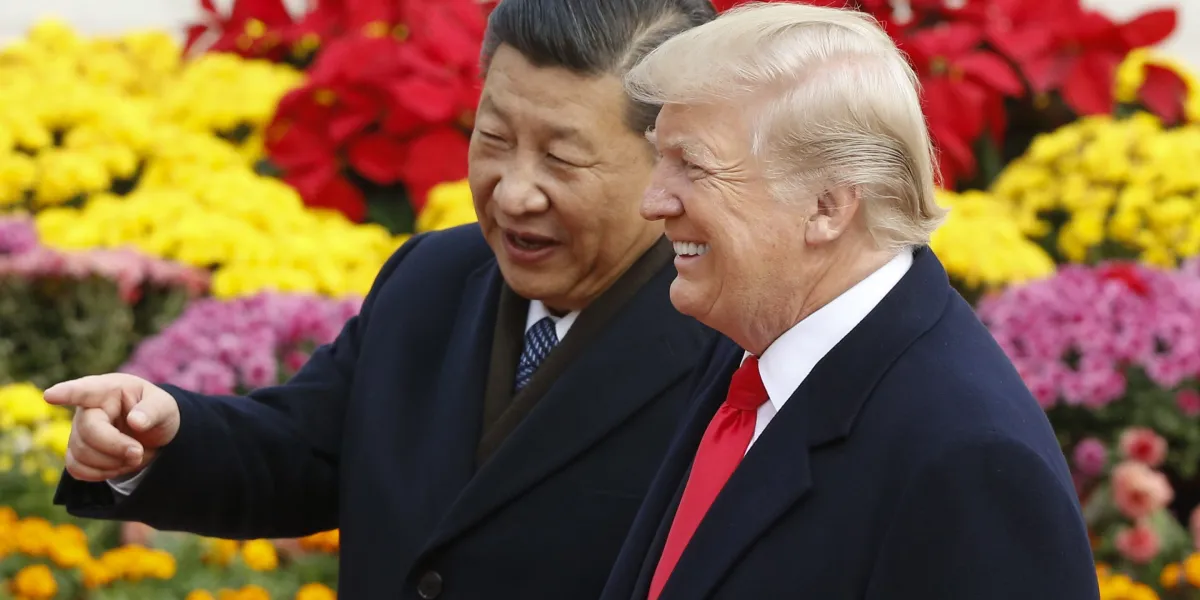
President Trump and Chinese President Xi Jinping agreed to a trade truce in South Korea, avoiding escalation but not resolving underlying issues, which benefits American farmers and businesses but offers limited relief to consumers.
The stock market experienced volatility due to concerns over private credit markets and regional banks, but optimism about a potential trade truce between the US and China, along with strong bank earnings, helped stocks recover. Key indicators like the VIX index surged, Treasury yields fell, and gold prices hit record highs amid ongoing economic uncertainties and a government shutdown.
US Trade Representative Greer indicated that additional tariffs on Chinese exports depend on China's actions, with ongoing staff-level talks aiming to resolve disputes over critical minerals and trade restrictions. The US is considering tariffs starting November 1, but a meeting between Trump and Xi Jinping is still scheduled, highlighting ongoing tensions and negotiations in the US-China trade war.
Asian stock markets declined following President Trump's announcement of a potential 100% tariff on Chinese imports starting November 1, along with export controls on critical software, leading to investor concerns over escalating trade tensions.
Markets reacted negatively to Trump's announced China tariffs, with stocks falling, gold prices rising, and the dollar weakening, indicating concerns that the tariffs may backfire on the US economy and financial stability.
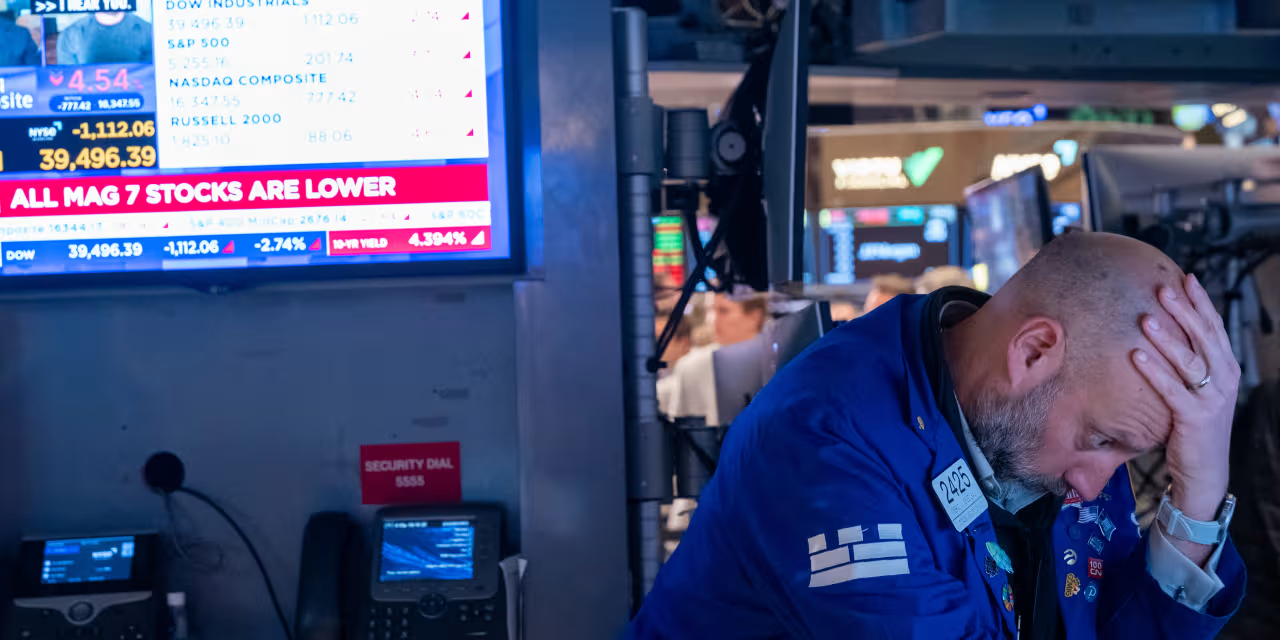
Stock markets fell sharply following President Trump's threat to impose massive tariffs on Chinese goods, with the Dow dropping 770 points and the S&P 500 and Nasdaq also declining, amid escalating US-China trade tensions and concerns over a potential government shutdown.
Six months into Trump's tariffs, the US economy remains strong with low unemployment and high growth, but the trade war's full impact is still uncertain, with ongoing tariffs, legal challenges, and limited benefits for American manufacturing and farmers.
The article criticizes Trump's trade policies, highlighting how his actions have devastated American soybean exports to China, leading to economic hardship for U.S. farmers, while Argentina and Brazil benefit from increased market share and government support, effectively betraying American agricultural interests.
Ford has had to temporarily shut down some factories due to a shortage of rare-earth magnets caused by China's trade restrictions, but a tentative agreement between the US and China may soon resume magnet exports, potentially alleviating the supply crisis.
The S&P 500's recent rally has stalled due to disappointing inflation and China trade news, with veteran hedge fund manager Doug Kass warning that tariffs and inventory effects may hinder future gains, suggesting the market's optimism may be misplaced amid ongoing trade tensions and inflation concerns.
A U.S. appeals court has temporarily allowed President Trump to keep tariffs on China and other countries in place while legal challenges regarding the legality of his use of emergency powers under the IEEPA law proceed, representing an interim victory for the administration amid ongoing legal and trade negotiations.
U.S. goods imports experienced the largest monthly decline on record in April, largely due to the impact of President Trump's tariffs, with trade with China reaching its lowest since the start of the pandemic; however, this does not necessarily indicate a weakening economy, as companies are now drawing down inventories accumulated in anticipation of tariffs.
President Trump expressed frustration with the Federal Reserve and China over economic policies, urging lower interest rates and criticizing trade negotiations, amid concerns about economic growth and inflation.