global-trade6.505 min read
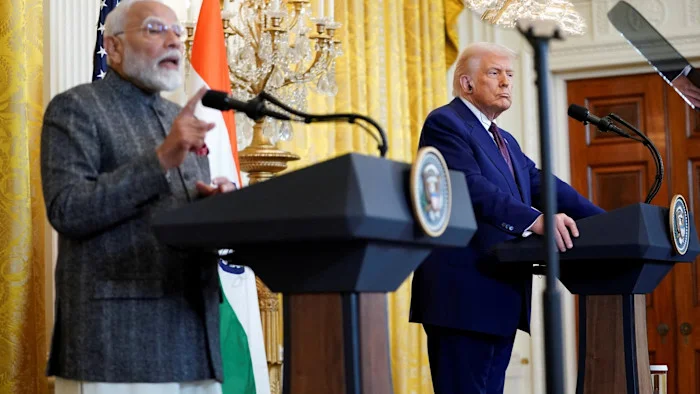
Trump trims India tariffs to 18% after Modi agrees to halt Russian oil imports
26 days ago•Source: Financial Times

The latest global trade stories, summarized by AI
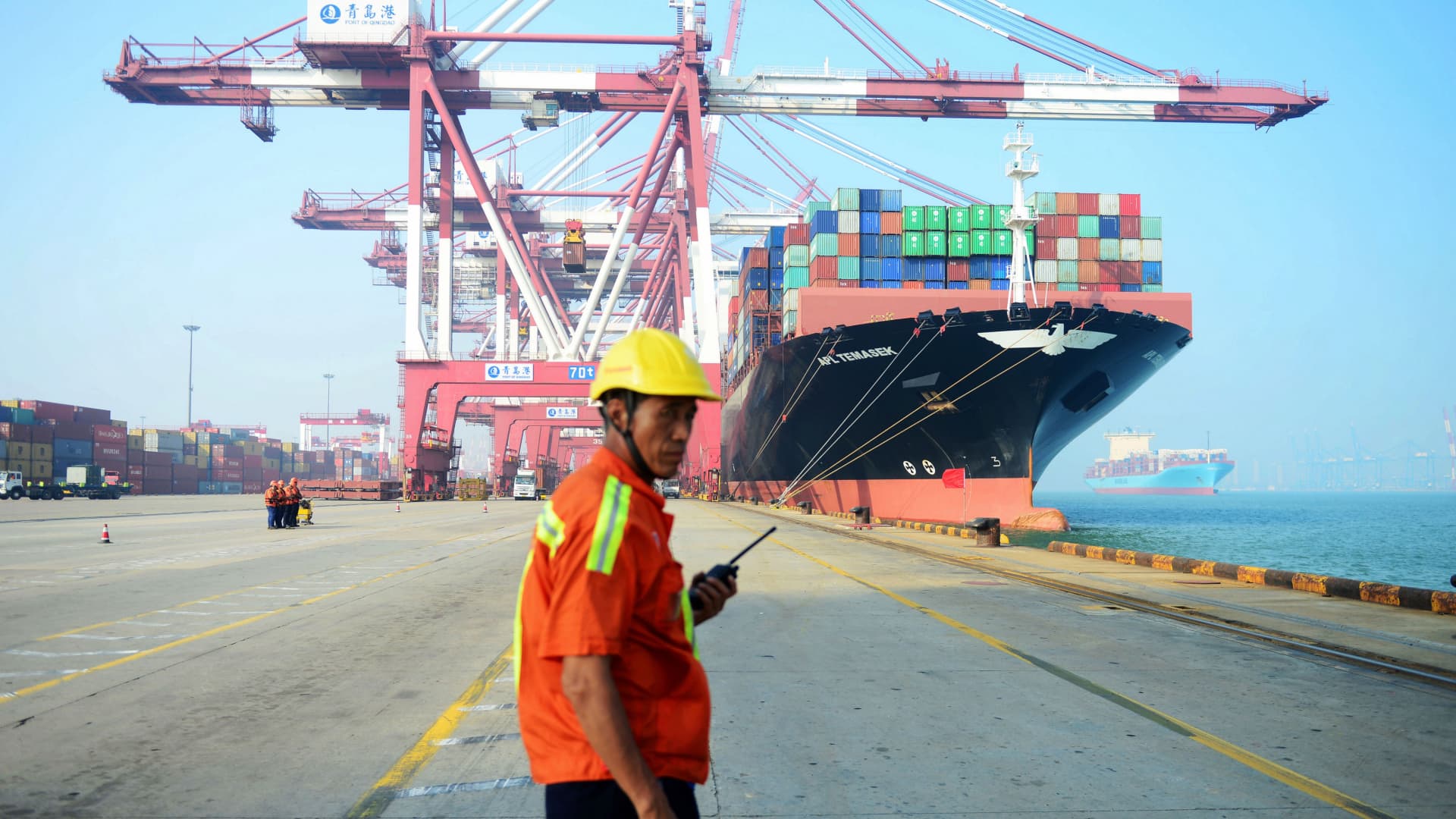
A sudden shortage of shipping containers has caused ocean freight rates to spike dramatically, disrupting global trade. Factors such as peak shipping season, longer transit routes to avoid the Red Sea, and bad weather in Asia have exacerbated the situation. Ocean carriers are skipping ports and reducing port time, leading to fewer empty containers being available. This has resulted in increased costs for shipping consumer goods, with rates expected to rise further. The situation is reminiscent of the supply chain chaos during the COVID-19 pandemic, with logistics providers warning of continued challenges and higher costs being passed on to consumers.
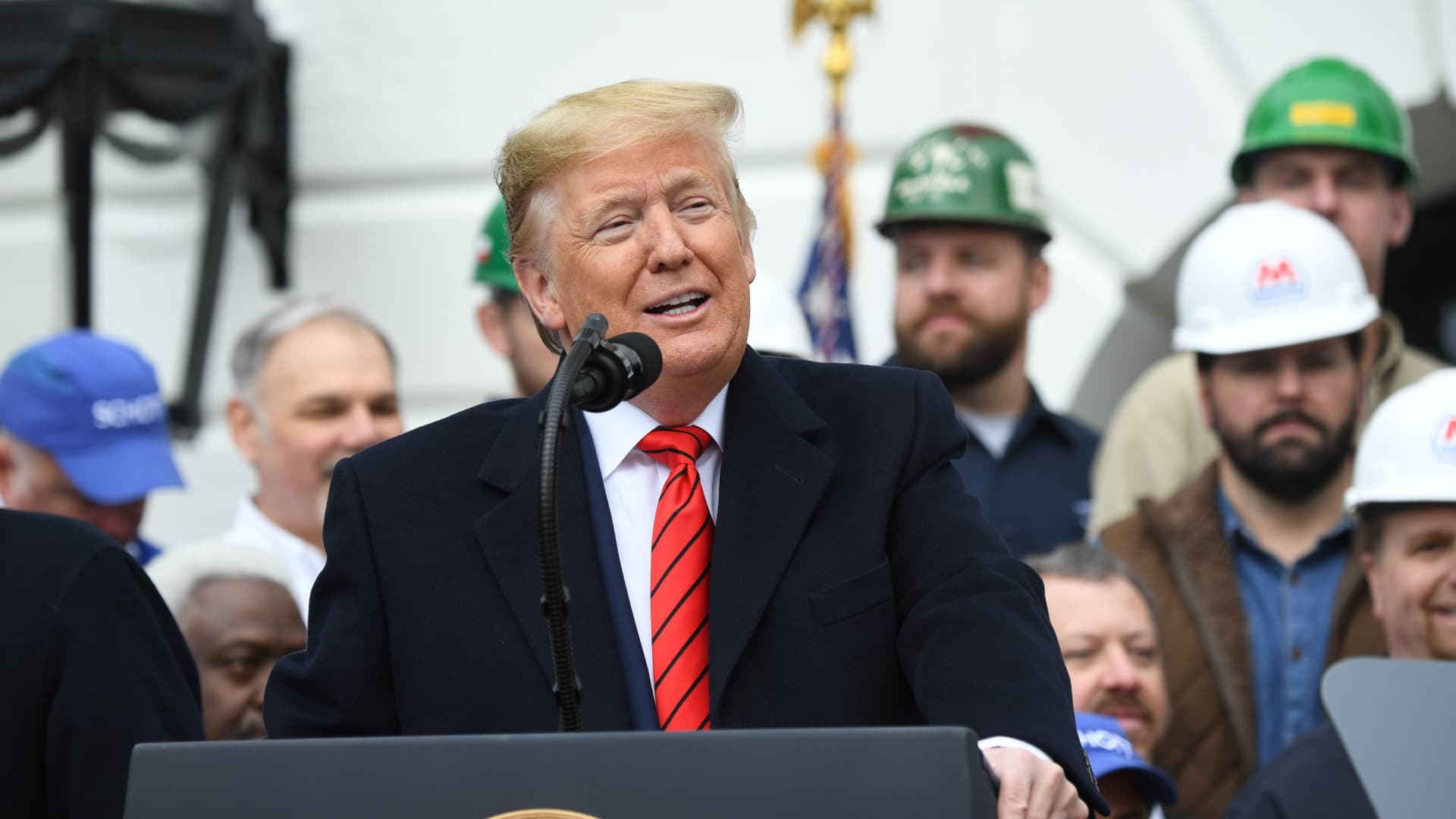
Yahoo Finance•2 years ago
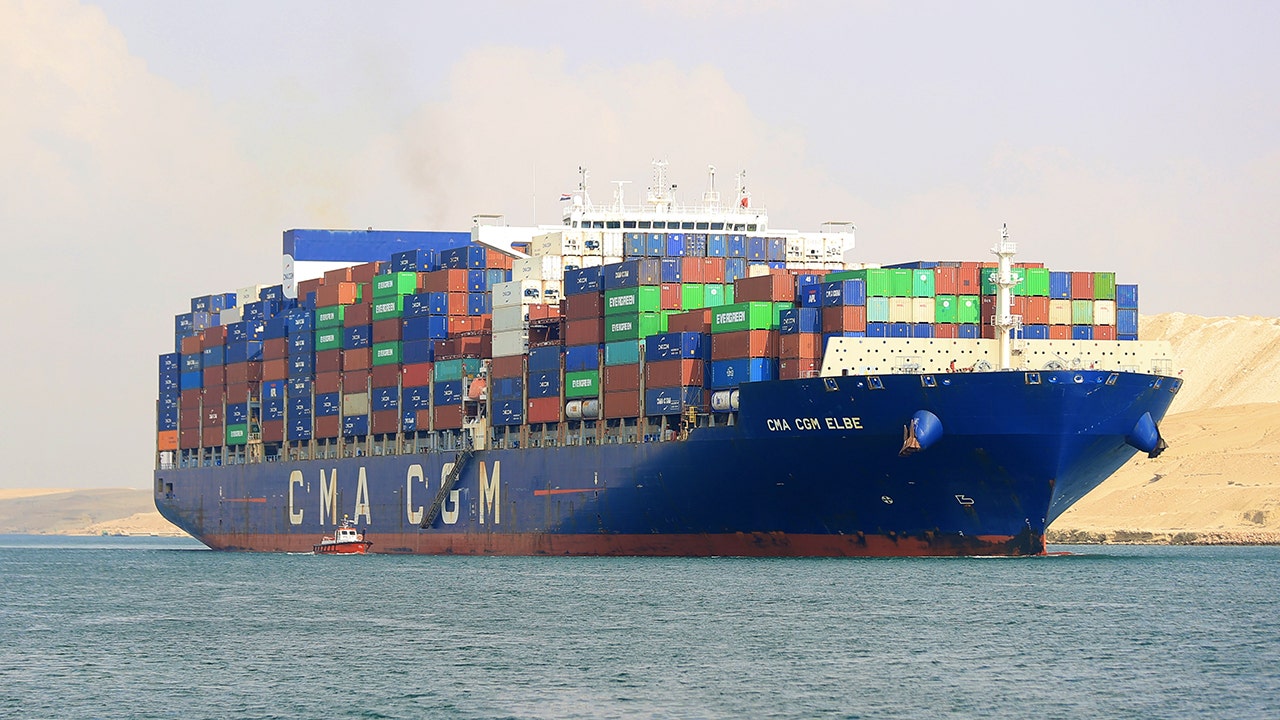
Global shipping rates have surged as Houthi attacks on commercial vessels in the Red Sea prompt diversions and surcharges, with rates for shipping from Asia to Northern Europe spiking 461%. About 15% of world shipping traffic passes through the Suez Canal, but many ships are now circumventing Africa due to the attacks. The disruptions are causing significant cost increases, delays, and fears of inflation, with concerns about the impact on global trade routes and potential consequences for global growth.
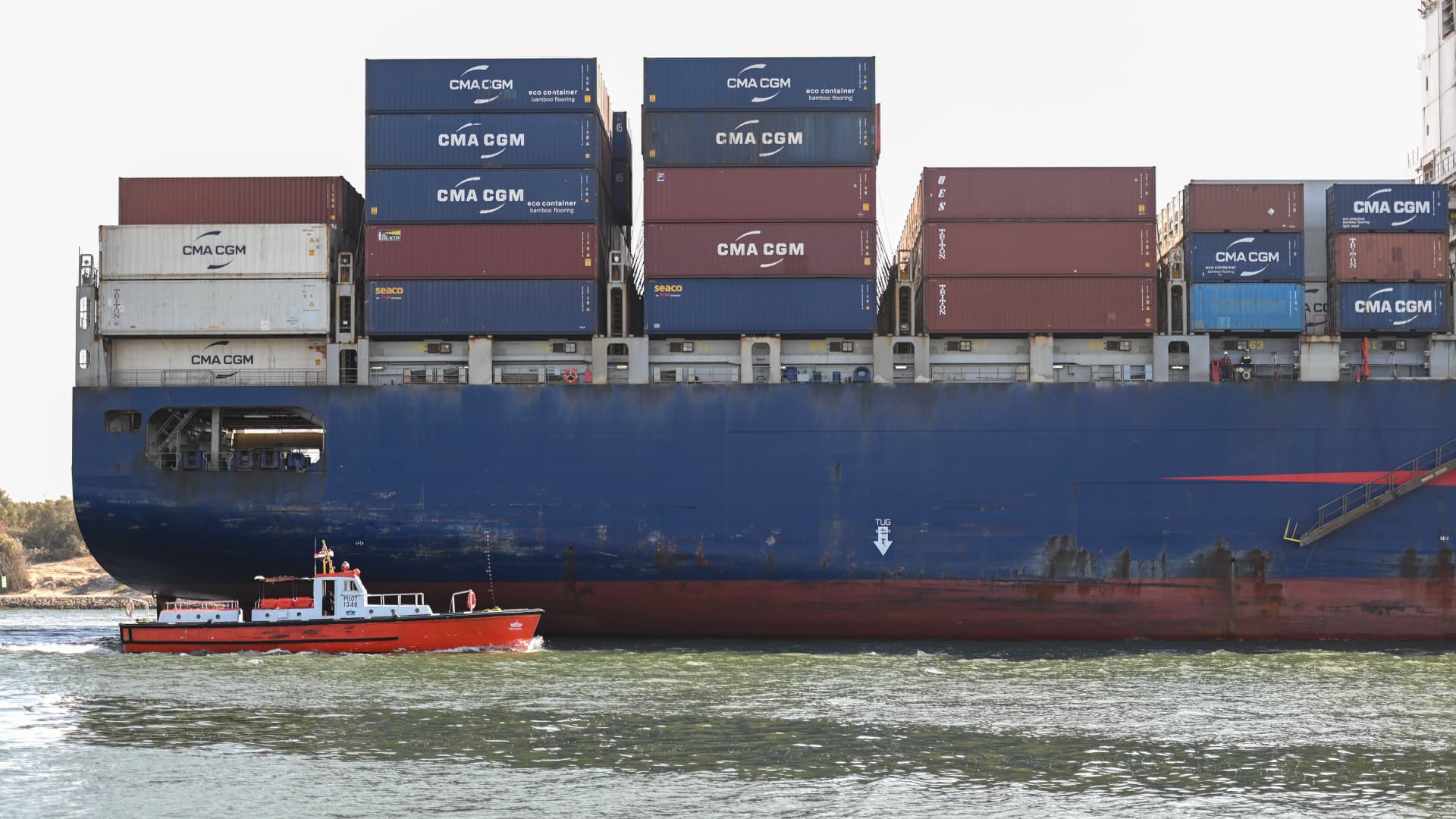
Attacks in the Red Sea have disrupted global trade, causing shipping costs to spike and raising concerns about potential inflation. The diversion of container ships from the Suez Canal has led to significant impacts on freight rates, affecting trade between Asia and Europe as well as between Asia and the U.S. East and West Coasts. The crisis could potentially stall the fight against inflation, impacting consumer prices and the Federal Reserve's decision-making. The disruptions, compounded by issues at the Panama Canal, may lead to supply chain challenges and increased costs for retailers and shipping companies.
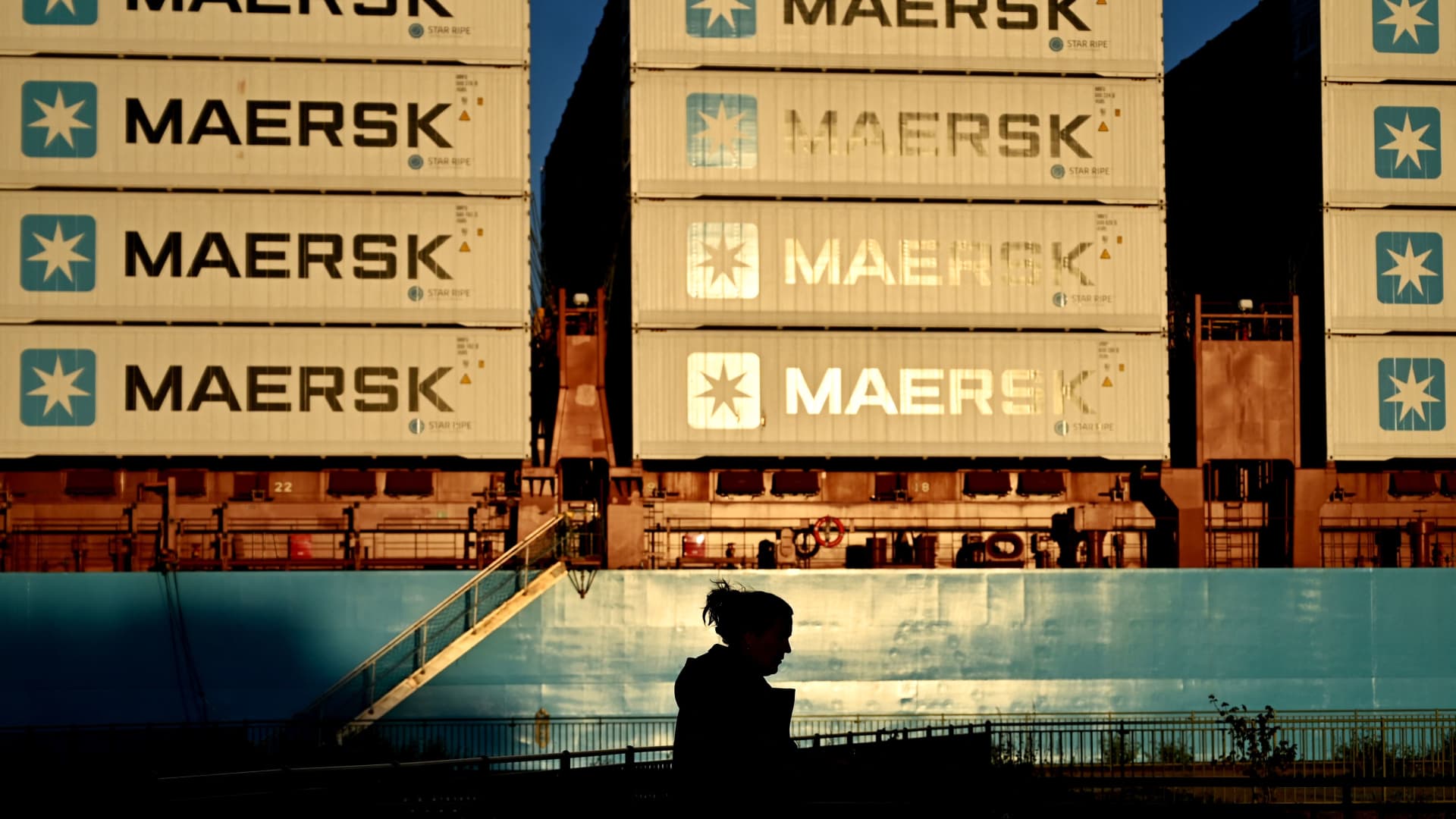
Ongoing disruption to trade flows through the Red Sea, due to attacks by Houthi militants, could have significant consequences on global growth, according to Maersk CEO Vincent Clerc. The company has diverted its vessels from the Red Sea for the foreseeable future, leading to potential delays and increased freight rates. The situation has been further complicated by a wave of strikes in Germany and the hijacking of an oil tanker near the Gulf of Oman, prompting concerns about potential product delays and escalating conflict in the Middle East.
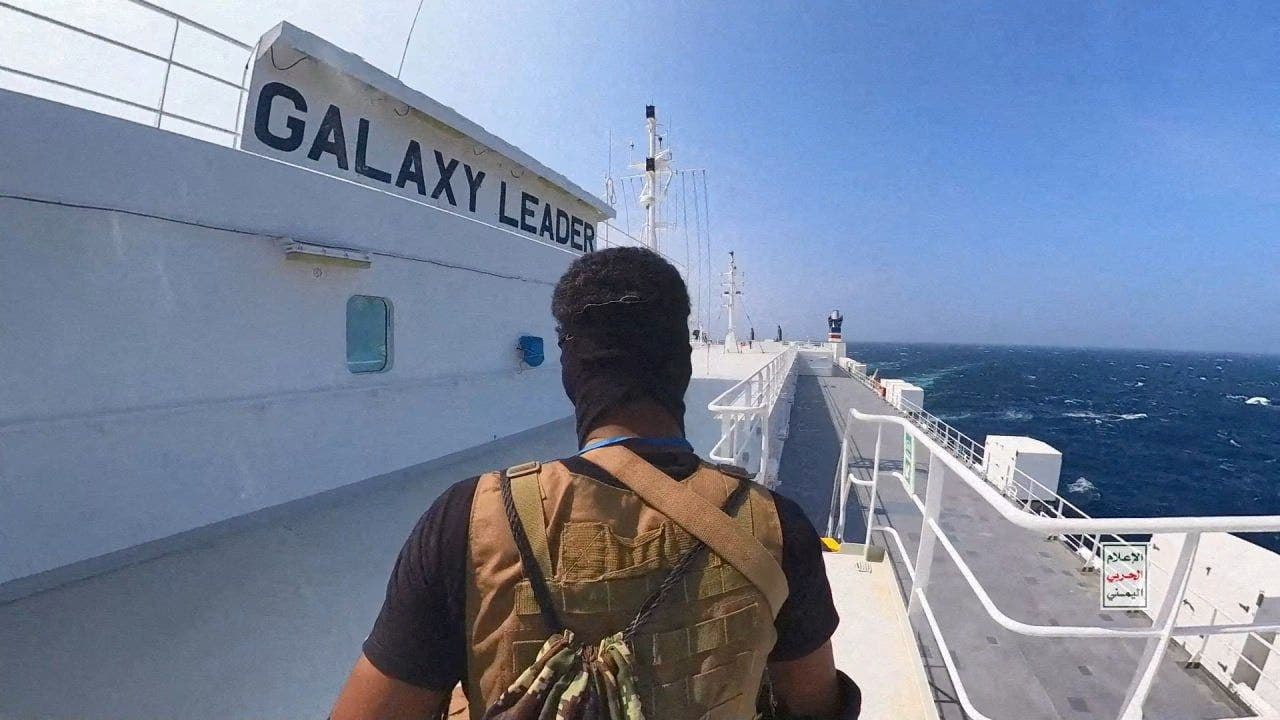
The exodus of shipping companies from the Red Sea due to attacks by Yemen's Houthi militants is causing disruptions in global trade, with major shippers rerouting their vessels to avoid the area. This has led to significant price increases in some ports in Germany and a surge in freight rates. Greece has also advised its shippers to avoid the Red Sea, further impacting global trade routes. The situation is expected to result in higher costs for energy supplies, palm oil, and grains, which will eventually be passed on to consumers. The duration of the disruption and the involvement of naval forces in securing the Red Sea remain uncertain.
Global trade is facing significant disruptions as blockages in both the Suez and Panama canals have caused delays and logistical challenges for shipping companies. The blockage in the Suez Canal, caused by a grounded container ship, has led to a backlog of vessels waiting to pass through, impacting the flow of goods between Asia and Europe. Meanwhile, the Panama Canal is experiencing water shortages due to drought, forcing restrictions on vessel drafts and potentially affecting trade routes between the Atlantic and Pacific Oceans. These disruptions highlight the vulnerability of global supply chains and the need for contingency plans to mitigate future disruptions.
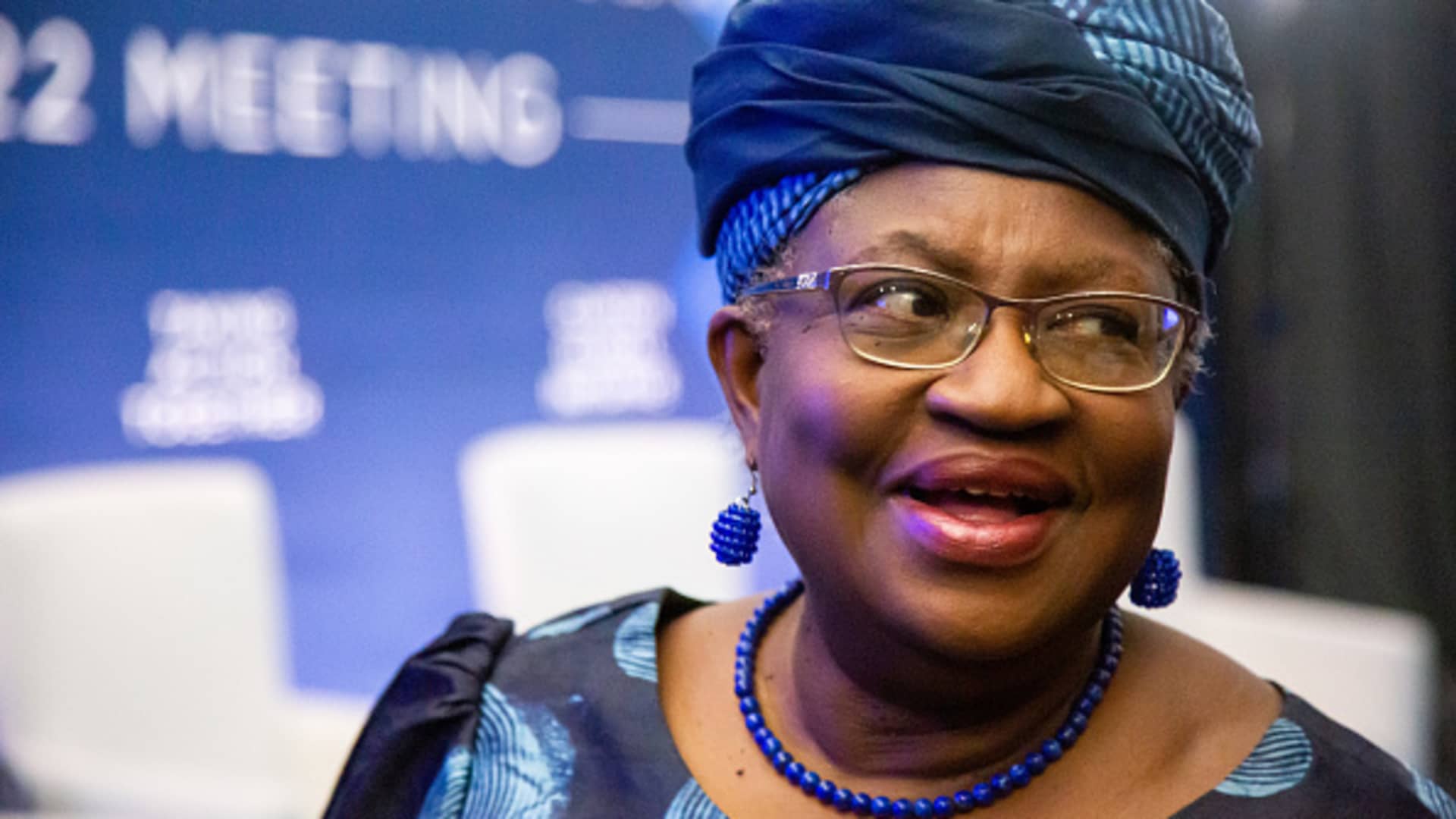
WTO Director-General Ngozi Okonjo-Iweala has called for diversification in global supply chains to reduce the risk of bottlenecks and build resilience. She suggested that developing countries could benefit from diversification, which would boost their economic growth and meet global supply requirements. Okonjo-Iweala also emphasized the need for "reglobalization" to situate diversifying industries in these countries. The WTO is also working on reforming its global trade dispute settlement system, the Appellate Body, with the goal of having a fully functioning system by 2024.