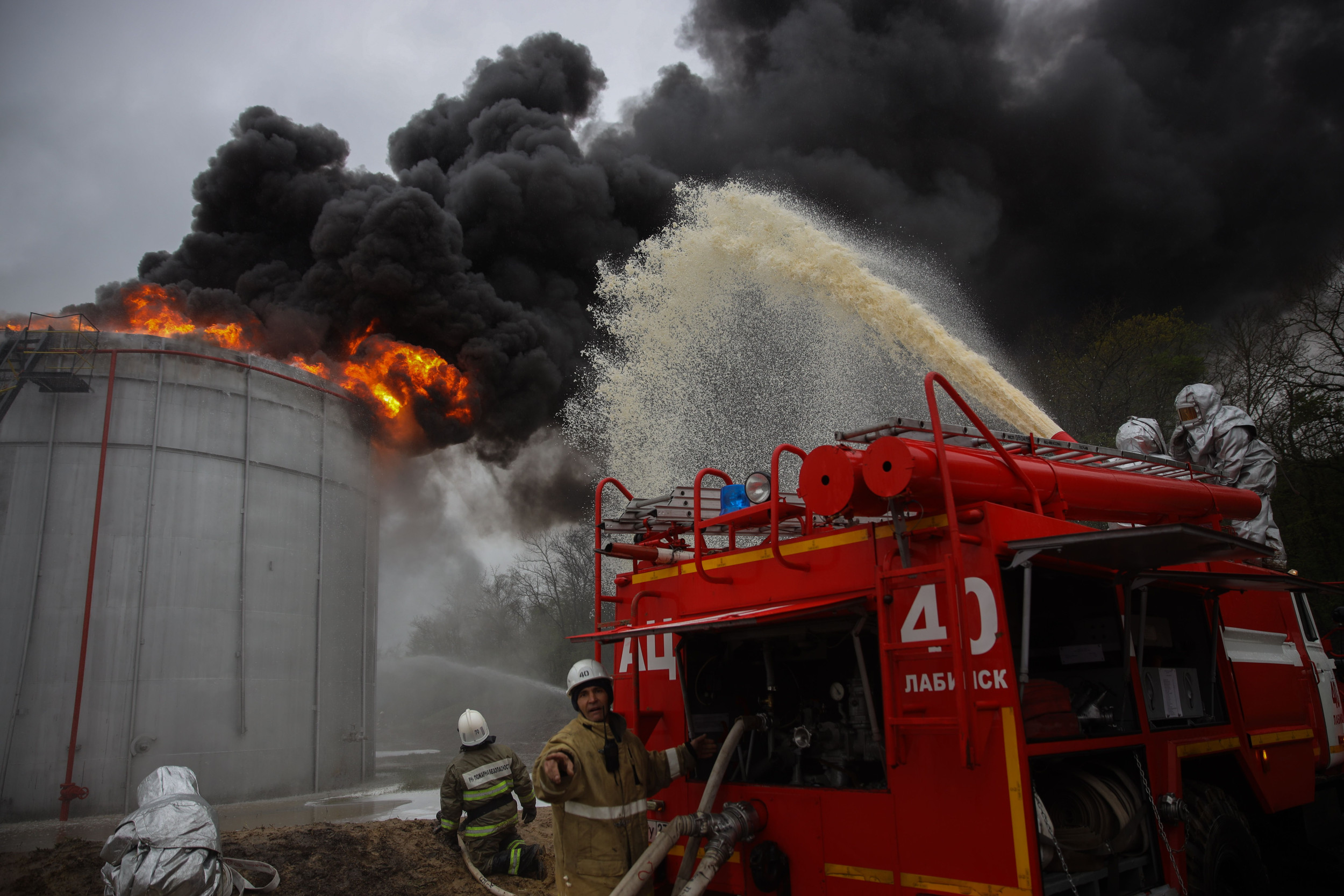
Russia is experiencing fuel shortages, especially of gasoline grades Ai 92 and Ai 95, due to Ukrainian drone attacks on refineries and export terminals, which have reduced refining capacity and exports. Private fuel stations are hit hardest because they can't stockpile fuel amid high interest rates, while oil majors remain operational. The crisis is affecting various regions and is linked to broader geopolitical tensions and economic challenges.
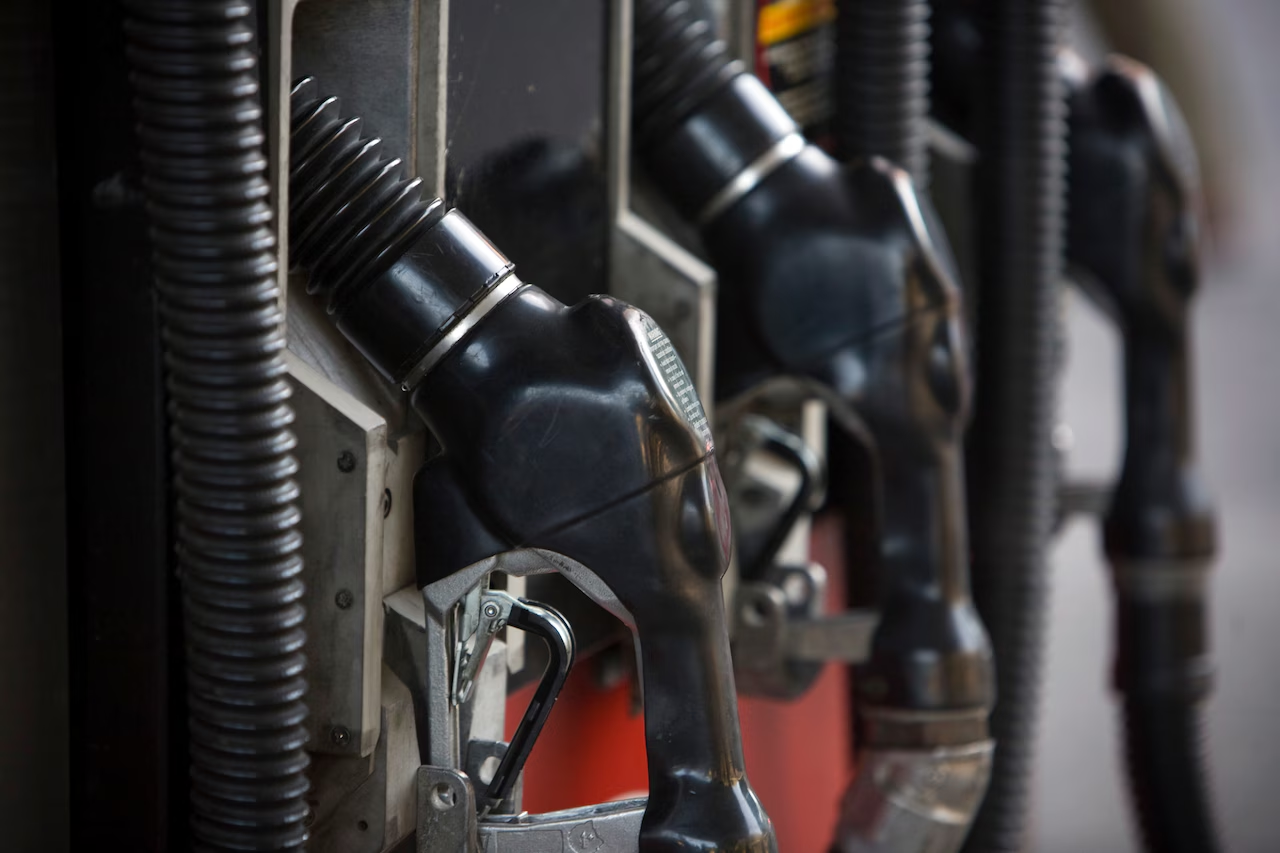
Gas prices in Oregon have surged by 15 cents to $4.28 per gallon due to refinery maintenance, pipeline shutdowns, and the switch to more expensive summer fuel blends, with prices expected to decrease as the Olympic Pipeline resumes operation and refineries switch to cheaper winter blends.
Wholesale gasoline prices in Russia have hit record highs due to Ukrainian drone strikes damaging key refineries, disrupting supply amid peak seasonal demand, with experts divided on when prices will fall and concerns over potential fuel shortages.
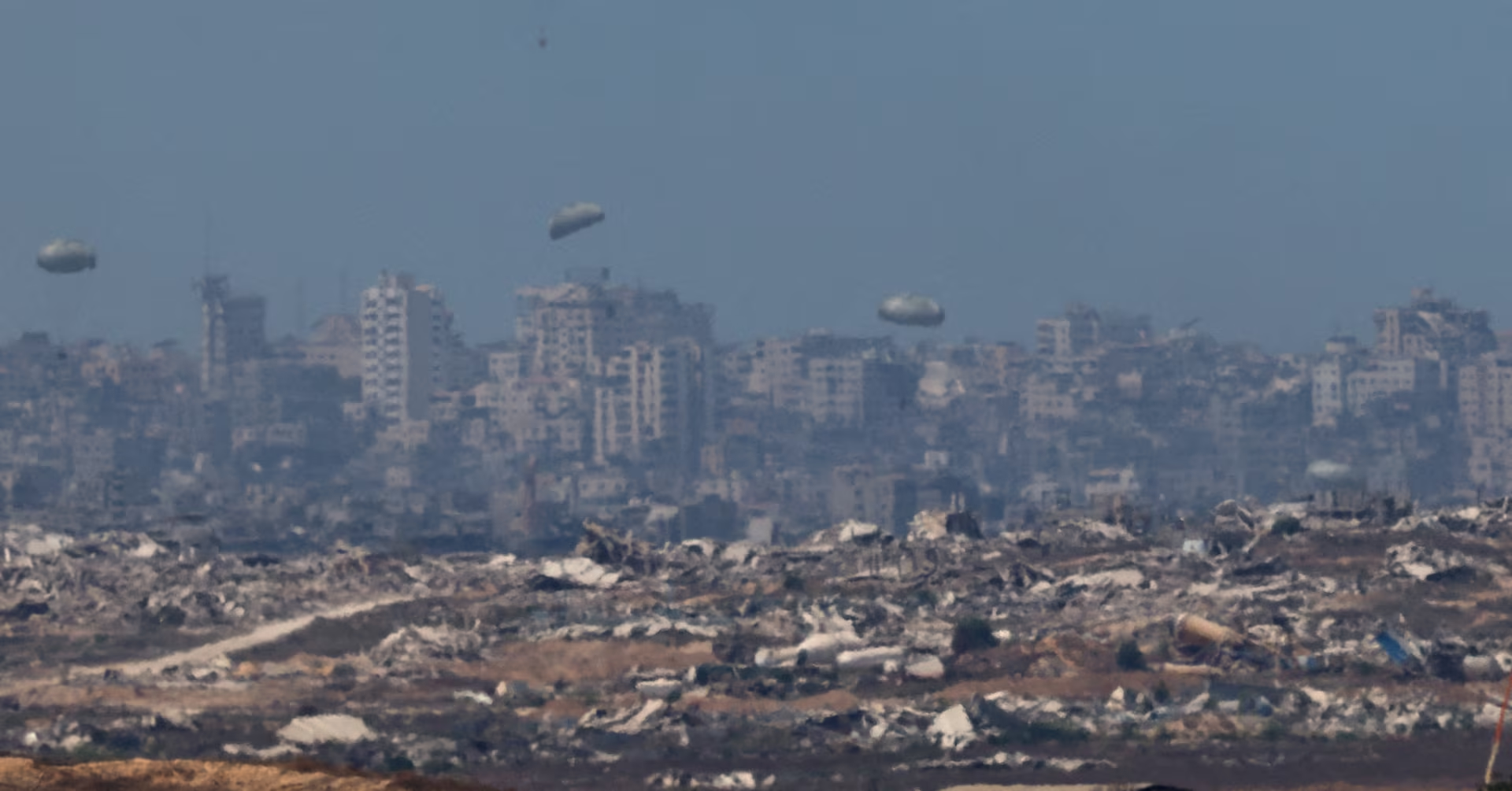
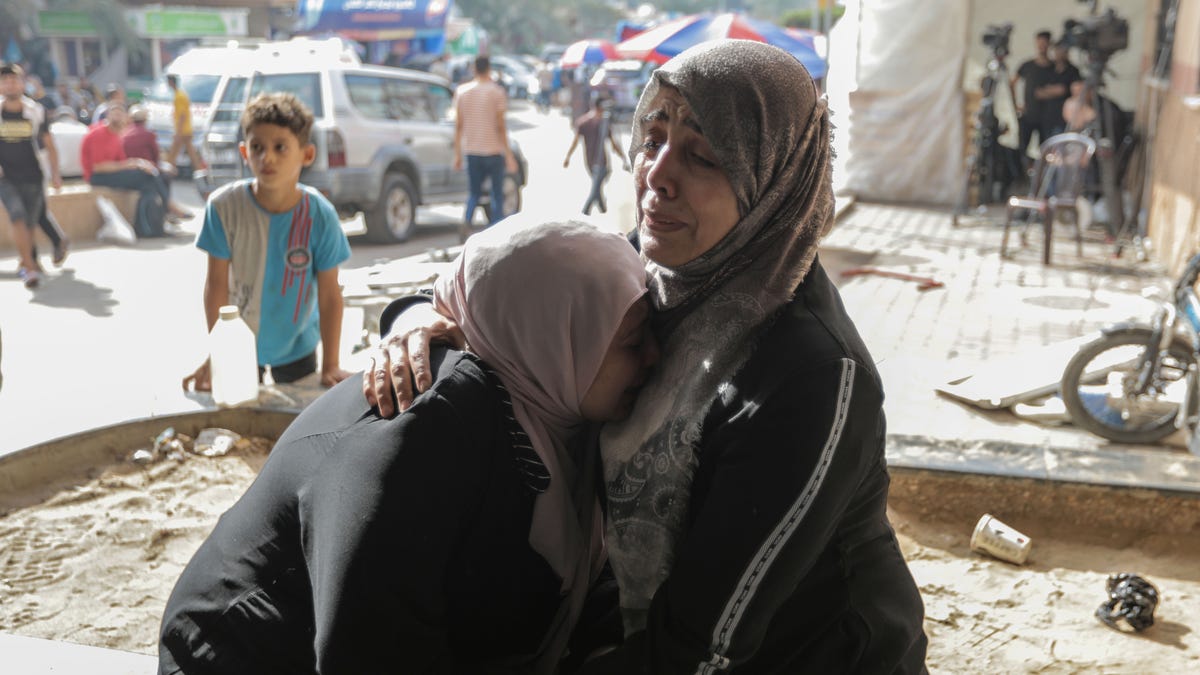
Six more people in Gaza have died from starvation amid ongoing aid restrictions and fuel shortages, with recent efforts to deliver fuel and food hampered by conflict and looting, as the humanitarian crisis worsens with over 175 deaths since the conflict began.
The UN reports a critical fuel shortage in Gaza threatening essential services for 2.1 million people, amid ongoing Israeli airstrikes that have killed at least 28 Palestinians, including children, and a severe humanitarian crisis with rising casualties and aid access issues. Tensions and conflicts continue across the region, with efforts for ceasefire negotiations facing obstacles.
Gaza's largest hospital, Nasser Medical Complex, faces imminent disaster due to critical fuel shortages and ongoing Israeli military operations, with medical staff working under extreme conditions amid widespread destruction and casualties, as negotiations for a ceasefire and hostage release continue amidst escalating violence.
Russia has imposed a six-month ban on gasoline exports in response to booming domestic demand and fuel shortages, exacerbated by Ukraine's strikes on Russian oil hubs and refineries. The ban, effective from May 1, aims to stabilize domestic prices and will not apply to certain countries within the Eurasian Economic Union. Russia's reliance on oil exports, which account for a significant portion of its budget revenues, has been further strained by Western sanctions and the U.S. ban on Russian oil imports.
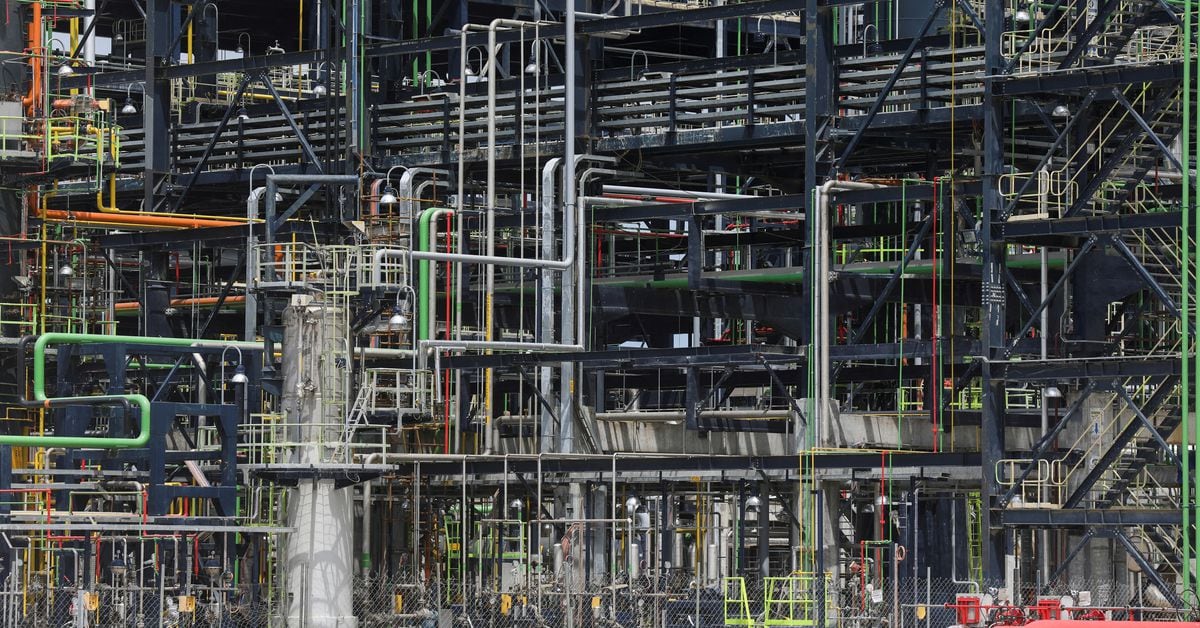
Nigeria's Dangote oil refinery, funded by Aliko Dangote, received its first cargo of 1 million barrels of crude oil from Shell International Trading and Shipping Co (STASCO), marking a significant step towards the start of operations. Once fully operational, the refinery aims to turn Nigeria into a net exporter of fuels, reducing its reliance on imports. The cargo of 1 million barrels is the first of 6 million barrels that will enable the refinery to begin production of diesel, aviation fuel, and Liquefied Petroleum Gas, followed by Premium Motor Spirit. Nigeria's state oil firm NNPC will supply the next four cargoes, with the final cargo coming from ExxonMobil. The refinery, commissioned in May, is one of Nigeria's largest investments and aims to address the country's fuel shortages.
The fuel delivered by Israeli officials to Gaza is still far less than what is needed to cover the basic needs of civilians, according to the United Nations. The limited fuel supply is insufficient to keep critical infrastructure running, including desalination plants, sewage pumps, aid trucks, ambulances, and communication services. The UN commissioner for Palestinian refugees called for the regular and unconditional delivery of fuel to maintain lifesaving activities in Gaza. Meanwhile, President Joe Biden reaffirmed his support for a two-state solution and called for a revitalized Palestinian Authority to govern Gaza and the West Bank. Israeli airstrikes continue to target Gaza, causing civilian casualties, and pro-Palestinian protesters forced their way into a building at the University of Michigan.
Hospitals in Gaza City are facing a dire situation due to a fuel shortage, rendering them inoperable as the conflict between Israeli ground forces and militants escalates. President Biden expressed the need to protect the hospitals and called for less intrusive action from the Israeli military. The largest medical facility, Al Shifa Hospital, is surrounded by Israeli tanks, with thousands of staff, patients, and civilians inside. The situation is described as dire and perilous, with a lack of electricity, water, and essential care. The UN warns that humanitarian work will halt in 48 hours without fuel. Israeli military officials claim that hospitals are being used by Hamas as command centers, while Hamas denies the allegations. The fighting has also prevented the evacuation of injured patients. Over half of the hospitals in Gaza are no longer functioning, and rescuers are struggling to save people trapped under rubble. Conflicting claims have emerged regarding the delivery of fuel to Al Shifa Hospital. Israel has announced the reopening of evacuation routes and a tactical pause in military operations in Rafah. A UN building in southern Gaza was hit by an Israeli naval strike.
The UN Relief and Works Agency for Palestine Refugees (UNRWA) has warned that it will have to suspend aid work in the Gaza Strip within 48 hours due to a fuel shortage caused by the Israeli siege. The lack of fuel has already overwhelmed organizations trying to assist those affected by the ongoing conflict, with hospitals running out of fuel and unable to save patients. The conditions created by the bombing and the siege could also lead to the outbreak of disease, as access to clean water is severely restricted.
Newborn babies in Gaza's Al Shifa hospital are at grave risk as the facility faces a severe shortage of fuel, electricity, water, food, medicines, and equipment due to the ongoing conflict between Israeli tanks and Hamas fighters. Premature babies, who should be in incubators, are now placed side by side on ordinary beds, lacking proper temperature regulation and infection control measures. The lack of sterilization has led to cases of gastritis, diarrhea, and vomiting. Doctors warn that without immediate intervention, the babies' lives are in danger, and the medical staff is emotionally and physically exhausted.
The UN Palestinian refugee agency, UNRWA, has announced that its fuel depot in Gaza has run dry, and within a few days, it will no longer be able to resupply hospitals, remove sewage, or provide drinking water. UNRWA is currently sheltering nearly 800,000 people who have fled their homes due to the Israeli military campaign. The agency's request to the Israeli military to replenish the fuel depot has gone unanswered. Without fuel, hospitals will cease functioning, waste removal services will halt, and desalination plants providing drinking water will stop, exacerbating the dire situation in Gaza.
Israel Defense Forces Chief of Staff Lt. Gen. Herzl Halevi stated that Israel will allow the transfer of fuel to the Gaza Strip if hospitals run out, but he denied reports of a fuel shortage in the Hamas-controlled enclave. He emphasized that future fuel entry will be closely monitored to ensure it does not reach Hamas.
The Turkish-Palestinian Friendship Hospital, the only facility offering cancer treatment in Gaza, has shut down due to a lack of fuel caused by the Israeli blockade. With 16 out of 35 hospitals and over 50 primary healthcare clinics now out of service, the lives of 70 cancer patients are at serious risk. The ongoing bombardment by the Israeli military has put immense pressure on medical workers, while pregnant women face the prospect of giving birth without medical support. Humanitarian operations in Gaza are also on the brink of collapse due to fuel shortages.