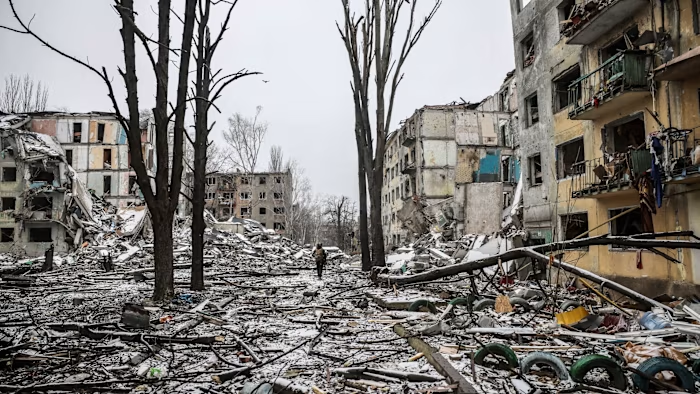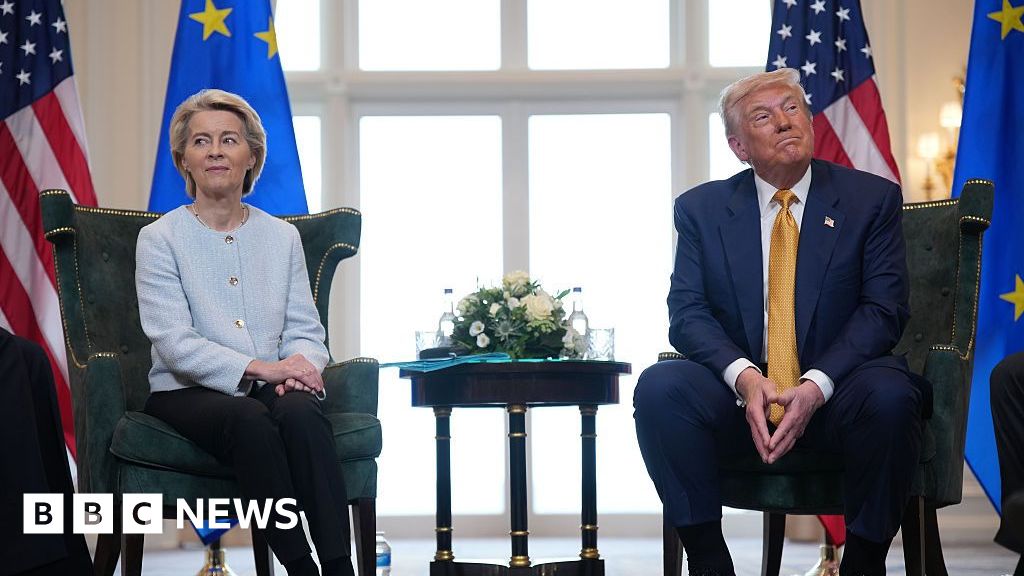
European investors are optimistic about growth in 2026, driven by global recovery hopes and German fiscal stimulus, but geopolitical tensions, especially around Ukraine and US-Europe relations, pose significant risks. A potential peace deal may not substantially boost long-term growth and could introduce political instability, with US opposition to European integration and energy dependencies complicating Europe's path forward.
Originally Published 3 months ago — by Hacker News
The Dutch government has intervened to take control of Chinese-owned chipmaker Nexperia due to concerns over technological knowledge leakage and economic security, marking a rare use of a law from 1952 to protect strategic industries in Europe.
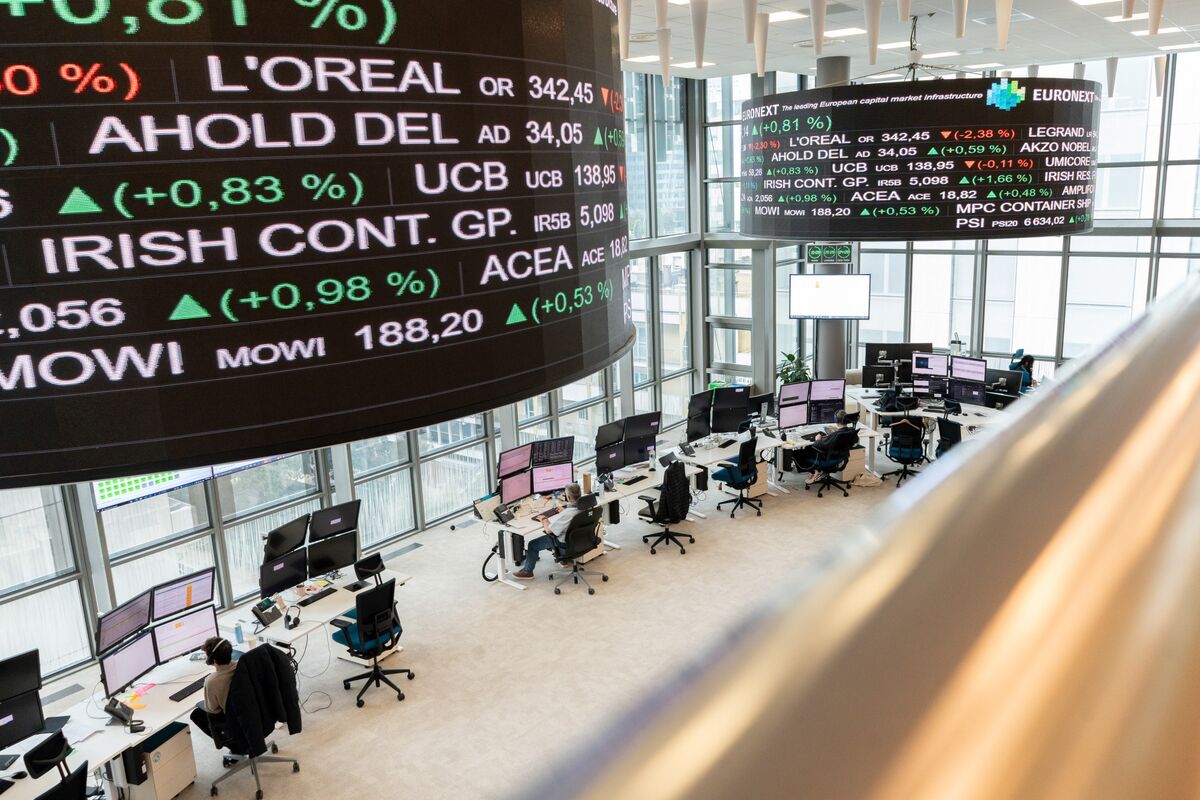
European stock markets opened higher amid positive earnings from Nvidia, despite some declines like Drax's 11% drop due to regulatory probes. Nvidia's strong sales growth signals AI sector resilience, while European auto data shows significant growth in EV registrations, especially from Chinese manufacturers like BYD. Drax's investigation and upcoming economic data are key points to watch.
European leaders are cautious about the EU-US trade agreement announced after months of negotiations, which reduces threatened tariffs from 30% to 15%, but many details remain unresolved and discrepancies exist between the sides. The deal is seen as a first step, with ongoing negotiations expected, and some EU countries, especially Germany, Ireland, and Italy, will face significant economic impacts due to the tariffs.
European equities are outperforming global markets, driven by positive economic outlooks, increased fiscal spending, and resilience amid US trade tensions, with smaller markets and defense stocks leading gains, and analysts optimistic about continued outperformance if earnings grow.
Taylor Swift's Eras Tour is expected to significantly impact Europe's economy this summer, with hundreds of thousands of fans increasing demand for hotels, restaurants, and other services. Economists, including the European Central Bank's chief economist, are monitoring the potential inflationary effects as the tour coincides with other major events like the Olympics and Euro 2024.
The article discusses the potential for the European Central Bank (ECB) to cut interest rates, offering insights into the implications for the European economy and financial markets.
Attacks by Iranian-backed Houthi militants in the Red Sea have disrupted shipping in the Suez Canal, impacting around 15% of global sea trade and potentially derailing plans to cut interest rates in Europe. While the disruptions have not yet significantly affected the European economy, prolonged trade disruption could lead to increased inflation and impact firms and the economy. The situation may prompt companies to consider alternative, more secure supply routes, but these options are likely to come with higher costs.
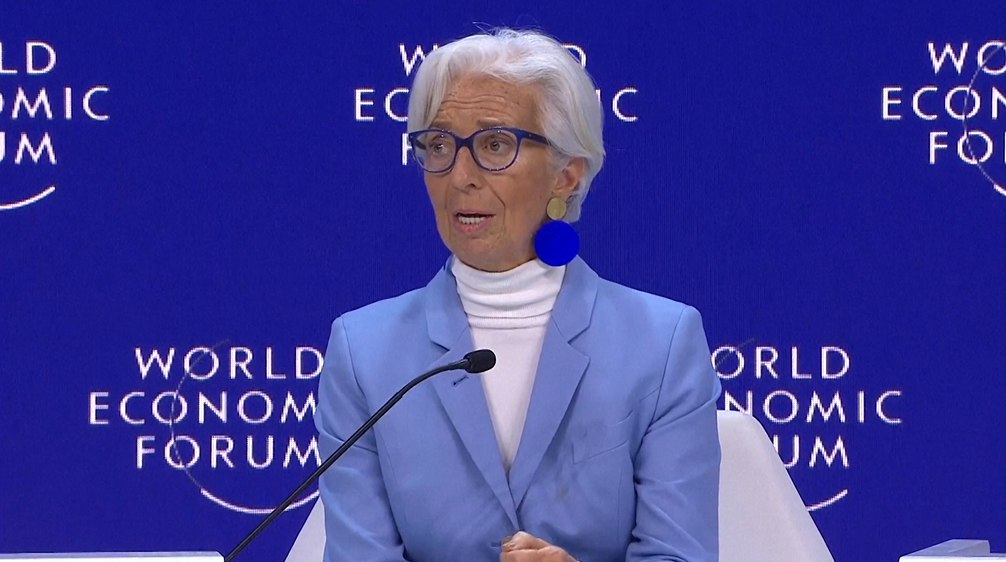
At the World Economic Forum in Davos, leaders were questioned about how they would prepare for the potential reelection of Donald Trump. Discussions revolved around the impact of a Trump presidency on global economies, with suggestions including fostering European competitiveness, strengthening domestic markets, and transitioning towards a greener economy. The panel emphasized the need for countries to focus on their own economic strengths and capabilities in order to navigate potential changes in U.S. leadership.
Economists are cautiously optimistic about the European economy in 2024, anticipating a transition to expansion despite lingering uncertainties. Hopes for monetary policy easing from the U.S. Federal Reserve and the European Central Bank have buoyed stock markets, with expectations of rate cuts and declining inflation. Key factors influencing the economy and markets include monetary transmission, the labor market, and competitiveness. Barclays maintains a positive outlook for equity returns, particularly for value and small-cap stocks, while holding a neutral view on quality and growth stocks.
Germany is predicted to be the only major European economy to experience an economic contraction this year, with a 0.4% fall in economic activity, according to the European Commission. The country's struggles can be attributed to factors such as the aftermath of Russia's invasion of Ukraine and declining manufacturing activity. The European Commission also revised its growth expectations for Germany in 2024. Additionally, the forecasts point to a general slowdown across the region, with the 27 EU economies expected to grow at an average pace of 0.8% this year. High inflation continues to be a challenge, with consumer prices likely to remain above the European Central Bank's target.
Oil experienced its biggest weekly decline since May due to fears of an economic slowdown in Europe and potential rate hikes by the Federal Reserve. Fed Chair Jerome Powell's comments on further monetary tightening in the second half of the year lifted the US dollar, making commodities priced in the currency less attractive. Technical trading and concerns over demand have also contributed to the slump, despite production cuts from OPEC and its allies.
Germany has fallen into recession for the first time since the Covid-19 pandemic began due to a fall in domestic consumption caused by high inflation. The country's GDP fell by 0.3% between January and March, following a 0.5% decline between October and December last year. The European Central Bank's interest-rate hikes to combat inflation have put a considerable brake on activity, and the German government remains optimistic with a growth forecast of 0.4% in 2023. However, the IMF forecast in April that German economic activity would contract by 0.1% this year, making Germany the potential black sheep of Europe.
European Central Bank policymakers are leaning towards a 25 basis point interest rate hike in May, despite other options remaining on the table and the debate not being settled. The ECB has raised rates by at least 50 basis points each at six successive meetings to fight stubbornly high inflation. However, uncertainty remains high after last month's financial sector volatility and past rate hikes have yet to work their way through the economy, so less is needed because past moves are still taking hold.