Scientists have identified the comb jelly as the first animal to branch off from the common ancestor of all animals, using new chromosomal analysis techniques that compare gene arrangements across species, resolving a long-standing debate between sponges and comb jellies.
A recent study shows that most known species across the tree of life originated during rapid evolutionary events called 'explosions' of diversity, with most species belonging to a few large, fast-diversifying groups, although bacterial diversity remains less understood.
Scientists warn that the discovery of a 'second Tree of Life' could have significant ecological and evolutionary implications. This concept suggests the existence of a separate lineage of life forms that evolved independently from known organisms, potentially disrupting current understanding of biodiversity and ecological balance. The findings could lead to a reevaluation of evolutionary theories and necessitate new conservation strategies.
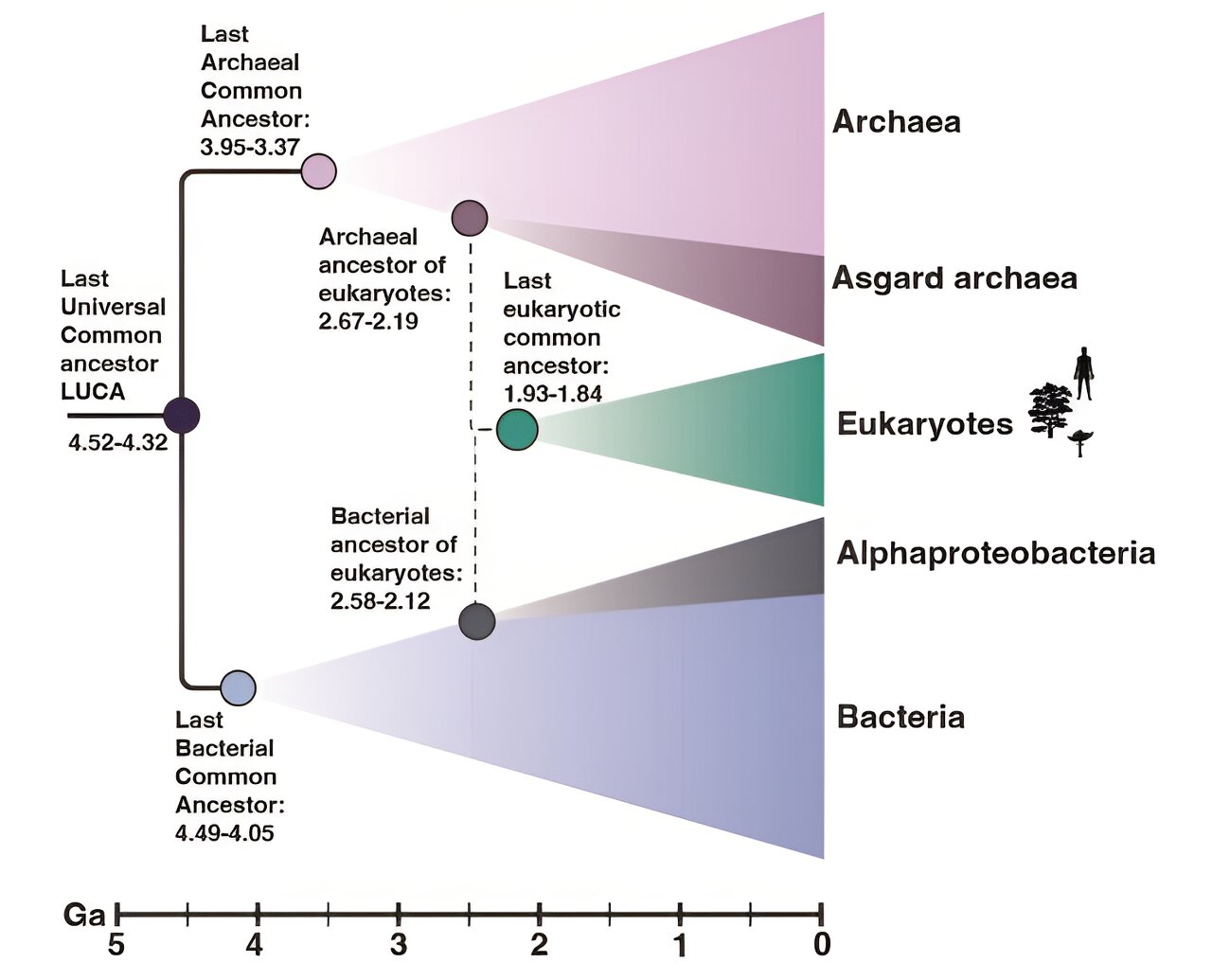
Biologists have estimated that LUCA, the last universal common ancestor of all living organisms, lived between 4.32 and 4.52 billion years ago. Using a new molecular dating approach, researchers determined that the split between bacteria and archaea occurred between 4.05 and 4.49 billion years ago, while the last common ancestor of eukaryotes emerged between 1.84 and 1.93 billion years ago. The study also suggests that earlier archaea may have either died out or remain undiscovered. Understanding the evolution of these ancient microbes can provide insights into nutrient cycling and predict future biodiversity in a changing environment.
Human activity is causing a mass extinction event, comparable to the comet that wiped out the dinosaurs, by driving entire branches of the tree of life to extinction. Ecologists warn that this irreversible threat is changing the trajectory of evolution globally and destroying the conditions necessary for human life. The rate of extinction is 35 times higher than previous levels, and if current trends continue, all current endangered genera could be extinct by 2100. This loss of biodiversity has severe cascading consequences for ecosystems and human society. Urgent political, economic, and social efforts are needed to prevent further extinctions and their societal impacts.
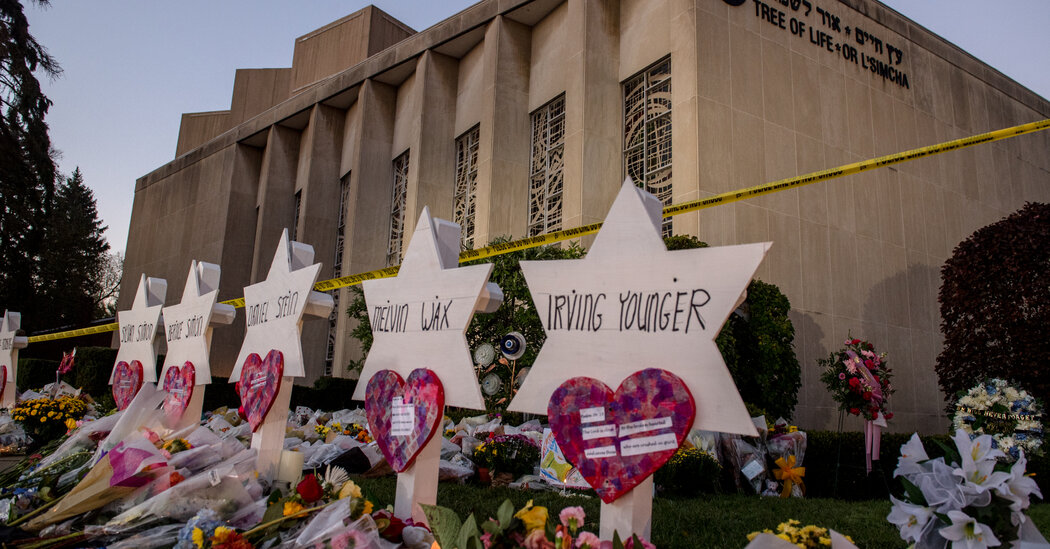
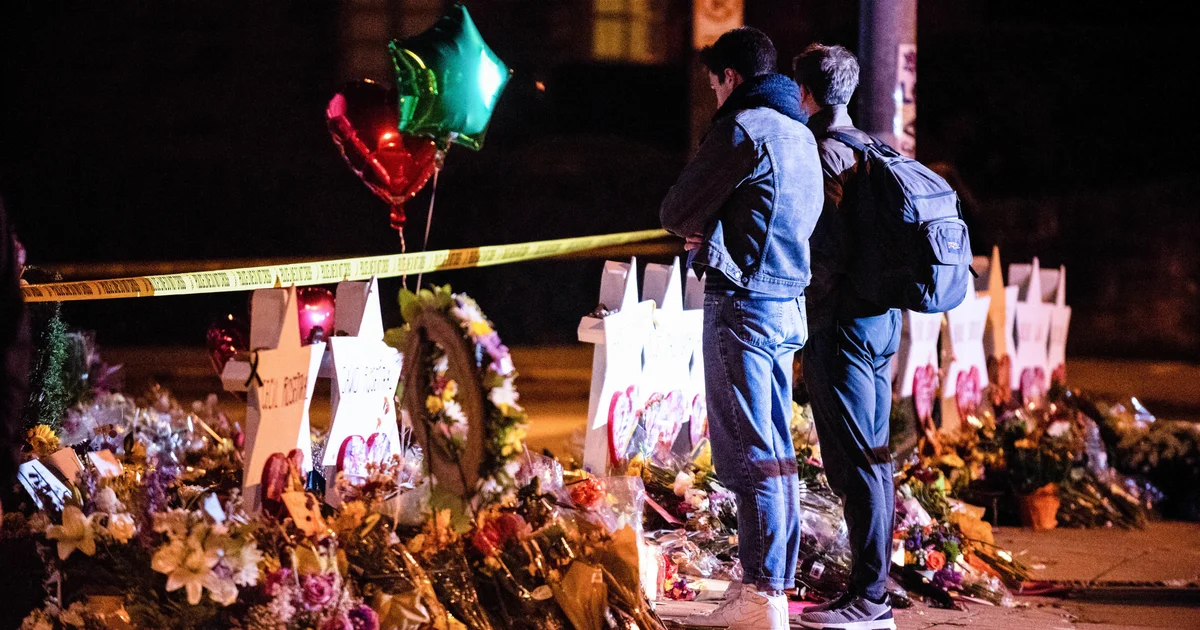
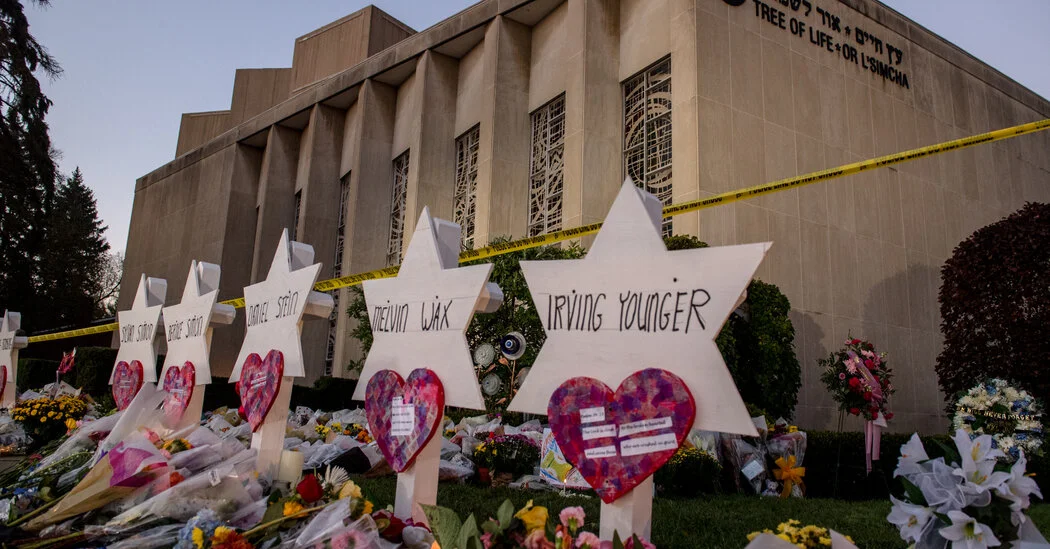
The trial of Robert G. Bowers, who is accused of killing 11 people at the Tree of Life synagogue in Pittsburgh in 2018, has begun. Prosecutors say Bowers was a methodical killer who considered Jews a “cancer upon the planet” and hunted down his victims as they hid in the pews. Bowers faces 63 hate-crime and gun-related charges in the mass killing, which would make him eligible for the death penalty if he is convicted. His defense team has filed motions stating that he suffers from schizophrenia and epilepsy and offered to have Bowers plead guilty in exchange for a life prison sentence, which prosecutors rejected.
Scientists are trying to determine if life on Earth evolved only once or if different living beings emerged from different origins. The origin of life is a central question in modern biology, and probably the hardest to study. The current scientific consensus is that life emerged from non-living molecules in a natural process called abiogenesis, most likely in the darkness of deep-sea hydrothermal vents. Abiogenesis could have happened more than once, but all extant life beings descend from a single shared last universal common ancestor of life (LUCA).
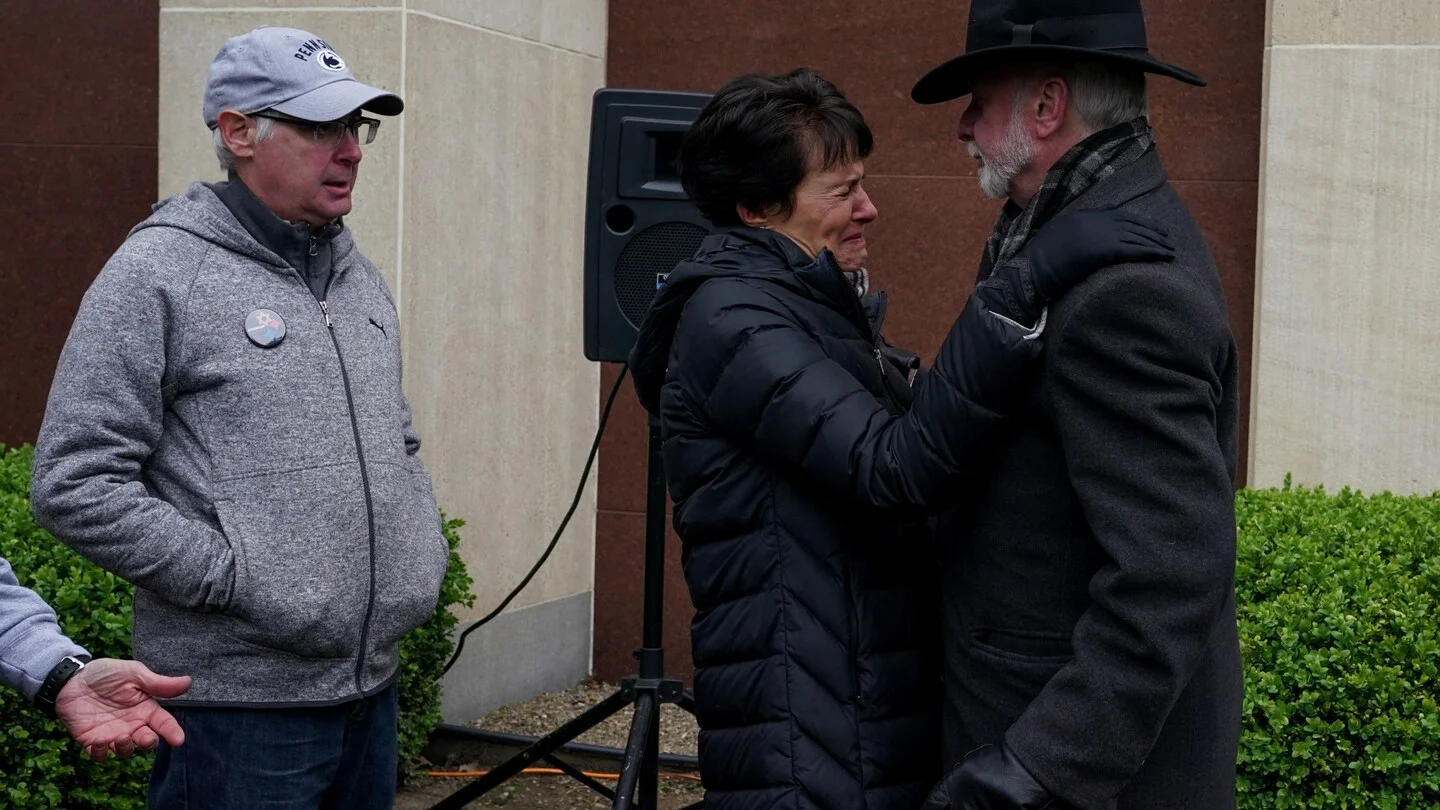
The trial of Robert Bowers, the man accused of killing 11 people at the Tree of Life synagogue in Pittsburgh in 2018, has begun with jury selection. Federal prosecutors will seek the death penalty for Bowers, who has been charged with 63 crimes, including 11 counts of hate crimes resulting in death. Bowers' defense team has argued that he is suffering from a "major mental illness" that includes schizophrenia. Members of the three congregations affected by the attack have differing opinions on seeking the death penalty.
Jury selection has begun for Robert Bowers, a truck driver accused of shooting to death 11 Jewish worshippers at a Pittsburgh synagogue in 2018. Bowers faces 63 counts, including 11 counts of obstruction of free exercise of religion resulting in death and 11 counts of hate crimes resulting in death. He could get the death sentence if convicted. During the trial, prosecutors are expected to present incriminatory statements he allegedly made to investigators, an online trail of antisemitic statements, and the guns recovered from him at the crime scene. Bowers' lawyers recently said he has schizophrenia and structural and functional brain impairments.
The trial of Robert Bowers, accused of killing 11 people at the Tree of Life synagogue in Pittsburgh in 2018, begins with jury selection. Federal prosecutors will seek the death penalty, while Bowers' defense team argues he suffers from a "major mental illness." The trial will focus on whether Bowers should be executed, as the facts surrounding the shooting are mostly undisputed. The victims were members of three congregations, and there is a wide array of opinions among them about seeking the death penalty.