A new, more severe variant of influenza A H3N2 called 'super flu' has emerged, causing serious symptoms and spreading rapidly across the US, especially in densely populated areas like New York. Health officials recommend vaccination and antiviral treatments such as Tamiflu and Xofluza to combat it, and warn that this flu season could be particularly challenging.

New research suggests that long covid may be linked to chronic inflammation, with activated immune defenses persisting for over six months, leading to potential new treatment avenues targeting inflammation. The study highlights the need for further research and clinical trials to develop effective therapies for long covid, which affects millions worldwide.
The article discusses symptoms and treatment options for hiatal hernia, particularly focusing on women over 50, highlighting the importance of recognizing symptoms and seeking appropriate medical care.
A study reveals that Alzheimer's disease may hijack the body's cellular clocks, with circadian rhythms controlling many genes linked to the disease, suggesting potential new treatment strategies by manipulating these biological clocks to prevent or slow disease progression.
Over the past 70 years, anxiety treatments have evolved from tranquilizers like Miltown in the 1950s to benzodiazepines in the 1960s-70s, and then to SSRIs and SNRIs from the 1980s-2000s, with no new medications approved since 2004. Despite slowed innovation, existing treatments have been refined, and new approaches are in development, but effective, long-term solutions for everyone remain a challenge.
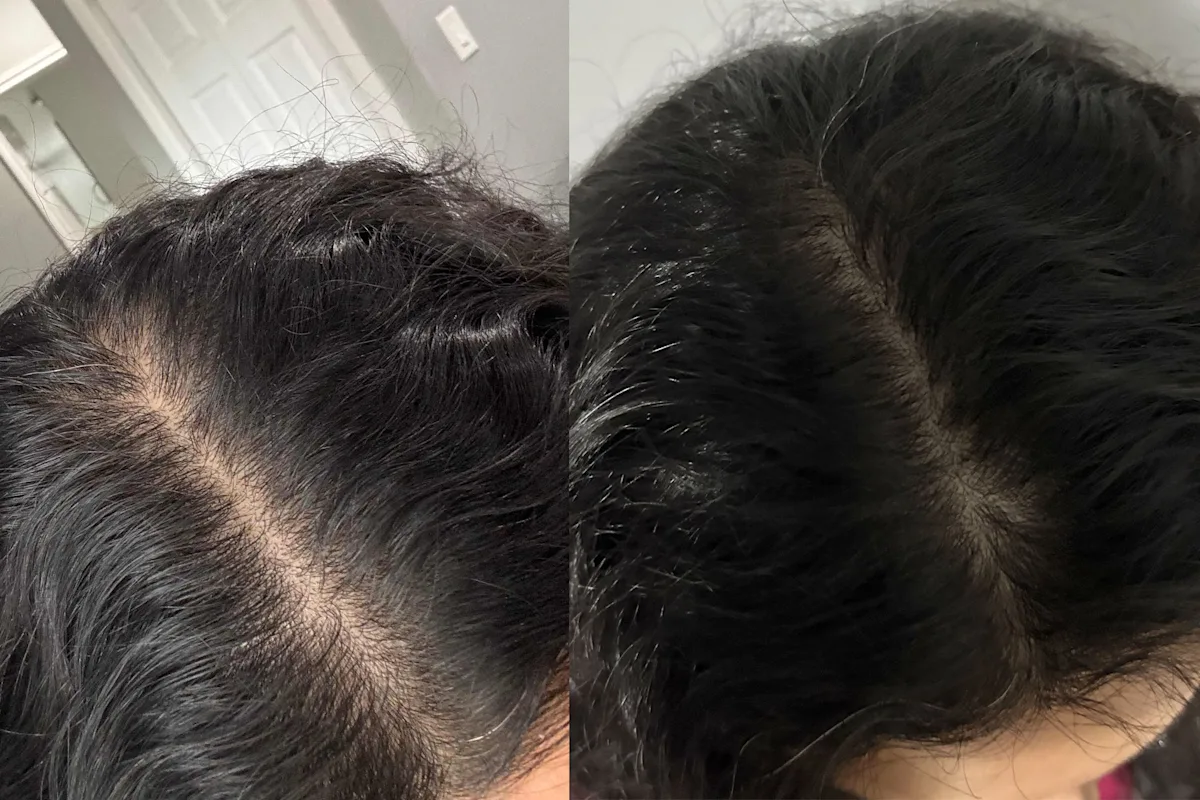
The article discusses the commonality of hair loss and highlights the importance of understanding different types and effective treatments, based on insights from a dermatologist at Johns Hopkins University.
The article discusses the complexities of autoimmune diseases like lupus, highlighting recent scientific advances such as CAR-T therapy and targeted drugs, which offer hope for better diagnosis, understanding, and treatment of these conditions that affect millions worldwide.
Autoimmune diseases, which can affect nearly every part of the body and are more common in women, occur when the immune system mistakenly attacks healthy tissues. There are over 100 such diseases, with symptoms ranging from mild to life-threatening, and diagnosis can be complex. Recent research offers hope for more targeted treatments and early interventions, with ongoing clinical trials showing promising results. The global market for autoimmune treatments is substantial, reflecting the widespread impact of these chronic conditions.
Autoimmune diseases, which can affect various parts of the body and are more common in women, occur when the immune system mistakenly attacks healthy tissues. They are difficult to diagnose due to vague symptoms and overlapping conditions, but new research and clinical trials are exploring treatments that aim to reprogram the immune system and delay disease onset. Despite advances, treatment remains complex and often lifelong, with ongoing efforts to improve diagnosis and develop targeted therapies.
Dry mouth, or xerostomia, affects about 20% of people and can cause symptoms like burning, bad breath, and cavities. It results from reduced saliva flow due to various causes such as medications, mouth breathing, or medical treatments. Dentists recommend over-the-counter products like mouthwashes, tablets, lozenges, gels, and chewing gums that stimulate saliva or act as substitutes, emphasizing alcohol-free and sugar-free options. Lifestyle changes and regular dental checkups are also crucial for managing dry mouth and preventing long-term damage.
October marks Breast Cancer Awareness Month, highlighting the importance of early detection, available treatments, and support resources. Breast cancer is common among women, with early diagnosis significantly improving outcomes. Key resources include screening tests like mammograms, various treatment options, and support networks such as walks and survivor connections. Awareness and early detection are crucial for better prognosis.
Josif Wittnik shares his experience with recurrent prostate cancer to raise awareness, emphasizing the importance of regular screenings and early detection, especially for high-risk groups, during September Prostate Cancer Awareness month.
The article discusses causes of hair thinning in women, such as androgenetic alopecia and telogen effluvium, and highlights treatments like minoxidil and key ingredients like biotin and caffeine. It emphasizes consulting a dermatologist for personalized solutions and shares personal success with targeted products, along with recommendations for hair thinning treatments and products.
Women experiencing hair loss have numerous treatment options available, but navigating them can be confusing due to misinformation and access issues. Consulting healthcare professionals for proper diagnosis and treatment, including prescription options like minoxidil and spironolactone, is recommended over unproven remedies found on social media. New drugs like JAK inhibitors show promise for conditions like alopecia areata, but personalized medical advice is essential.