During National Alzheimer’s Disease Awareness Month, the President emphasizes the impact of the disease on millions of Americans, highlights efforts to boost research and innovation, and reaffirms commitment to finding a cure and supporting affected families.
October marks Breast Cancer Awareness Month, highlighting the importance of early detection, available treatments, and support resources. Breast cancer is common among women, with early diagnosis significantly improving outcomes. Key resources include screening tests like mammograms, various treatment options, and support networks such as walks and survivor connections. Awareness and early detection are crucial for better prognosis.
During National Ovarian Cancer Awareness Month, the President emphasizes the fight against ovarian cancer, highlights efforts to improve healthcare access and affordability, and commits to eradicating all forms of cancer to build a healthier future for Americans.
Health experts are urging the public to be vigilant about the symptoms of bowel cancer as April marks Bowel Cancer Awareness month in the UK. While the disease typically affects those over 50, it can impact people of any age. Promptly seeking medical advice if symptoms arise and participating in screening are crucial steps in combating bowel cancer. Symptoms to watch out for include blood in the stool, changes in bowel habits, abdominal pain or lump, fatigue, and unexplained weight loss. Early detection through screening can significantly improve treatment outcomes, and individuals over 50 are encouraged to participate in regular screening tests.
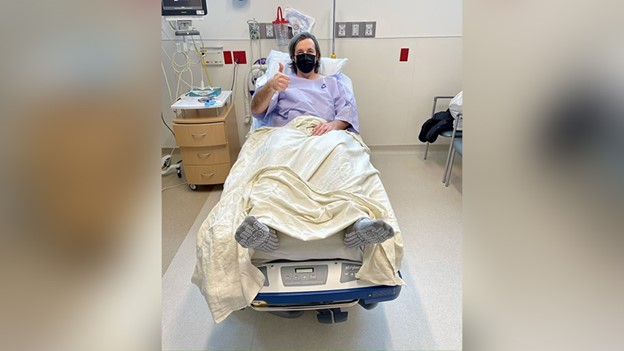
Mark Seguin, a colon cancer survivor, urges people to listen to their bodies and get screened early after being diagnosed at 35. With the rise of cases among younger adults, the recommended age for screening has been lowered to 45. Intermountain Health is raising awareness with a giant inflatable colon tour, emphasizing the importance of regular screenings and healthy lifestyle choices to lower the risk of colon cancer.
October is Cybersecurity Awareness Month, marking 20 years of collaboration between government and industry to combat security risks and fraud. Despite businesses offering online security training, keeping up with cybercriminals remains challenging. This year's focus includes multi-factor authentication, strong passphrases, software updates, and recognizing/reporting phishing. Digital forensics expert Sean Smith emphasizes that humans are the weakest link in security and advises caution when friending people online, verifying identities, and avoiding connecting with "friends of friends" digitally.
A mother in Lincoln, Nebraska, is sharing her daughter's story of struggling with a traumatic brain injury and subsequent suicide to raise awareness about suicide prevention. After the injury, the daughter's behavior changed, and she eventually took her own life. The mother hopes that by spreading the warning signs and encouraging people to check in with their loved ones, they can prevent others from experiencing the same tragedy. The daughter's organ donation saved lives, and the mother plans to organize events for suicide prevention in her honor.
September is Blood Cancer Awareness Month, dedicated to raising awareness about the disease. Dr. Niti Krishna Raizada, a medical oncologist, debunks common myths surrounding blood cancer. These include the misconception that it is contagious, that only older people get it, and that it always causes visible symptoms. While blood cancer can be serious, advances in research and treatment have improved prognosis. There are different types of blood cancer, each with its own characteristics and treatment options. Blood cancer cannot be prevented, but certain risk factors can be avoided. Blood donation does not cause blood cancer, and dietary choices alone cannot cure it. Chemotherapy may cause temporary hair loss, but it is not extremely painful. Donating stem cells or bone marrow can be uncomfortable but is generally not extremely painful or dangerous.
Health officials in California are warning about the rise of Valley Fever, a fungal infection spread through inhaling spores found in the soil. While the number of cases in the state has decreased compared to last year, officials are concerned that the weather may cause an increase in cases. Valley Fever can be mild for some, but poses a risk for certain populations, including those of Filipino or African descent, individuals with severe diabetes, or compromised immune systems. Local health officials recommend staying away from dusty areas and getting tested if symptoms arise.
A Valley man is raising awareness about esophageal cancer after losing his partner to the disease last year. Dave Bigott was diagnosed with Stage IV esophageal cancer in early 2022 after experiencing issues with eating and acid reflux. Despite significant progress in treatment, only about 20% of people with esophageal cancer survive at least five years after diagnosis. The man is using Facebook to connect with others and raise awareness about the importance of early detection. April is Esophageal Cancer Awareness Month.