A woman visiting the Galápagos Islands contracted a rare eye parasite, a Philophthalmus lacrymosus fluke, which was successfully removed, highlighting the potential health risks of parasitic infections from travel to endemic regions.
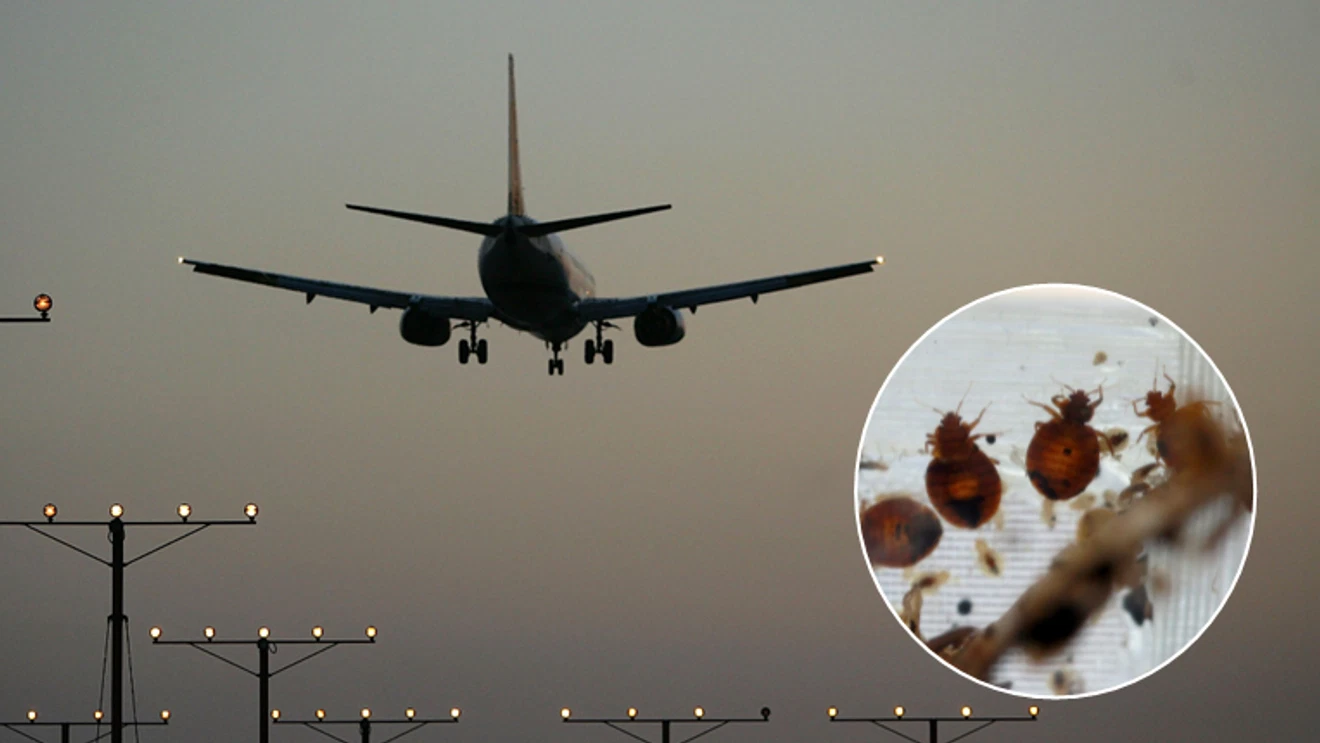
A Virginia family has filed a lawsuit against Delta and KLM airlines, claiming they were bitten by bedbugs during a transatlantic flight, which caused health issues and ruined their vacation. The family alleges the infestation was hidden by flight staff, and they are seeking $200,000 in damages.
A Roanoke family has sued Delta and KLM airlines after claiming they were bitten by bedbugs during a flight, resulting in injuries and emotional distress, and seeking at least $200,000 in damages.
A Massachusetts woman claims her Bahamas cruise on the Norwegian Breakaway was ruined by bedbug bites, which she reported to staff without response. After returning home, she confirmed the bites with a healthcare provider and took measures to treat her belongings. Norwegian Cruise Line denied her reports of illness and stated no bedbugs were found in her room. The incident has caused her emotional distress, and she is seeking psychological support.
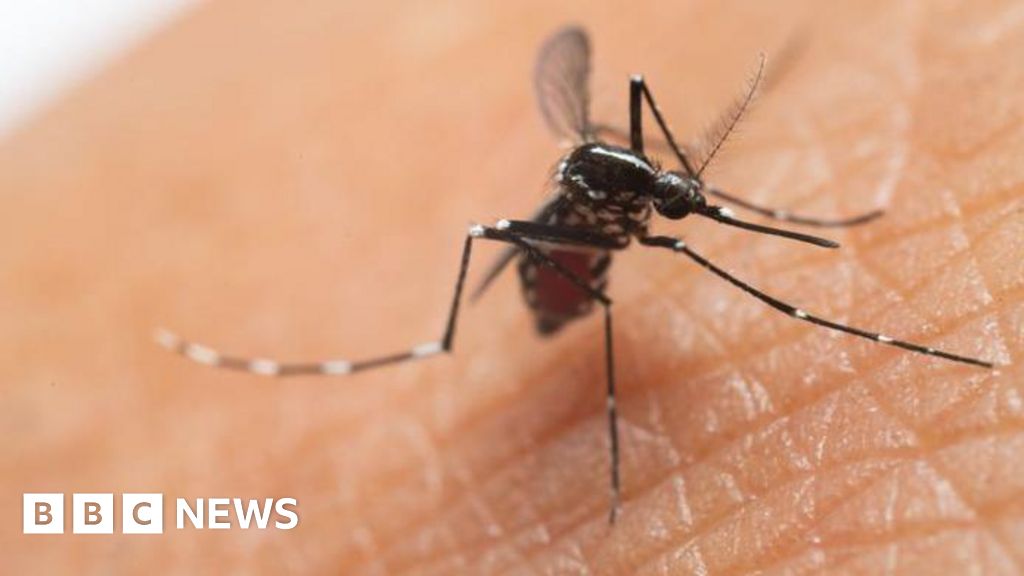
UK has seen a more than doubling of chikungunya virus cases in the first half of the year, all linked to travel to regions like India, Sri Lanka, and Mauritius, with health officials urging travelers to take precautions against mosquito bites. Additionally, the first UK cases of the Oropouche virus, typically found in Central and South America, have been reported in travelers returning from Brazil, highlighting a rise in such infections globally.
A person from Yorkshire has died from rabies after contact with a stray dog in Morocco, highlighting the importance of avoiding animal contact abroad and seeking prompt medical treatment after potential exposure. The UKHSA emphasizes that rabies is nearly always fatal but preventable with timely post-exposure vaccination, and advises travelers to consult health guidance before visiting rabies-endemic regions.
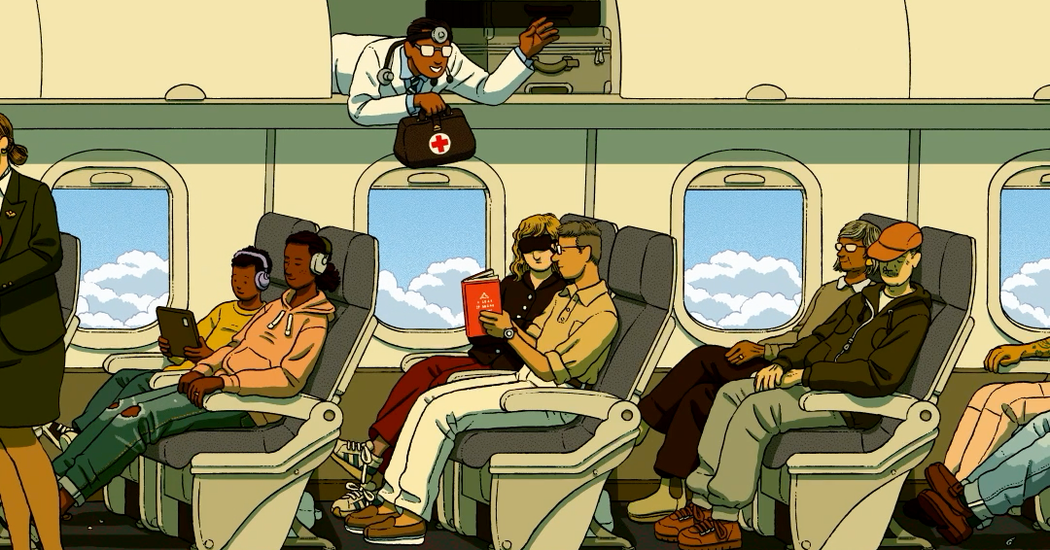
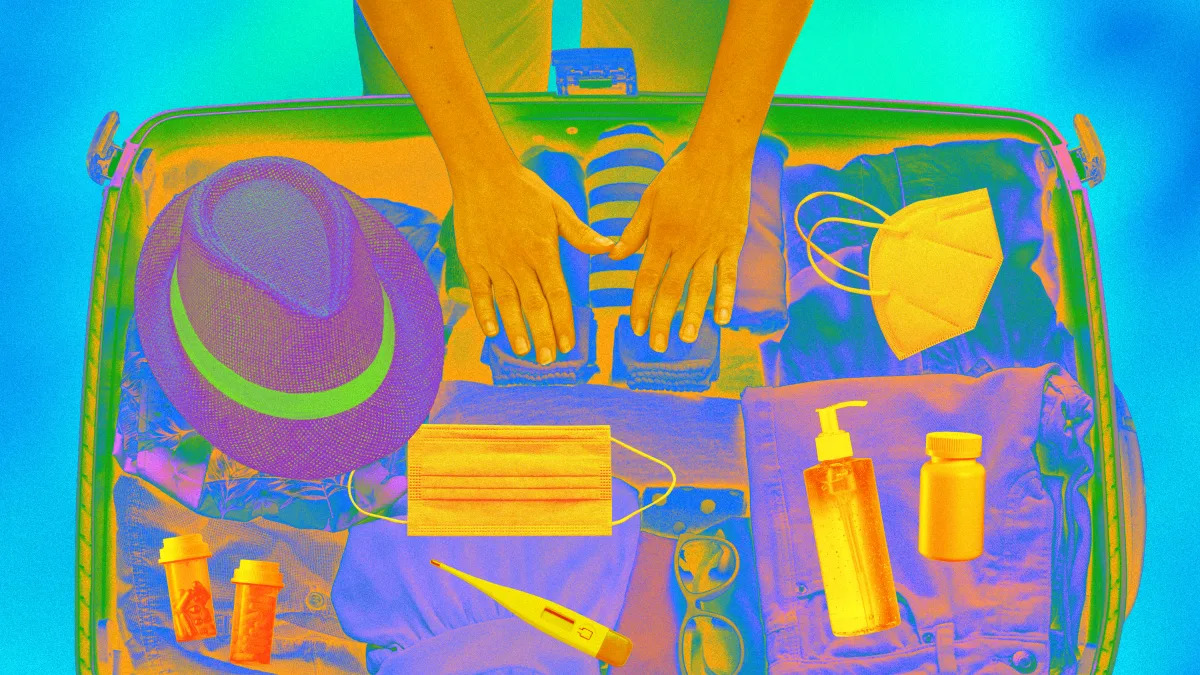
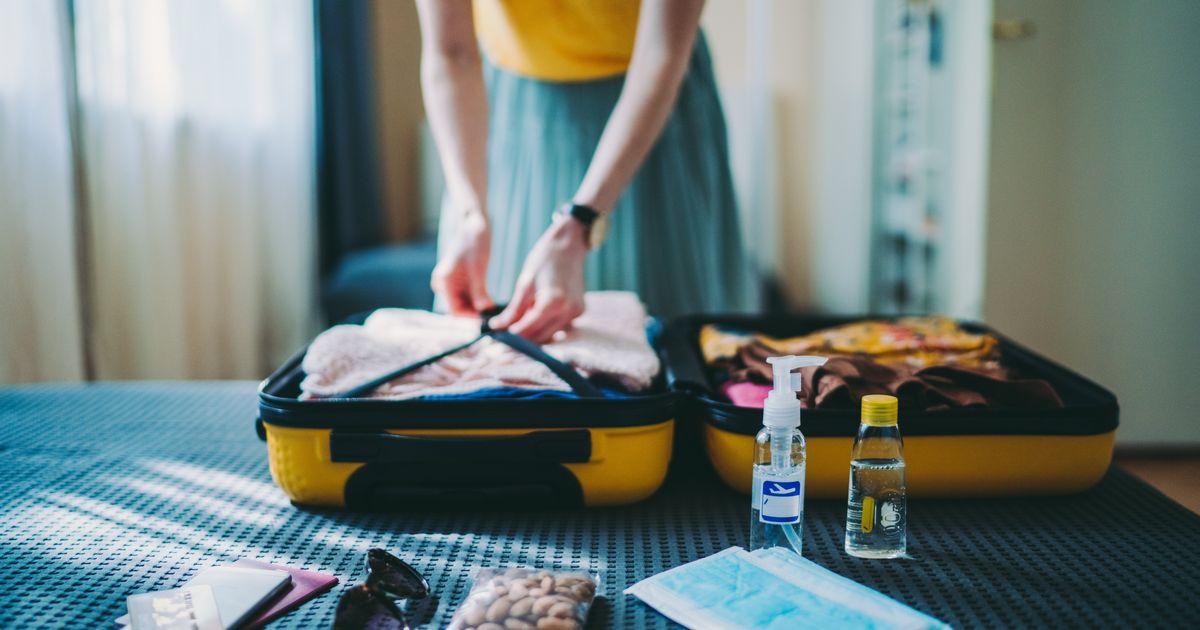
Experts recommend packing a well-stocked travel first-aid kit and consulting with your doctor before trips to handle potential health issues and avoid costly emergencies abroad.
Travelers can reduce their risk of getting sick by following practices such as wearing masks in crowded places, maintaining good hand hygiene, staying hydrated, taking immune boosters, avoiding peak travel times, getting adequate rest, eating healthily, researching vaccines, protecting against the sun and insects, and packing necessary medications, as recommended by doctors.
This week's health headlines cover a range of topics including the importance of wearing sunscreen, tips for staying healthy while traveling, and safety measures for summer activities. New research suggests spending money on experiences boosts happiness more than buying material goods, and both step and minute tracking are effective for exercise. Studies highlight the risks of ultra-processed foods and fish oil supplements, while mental health podcasts and matcha mouthwash show promising benefits. Additionally, electric and hybrid cars pose a higher risk to pedestrians, and recognizing stroke symptoms quickly is crucial.
As summer travel season approaches, experts advise packing essential prescription and over-the-counter medications, a first aid kit, sleep aids, bug spray, healthy snacks, and sunscreen to stay healthy. Ensure vaccinations are up to date, check health alerts from the CDC, and maintain hygiene practices like frequent hand washing and using antiseptic wipes in accommodations. Avoid large crowds and take precautions in public transportation and water activities to minimize the risk of illness.
Recent outbreaks of whooping cough and norovirus in Hawaii, including cases on a cruise ship and among visitors, have raised concerns about travel-related diseases. The Hawaii State Department of Health is coordinating with the CDC to notify travelers who may have been exposed. Whooping cough is highly contagious and poses a risk to both travelers and the places they visit, especially in young children. Prevention through vaccination is recommended, and awareness of potential health risks while traveling is crucial. The CDC is investigating a norovirus outbreak on the Queen Victoria cruise ship, which had nearly 3,000 passengers and crew members on board.
Food poisoning while traveling is a common experience caused by consuming contaminated food or water. To alleviate symptoms, it's crucial to stay hydrated, stick to bland foods, rest, monitor symptoms, consider over-the-counter meds, and seek medical attention if symptoms worsen. Before traveling, pack a medical kit with over-the-counter medications and rehydration solutions, research destination-specific health risks, and consult with a physician about preventive measures. Practice good hygiene, pay attention to food handling processes, and avoid foods that trigger digestive issues.
Doctors recommend wearing masks, frequently washing hands, staying hydrated, taking immune system boosters, avoiding peak travel times, prioritizing rest, not overscheduling, eating a well-balanced diet, researching travel vaccines and medicines, keeping up with sun protection, buying insect repellent, and packing necessary medications to avoid getting sick while traveling.