A woman visiting the Galápagos Islands contracted a rare eye parasite, a Philophthalmus lacrymosus fluke, which was successfully removed, highlighting the potential health risks of parasitic infections from travel to endemic regions.
NPR's correspondent shares her fascination with the blue-footed booby during a trip to the Galápagos Islands, highlighting their unique appearance, behavior, and historical significance in Darwin's theory of evolution.
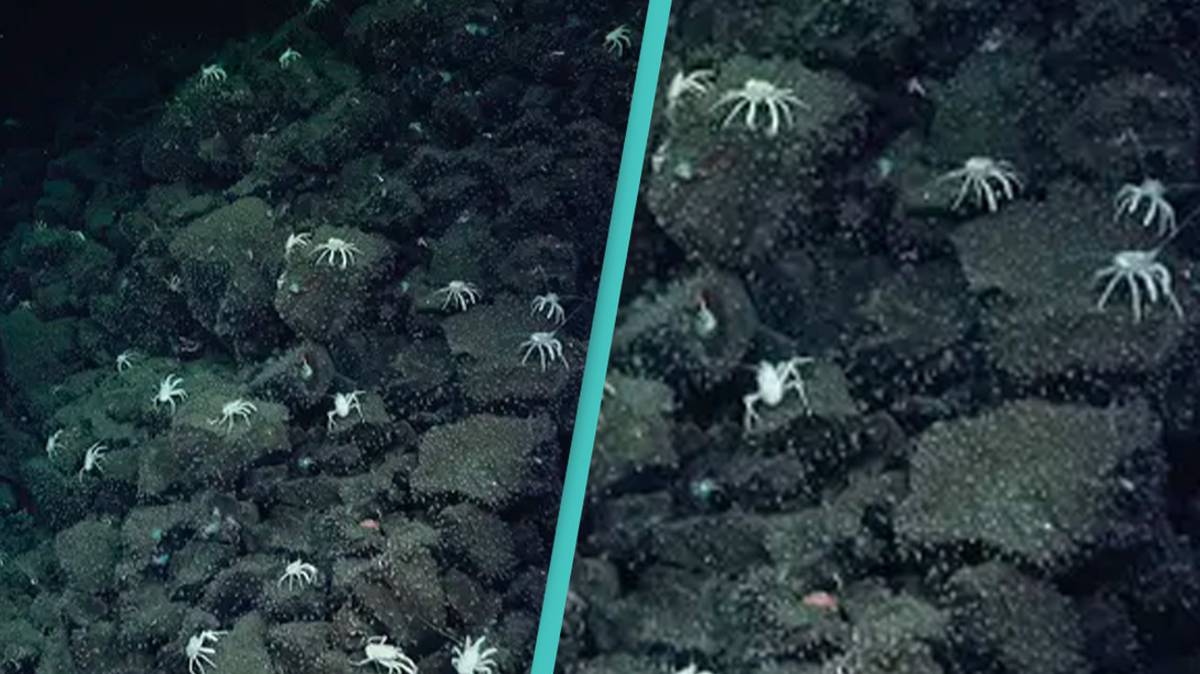
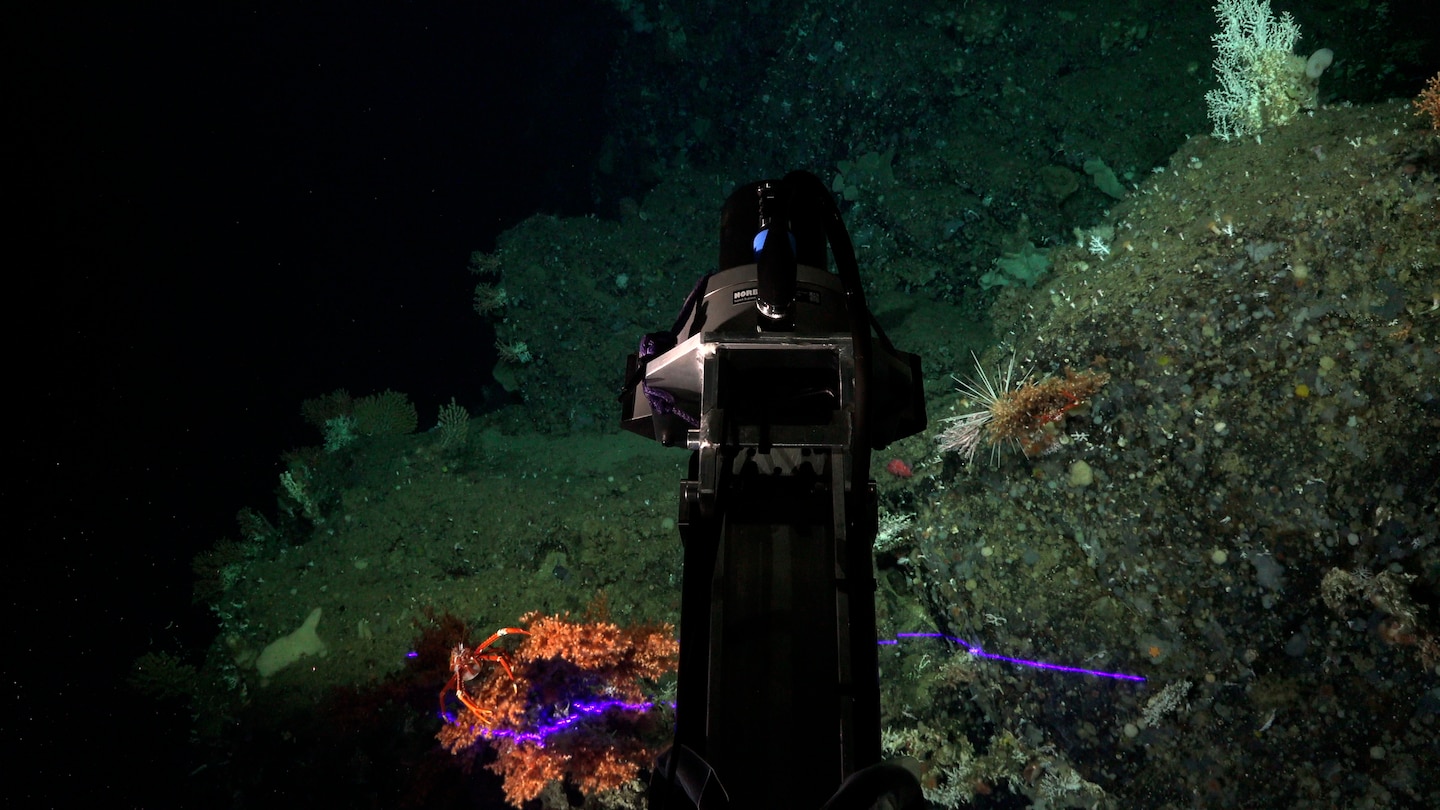
Scientists have discovered a new hydrothermal vent in the Galápagos Islands with the help of crabs. Following a chemical anomaly, researchers used a remotely operated vehicle to analyze the sea floor and found a dense population of squat lobsters, which led them to the vent. The vent, located between the Cocos and Nazca tectonic plates, spans an area of 98,800 square feet and is home to crabs, tube worms, clams, and mussels. Hydrothermal vents are cracks in the sea floor that release heated water from the Earth's magma chambers, creating a hostile environment where only certain species can survive.
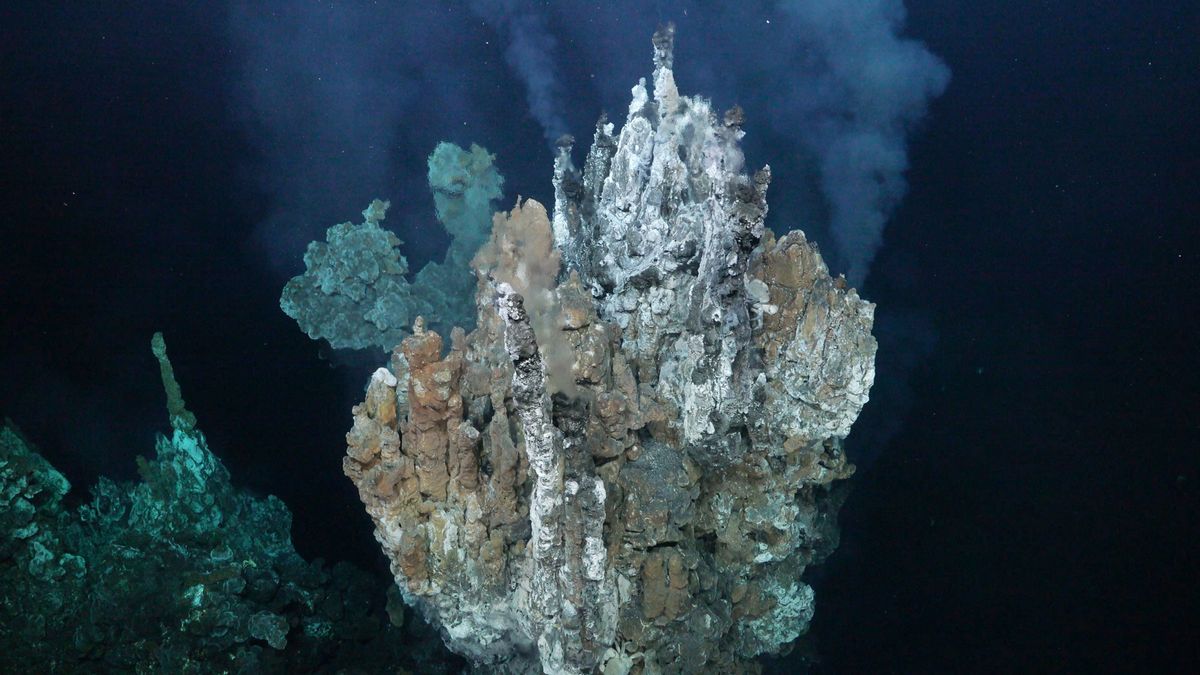
Scientists have discovered a massive field of hydrothermal vents near the Galápagos Islands, with chimneys as tall as a four-story building and hot liquid plumes. The vent field was found during a research expedition off the coast of Ecuador, where clusters of ancient chimneys were detected along a 2,000-foot stretch of seabed. The area also revealed 15 previously unknown species, including a small mollusk that has barely changed over time. The expedition also revisited the first hydrothermal vent field ever discovered, known as Rose Garden, and used advanced technology to map its hydrothermal activity.
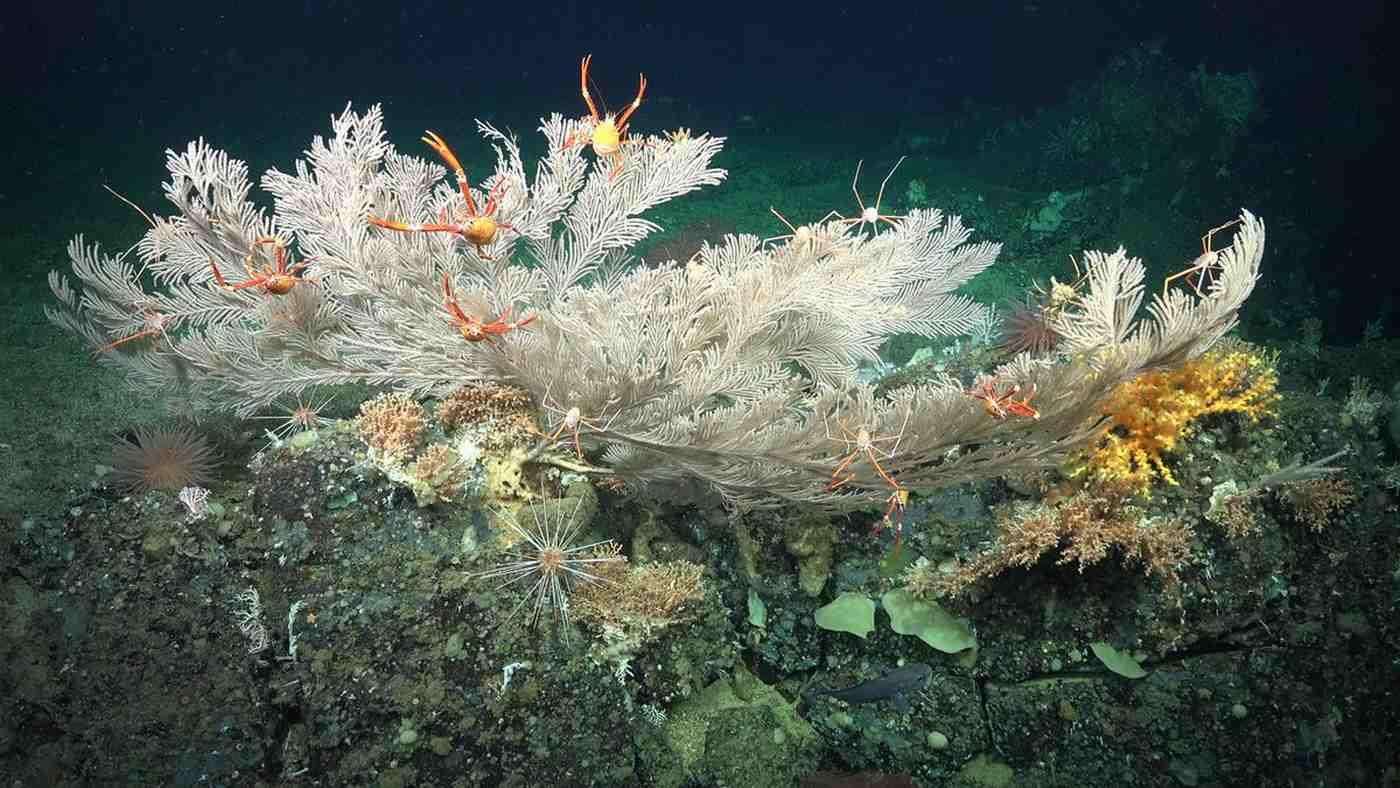
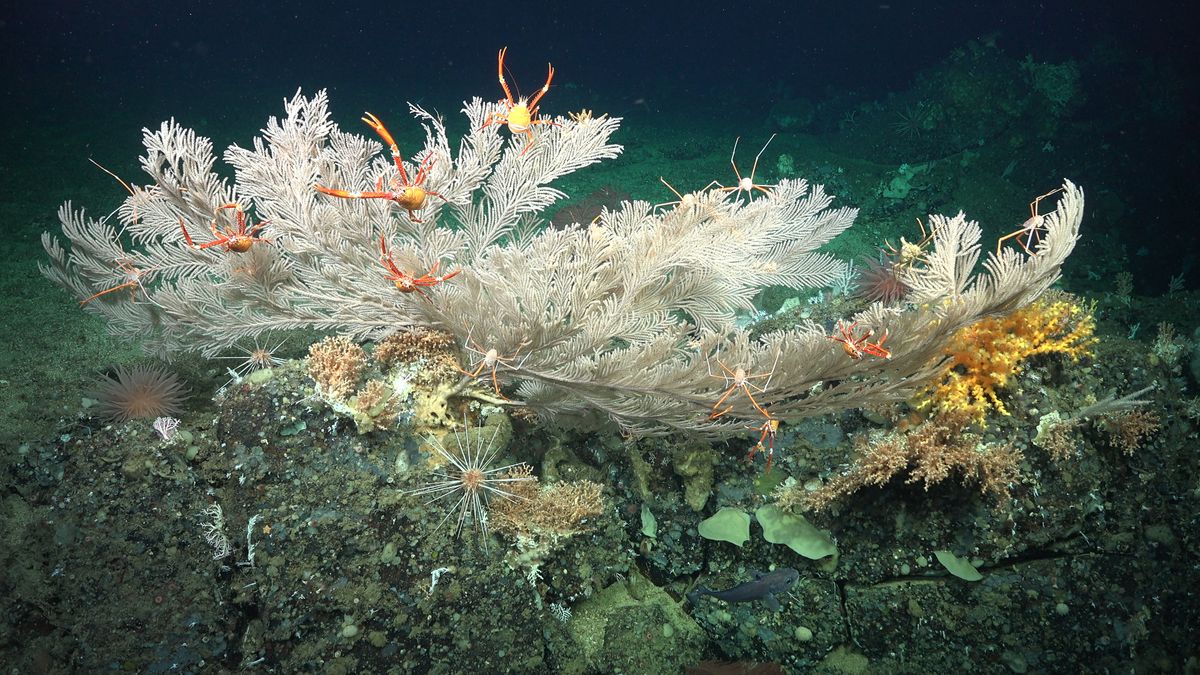
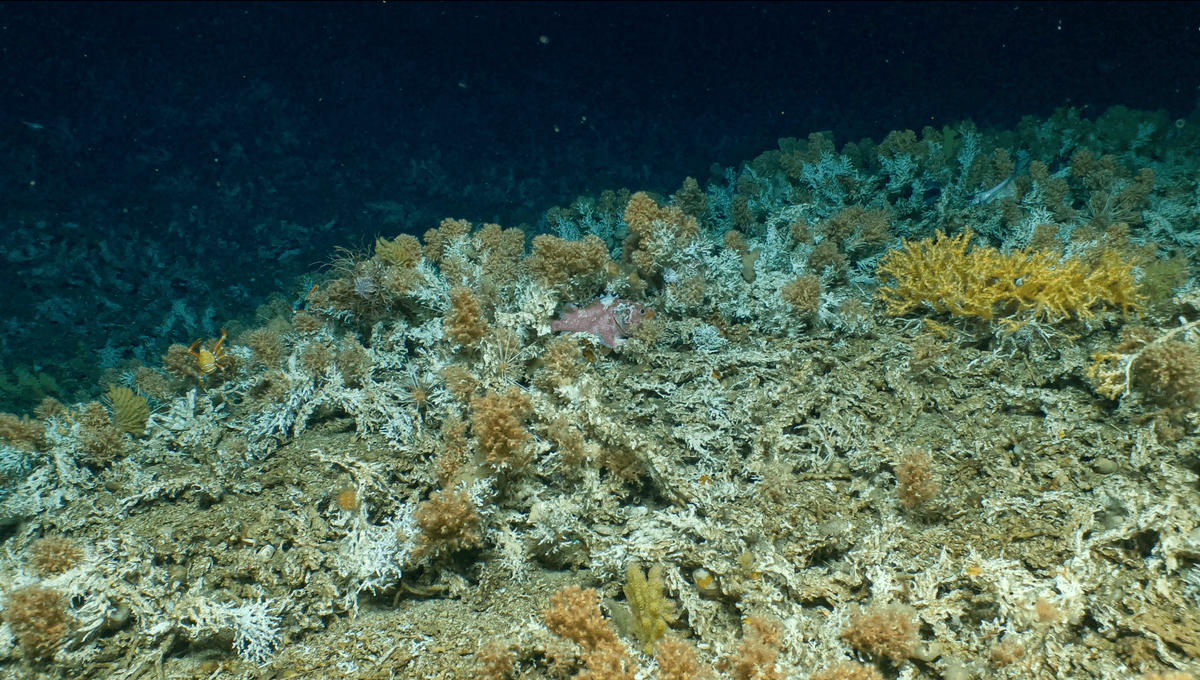
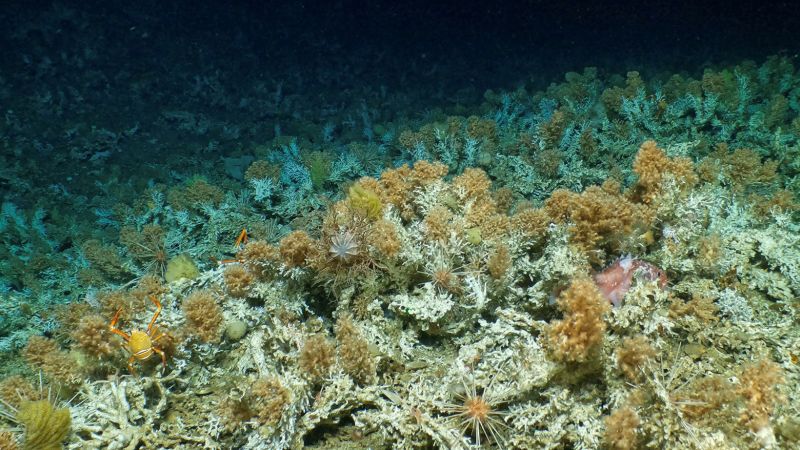
A recent deep-water expedition by the Schmidt Ocean Institute has discovered two pristine, cold-water coral reefs in the Galapagos Marine Reserve, located over 1,000 feet below the surface. These reefs, which span over 800 meters and 250 meters in length, exhibit a rich diversity of stony coral species and have likely been forming for thousands of years. The discovery contributes to the understanding of deep-sea biodiversity and informs the management of marine protected areas in the region.
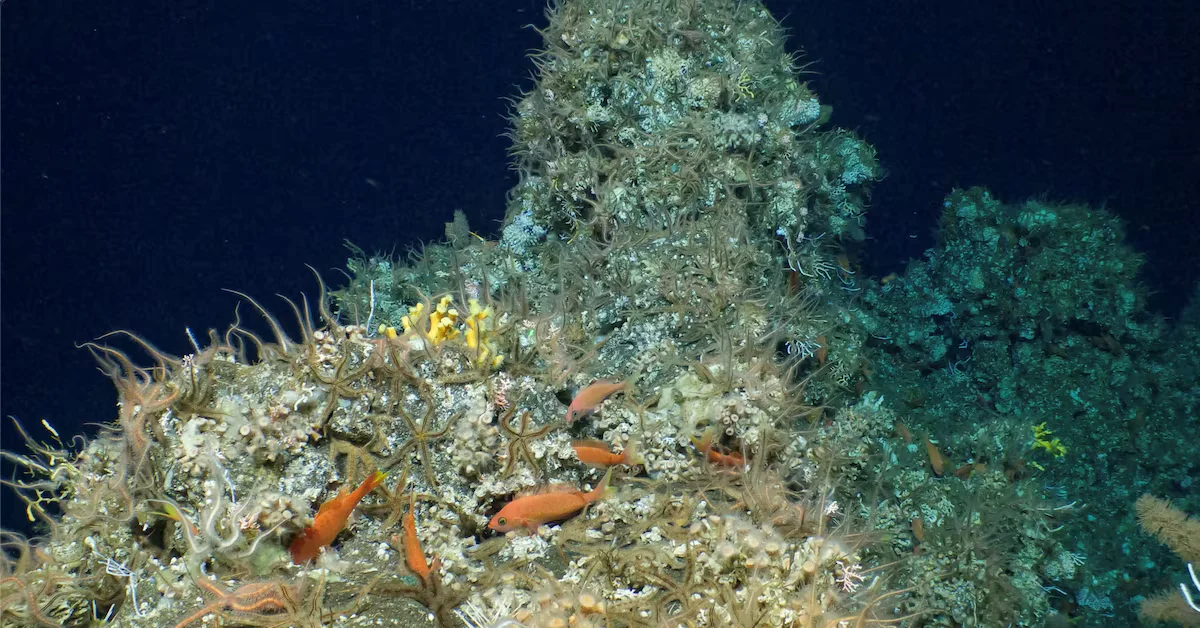
Two pristine coral reefs have been discovered near the Galápagos Islands, with one reef measuring over 2,600 feet long and both reefs sitting 1,000 feet beneath the ocean surface in the Galápagos Marine Reserve. These reefs are thousands of years old and support a rich diversity of stony coral species, crustaceans, anemones, brittle stars, and urchins. The discovery highlights the importance of protecting deep habitats and understanding their role in maintaining the health of the ocean. The expedition also confirmed the existence of two seamounts and observed deep-sea corals covered with eggs in protected waters off Cocos Island.
Two "pristine" deep-water coral reefs have been discovered in the Galápagos Islands by an international group of researchers. These cold-water reefs, located about a quarter of a mile beneath the sea surface, are home to various marine creatures and are part of the Galápagos Marine Reserve. Deep-water reefs, although less studied than their shallow counterparts, are believed to host the majority of coral species. The recent mapping mission has provided high-resolution maps that will aid in future research and conservation efforts in the region. This discovery highlights the importance of understanding and protecting the hidden dimensions of ocean diversity.
Two previously unknown deep-sea coral reefs, along with uncharted sea mounts, have been discovered off the Galápagos Islands during an expedition by the Schmidt Ocean Institute. The larger reef spans 800 meters in length, while the smaller one measures 250 meters. These reefs, believed to be thousands of years old, host a diverse range of stony coral species and are located between 370 and 420 meters below the surface. The high-resolution mapping technology used during the expedition also revealed detailed images of the seafloor and confirmed the existence of two seamounts. The discovery contributes to the understanding of deep-sea habitats and aids in the conservation efforts of the Galápagos Marine Reserve.
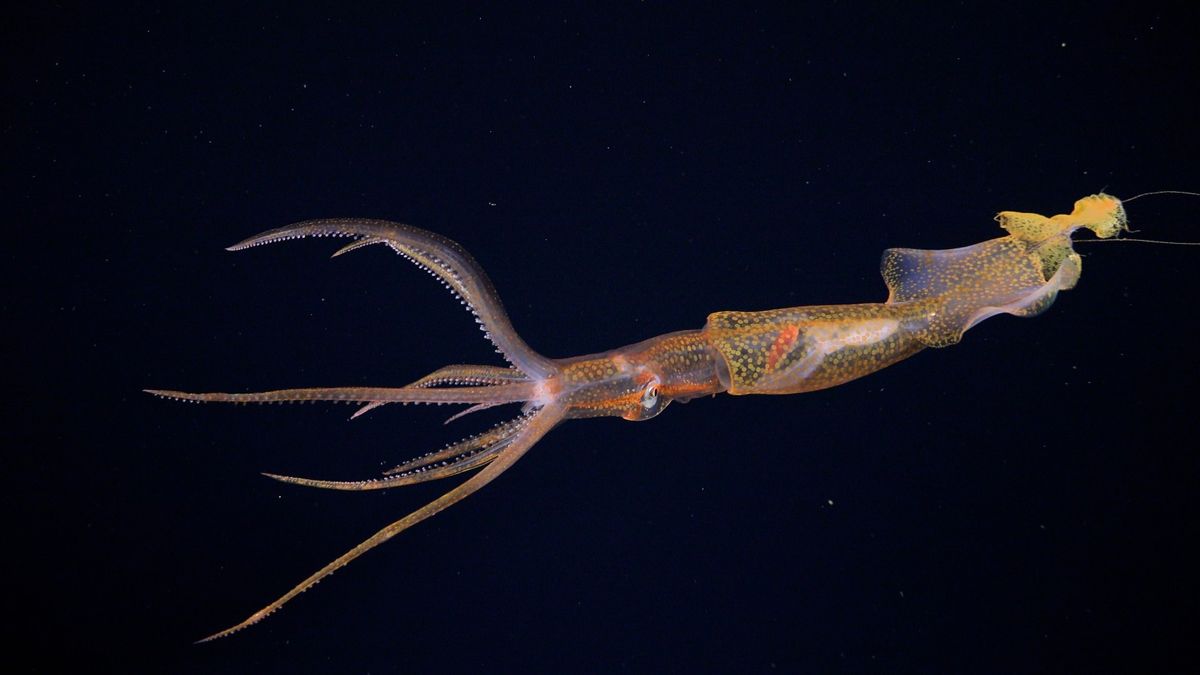
Researchers from the Schmidt Ocean Institute captured rare footage of the elusive squid species, Grimalditeuthis bonplandi, off the coast of the Galapagos Islands. This ghostly cephalopod, known for its weak, sucker-less tentacles, was filmed alive for only the second time ever. The squid, which can grow up to 10 inches in length, is a slow swimmer and inhabits depths of 660 to 5,000 feet. Its feeding tentacles lack suckers and it is believed to use graceful movements to lure small shrimp and crustaceans. Limited video observations and infrequent encounters make it difficult to fully understand the behavior and feeding habits of this mysterious creature.
Ecuador has announced a debt-for-nature deal, the biggest in history, to reduce its debt burden and free up hundreds of millions of dollars to fund marine conservation around the Galápagos Islands. The deal involves Credit Suisse converting $1.6 billion worth of bonds into a $656 million Galápagos Marine Bond, which will help Ecuador fund conservation. Ecuador has committed to spending more than $323 million over about 18 years on conservation in the Galápagos region, particularly to manage and monitor the Hermandad Marine Reserve. The deal is evidence that debt-for-nature swaps are increasingly recognized as all-around wins that will survive changes in leadership.
A pristine deep-sea coral reef has been discovered 400-600 meters beneath the surface of the Galápagos Marine Reserve during a four-week mission to explore the waters around the Galápagos islands. The reef, covering the crest and slopes of an underwater volcano, is an exception to the usual low coverage of living coral in deep-sea reefs. The biology of the reef will take some time to explore, but may prove as distinctive as the islands above. The team hopes to use old corals to fill in gaps in our knowledge of abrupt climate shifts.
A scientific expedition has discovered a previously unknown coral reef with abundant marine life off Ecuador’s Galapagos Islands, which is the first totally pristine coral reef, approximately two kilometers long, at 400 meters deep, on the summit of a submarine mountain. The reef has more than 50% living coral and is several thousand years old at least. The discovery is significant at a global level because many deepwater systems are degraded. The South American country last year expanded the Galapagos marine reserve to protect endangered migratory species between the Galapagos and the Cocos Island in Costa Rica.
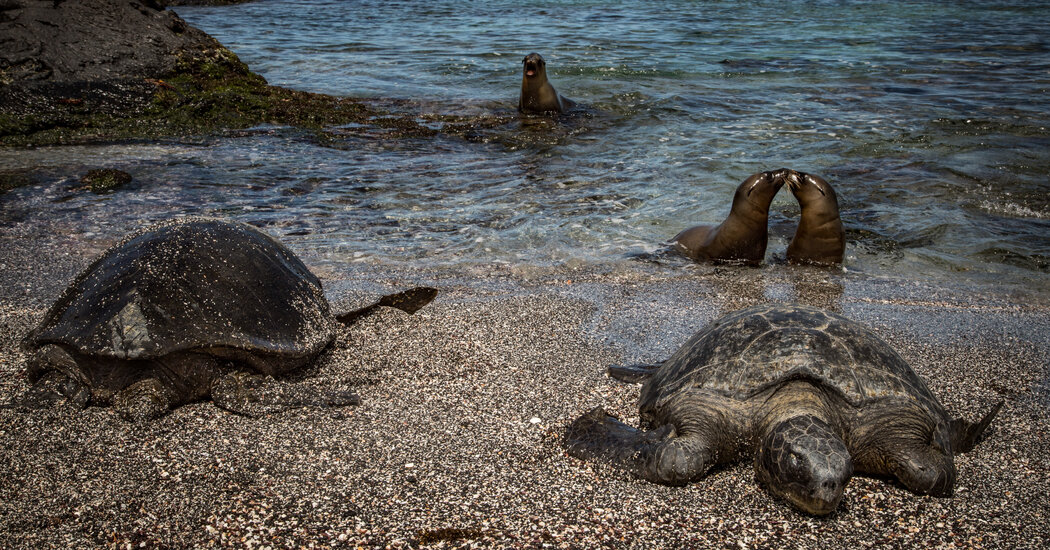
A scientific expedition has discovered a previously unknown coral reef with abundant marine life off Ecuador's Galapagos Islands, the country's environment ministry said. The reef is approximately two kilometers long and 400 meters deep, and has more than 50% living coral. The discovery is significant as many deepwater systems are degraded globally. The Galapagos, which inspired Charles Darwin's theory of evolution, are also home to giant tortoises, albatrosses, cormorants and other species, some of which are endangered.