
Essential Tips for Staying Healthy During Summer Travels
Experts recommend packing a well-stocked travel first-aid kit and consulting with your doctor before trips to handle potential health issues and avoid costly emergencies abroad.

All articles tagged with #health and travel
Experts recommend packing a well-stocked travel first-aid kit and consulting with your doctor before trips to handle potential health issues and avoid costly emergencies abroad.
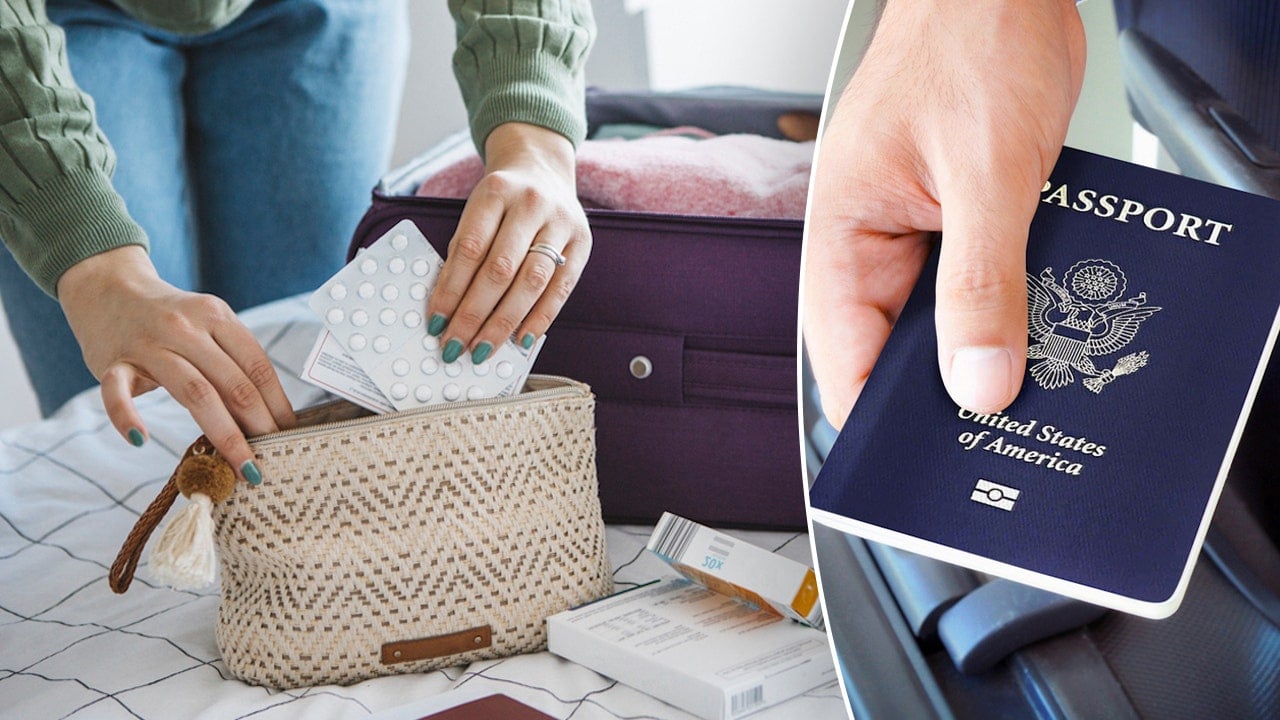
As summer travel season approaches, many Americans plan to bring prescription medications on their trips, but nearly half don't check if these meds are legal in their destination countries. Controlled substances, psychotropic drugs, medicinal cannabis, and strong painkillers are often restricted or banned. Travelers are advised to consult with healthcare providers, check embassy guidelines, and carry necessary documentation to avoid legal issues and ensure access to their medications.
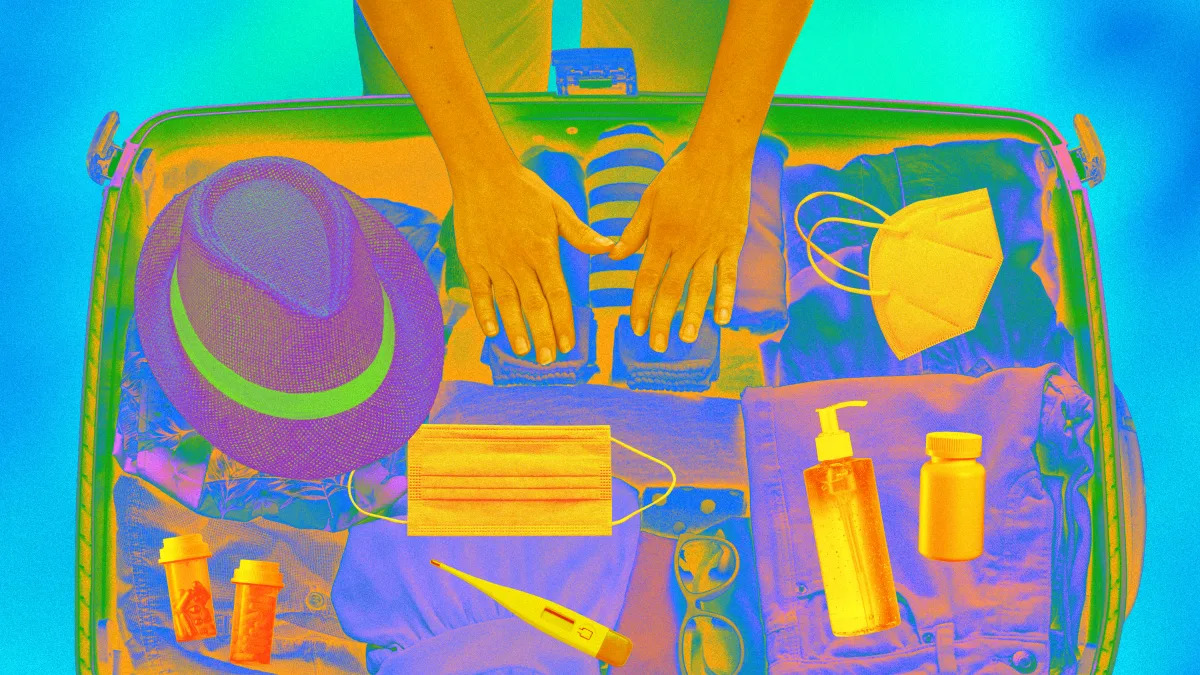
As summer travel season approaches, experts advise packing essential prescription and over-the-counter medications, a first aid kit, sleep aids, bug spray, healthy snacks, and sunscreen to stay healthy. Ensure vaccinations are up to date, check health alerts from the CDC, and maintain hygiene practices like frequent hand washing and using antiseptic wipes in accommodations. Avoid large crowds and take precautions in public transportation and water activities to minimize the risk of illness.
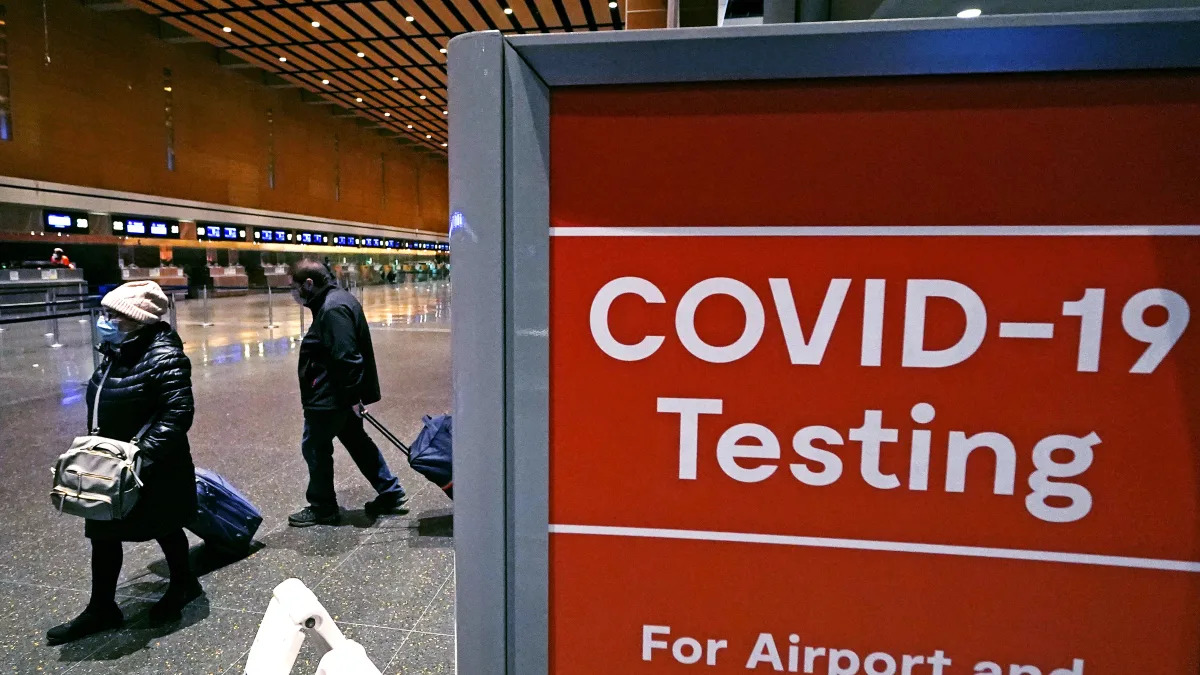
The CDC is expanding its program to test international travelers for COVID-19 and other infectious diseases through nasal swabbing and questionnaire at Chicago's O’Hare and Miami airports, aiming to gather more information about respiratory infections from South America, Africa, and Asia. The program, which began in 2021, has been effective in detecting coronavirus variants and also tests for flu and RSV. Participants are not notified of their results but are given a COVID-19 home test kit, and the program has a budget of about $37 million, with plans to expand to check for more than 30 different disease-causing germs.

Orkin Pest Management has released its 2024 list of the top 50 most bed bug-infested cities in the U.S., with Chicago, New York, and Philadelphia leading the pack. Bed bugs can live anywhere and easily travel on luggage, clothing, and furniture, posing a risk to frequent travelers. The CDC advises using the S.L.E.E.P. acronym to inspect for bed bugs while traveling and recommends calling a professional to get rid of infestations.