The article shares various safety tips from women living alone, including using security devices, carrying deterrents like bear spray, creating distractions, and practicing self-defense, to help them feel safer in their homes and while out.

Medical professionals warn that common activities like not wearing safety goggles, chewing ice, vaping, and not moving enough can be more dangerous than people think, emphasizing the importance of safety precautions and awareness in daily life.
Two hikers in British Columbia, Canada, were hospitalized after an encounter with a grizzly bear and her two cubs on a trail. The bear's actions were deemed defensive, and no action was taken against the bears. The trail remains closed, and authorities advise hikers to stay alert, make noise, travel in groups, and carry bear spray to prevent such incidents.
Consuming very hot beverages like tea and coffee above 65°C may increase the risk of oesophageal cancer due to heat damage to the esophagus lining. Drinking large sips of hot liquids quickly can cause more harm, and experts recommend cooling drinks to around 58°C and taking smaller sips to reduce risk. While the evidence links hot drinks to oesophageal cancer, there is no clear connection to throat or stomach cancers.
Researchers from Trend Micro demonstrated that hacking EV chargers can cause them to overheat and catch fire, posing a serious safety risk. The vulnerabilities stem from design flaws that allow physical modifications, leading to potential house fires. Experts recommend avoiding coiled cables, using shorter cords, and urging manufacturers to implement hardware-only safety mechanisms to prevent such hazards.
A bat in DuPage County tested positive for rabies, prompting health officials to advise residents to avoid handling bats, secure homes against entry, and seek immediate medical attention if bitten, as bats are the primary rabies source in Illinois.
Ice baths have become popular for recovery and mental health benefits, but they pose significant health risks such as cold shock, hypothermia, and cardiovascular events. Experts advise caution and recommend starting gradually, limiting session duration, and consulting a doctor before use to ensure safety.
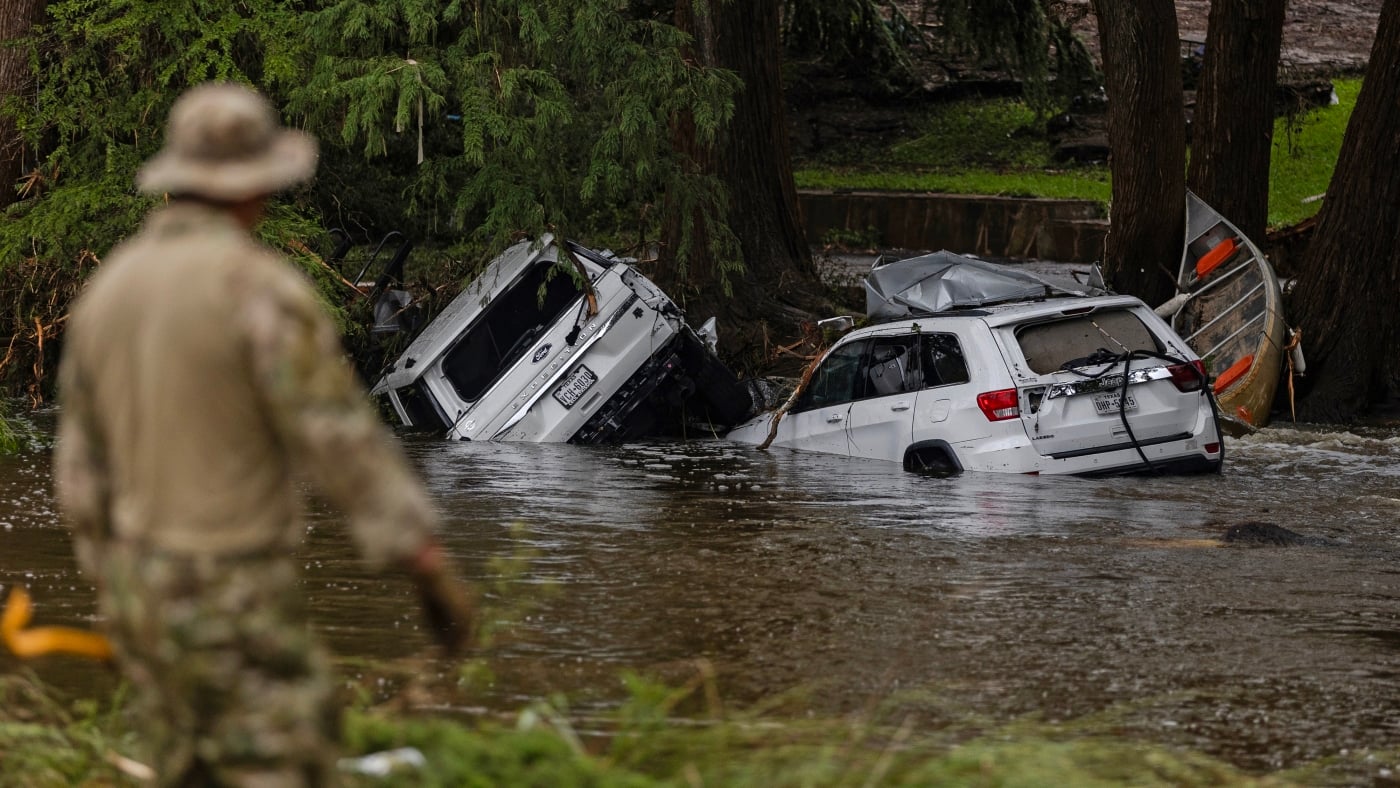
The article provides expert safety tips for dealing with flash floods, emphasizing the importance of preparedness before storms, quick evacuation during floods, and cautious recovery afterward, highlighting the increased risks due to climate change and the need for awareness and proper planning.
Europe is experiencing an intense heat wave with temperatures exceeding 100°F (40°C) across countries like France, Italy, Portugal, Spain, and the UK, prompting health warnings and safety advisories as climate change contributes to more frequent and severe heat events.
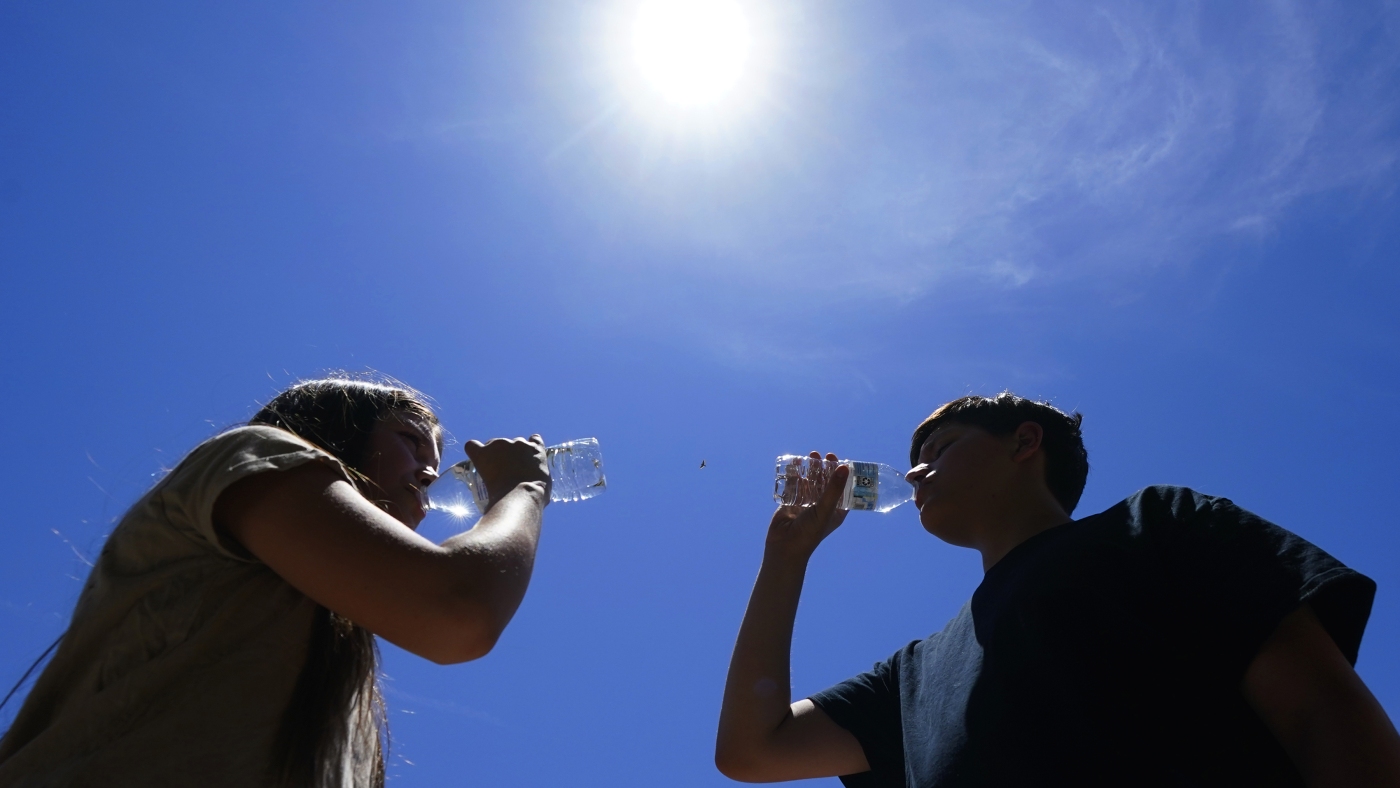
A severe heat wave is impacting much of the US, with temperatures soaring into triple digits, posing health risks including heat stroke and brain fog. Experts advise on safety measures to stay protected during extreme heat conditions.
Boston is experiencing an unprecedented early-season heatwave, with temperatures potentially surpassing the city's all-time high of 104°F and breaking June records, prompting health warnings and safety precautions due to dangerous humidity levels and heat index values around 110°F.
High humidity during heatwaves makes temperatures feel hotter and impairs the body's ability to cool down through sweating, posing health risks especially to vulnerable groups. To stay safe, people should hydrate, wear loose clothing, use air conditioning or visit cooling centers, and avoid strenuous outdoor activities during peak heat and humidity.
Research from the University of Nicosia shows that even inside reinforced buildings, high-speed air currents from a nuclear blast can cause severe injuries or fatalities, especially near windows, doors, and hallways. The study emphasizes the importance of knowing safe shelter locations within buildings to improve survival chances during a nuclear attack.
The article highlights common seemingly safe activities like road rage, not wearing safety gear, co-sleeping, and ignoring medical advice that can be surprisingly dangerous, emphasizing the importance of awareness and caution to prevent serious injuries or health issues.
Dr. Karan Raj, an NHS surgeon, warns against kissing newborns due to their underdeveloped immune systems, which make them highly susceptible to serious infections like herpes and bacterial infections such as group B streptococci and E. coli. These infections, often mild in adults, can be life-threatening for infants. Parents are encouraged to ask visitors to avoid kissing their babies to prevent potential health risks. Safe practices include washing hands, avoiding face kisses, and staying away if unwell.