An outbreak of mosquito-borne viruses, mainly chikungunya and dengue, has caused dozens of deaths in Cuba, prompting health warnings and travel advisories. The outbreak is linked to poor hygiene and water storage issues, with climate change potentially expanding mosquito habitats. Authorities recommend precautions like insect repellent and vaccination, and are implementing mosquito control measures.
In Cuba, 33 people, including 21 children, have died from mosquito-borne chikungunya and dengue viruses since July, with the outbreak exacerbated by economic hardships and poor sanitation. The government reports most deaths from chikungunya, which causes severe joint pain and fever, while dengue has also claimed 12 lives. The outbreak has spread across all provinces, and health authorities have issued travel advisories for at-risk regions, including Cuba, urging precautions and vaccination.
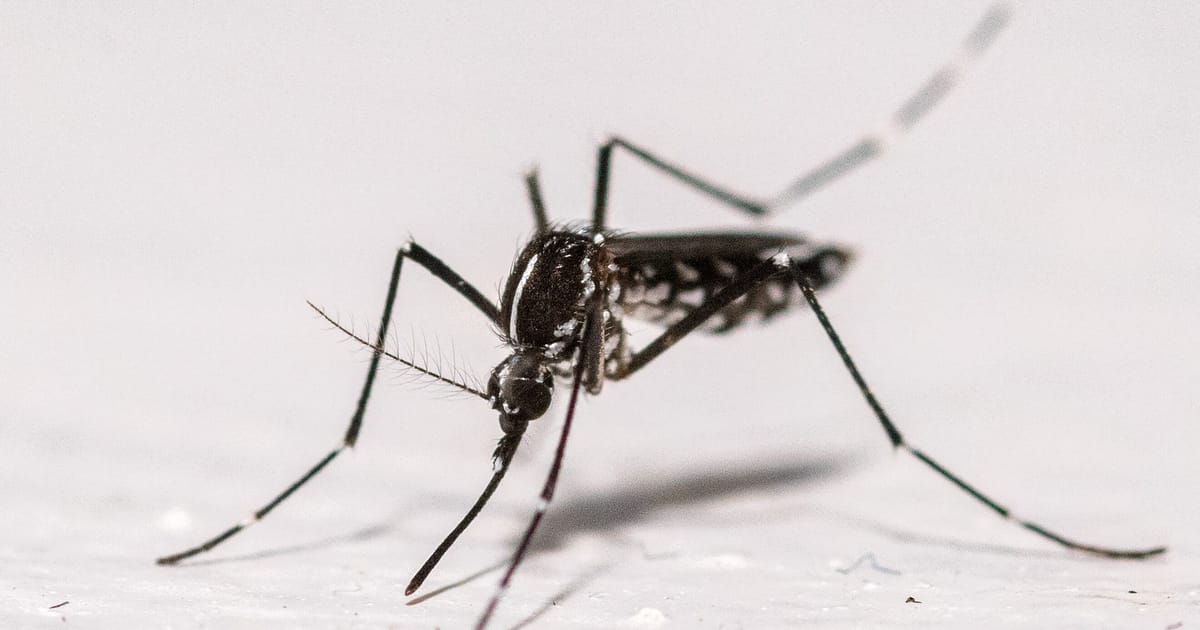
A woman in New York contracted chikungunya, a mosquito-borne disease rarely seen in the U.S., likely transmitted by Asian tiger mosquitoes that have expanded their range due to warmer winters, highlighting concerns about climate change and vector-borne diseases in the country.
A woman in Long Island was diagnosed with chikungunya, a mosquito-borne tropical disease rarely seen in the U.S., after experiencing severe fever and joint pain, raising concerns about the virus's spread in new regions.
New York state has confirmed its first locally acquired case of chikungunya in six years, with the patient having no recent foreign travel, but officials have not found the virus in local mosquitoes and say the risk to the public remains low.
A case of chikungunya, a mosquito-borne virus typically seen in South America, has been confirmed in a Long Island resident, marking the first local transmission in New York since 2015. The virus causes symptoms like fever and joint pain, and while rare, severe cases can occur. The risk of transmission in New York is currently very low due to colder temperatures, but health officials advise precautions against mosquito bites. The increase in outbreaks globally is linked to climate change and urbanization.
New York reports its first locally acquired chikungunya case in six years, confirmed on Long Island, likely contracted from an infected mosquito, with low public health risk but ongoing precautions recommended to prevent mosquito bites.
New York health officials confirmed the state's first locally acquired case of chikungunya virus in six years, with the individual having traveled outside the region but not internationally. The virus, transmitted by mosquitoes, poses a very low current risk due to seasonal mosquito activity, and no local mosquito pools have tested positive. The illness causes symptoms like fever and joint pain, and while rarely fatal, vulnerable populations should remain cautious.
New York has confirmed its first locally acquired case of chikungunya virus in six years, detected in Nassau County, though there is no evidence of ongoing transmission. The virus, spread by mosquitoes, is rare in the U.S., with most cases linked to international travel. The current risk of spread is very low due to cooler fall temperatures, and the disease typically causes mild symptoms, though vulnerable populations are at higher risk.
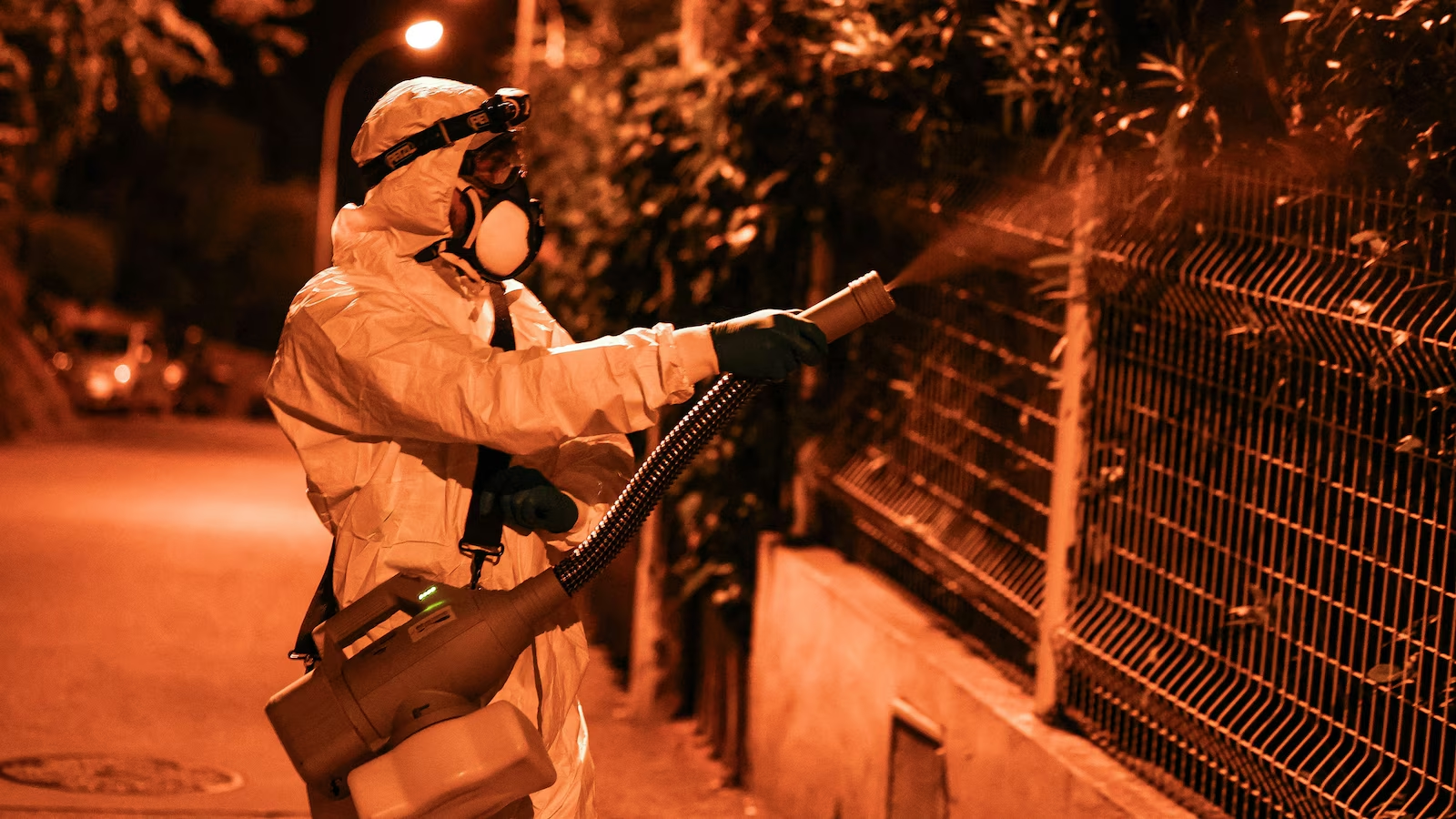
France is experiencing a surge in mosquito-borne illnesses like chikungunya, prompting authorities to deploy insecticide and preventive measures to control the outbreak, which is linked to rising temperatures and climate change.
China's Guangdong province is experiencing its largest chikungunya outbreak with over 10,000 cases, prompting strict containment measures. The outbreak highlights the global risk posed by climate change and mosquito-borne diseases, with authorities urging residents to eliminate standing water and take preventive steps. The CDC warns travelers to affected areas, emphasizing the importance of personal protection and community efforts to control mosquito populations.
Health officials are investigating a suspected case of chikungunya, a mosquito-borne virus, in a woman on Long Island, marking a potential new public health concern in the region, although the risk remains very low.
France has seen a significant rise in locally-acquired chikungunya cases this summer, with nearly 400 cases reported, up from just one last year, driven by the spread of tiger mosquitoes due to climate change, increasing the risk of vector-borne diseases across Europe.
US health officials issued a Level 2 travel warning for China's Guangdong province due to a chikungunya outbreak, urging travelers to take enhanced precautions against mosquito bites, as containment measures are being implemented in Foshan city amid rising cases.
A case of chikungunya in Hong Kong highlights the growing threat of mosquito-borne diseases spreading into new regions due to climate change, with efforts underway to control mosquito populations and prevent further infections.