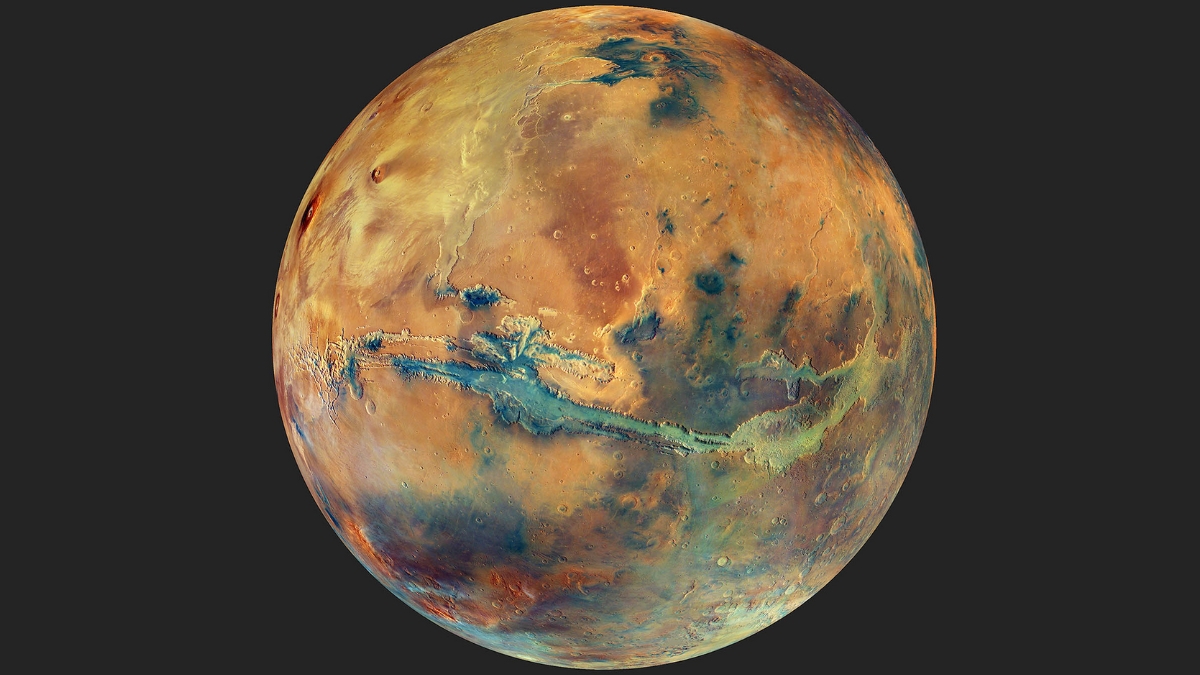
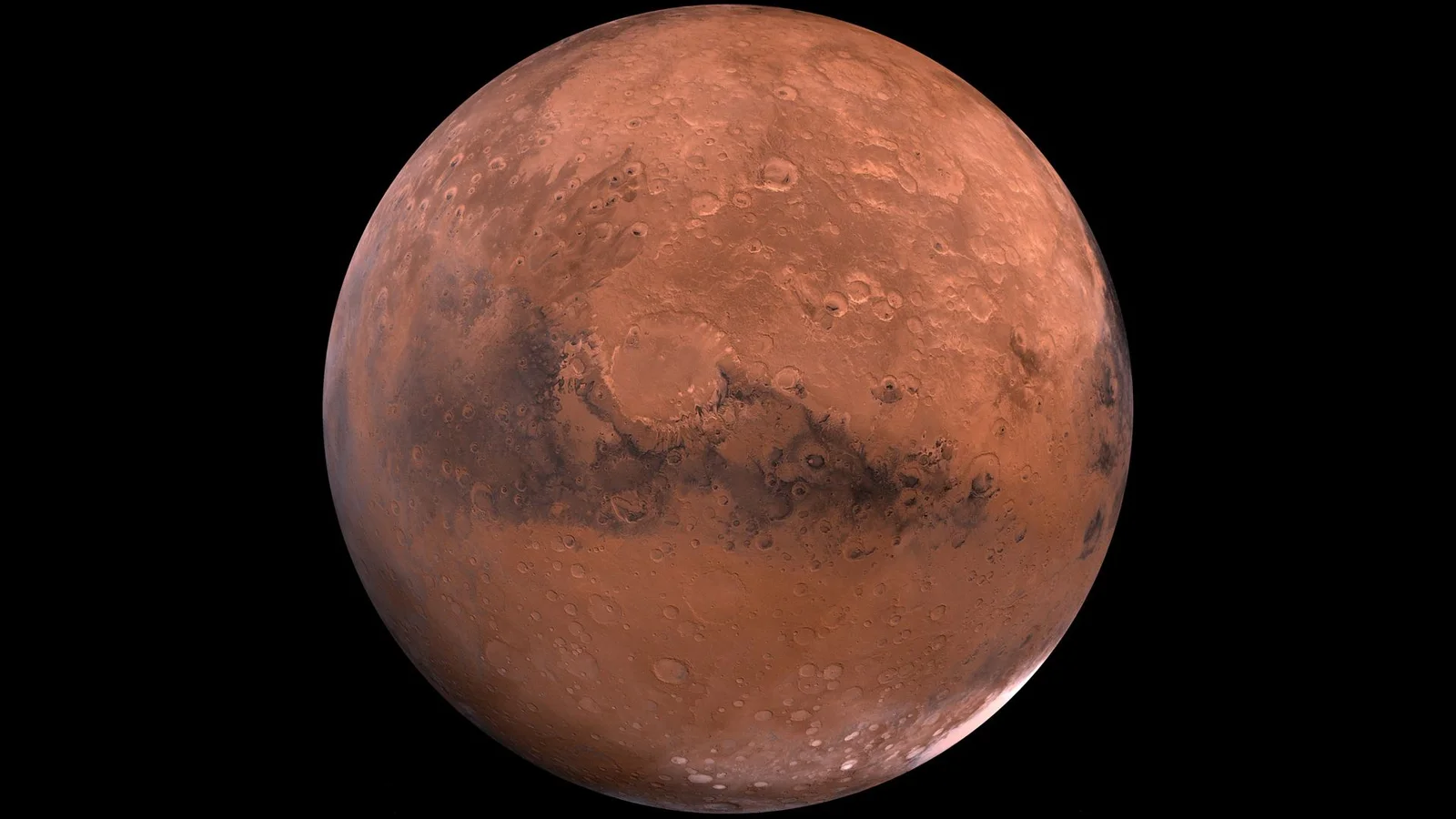
Scientists from NIST have determined that clocks on Mars run approximately 477 microseconds faster per day than on Earth due to gravitational effects, with variations throughout the Martian year, which is crucial for future Mars missions and interplanetary navigation.
Due to Einstein's theory of general relativity, time passes slightly faster on Mars than on Earth by about 477 microseconds per day, influenced by differences in gravity and orbital dynamics, which has implications for future space navigation and communication systems.
Scientists have found that clocks on Mars run faster than on Earth by about 477 microseconds per day due to differences in gravity and orbital dynamics, with implications for future space missions and tests of Einstein's relativity.
The article explores fascinating facts about the vastness and complexity of time, from the ancient formation of the Appalachian Mountains to the relative experience of time during cosmic events and human history, highlighting how our perception of time is limited compared to its true scale.
Light travels at a constant speed and does not lose energy over vast distances in space unless scattered, with its behavior influenced by relativistic effects like time dilation, especially at speeds close to that of light.
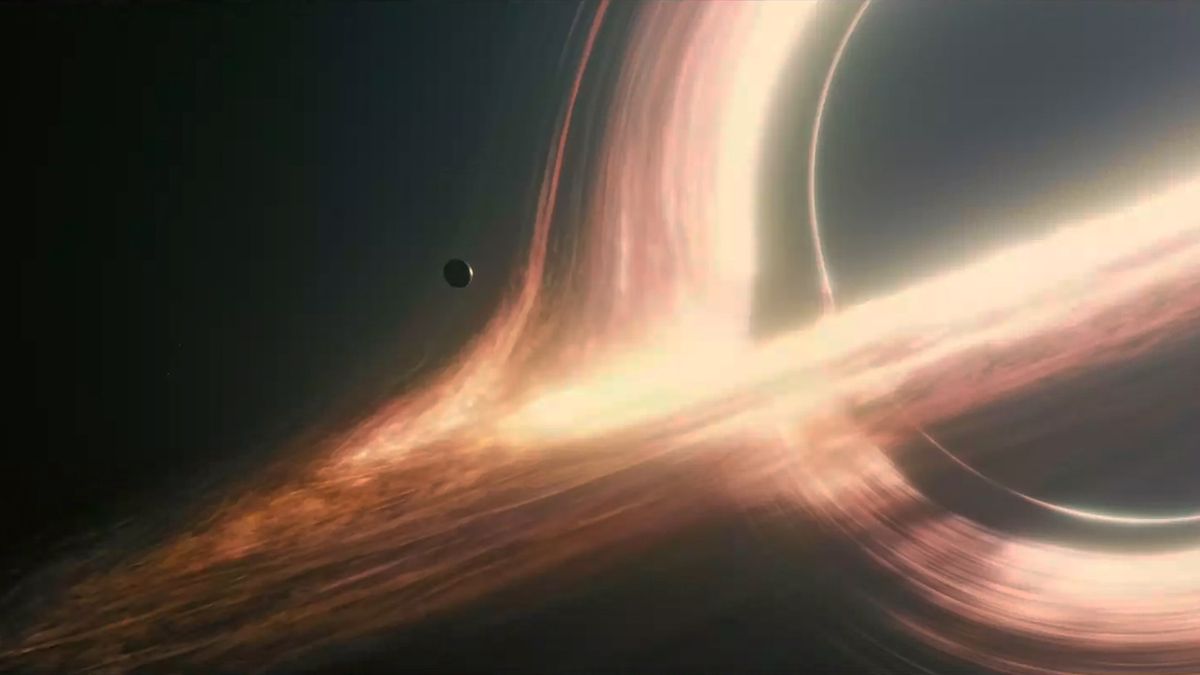
The Event Horizon Telescope (EHT) is working on creating the first-ever movie of a black hole, specifically the supermassive black hole at the center of galaxy Messier 87 (M87). This revolutionary experiment aims to capture changes in the black hole over a 60-day period, providing insights into its dynamics, time dilation, and impact on surrounding galaxies. The project involves over 400 scientists and requires significant technological upgrades to the EHT's array of telescopes. If successful, the video could revolutionize our understanding of black holes and space-time.
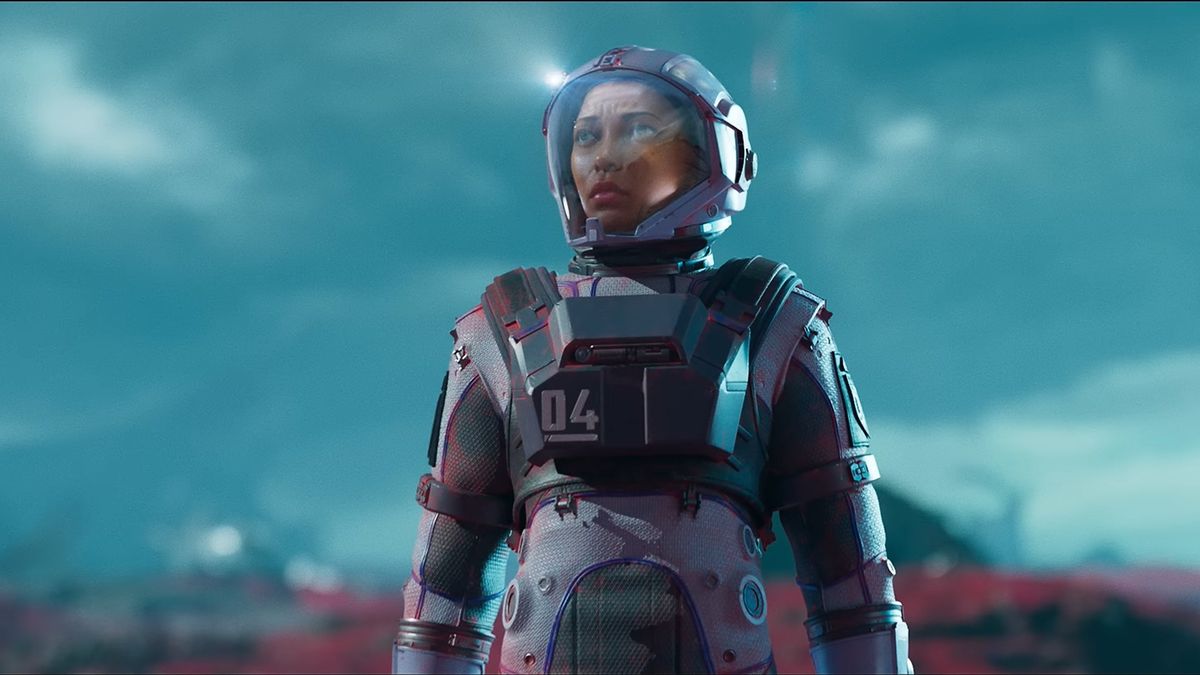
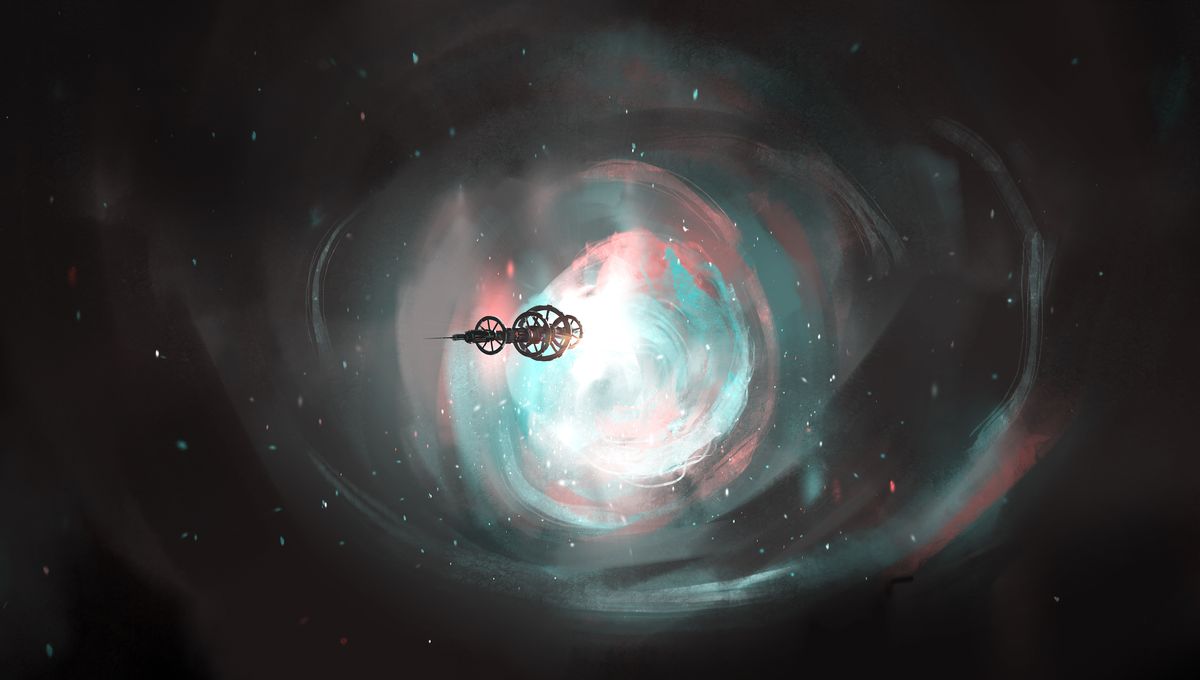
Exodus, a new space RPG developed by BioWare veterans, takes a hard sci-fi approach to FTL travel with a focus on time dilation, where time passes differently for travelers compared to the rest of the galaxy. The game's choice-based gameplay and multiple endings are influenced by this concept, and there's no way to reduce its effects. The narrative revolves around a hyper-advanced technology called the 'Gates of Heaven' left behind by a missing race, the Elohim, which enables interstellar travel. The game is planned for release on PS5, Xbox Series X, and PC in the coming years.
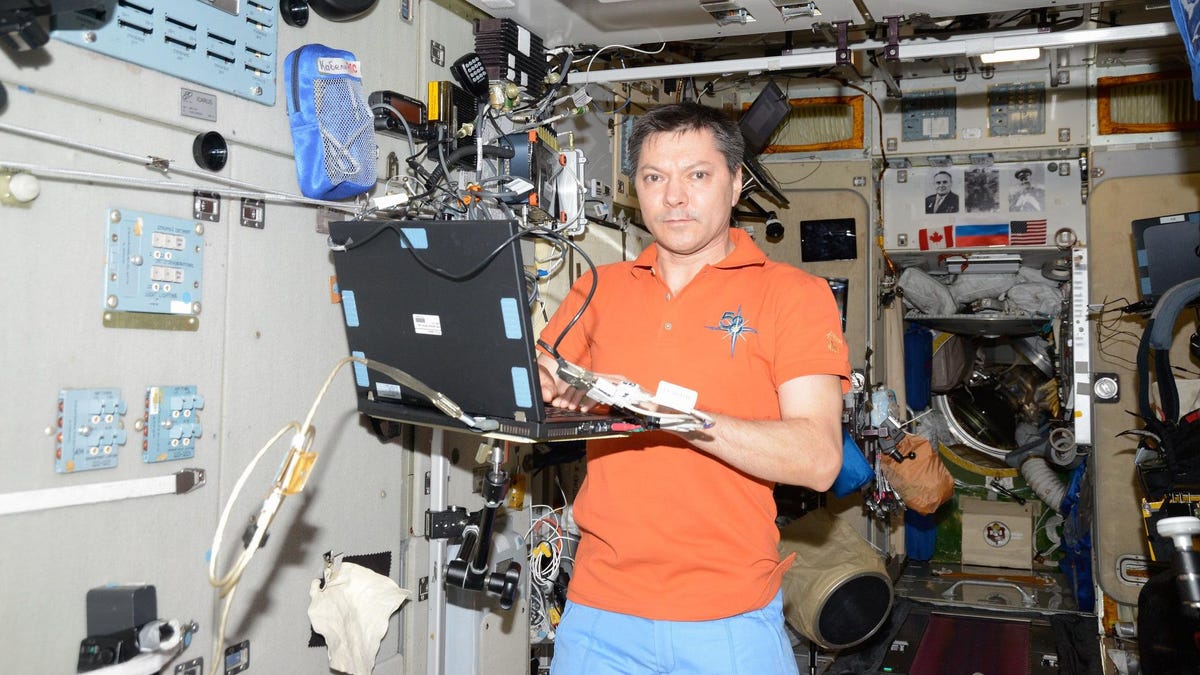
Russian cosmonaut Oleg Kononenko has set a new time travel record by spending 879 days in orbit, surpassing the previous record held by his colleague Gennady Padalka. Due to the effects of time dilation, Kononenko has traveled slightly farther into the future than anyone else. Maintaining a rigorous exercise routine to counteract the effects of microgravity, Kononenko is on track to reach the 1,000-day mark in space and is scheduled to return to Earth in September. Despite the health risks of long-term weightlessness, technology keeps him connected to loved ones. The time dilation effect, as predicted by Einstein's theories, causes astronauts to age slightly more slowly than people on Earth, with Kononenko and Padalka having traveled 1/44th of a second into the future compared to those on the ground.
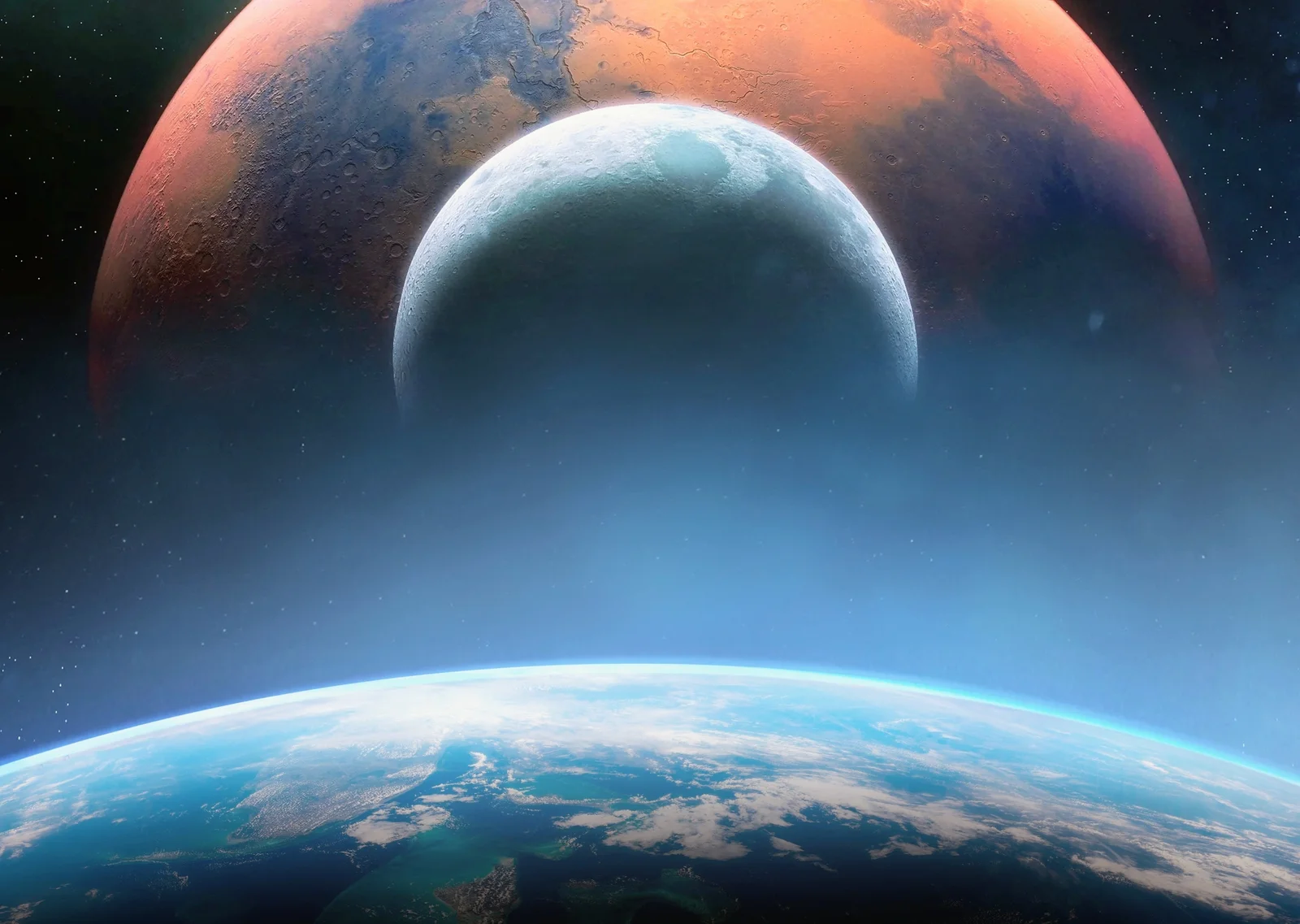
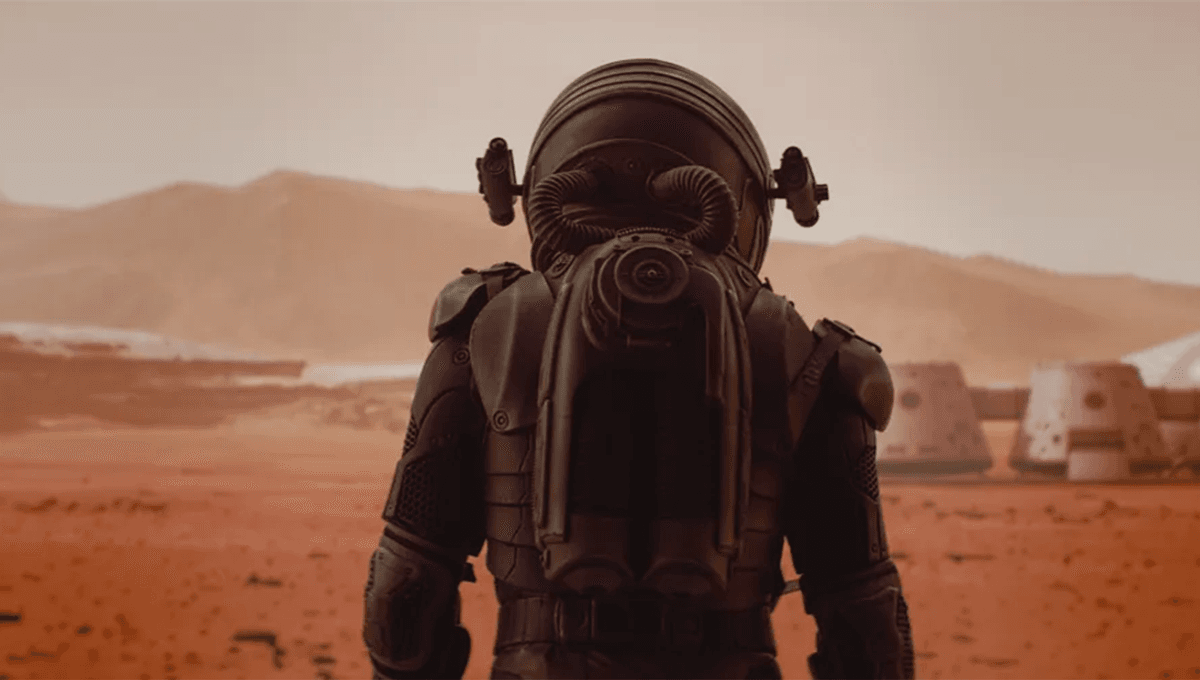
Astronauts heading to Mars will experience time dilation due to their relative speed and proximity to gravitational fields, causing a slight difference in the passage of time compared to Earth observers. While the effect is small for short space missions, it becomes more noticeable for longer stays on Mars. Gravitational time dilation means that a human living exactly 80 years on Mars would die about 12 seconds earlier than on Earth, but from their perspective, time would pass normally.
Archetype Entertainment, a new studio founded by BioWare veterans, announced their debut game, Exodus, a time-bending sci-fi RPG. The game features time dilation as a core mechanic, where players as the Traveler embark on journeys to help humans survive by stealing technology from the hostile Celestials. Choices made by players will have generation-spanning consequences, impacting relationships and civilizations. A Founder's Program has been launched, and Exodus is set to release on PC, PlayStation 5, and Xbox Series X.
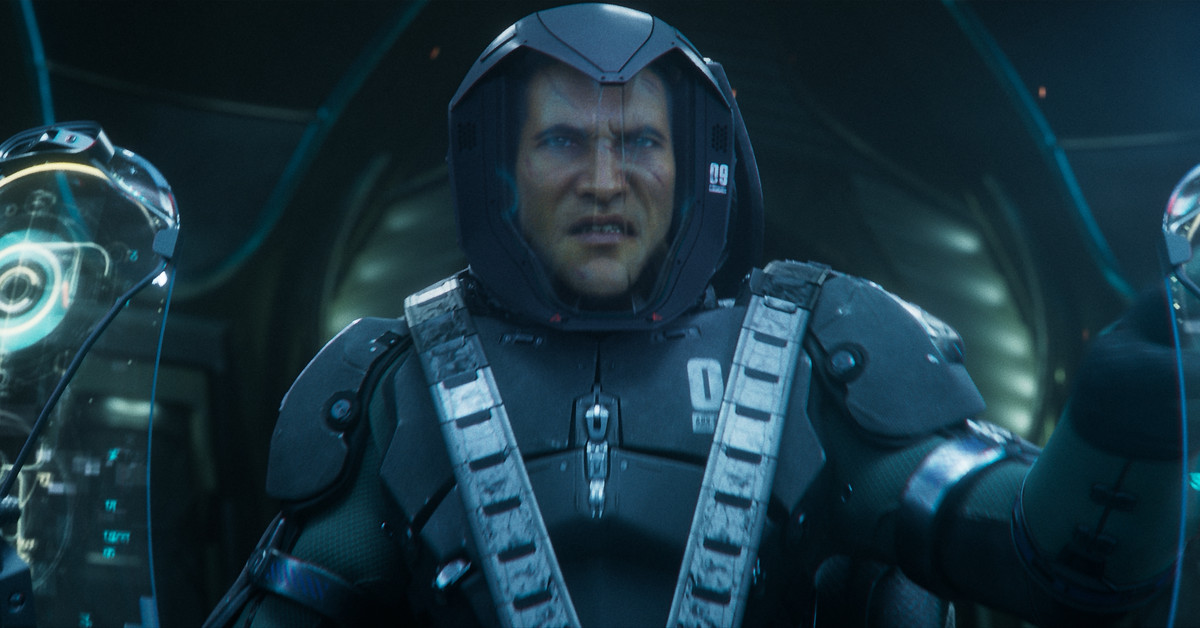
Actor Matthew McConaughey unveiled the new time-bending sci-fi game Exodus at The Game Awards. Described as an epic action-adventure RPG, the game explores a sci-fi universe where time works differently, leading to various consequences. The gameplay trailer showcased a mix of Mass Effect and Destiny vibes, and the developers, Archetype Entertainment, have plans for Exodus to become a franchise. The game will be available on PS5, Xbox Series X/S, and PC, with no release date announced yet.
Archetype Entertainment, led by former BioWare developers, has unveiled its upcoming RPG game, Exodus, at The Game Awards 2023. Set in an original sci-fi universe, Exodus aims to become a titan in the RPG space by building a new universe and telling unique and weird stories within it. The game will feature a time dilation mechanic, allowing players to make choices with far-reaching consequences and experience the impact of those choices over years or even decades. However, the developers face the challenge of creating a handcrafted universe and balancing space exploration with the intricate time dilation mechanic. Exodus is set to release on PlayStation 5, Windows PC, and Xbox Series X, with no confirmed release date yet.
A new analysis explores the challenges of communicating with a spacecraft traveling close to the speed of light. As a spaceship approaches the speed of light, messages from Earth will no longer be able to reach it, leaving the craft out of contact. Additionally, time dilation effects mean that a spaceship accelerating at 1g could reach the center of the galaxy in just 20 years and the edge of the visible universe in 45 years. The study suggests that interstellar spacecraft and their crews would need to accept highly autonomous operations and abandon the notion of maintaining continuous communication with Earth or the destination throughout the mission.
Interstellar travel presents significant communication challenges due to the finite speed of light and time dilation. Messages sent to spacecraft traveling at near light speed would experience severe time delays, and spacecraft would eventually be cut off from Earth. Different scenarios, such as constant acceleration or deceleration, introduce their own communication challenges, including signal pile-up and limited reception. Interstellar travel would require independent operation and would be a lonely journey.
Interstellar travel poses significant communication challenges due to the finite speed of light and time dilation. Messages sent to spacecraft traveling at near light speed would experience significant time delays, potentially leading to communication blackout periods. Clocks are not synchronized across the universe, and travelers on board the spacecraft would experience time passing more slowly than on Earth. Different scenarios, such as constant acceleration or deceleration, would introduce their own set of communication challenges. Interstellar vehicles would need to operate independently, as they would eventually be cut off from Earth, making interstellar travel a lonely journey.