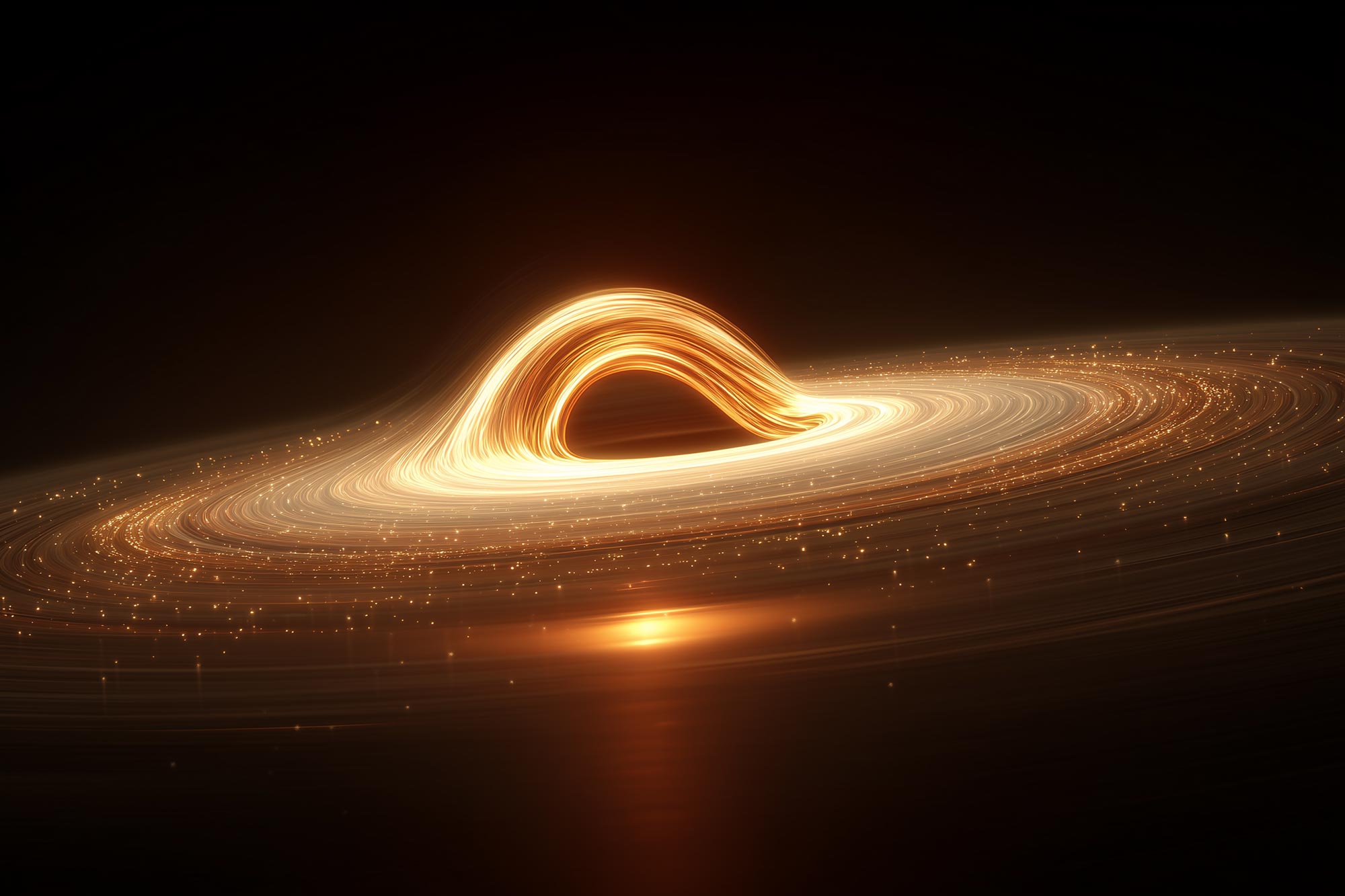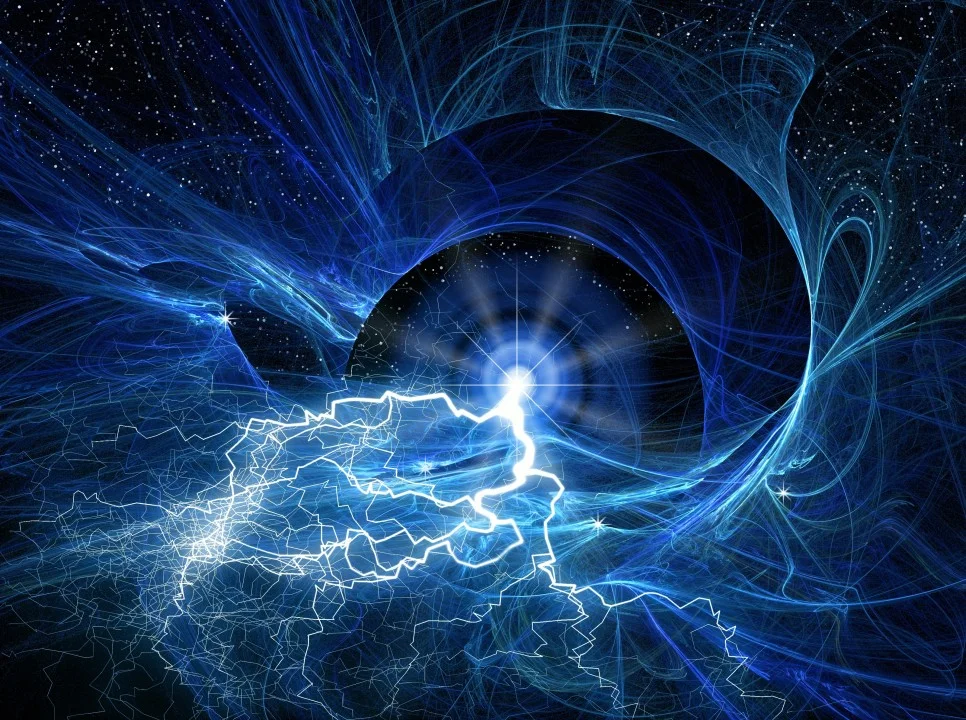
Astronomers have directly observed a spinning black hole twisting spacetime, confirming Einstein's century-old prediction of frame-dragging through the detection of wobbling in a star's debris disk and jets during a tidal disruption event, using X-ray and radio observations.
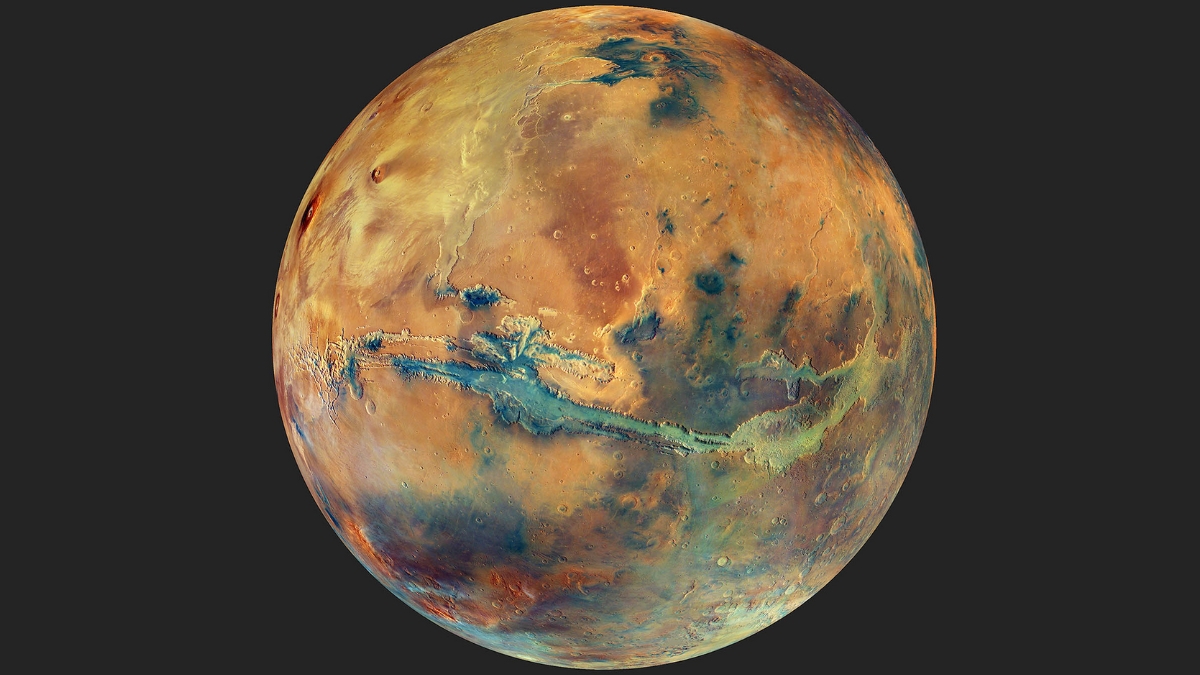
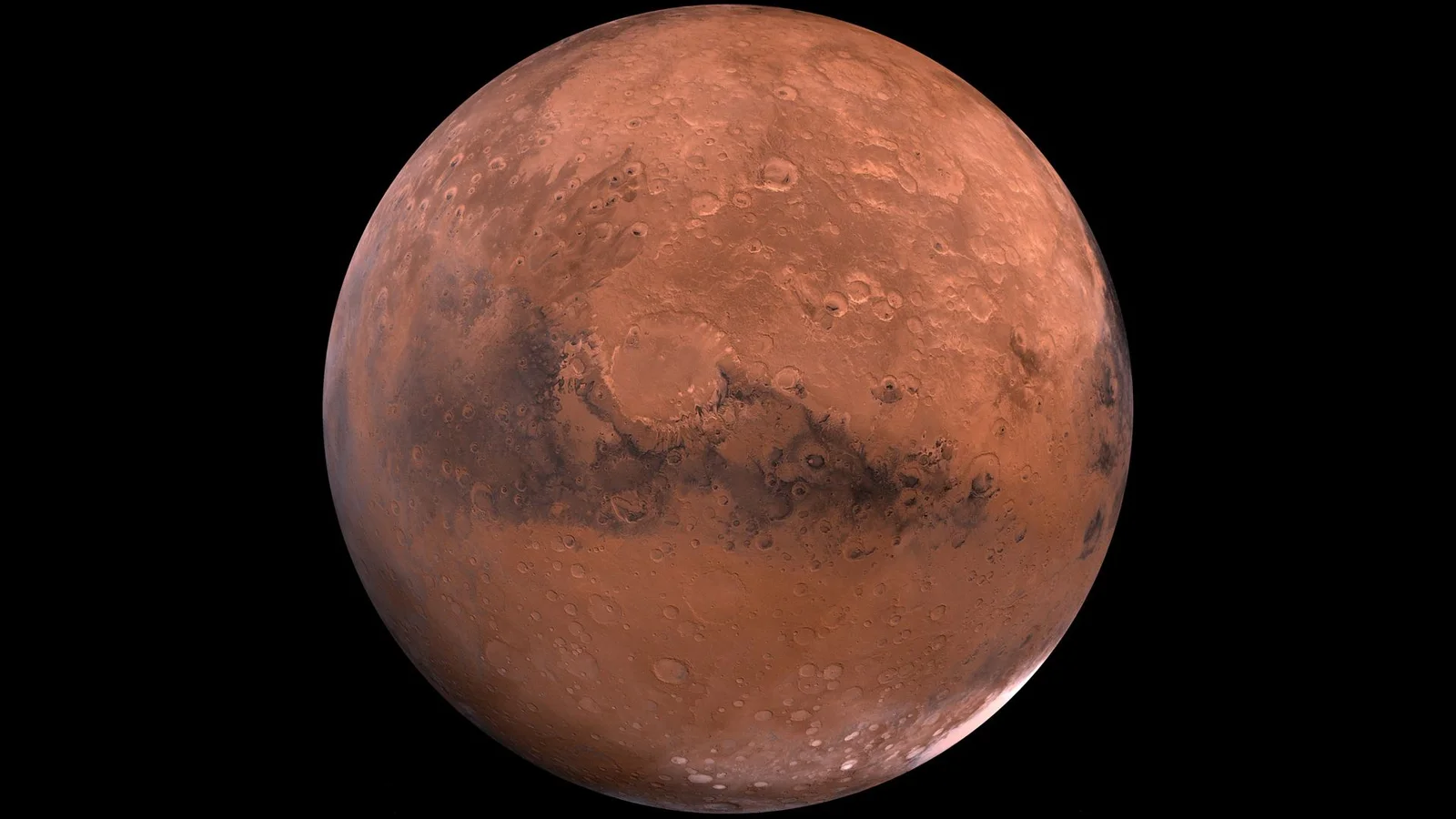
Scientists at NIST have calculated that clocks on Mars run approximately 477 microseconds faster per day than on Earth, with variations due to Mars' orbit and gravity, which is crucial for future Mars exploration and interplanetary communication systems.
Scientists from NIST have determined that clocks on Mars run approximately 477 microseconds faster per day than on Earth due to gravitational effects, with variations throughout the Martian year, which is crucial for future Mars missions and interplanetary navigation.
Due to Einstein's theory of general relativity, time passes slightly faster on Mars than on Earth by about 477 microseconds per day, influenced by differences in gravity and orbital dynamics, which has implications for future space navigation and communication systems.
Scientists have found that clocks on Mars run faster than on Earth by about 477 microseconds per day due to differences in gravity and orbital dynamics, with implications for future space missions and tests of Einstein's relativity.
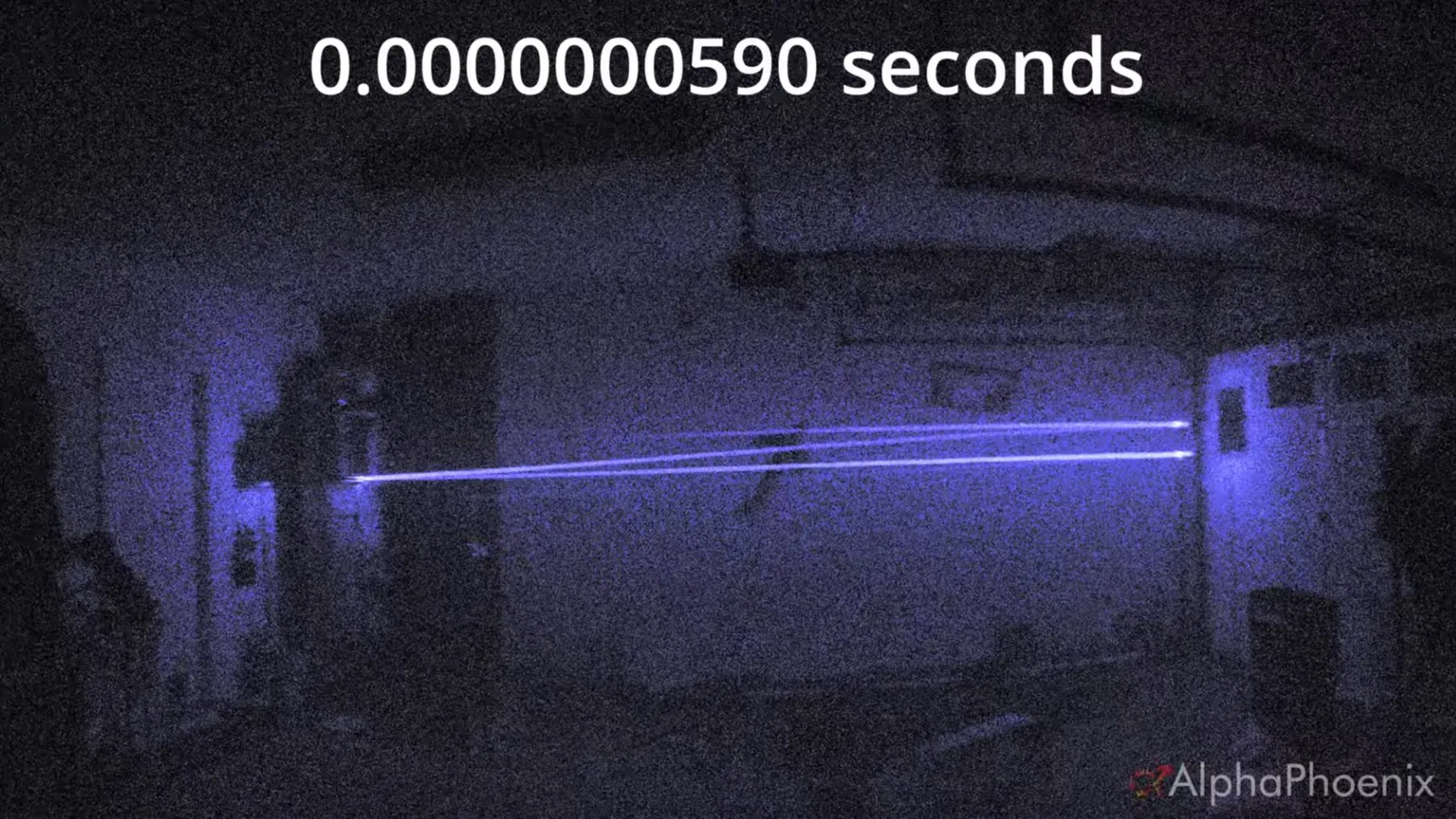
Brian Haidet's experiment captures laser beams at 2 billion frames per second, revealing how light appears to travel faster towards the camera due to an artifact related to special relativity, achieved through a highly upgraded setup.
Physicists in Vienna used ultra-fast lasers and cameras to simulate the Terrell-Penrose optical illusion, demonstrating how objects moving at near-light speeds appear rotated due to light's travel time, confirming a century-old prediction of special relativity in a lab setting.
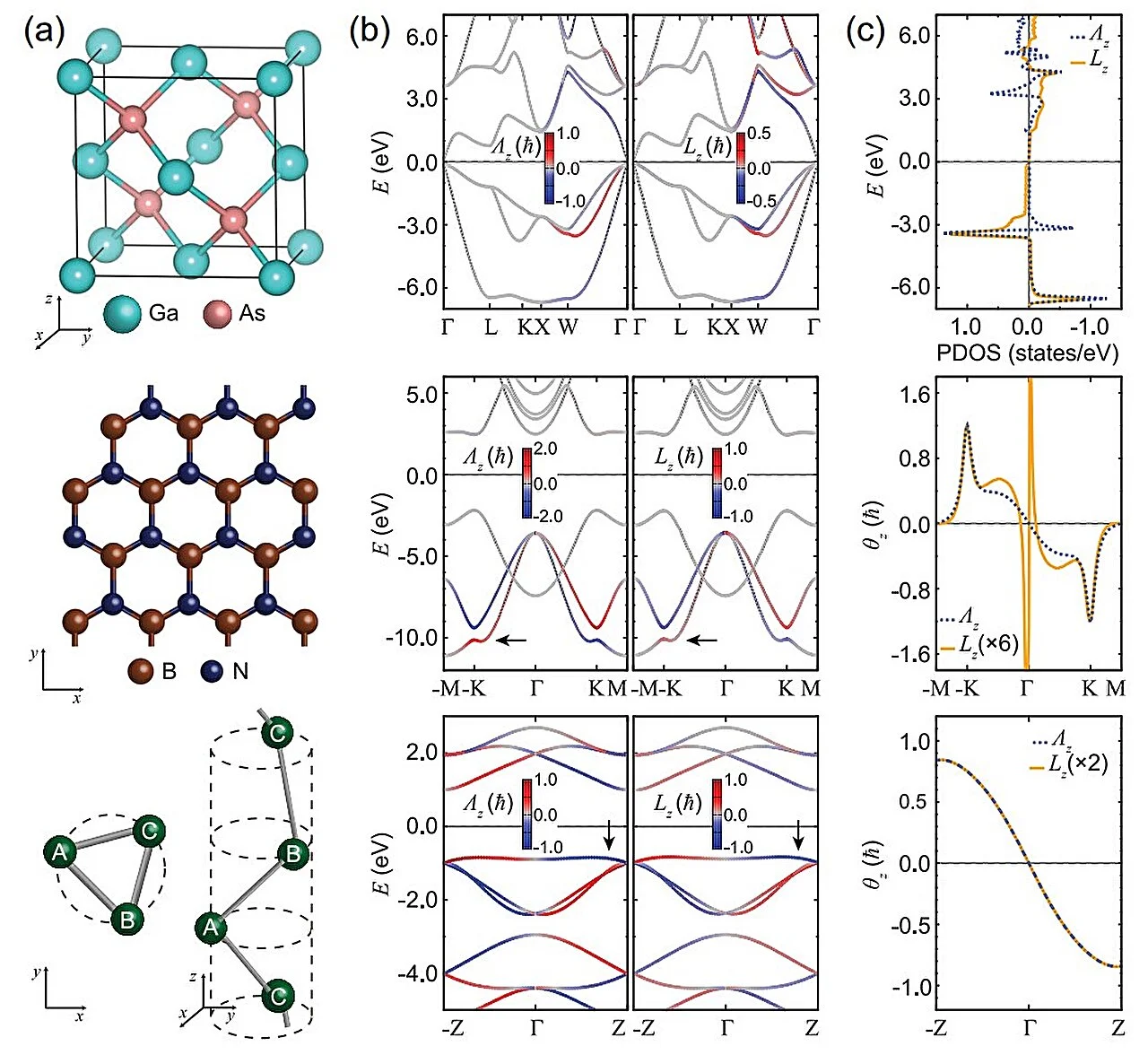
A new theoretical framework has been developed that unifies quantum mechanics and relativity in describing electron spin-lattice interactions in solids, improving the accuracy of modeling spin-related phenomena and advancing potential applications in spintronics and quantum technologies.
A recent study proposes a new framework where tachyons, particles faster than light, could exist within Einstein's relativity without causing paradoxes, potentially revolutionizing our understanding of time, causality, and the universe's fundamental laws.
Light travels through space at a constant speed and does not wear out or lose energy when it moves through the vacuum of space, unless it interacts with matter. Its ability to travel vast distances without losing energy is due to the emptiness of space and the nature of electromagnetic radiation, which is massless and unaffected by friction or resistance in a vacuum.
Physicist Alessio Zaccone has discovered a new effect of Einstein's theory of special relativity on fluids, termed "fluid thickening," which describes how fluid viscosity changes under relativistic conditions. This groundbreaking theory, detailed in Physical Review E, combines relativistic equations with current fluid dynamics theories to explain viscosity behavior at near-light speeds and high temperatures. Zaccone's work suggests a potential new fundamental law of physics, enhancing our understanding of relativistic effects on fluids and their implications in astrophysics and high-energy physics.
A new theory extends Einstein's relativity to real fluids, proposing a relativistic theory of viscosity that accounts for the effects of high-speed motion on fluid properties. This theory, based on the relativistic Langevin equation, suggests that fluid viscosity increases with speed, analogous to length contraction and time dilation, and introduces the concept of "fluid thickening" at relativistic speeds. The findings have implications for understanding high-energy fluids like quark-gluon plasma in astrophysics and high-energy physics.
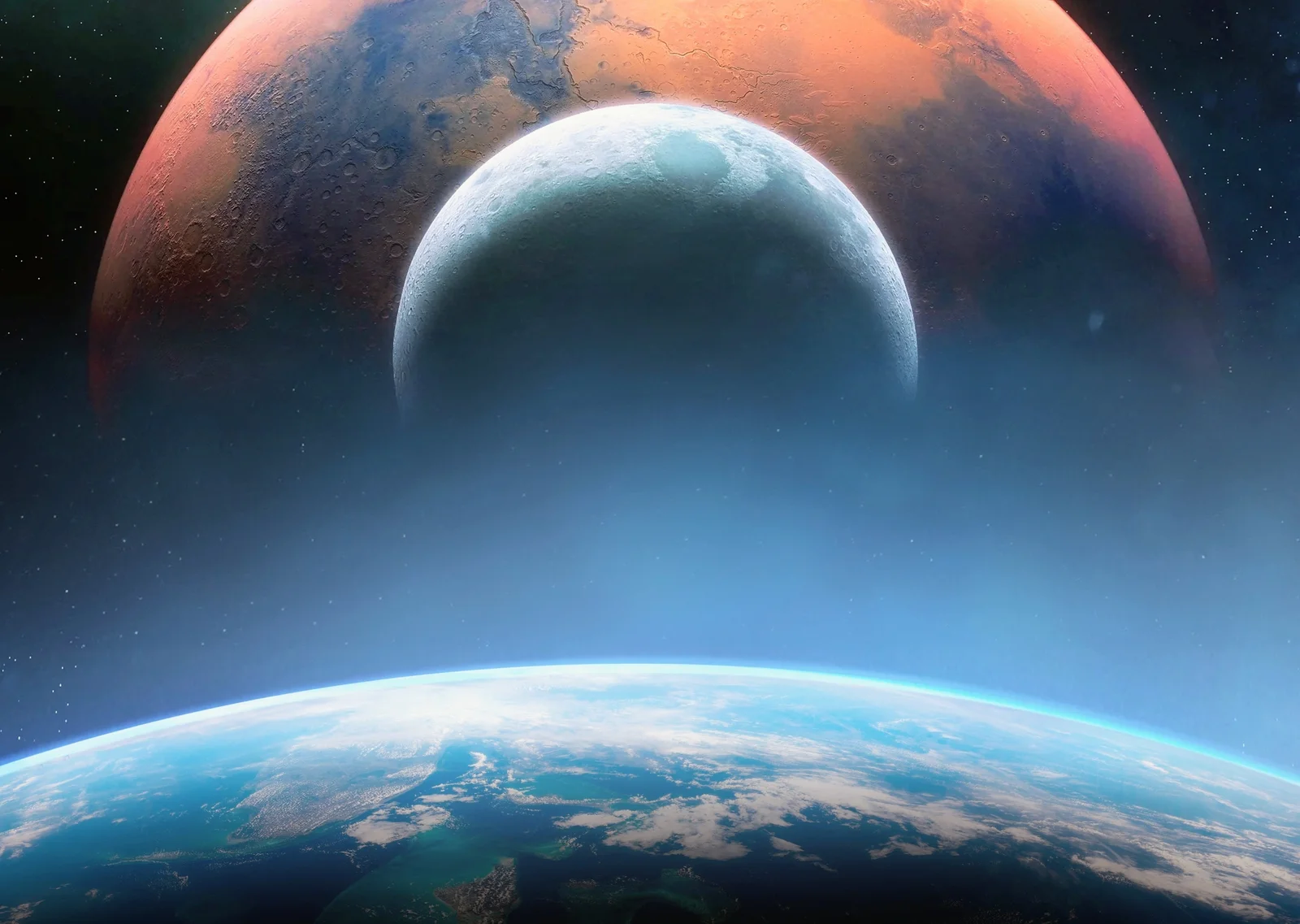
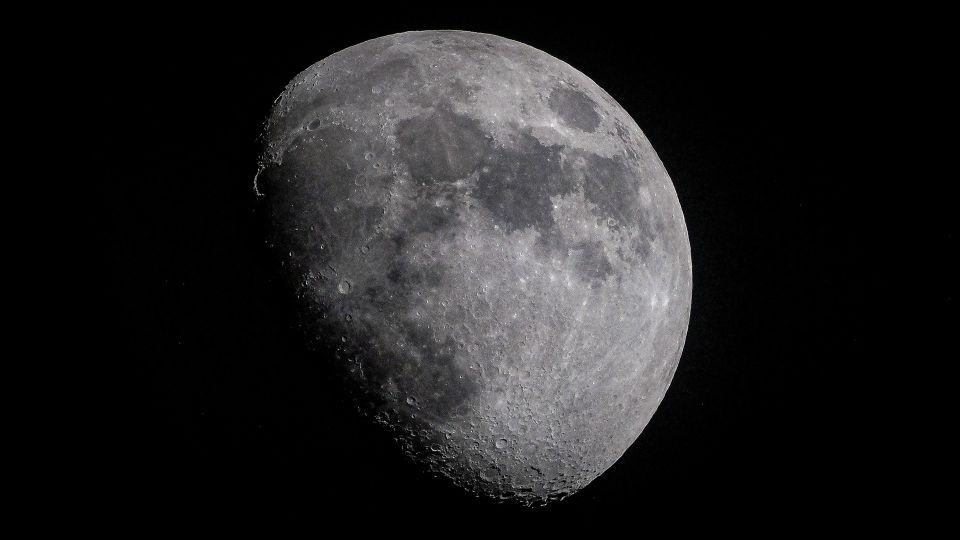
As multiple countries aim to establish a human presence on the moon, experts emphasize the need for a standardized lunar time scale. Due to Einstein's theory of relativity, time passes differently on the moon, making it crucial for astronauts to have an accurate timekeeping system for their activities.
As multiple countries aim to establish a human presence on the moon, NASA and its international partners face the challenge of creating a lunar time scale. Due to Einstein's theory of relativity, time passes differently on the moon, making it crucial to develop a system that accounts for these variations to ensure accurate timekeeping for astronauts.
Moving at the speed of light is theoretically impossible for humans due to the extreme acceleration forces involved, which could lead to severe injury or death. Additionally, as an object with mass approaches the speed of light, its mass increases, making it impossible to reach that speed. However, particle accelerators have been able to propel subatomic particles to over 99.9% of the speed of light. If it were possible to move at near light speed, the effects of relativity on time would be experienced, with time passing more slowly for the traveler.