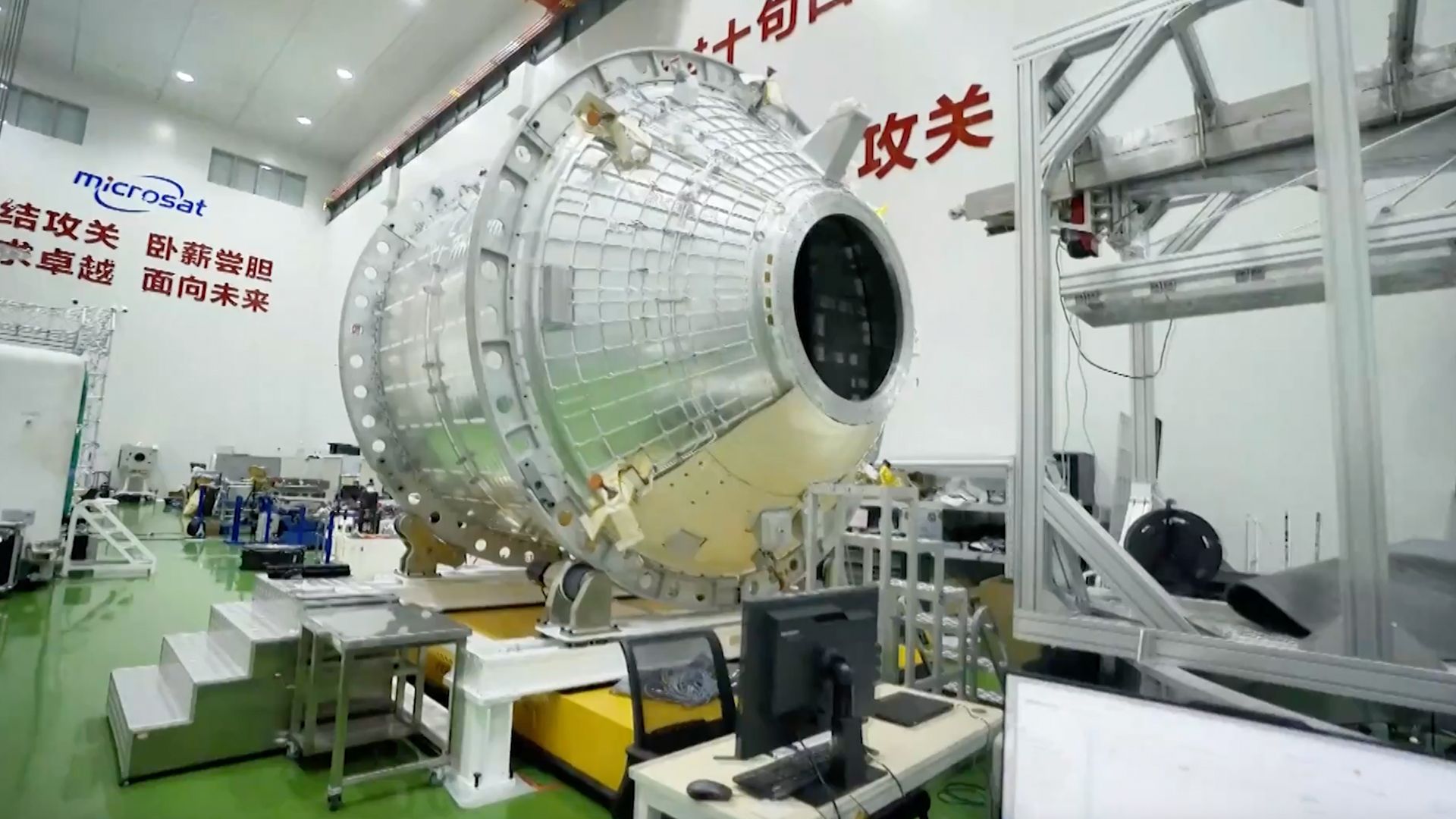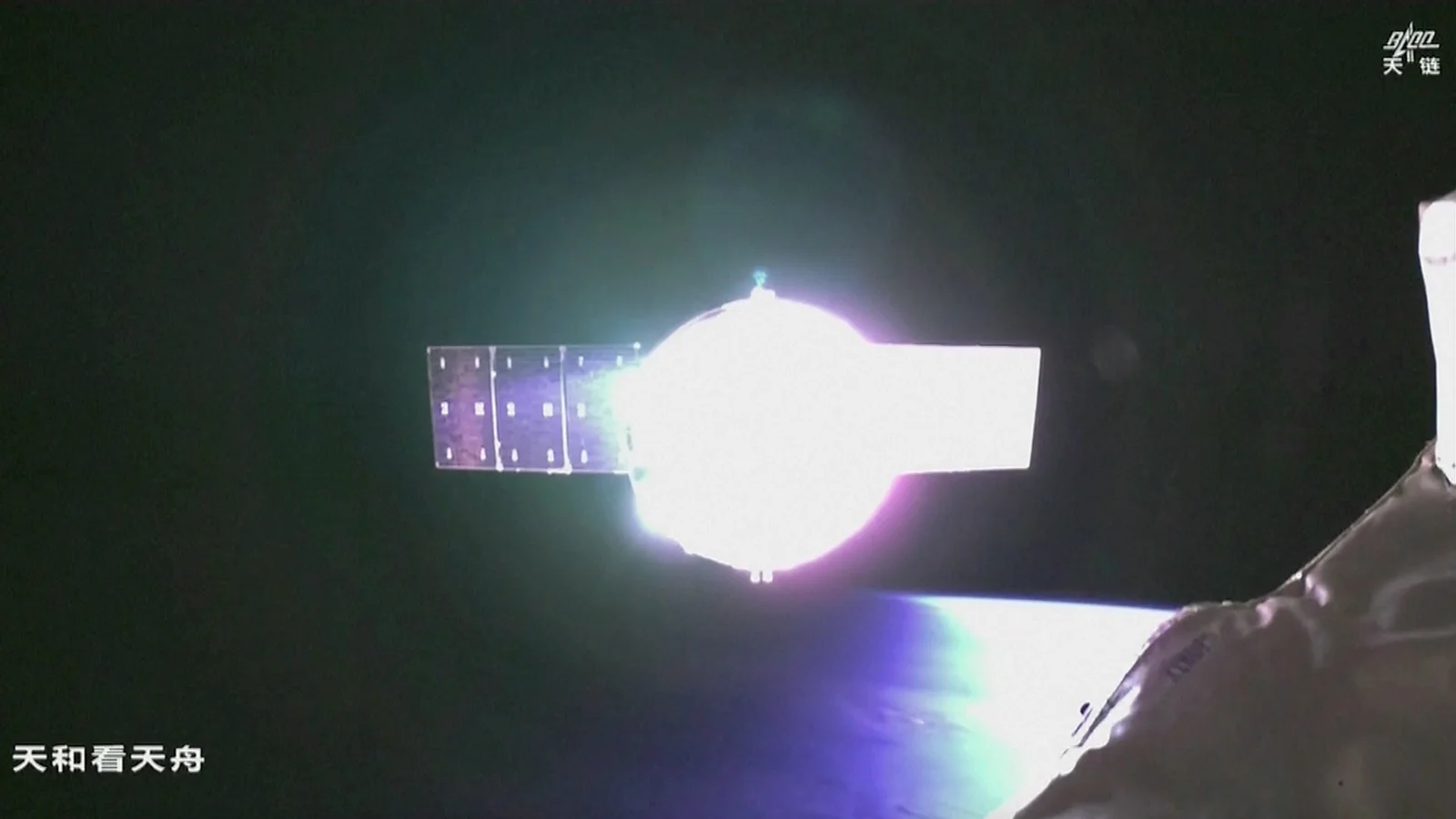
China is developing Qingzhou, a smaller, lighter, and potentially cheaper cargo spacecraft for its Tiangong space station, with its first flight expected after early 2026, as part of an upgrade to its space transportation capabilities.
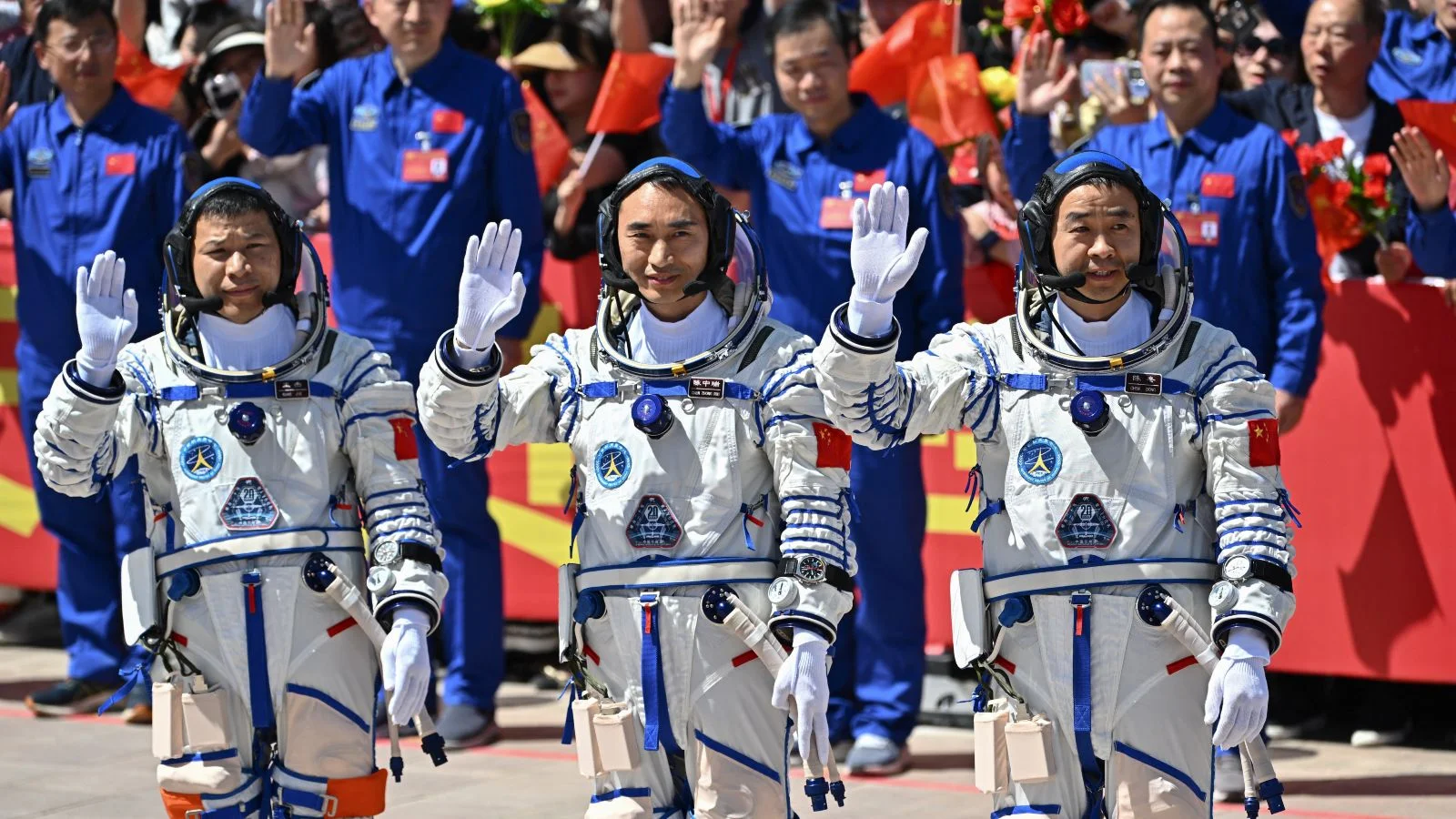
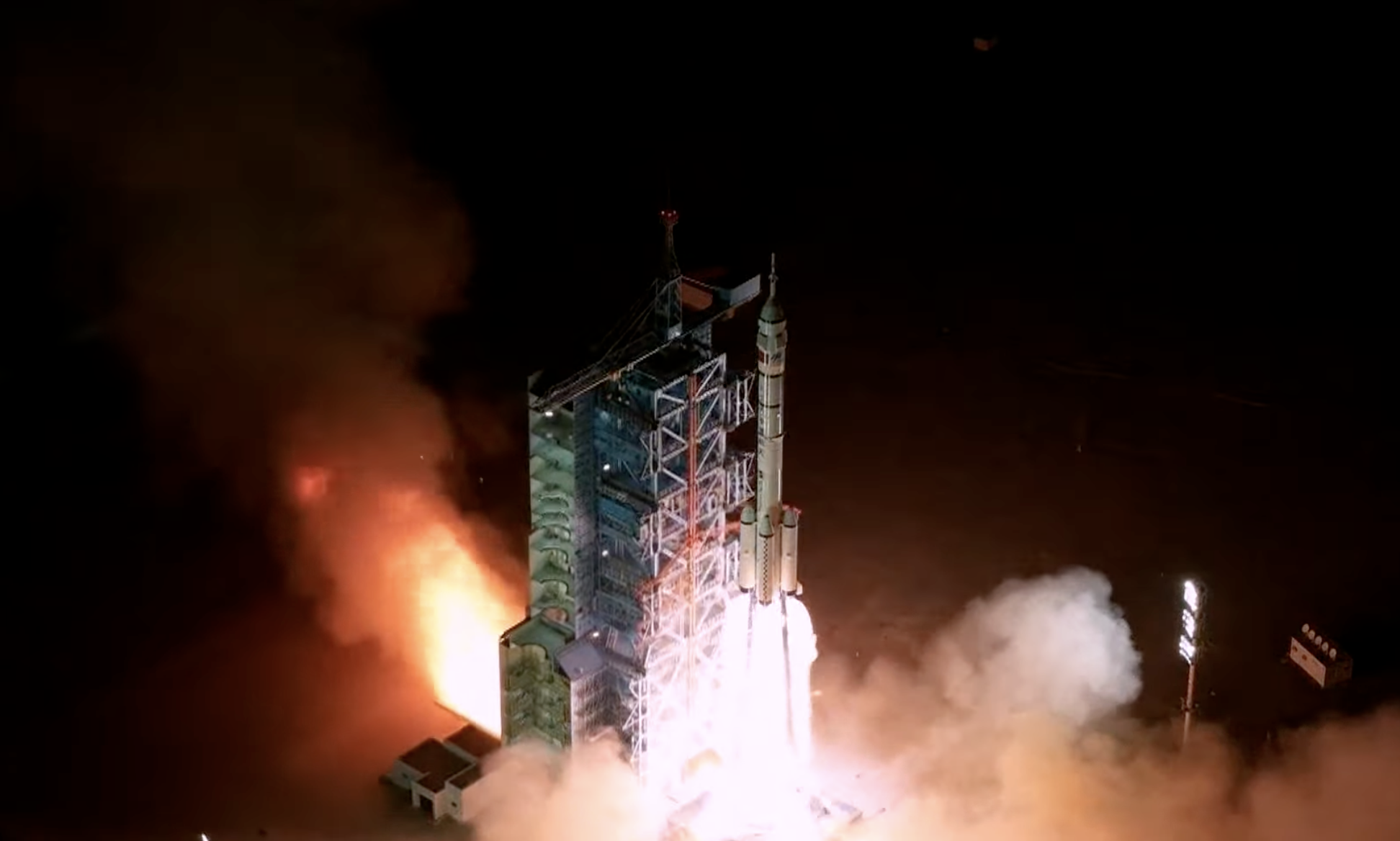
China launched its tenth crewed mission to the Tiangong space station, Shenzhou-21, with a crew of three taikonauts who will conduct 27 experiments, including China's first study of rodents in orbit, during a six-month stay. The mission was launched from Jiuquan using the CZ-2F/G rocket, and the crew will quickly dock with the station, taking a record three and a half hours to reach it, to relieve the previous crew after their extensive scientific work.
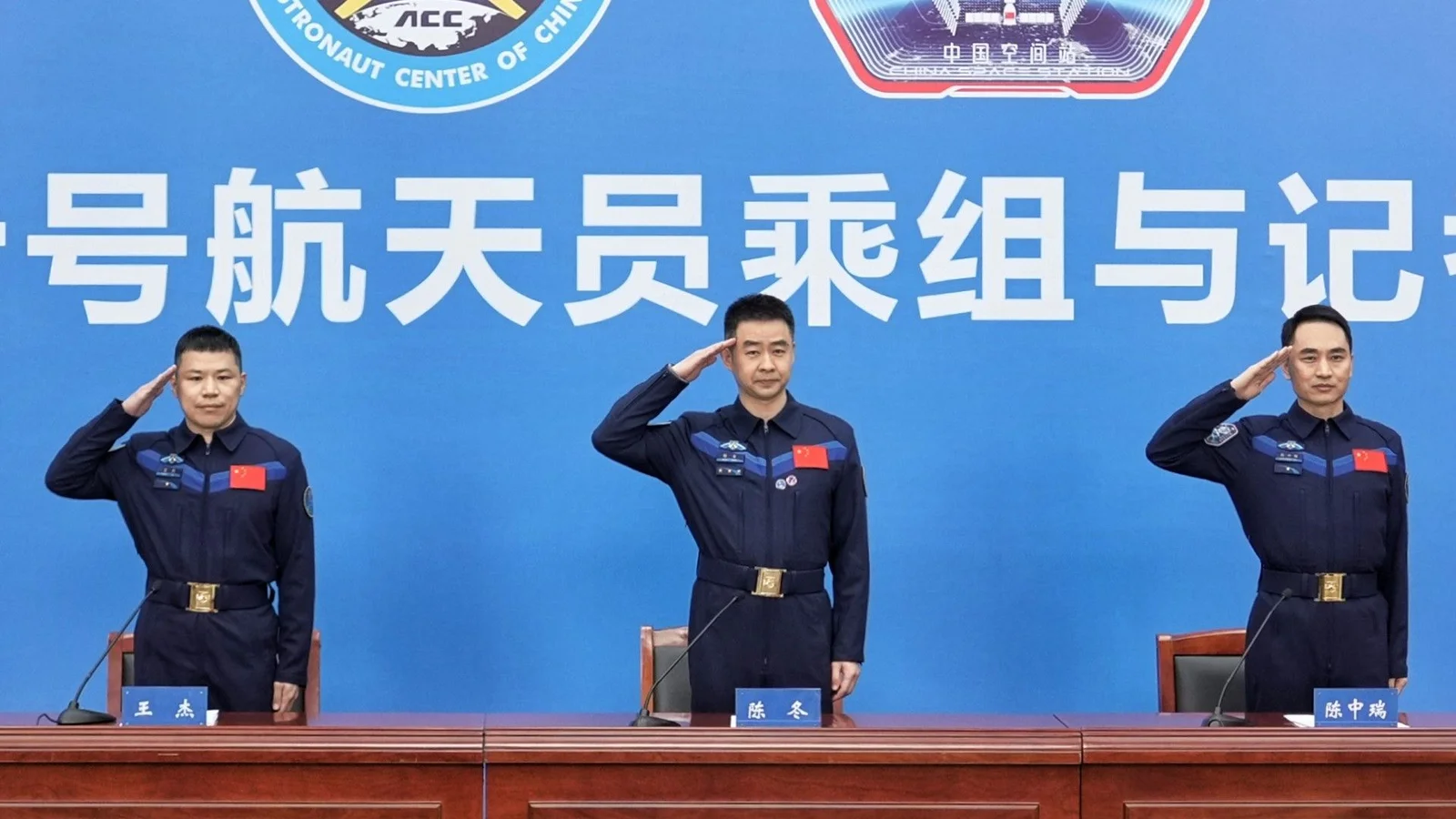
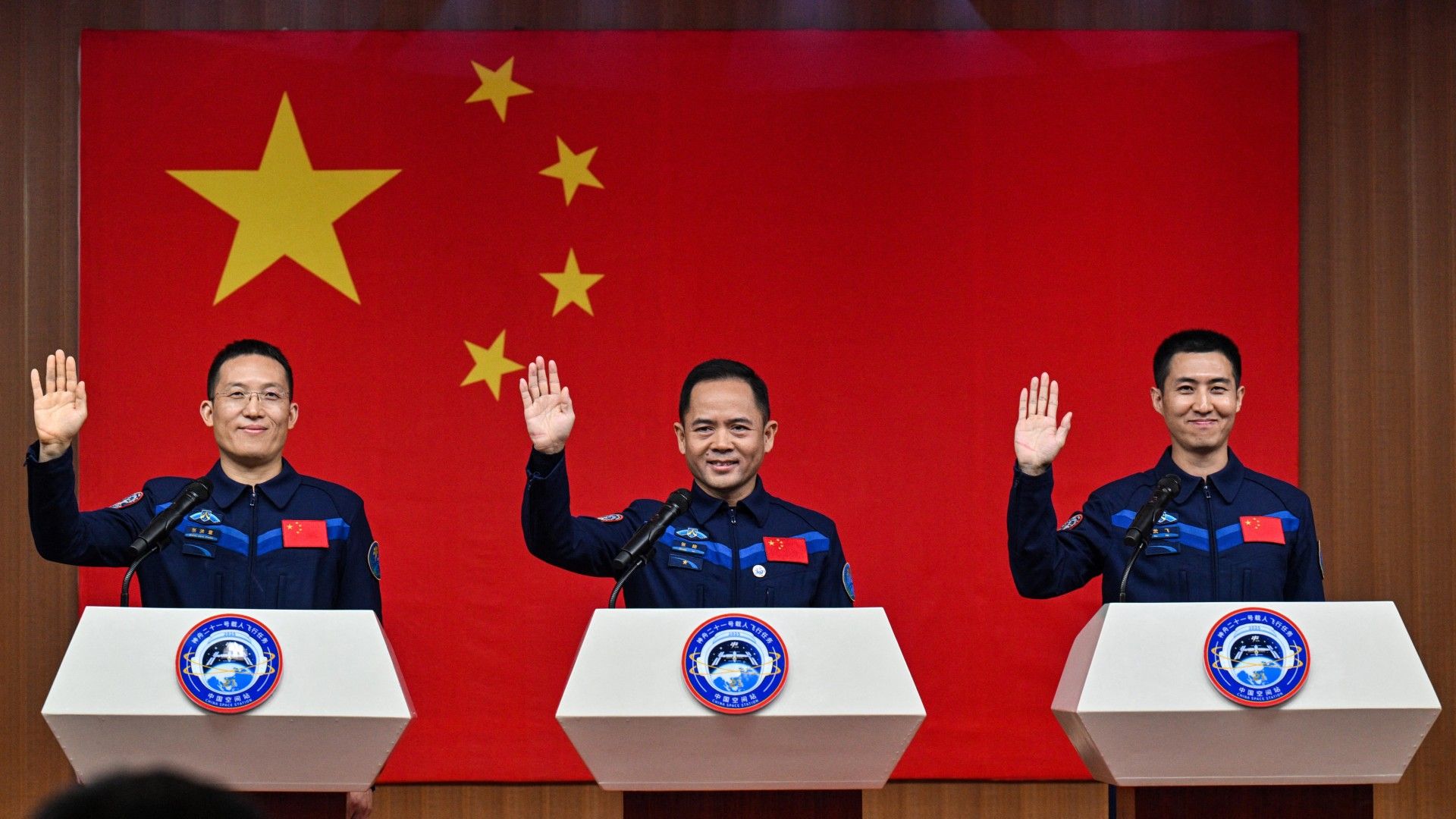
China announced its crew for the upcoming Shenzhou 21 mission to the Tiangong Space Station, including the nation's youngest astronaut Wu Fei, who will join Zhang Lu and Zhang Hongzhang for a six-month mission involving experiments, spacewalks, and cargo management, marking China's 10th crewed flight to Tiangong.
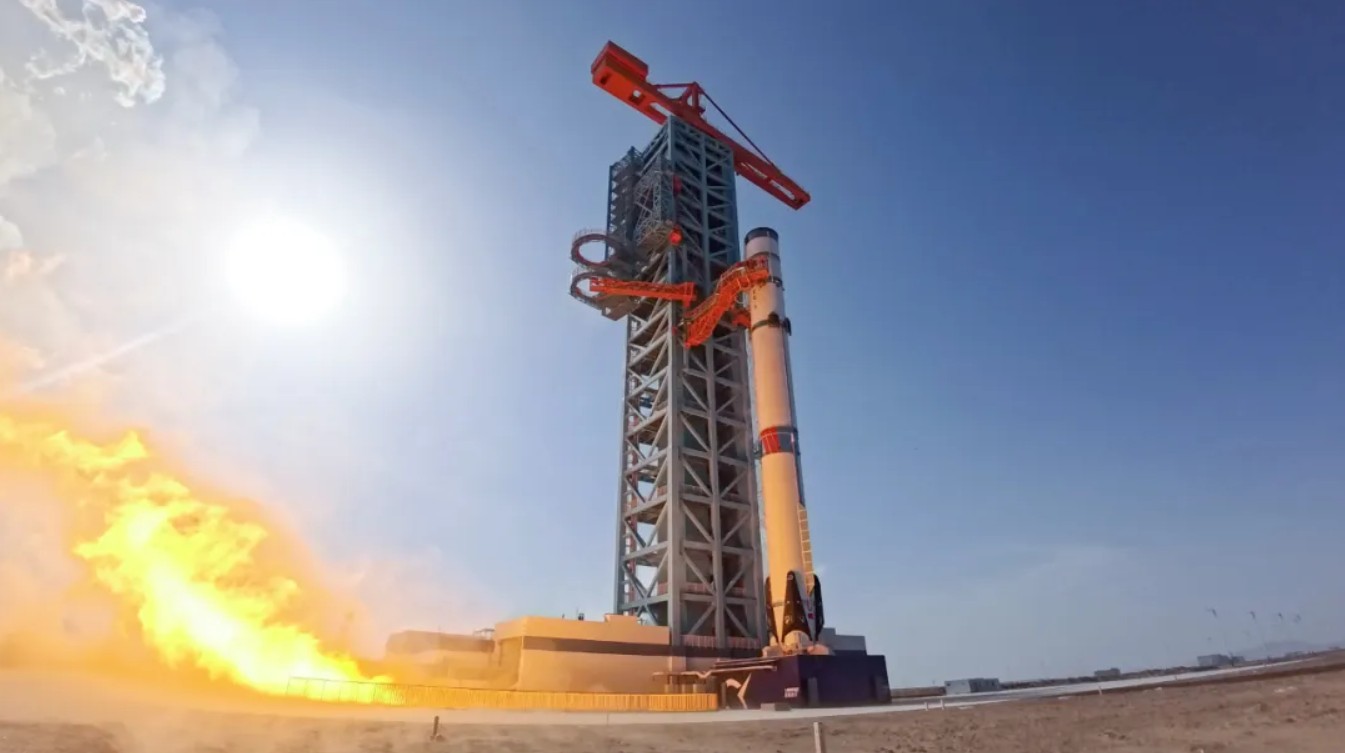
Landspace is preparing for China's first orbital launch and potential first-stage recovery of its Zhuque-3 rocket, which aims to deliver cargo to the Tiangong space station. The launch, possibly in November, marks a significant step for China's private space sector and reusable rocket technology, following a series of test preparations and previous rocket failures.
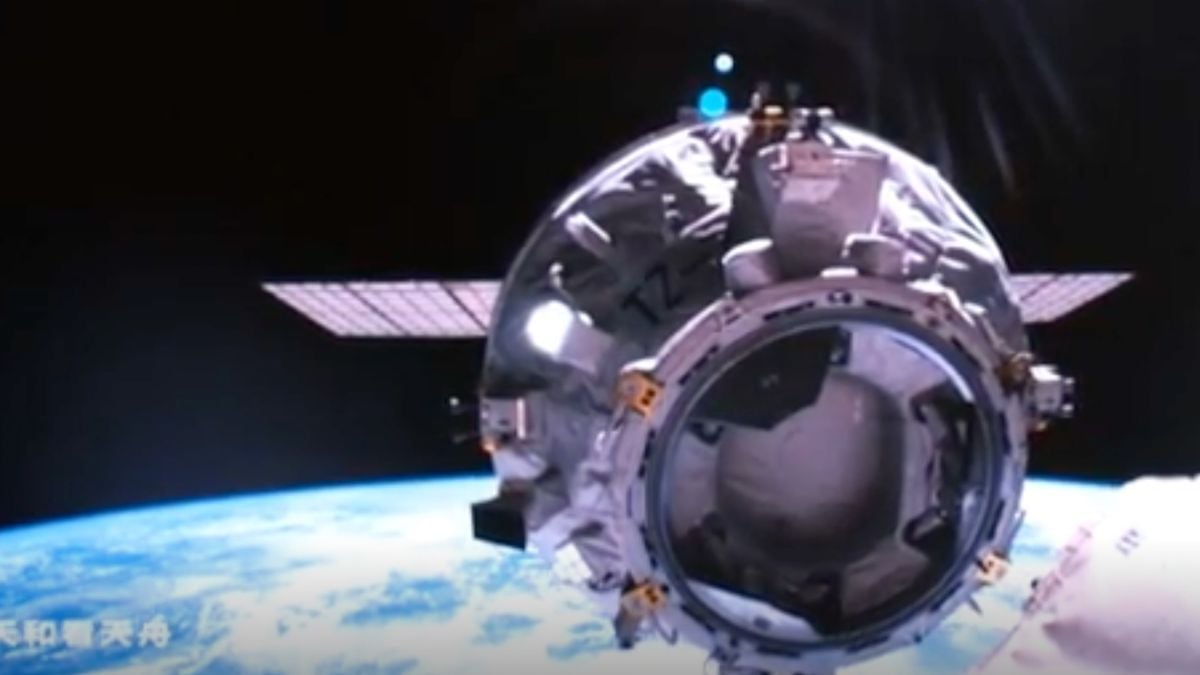
China's Tianzhou 9 cargo spacecraft successfully docked with the Tiangong space station, carrying supplies, upgraded spacesuits, scientific payloads, and equipment for astronaut fitness and research, marking a significant advancement in China's space capabilities and mission readiness.
China's Tianzhou 7 cargo spacecraft, which delivered supplies to the Tiangong space station earlier this year, has been deorbited and burned up in Earth's atmosphere. After undocking from the station on November 10, it reentered the atmosphere on November 17, likely over the South Pacific Ocean. Before reentry, Tianzhou 7 released a 6U cubesat named Bayi-08 for Earth observation and communication purposes. Meanwhile, China has launched the Tianzhou 8 mission to continue resupplying the Tiangong station.
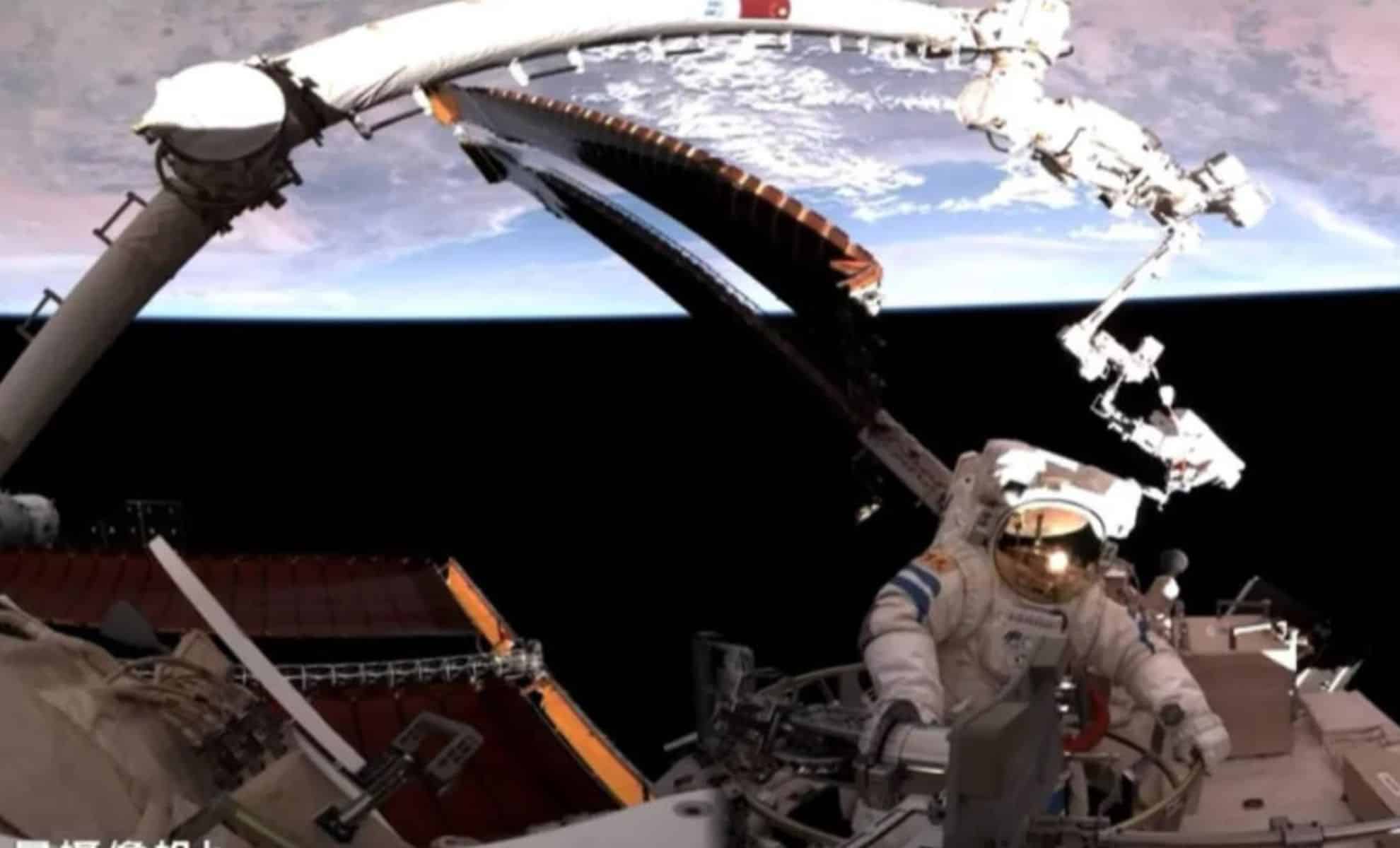
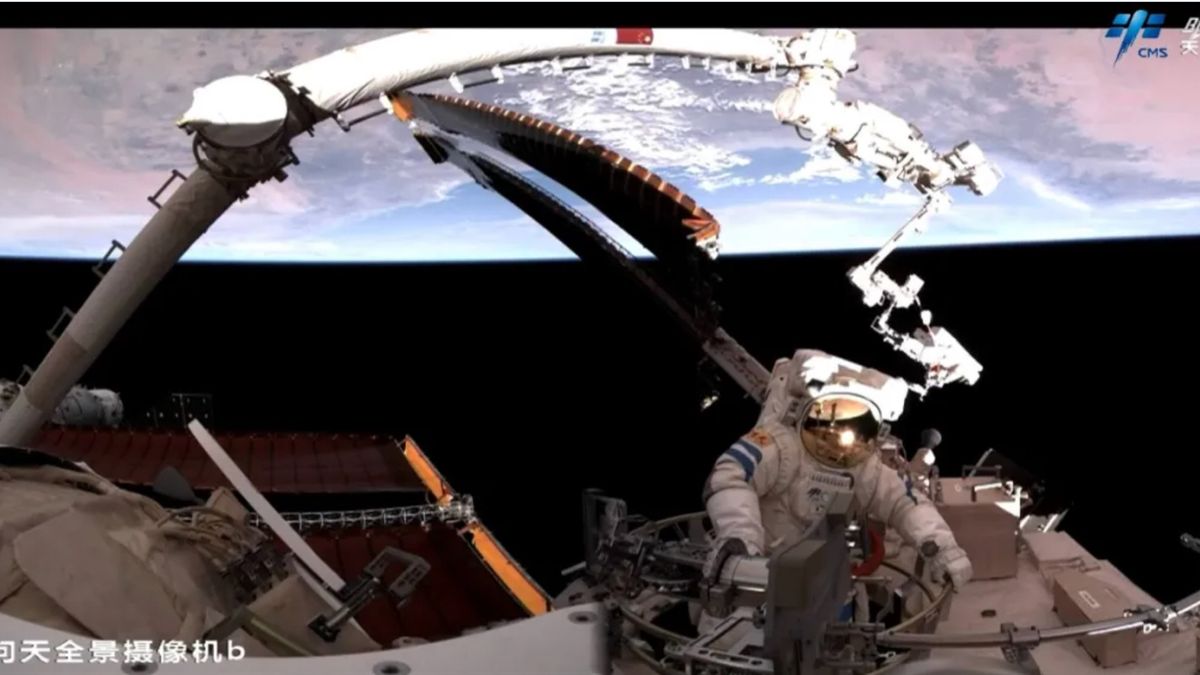
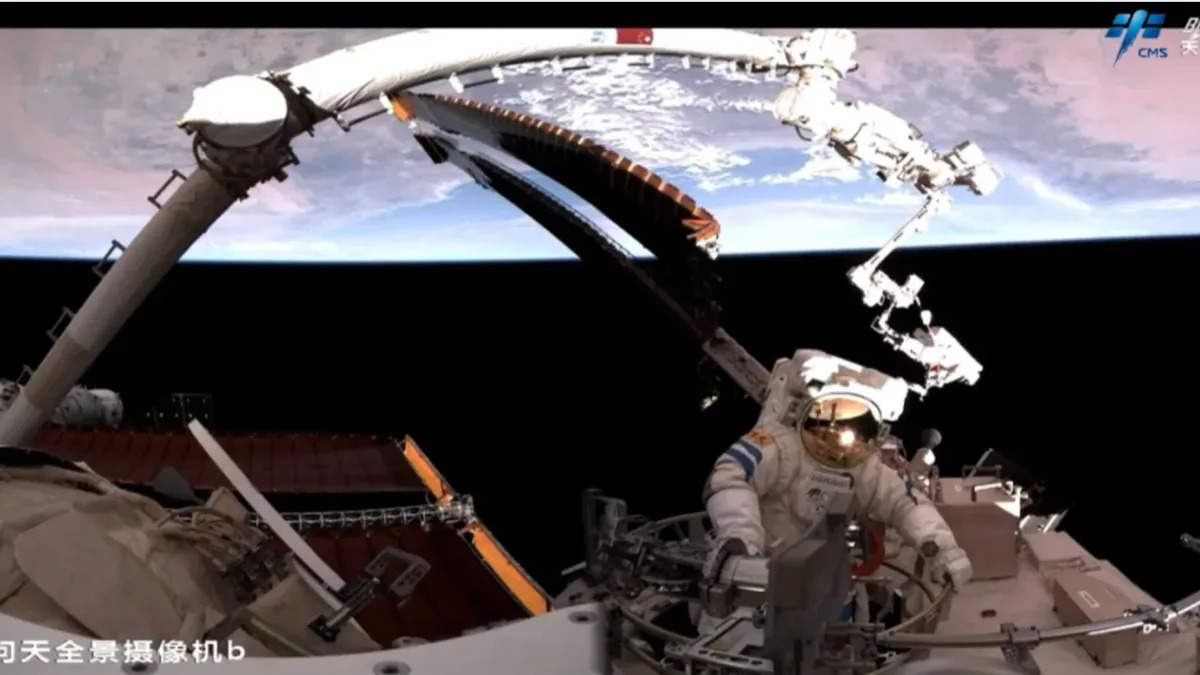
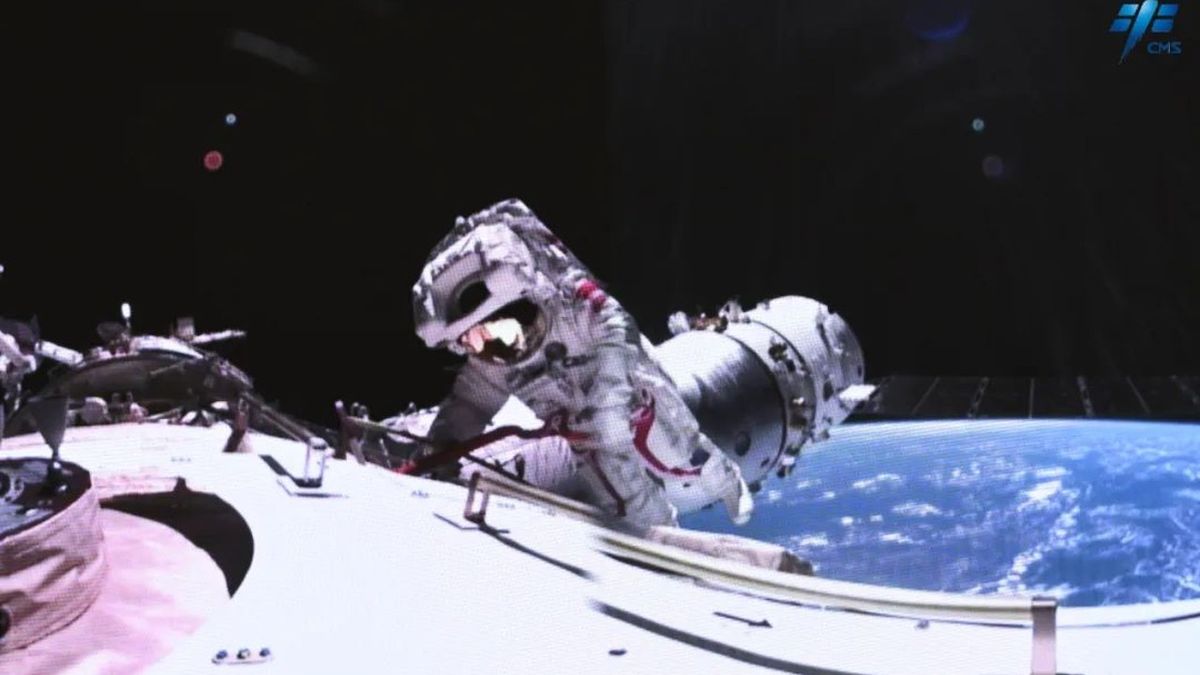
Chinese astronauts Ye Guangfu and Li Guangsu set a new record with an 8.5-hour spacewalk on the Tiangong space station, installing a space debris protection device and conducting inspections. This milestone, part of the Shenzhou 18 mission, underscores China's advancing space capabilities and proactive measures against space debris.
Chinese astronauts Ye Guangfu and Li Guangsu set a national record with an 8.5-hour spacewalk outside the Tiangong space station, installing space-debris protection gear and inspecting equipment. This marks the first EVA for the Shenzhou 18 mission, which launched in late April and is expected to conduct numerous scientific and technical activities.
Chinese astronauts Ye Guangfu and Li Guangsu set a new national record by spending 8.5 hours outside the Tiangong space station during a spacewalk, surpassing previous Chinese spacewalking durations. They installed a space debris protection device and inspected extravehicular equipment. This was the first EVA for the Shenzhou 18 mission, which launched in late April and is expected to conduct numerous scientific experiments and technical tests.
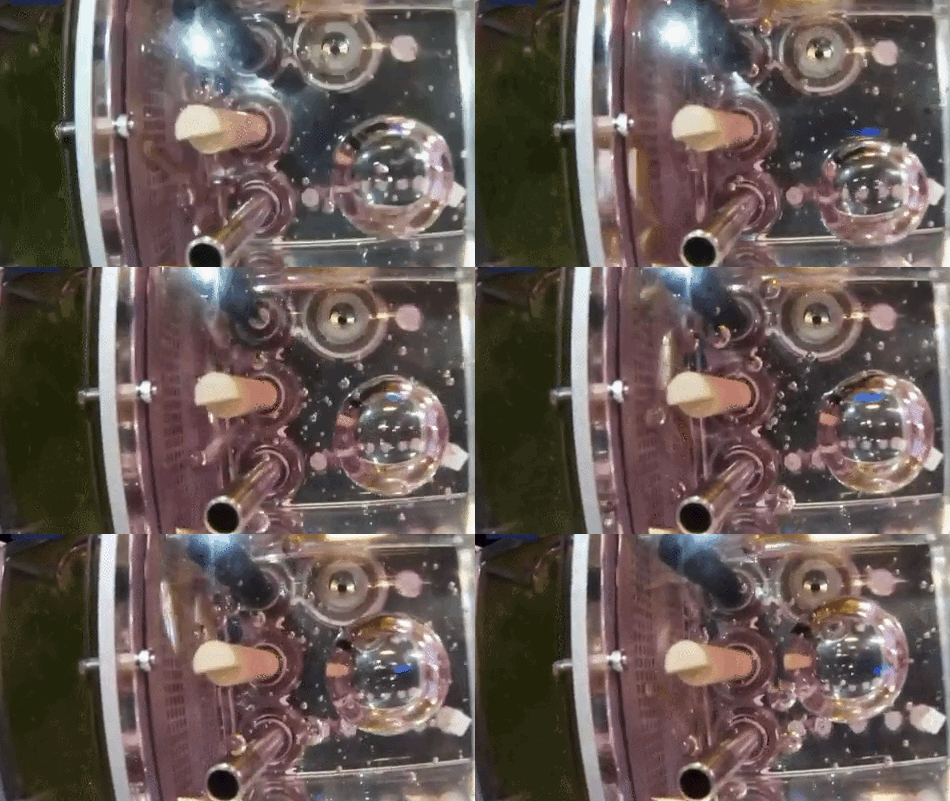
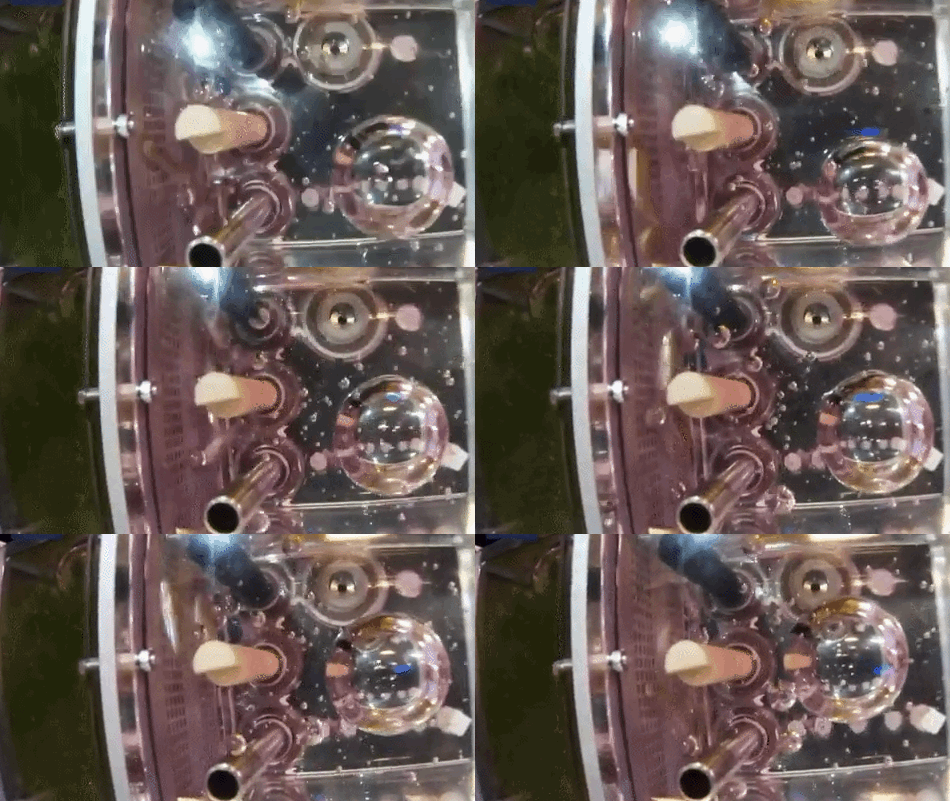
Four zebrafish sent to China's Tiangong space station are thriving after nearly a month in orbit, as part of a research project by the Chinese Academy of Sciences to study the effects of microgravity on vertebrates. The zebrafish, along with goldfish algae, are in good condition and are being observed for unusual behaviors and developmental changes. This research aims to understand the impact of space conditions on biological systems and has implications for long-duration space missions.
Zebrafish sent to China's Tiangong space station are thriving in a self-sustaining aquatic ecosystem, part of a research project by the Chinese Academy of Sciences to study the effects of microgravity on vertebrates. This experiment, the first of its kind, aims to understand biological responses to space conditions and has implications for long-duration space missions.
Chinese astronauts Jiang Xinlin and Tang Hongbo conducted an eight-hour spacewalk to repair the solar array of China's Tiangong space station during the ongoing Shenzhou 17 mission. The mission's main objective was to maintain the solar array of Tiangong's Tianhe core module, which can be impacted by micrometeoroids. The astronauts successfully completed the extravehicular activity, with Jiang Xinlin demonstrating composure and calm during his first time engaging in such activities. The Shenzhou 17 crew is expected to complete a six-month mission aboard Tiangong and hand over the station to the incoming Shenzhou 18 crew around April or May.
Chinese astronauts Tang Hongbo and Jiang Xinlin conducted an 8-hour spacewalk outside the Tiangong space station to repair the facility's solar array, marking the second extravehicular activity of the Shenzhou 17 mission. The astronauts successfully completed maintenance tasks and confirmed normal power generation before returning to the station. The mission, which launched in late October 2023, aims to complete a six-month-long stay aboard Tiangong before handing over the station to the incoming Shenzhou 18 crew in April or May.
China's Tiangong space station's core module, Tianhe, has been in orbit for over 1,000 days, marking a significant milestone in the construction of the space station. The module has facilitated crewed missions and the arrival of science modules, contributing to China's expanding space activities. With plans to operate for at least a decade, Tiangong aims to accommodate commercial activities and civilian astronauts, in addition to hosting international experiments and astronauts in the future. China also plans to launch a space telescope to co-orbit with Tiangong in 2025.
China's Tianzhou 7 cargo spacecraft delivered human bone cells to the Tiangong space station for research into bone mineral density, with over 60 experiments on board. The cells will be closely monitored for growth and data transmitted back to Earth for analysis, potentially leading to better ways to tackle bone loss problems in space and on Earth. This research, conducted cooperatively with scientists from other countries, aims to develop relevant medicines that could benefit both astronauts and the elderly. With the Tiangong space station in its operational phase, China's science community now has more opportunities to carry out scientific experiments in space.