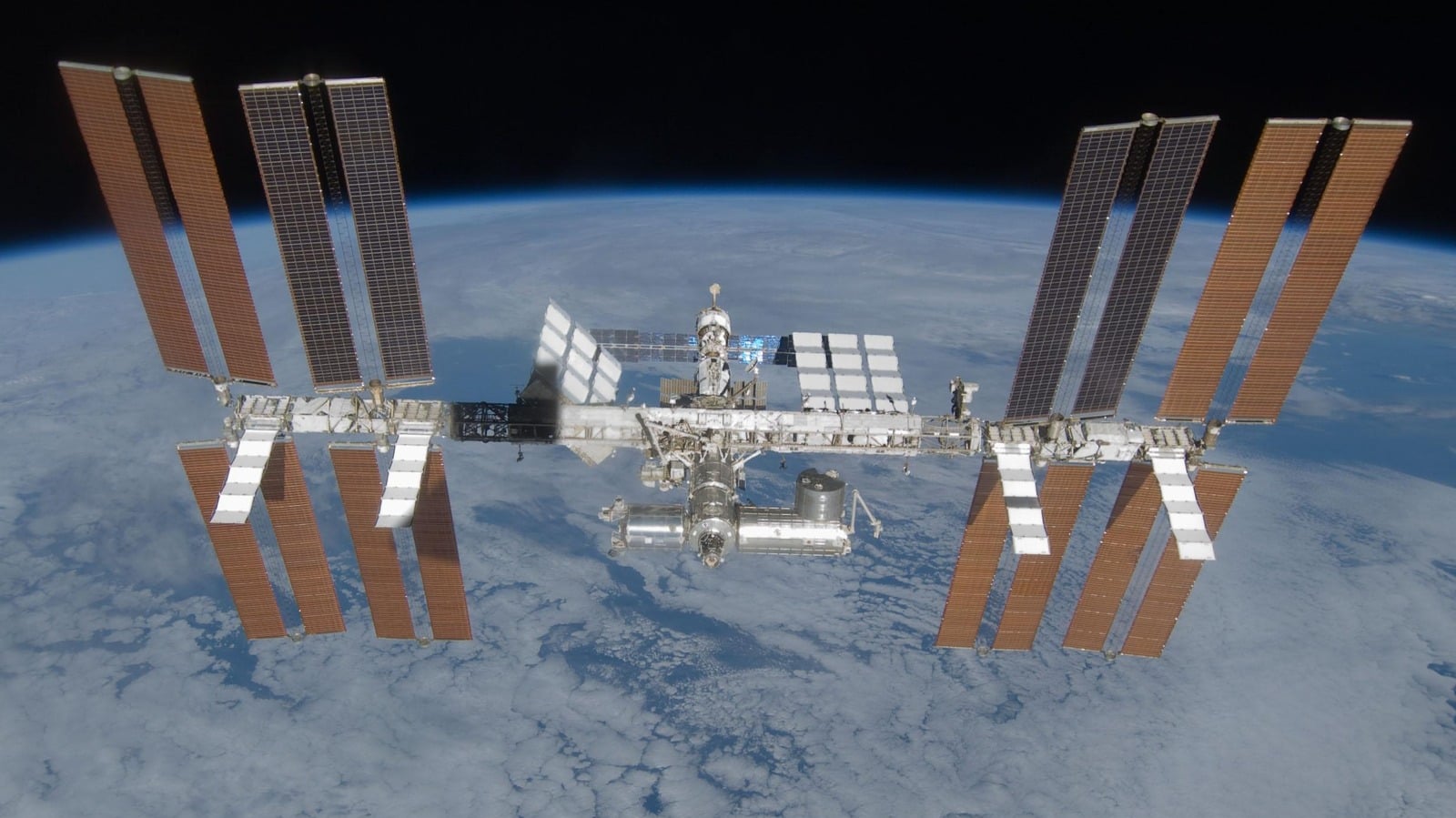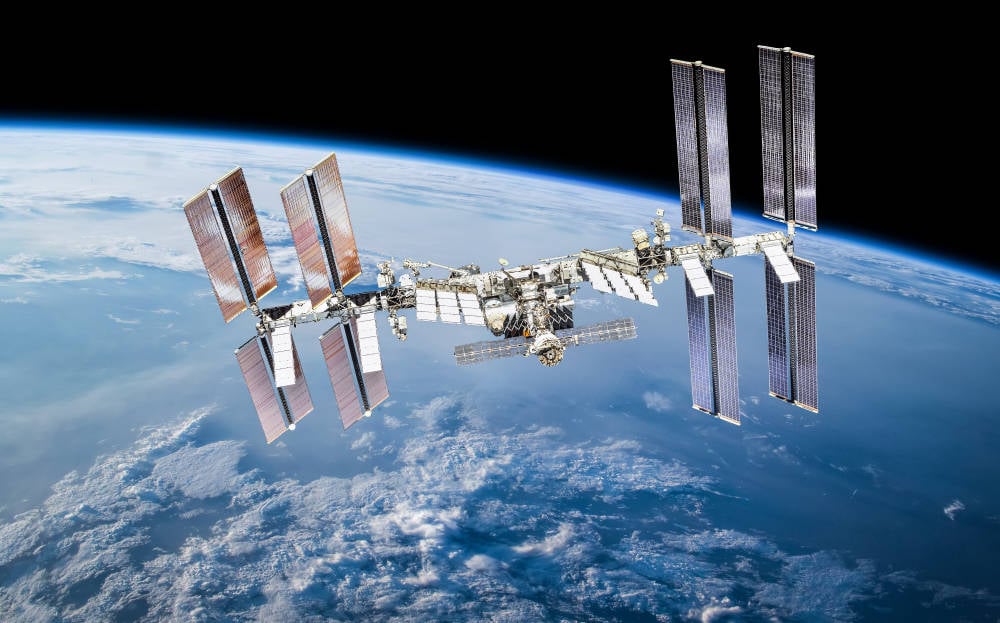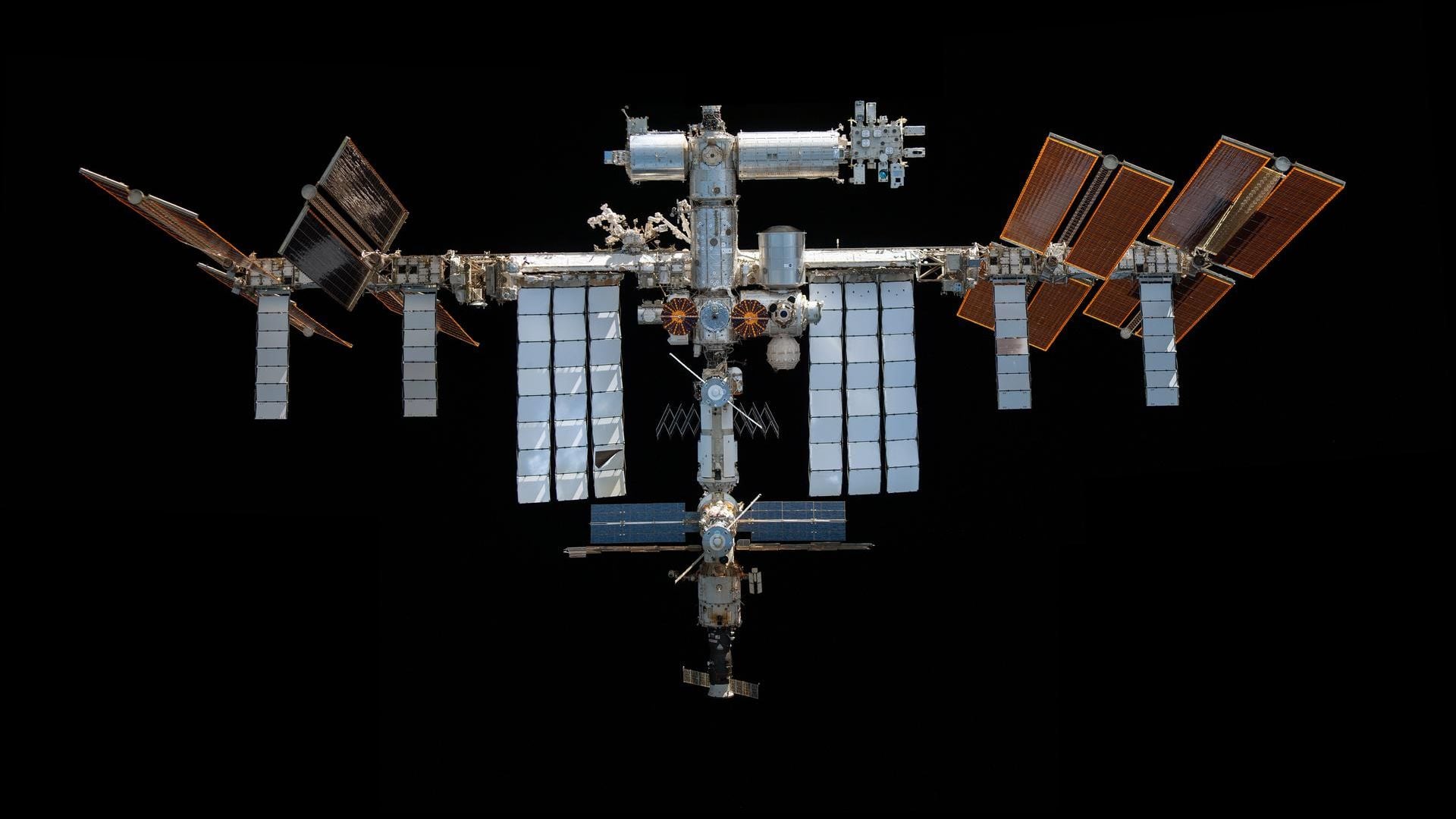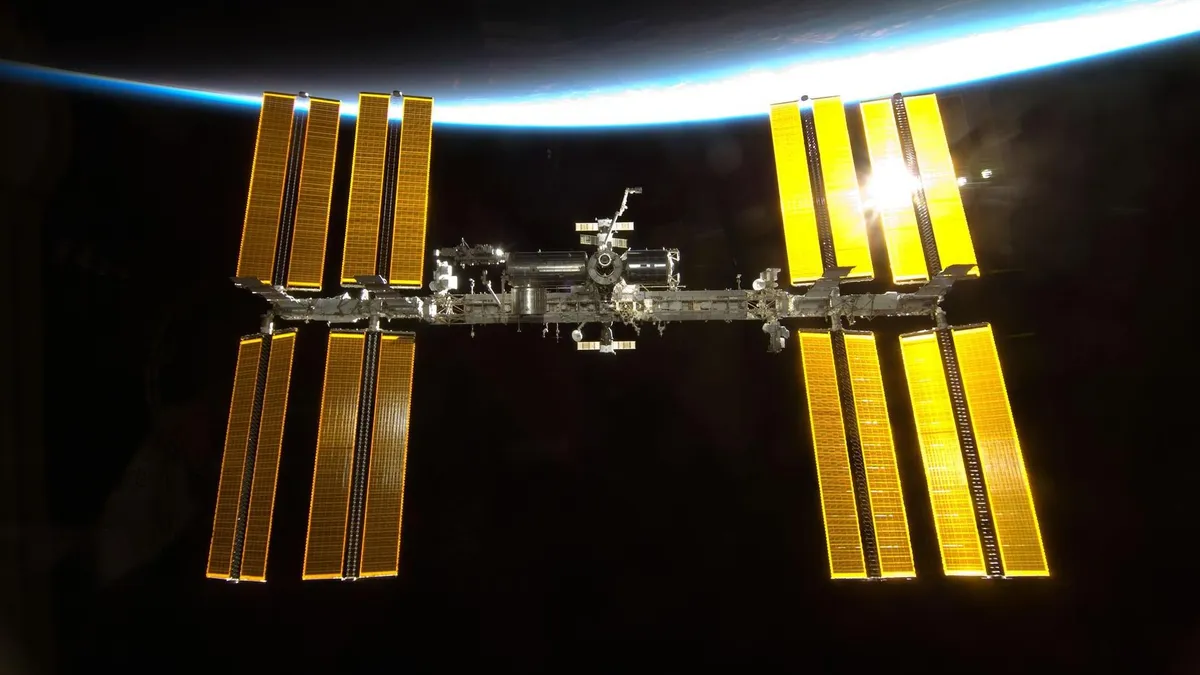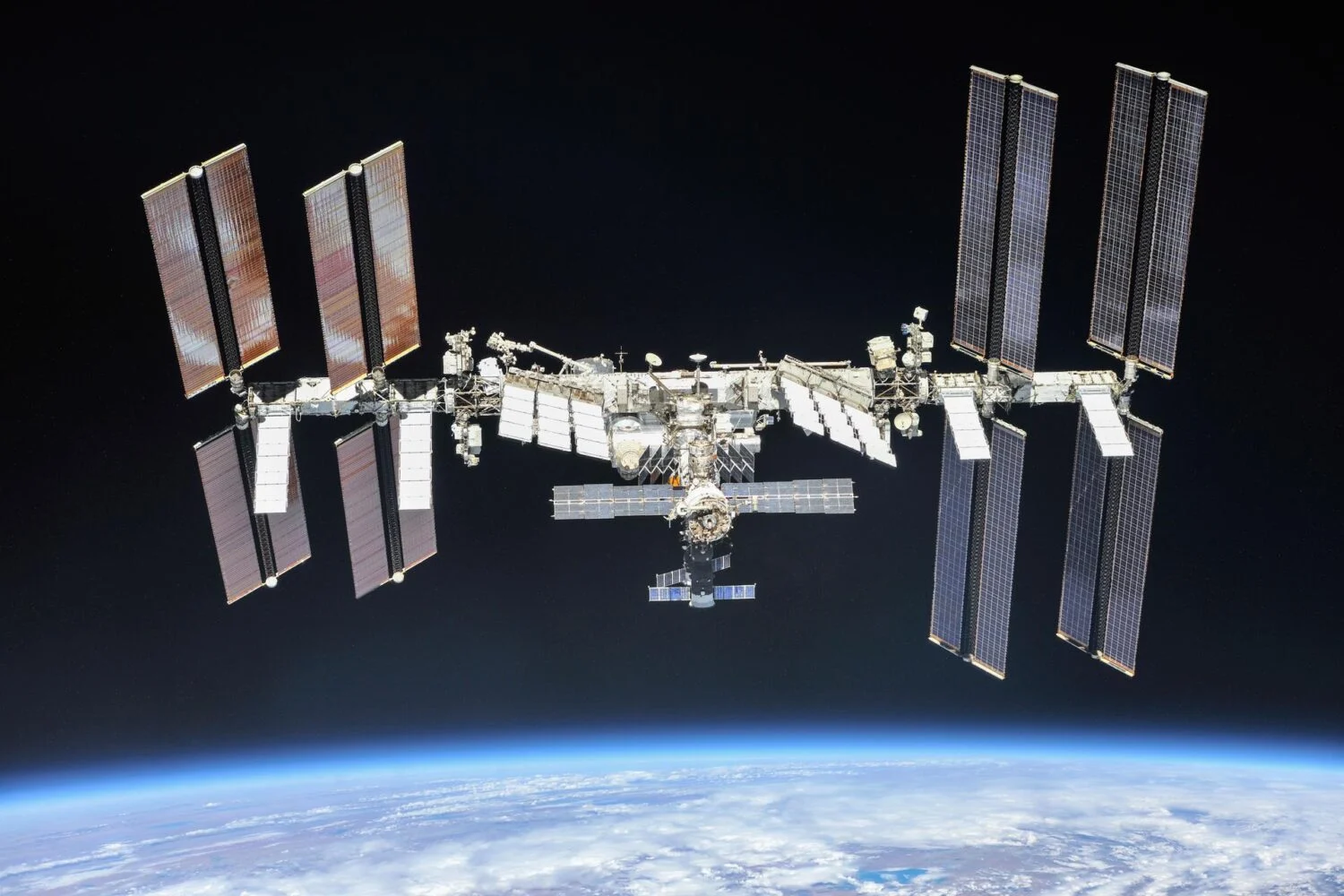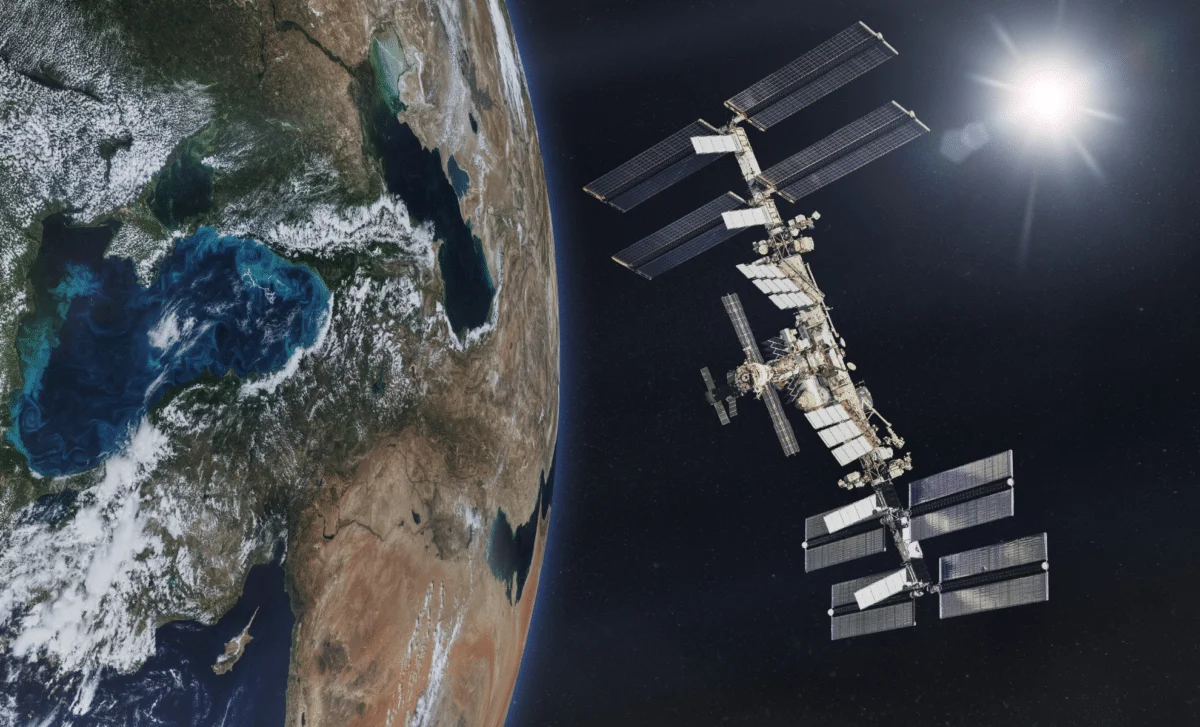
Russia plans to recycle its aging half of the ISS to form the core of a new space station called ROS, after the current ISS is decommissioned post-2030. The decision follows economic setbacks and geopolitical issues, with concerns about the structural integrity and biological hazards of the Russian modules. The new station aims to maintain collaboration with India and continue orbiting in a similar path as the ISS.
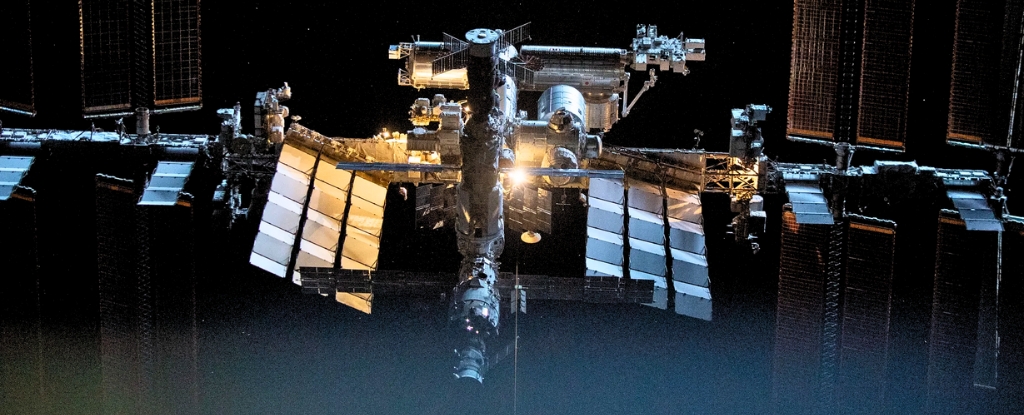
The article commemorates 25 years of continuous human presence on the ISS since its first crew in 2000, highlighting its early challenges, growth, and current decline, with plans to deorbit the station by the end of the decade and a shift towards commercial space stations, raising questions about the future of human space habitation.
NASA plans to deorbit the International Space Station (ISS) in the coming years, marking a significant step in space station management and future space exploration strategies.
NASA plans to deorbit the International Space Station in 2030 and shift focus to developing commercial space stations in low-Earth orbit, ensuring continued human presence and research opportunities in space beyond the ISS's retirement.
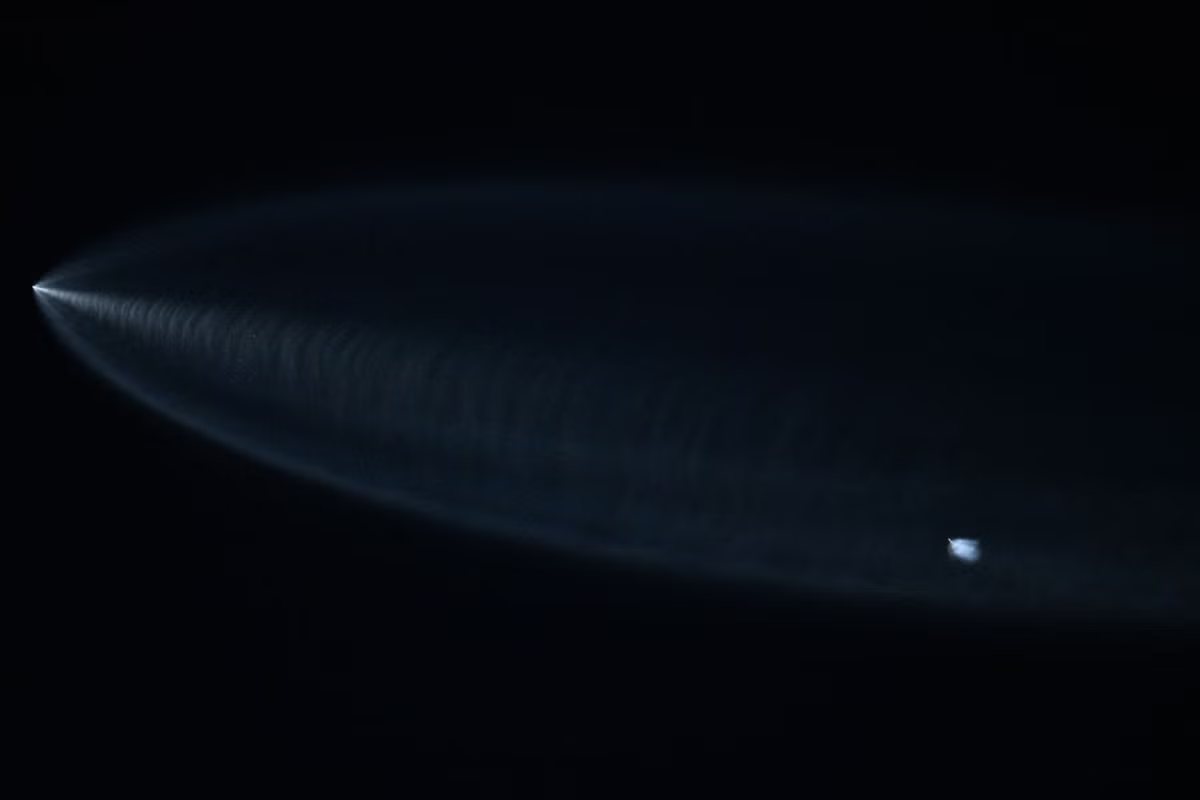
Up to four Starlink satellites are deorbiting daily, raising concerns about space debris and potential environmental impacts, though they are designed to burn up safely. Experts warn that uncontrolled reentries could pose risks and environmental effects, prompting ongoing research into their broader impact on Earth's atmosphere.
NASA plans to deorbit the International Space Station in 2030 after 25 years of continuous human presence, but will continue space research in low-Earth orbit through developing commercial space stations, with China’s Tiangong station taking over as the longest inhabited station in the meantime.
The International Space Station (ISS) is set for a controlled deorbit into the South Pacific Ocean in 2031, raising concerns about potential environmental impacts on Earth's atmosphere and oceans. While the ISS's reentry is not expected to significantly contribute to ocean pollution compared to other human activities, its atmospheric impact is less understood. NASA has contracted SpaceX to develop a deorbit vehicle for the ISS, but the lack of an international legal framework for space hardware disposal remains a concern. Environmental groups and researchers are calling for more regulations to address these issues.
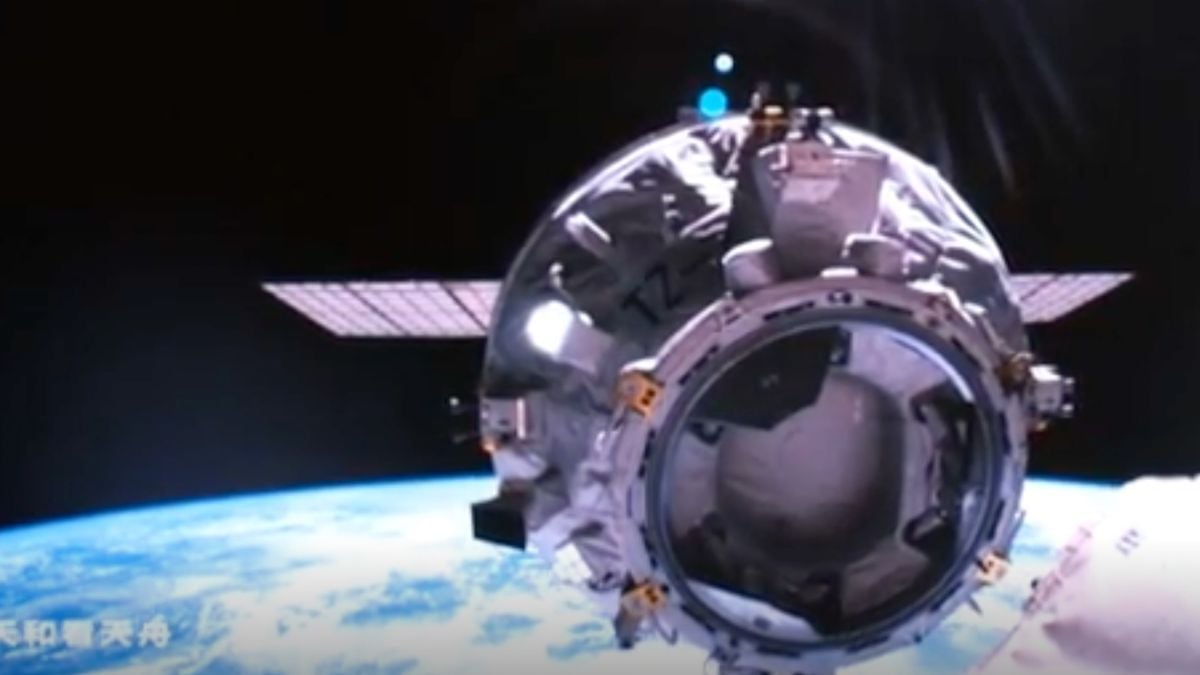
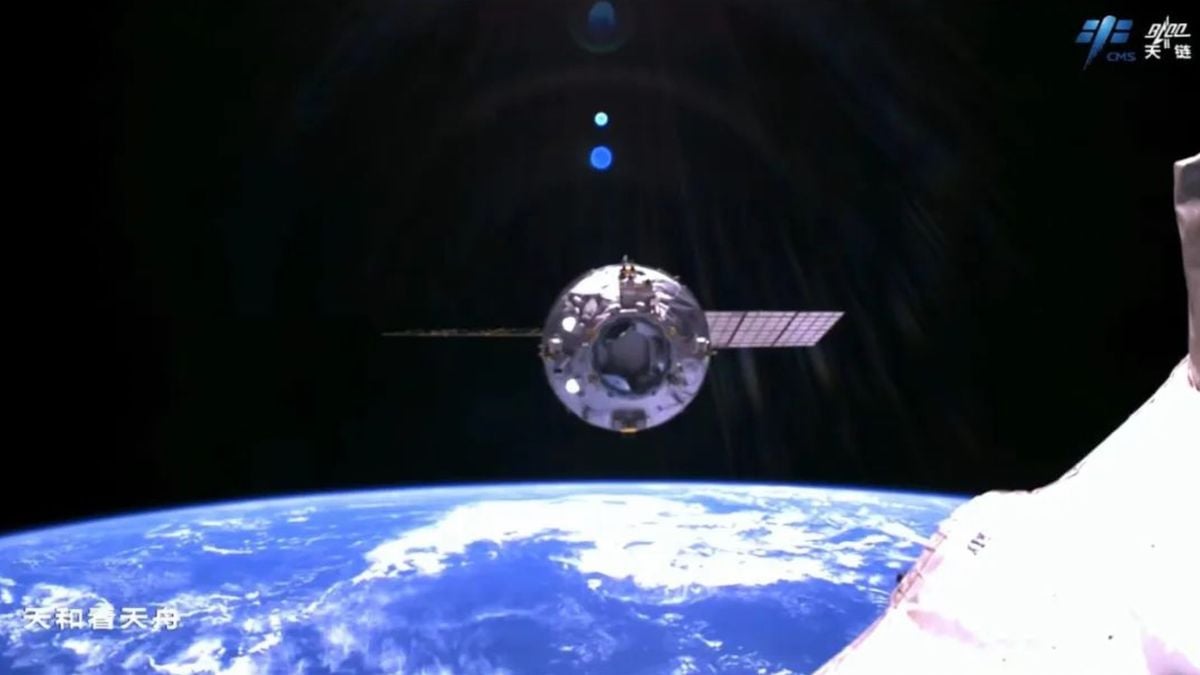
China's Tianzhou 7 cargo spacecraft, which delivered supplies to the Tiangong space station earlier this year, has been deorbited and burned up in Earth's atmosphere. After undocking from the station on November 10, it reentered the atmosphere on November 17, likely over the South Pacific Ocean. Before reentry, Tianzhou 7 released a 6U cubesat named Bayi-08 for Earth observation and communication purposes. Meanwhile, China has launched the Tianzhou 8 mission to continue resupplying the Tiangong station.
SpaceX is preparing to deorbit the International Space Station (ISS) by 2030, following a successful test where its Dragon rocket performed a "reboost" to maintain the station's altitude. This marks the first time SpaceX has conducted such a maneuver, traditionally done by Northrup Grumman or Roscosmos. The data from these operations will aid in designing a larger spacecraft to deorbit the ISS, which will have triple the engines of a standard Dragon. The ISS is expected to be decommissioned by 2031.
NASA is planning to retire the International Space Station (ISS) by 2030 and is testing SpaceX's Dragon spacecraft for a reboost maneuver, a first step towards developing a deorbit vehicle. This test, scheduled for November 8, will help determine if Dragon can eventually guide the ISS into a controlled descent into the Pacific Ocean. NASA has allocated $180 million in its 2024 budget for this deorbit capability, with SpaceX contracted to design the vehicle, marking a shift from previous reliance on Russia's Progress spacecraft.
SpaceX has been awarded an $843 million contract by NASA to develop a vehicle to deorbit the International Space Station (ISS) by 2030, costing $680 million. The ISS, which has been in orbit since 1998, will be safely guided into the Pacific Ocean. SpaceX was chosen over Northrop Grumman Systems and AlphaSpaces due to its superior proposal and cost-effectiveness.
China's Tianzhou 6 cargo spacecraft, which completed its mission serving the country's space station, was deorbited and burned up in Earth's atmosphere over the South Pacific. The spacecraft, launched in May 2023, delivered supplies, propellant, experiments, and other cargo to China's Tiangong space station. China plans to continue launching Tianzhou spacecraft every eight months to keep Tiangong occupied for at least 10 years.
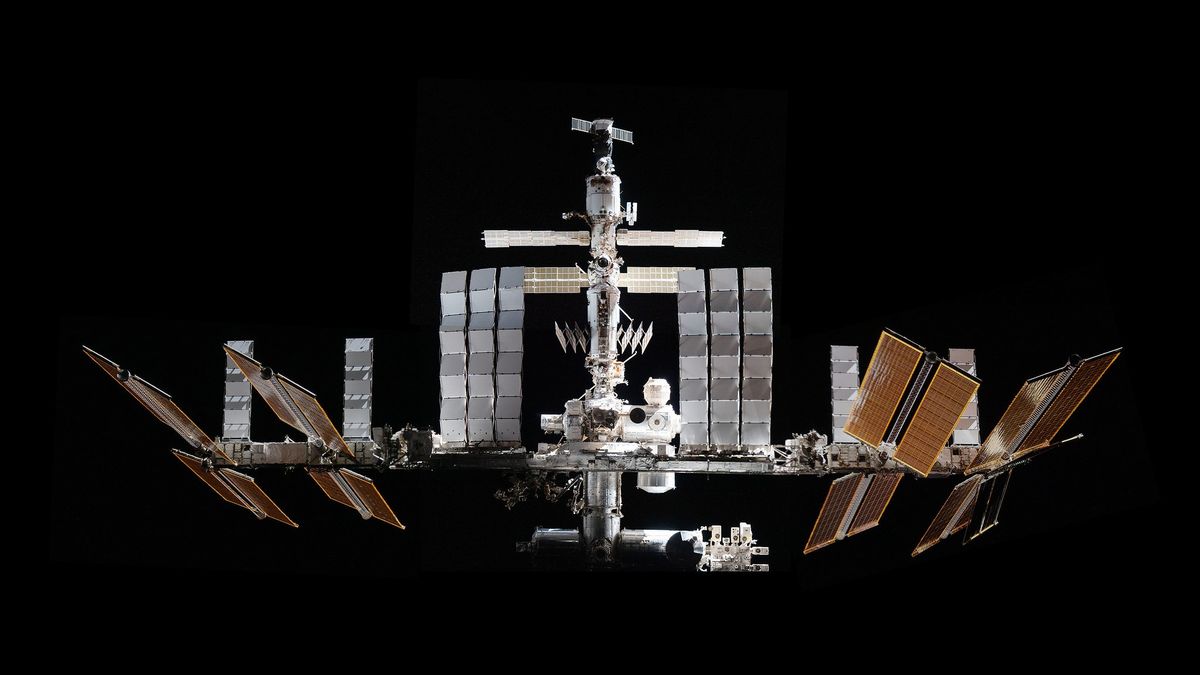
The International Space Station (ISS) celebrated its 25th anniversary on December 6, 2021, and NASA is preparing for its eventual retirement. NASA has updated its private proposal request to help deorbit the station when it retires around 2030. The agency is also funding several commercial replacements that would be run by private companies, with NASA as a customer. The goal is to have these vehicles ready by the time the ISS' work is done. The ISS has seen significant changes over the years, accumulating modules from NASA, Russia, Europe, and Japan. Commercial activity on the ISS will allow more countries and private companies to conduct science and technology development in low Earth orbit.
NASA is considering spending nearly $1 billion to retire the International Space Station (ISS) by 2031. The agency has options to bring down the ISS, including relying on Russian cargo vehicles or building its own deorbit vehicle. The ideal process involves a custom-built vehicle attached to the ISS, gradually lowering its altitude before a controlled descent over the South Pacific. An uncontrolled deorbit poses risks due to the ISS's size and trajectory over populated areas. Pushing the ISS into a higher orbit or relying on Russia's assistance also have drawbacks. NASA is seeking commercial proposals for a custom deorbit vehicle, but the cost is expected to be high.
NASA's Aerospace Safety Advisory Panel (ASAP) has emphasized the urgent need for a specialized "space tug" to retire the International Space Station (ISS) in a controlled manner, fearing the potential catastrophic consequences of an uncontrolled re-entry into the Earth's atmosphere. The ISS, which has already exceeded its intended lifespan, is too massive and poses a significant hazard to populated areas. NASA plans to retire the ISS by 2030 and has allocated $180 million to develop the space tug, but the actual construction could cost up to $1 billion. However, budget cuts resulting from the Fiscal Responsibility Act of 2023 may pose challenges to NASA's retirement plan.