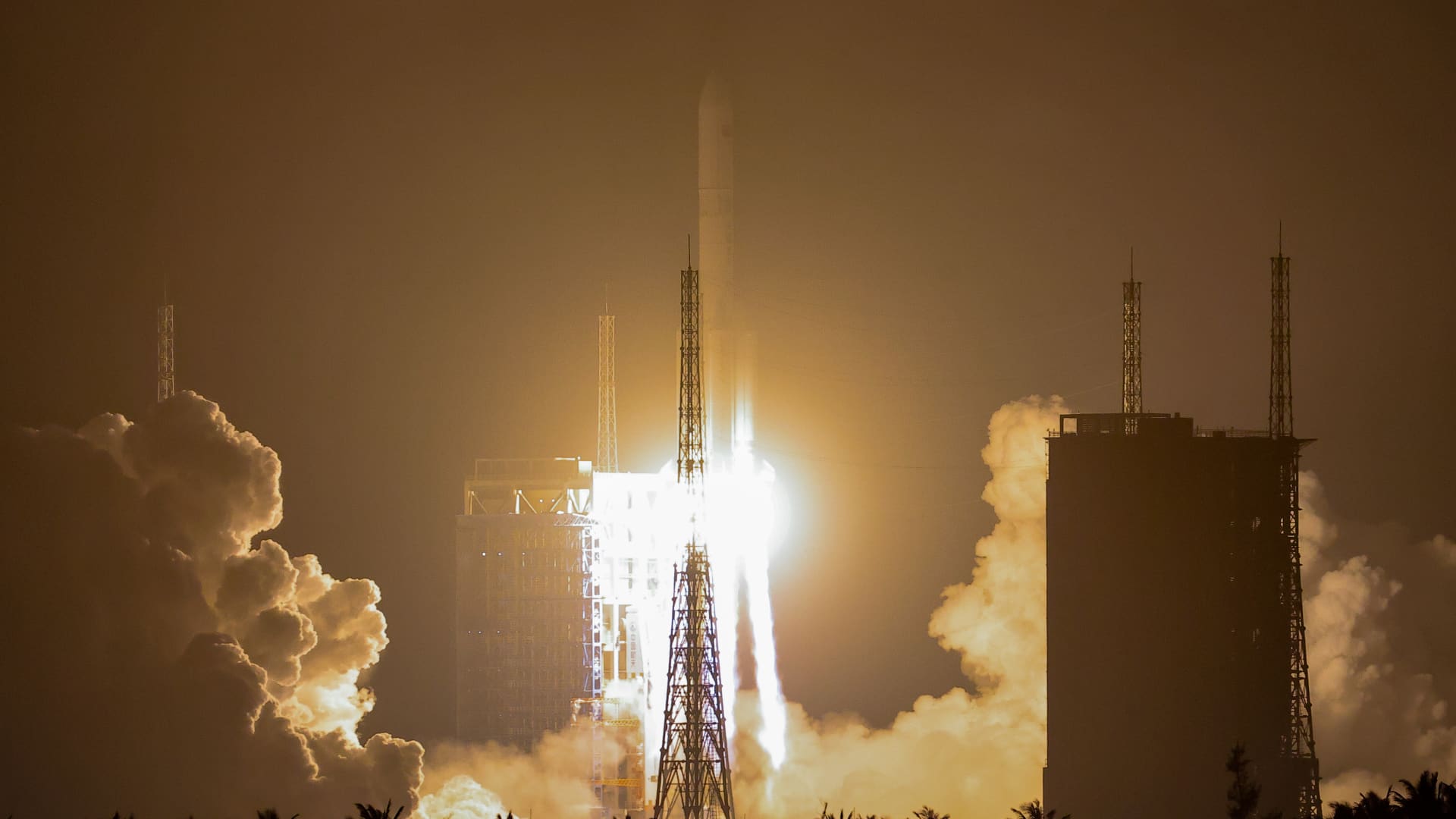
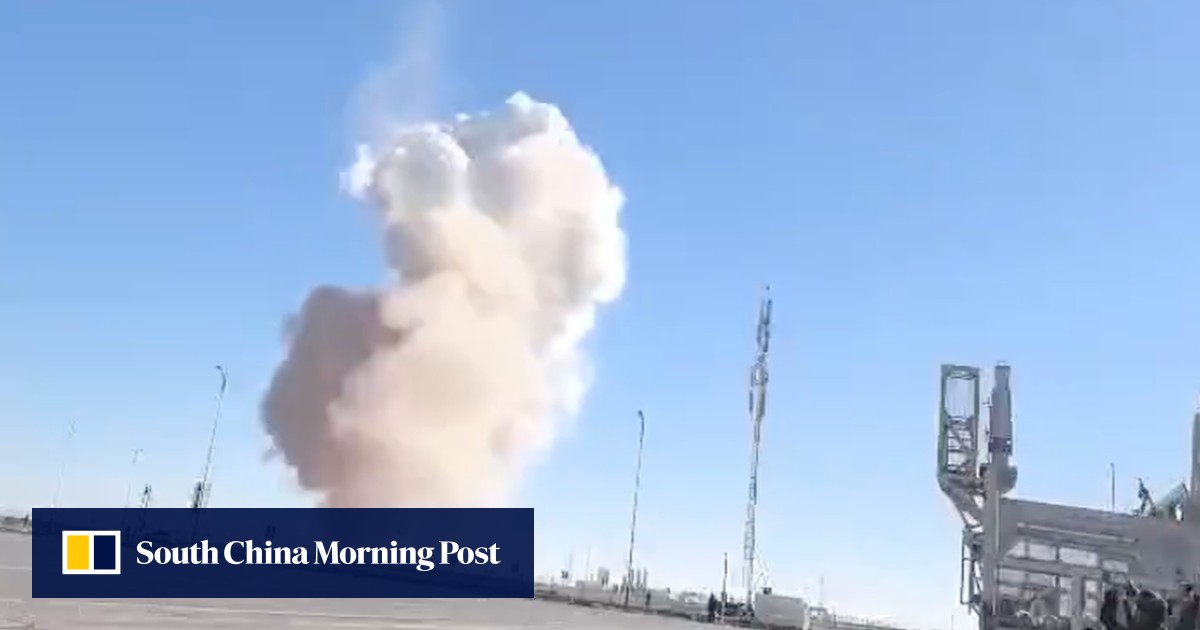
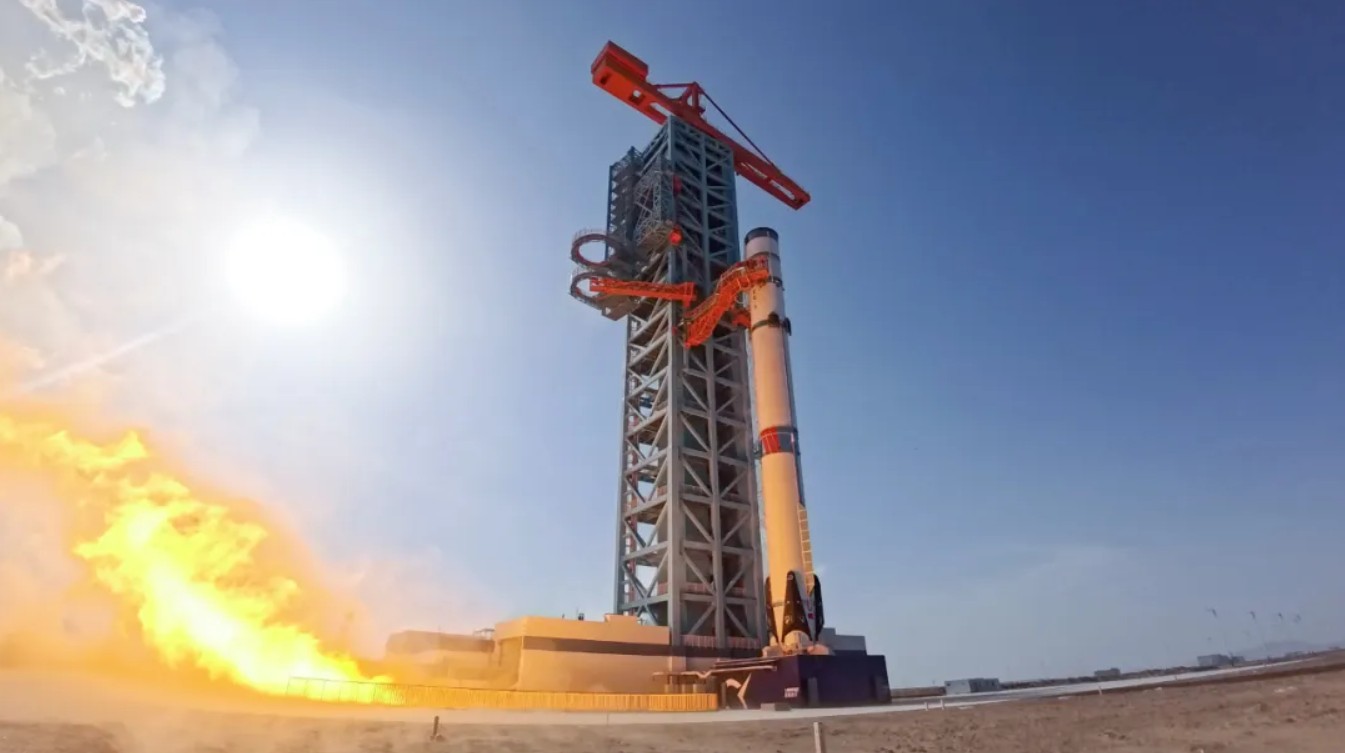
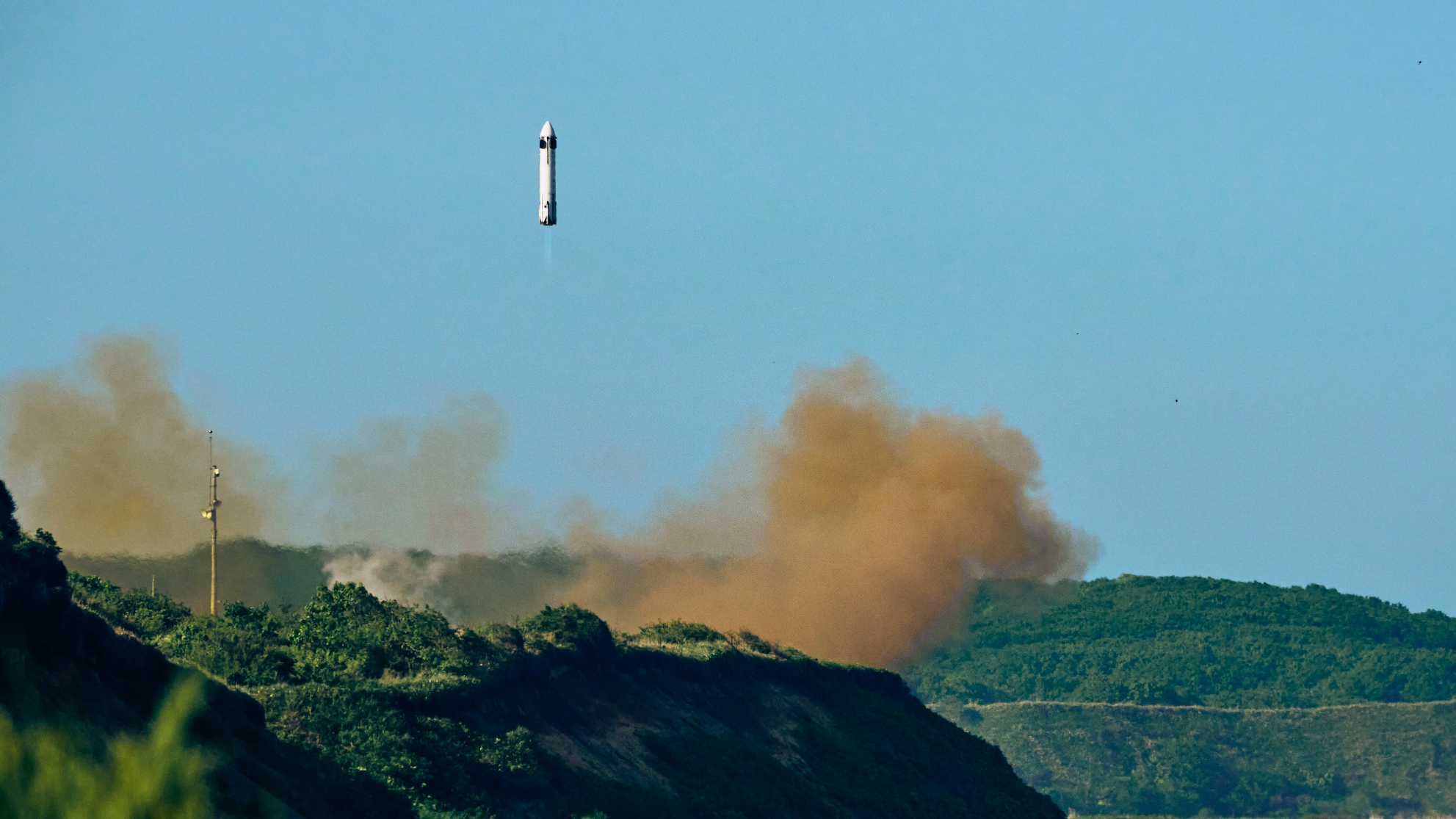
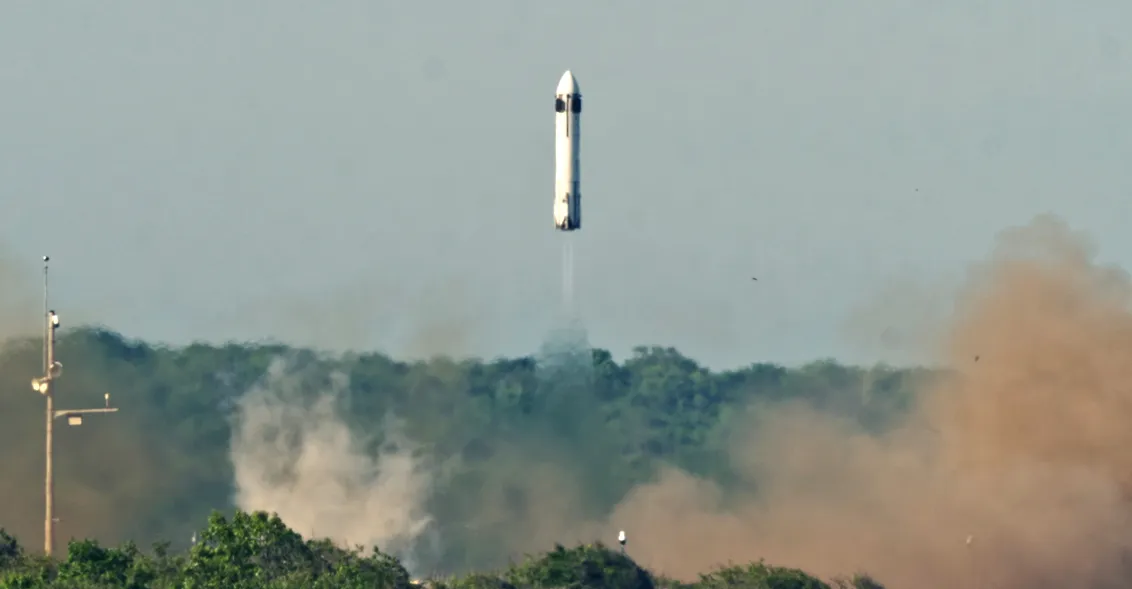
China's second attempt to recover and reuse the Long March 12A rocket failed at the first stage during its maiden flight, highlighting ongoing efforts to develop domestic reusable rocket technology to compete with SpaceX and lower launch costs.
China's first reusable rocket, Zhuque-3, successfully reached orbit but failed to recover its first stage after crashing near the recovery site, leaving the US as the only country with successful orbital booster recovery.
China's LandSpace has achieved a key milestone with its Zhuque-3 reusable rocket, including static fire tests and preparations for an orbital launch expected in late 2025, as part of China's broader ambitions to rival major space powers and develop advanced space transportation systems.
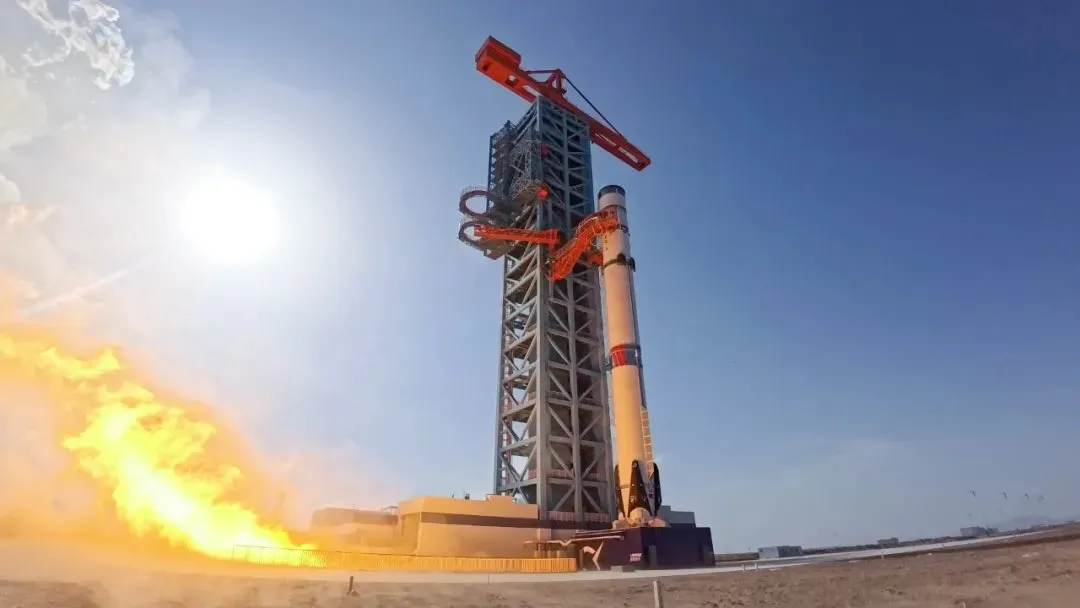
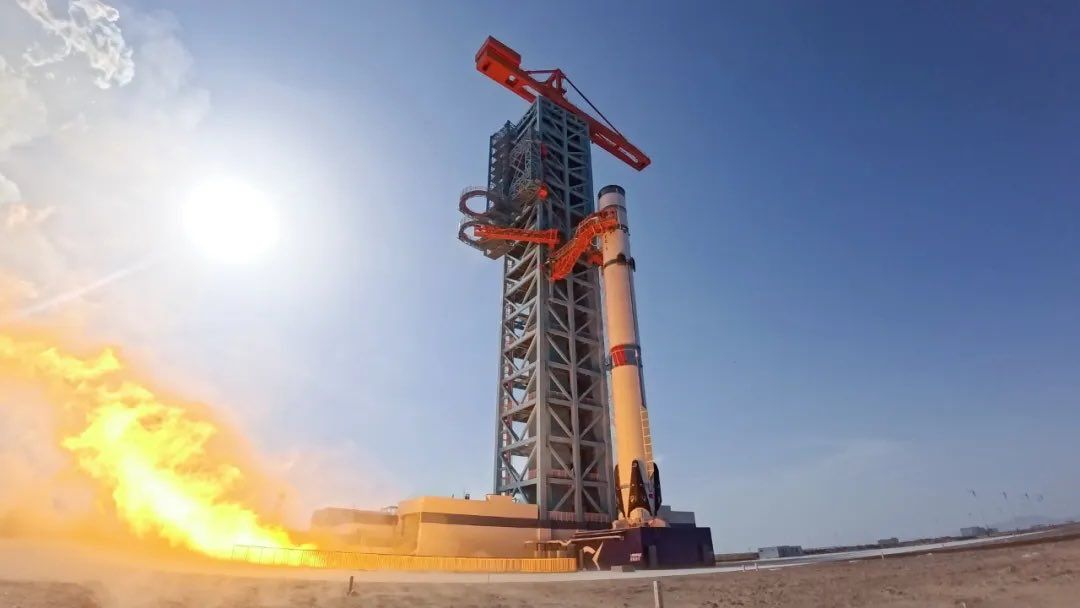
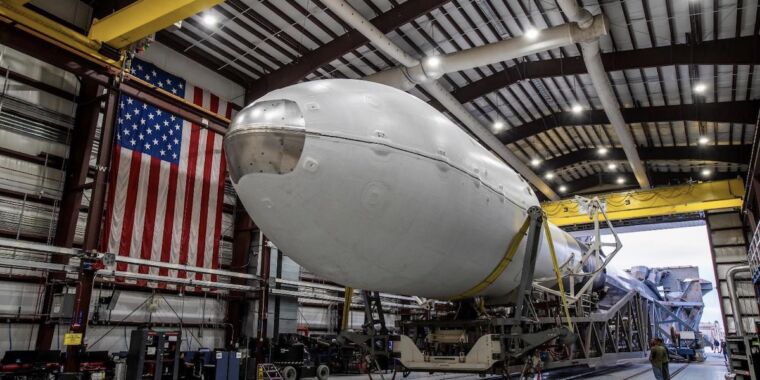
China's LandSpace successfully conducted a static-fire test of its reusable Zhuque-3 rocket, moving closer to its first orbital launch planned before year's end. The rocket, similar to SpaceX's Falcon 9, features a reusable first stage powered by nine Tianque-12A engines using liquid methane and oxygen, and can carry approximately 18,300 kg to low Earth orbit.
Landspace is preparing for China's first orbital launch and potential first-stage recovery of its Zhuque-3 rocket, which aims to deliver cargo to the Tiangong space station. The launch, possibly in November, marks a significant step for China's private space sector and reusable rocket technology, following a series of test preparations and previous rocket failures.
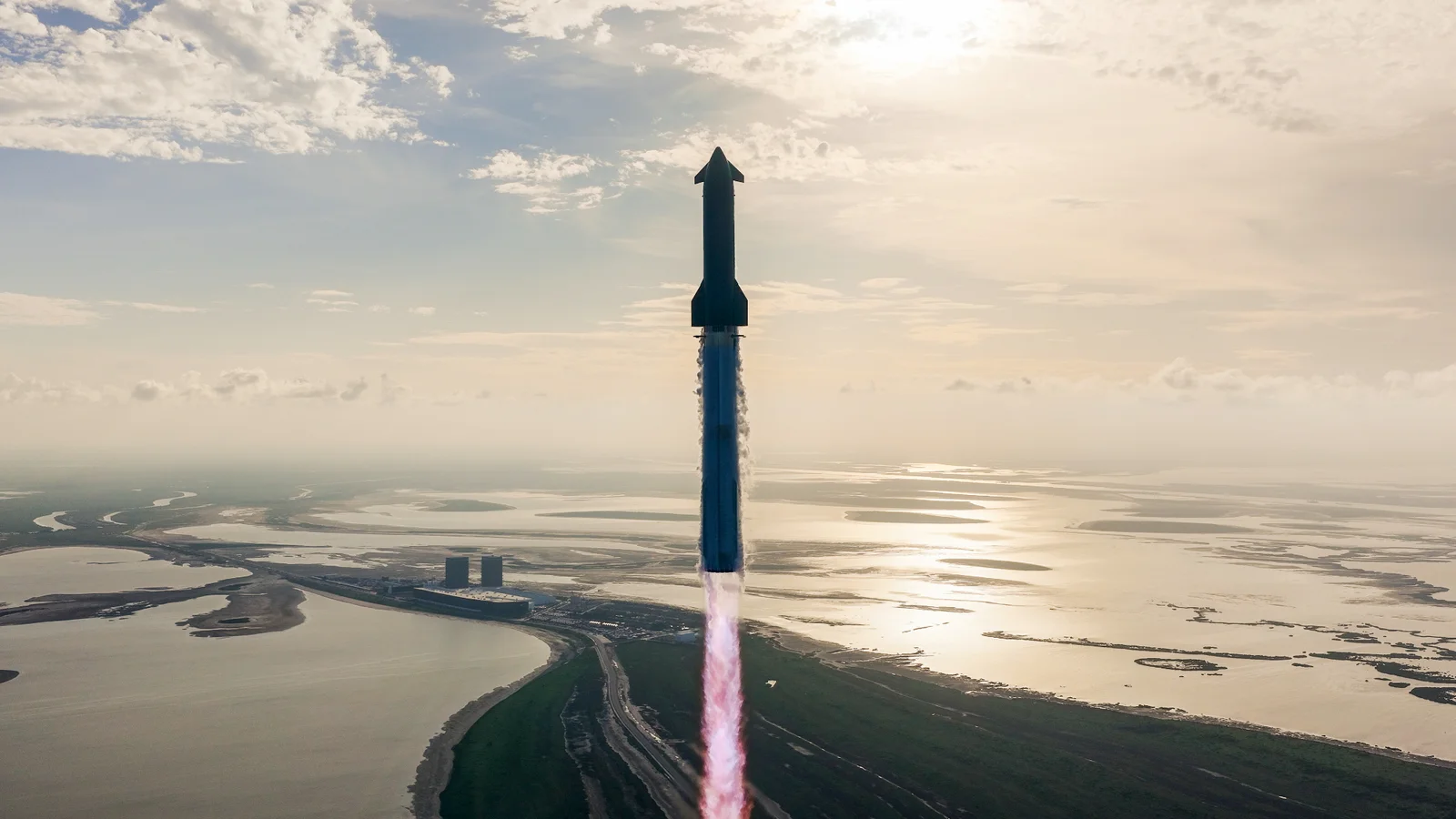
SpaceX's Starship Flight 11 is scheduled for October 13 from Texas, aiming to test the fully reusable launch vehicle and gather data for future missions, including lunar landings and Mars colonization.
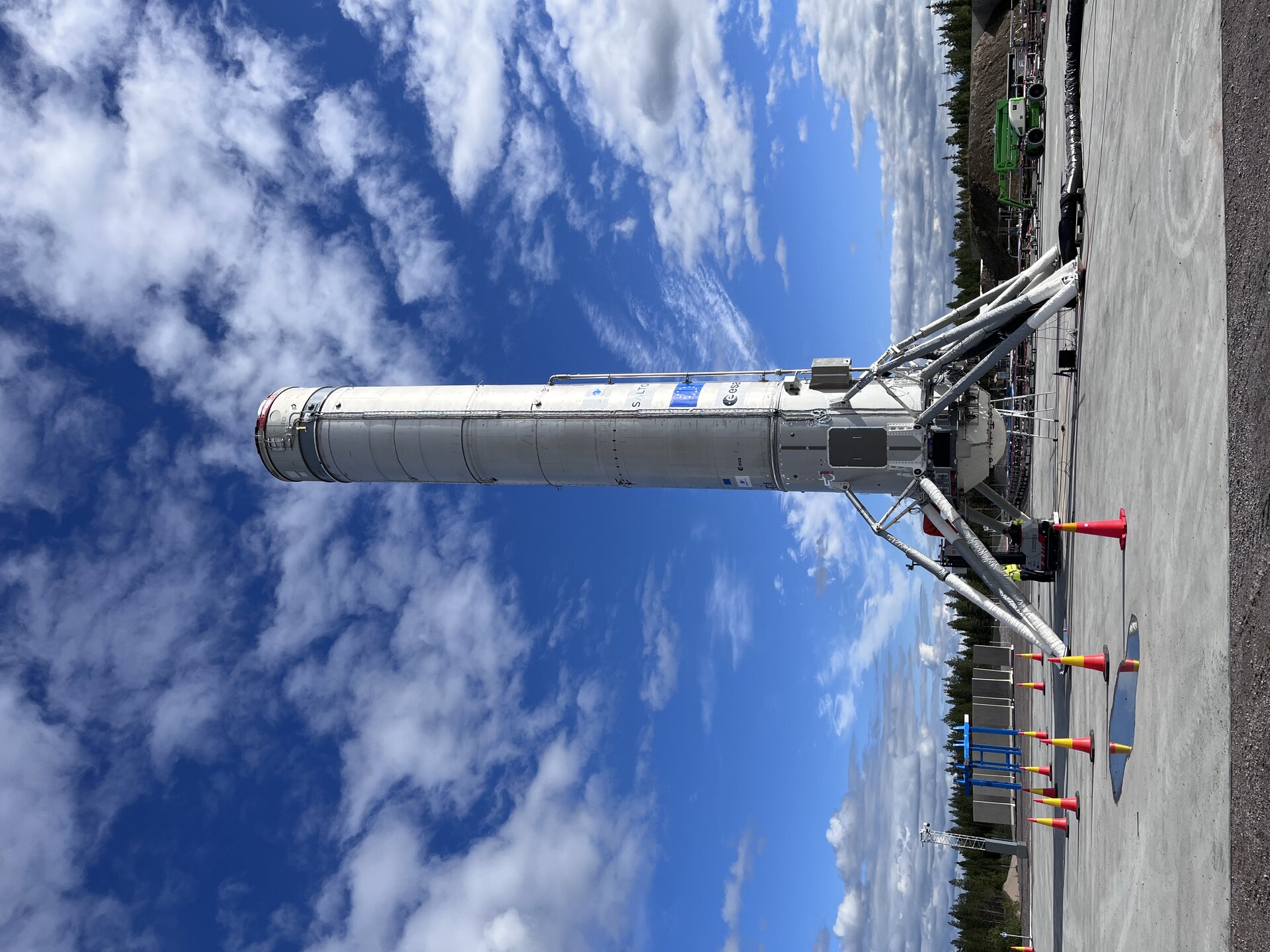
ESA's reusable rocket demonstrator Themis has been fully assembled and is now standing on its launch pad in Kiruna, Sweden, marking a significant step towards testing full-scale vertical take-off and landing technologies using cryogenic propulsion.
SpaceX's Starship successfully completed its 10th test flight, meeting all major objectives, including surviving reentry, deploying payloads, and demonstrating engine re-ignition, marking a significant step toward developing a fully reusable launch vehicle for Mars exploration.
Honda successfully tested its first prototype reusable rocket in Japan, achieving a vertical takeoff and landing, with plans to conduct a suborbital launch by 2029, marking a significant step in its space exploration efforts.
Honda has successfully tested and landed its own reusable rocket in Japan, marking a significant step in its space exploration efforts. The nearly 21-foot rocket reached an altitude of 890 feet and landed within 37cm of its target, demonstrating potential for future suborbital flights by 2029. While still in the research phase, Honda aims to develop technology capable of suborbital launches, possibly competing with companies like SpaceX and Blue Origin in the future.
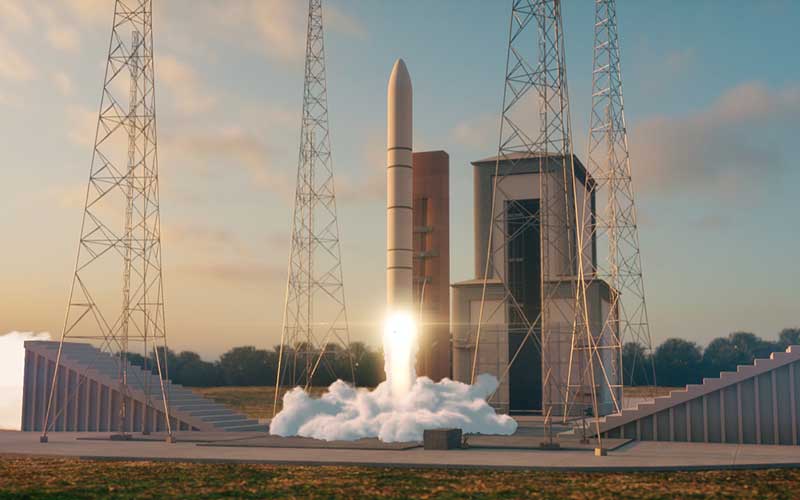
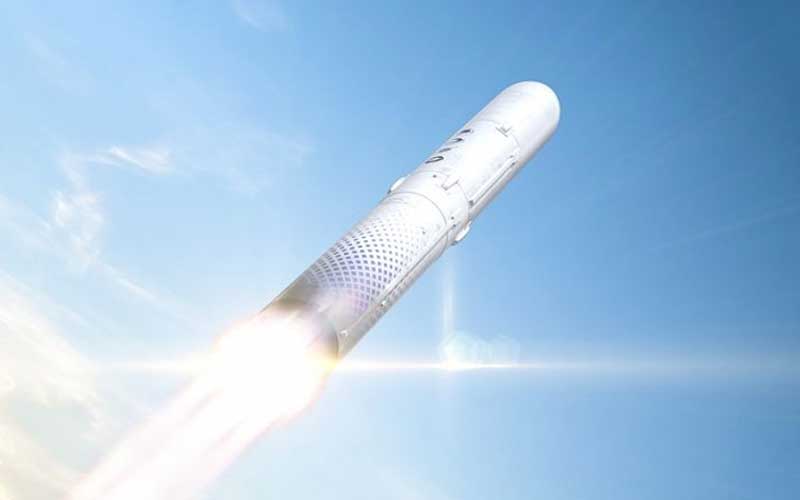
The European Space Agency (ESA) has reissued a call for a study on developing a reusable super heavy-lift rocket capable of delivering 60 tonnes to low Earth orbit (LEO). Initially published and then removed in November due to premature release, the updated call emphasizes time and cost efficiency, lean management, and human-rating for crewed missions. The initiative aims to support European space exploration beyond LEO while addressing market opportunities, though references to mega-constellations were removed. Eligibility is limited to companies in Belgium, Switzerland, Spain, France, and Italy.
The European Space Agency (ESA) has announced a study to develop a reusable rocket capable of delivering 60 tonnes to low Earth orbit, as part of its European 60T LEO Reusable Launch System Pathfinder initiative. This initiative aims to meet Europe's future space exploration needs and capitalize on market opportunities like mega constellations. The project builds on previous studies under the PROTEIN initiative, focusing on mission requirements, technology identification, and risk-sharing models, with a detailed plan expected by 2025.
SpaceX is set to launch one of its reusable Falcon 9 boosters for the 20th time to deliver 23 Starlink Internet satellites to orbit, marking a significant milestone in rocket reusability. The rocket's first-stage booster, designated B1062, has flown 19 times since its first flight in November 2020 and will now be the first in SpaceX's inventory to go for a 20th flight, breaking a company record. This launch reflects SpaceX's rapid-fire launch rate and its redefining of routine in the space industry, with the company continually breaking records, mostly its own.
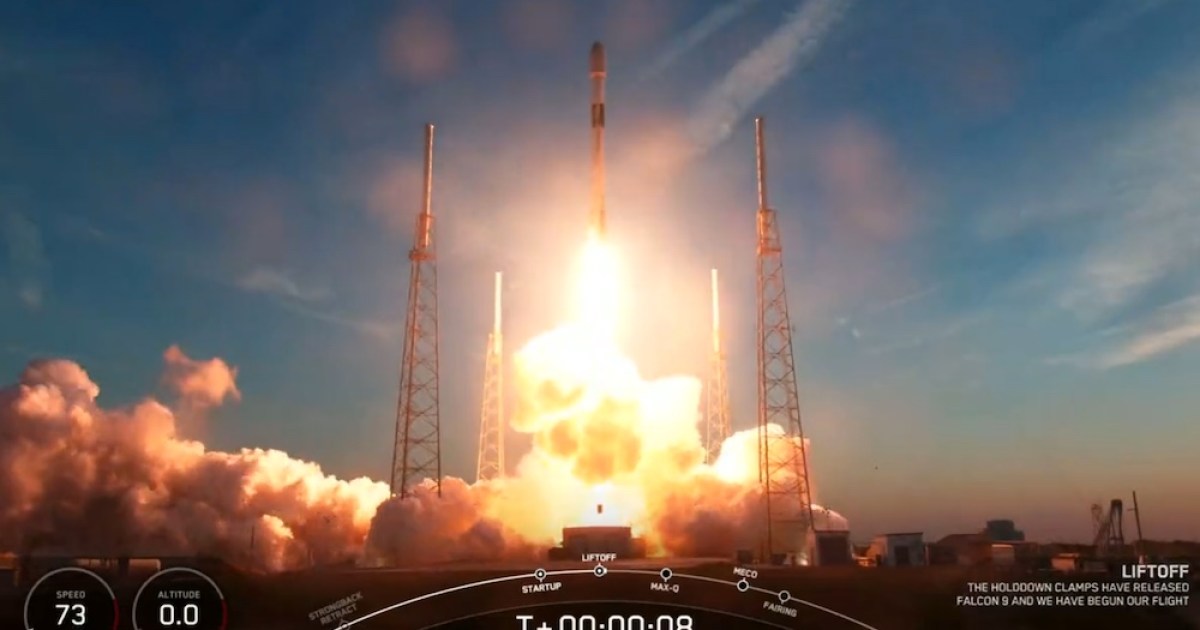
SpaceX is set to launch its Falcon 9 booster for a record 20th time on Friday, deploying 23 Starlink satellites to low-Earth orbit from Cape Canaveral Space Force Station in Florida. The live webcast will showcase the rocket's ascent, stage separation, and satellite deployment, as well as the first-stage booster landing on a droneship in the Atlantic Ocean. The booster, which last flew on March 16, has previously launched various missions and holds the record for the fastest turnaround at 21 days. SpaceX's reuse of boosters and other components has significantly reduced the cost of spaceflight and increased access to space.
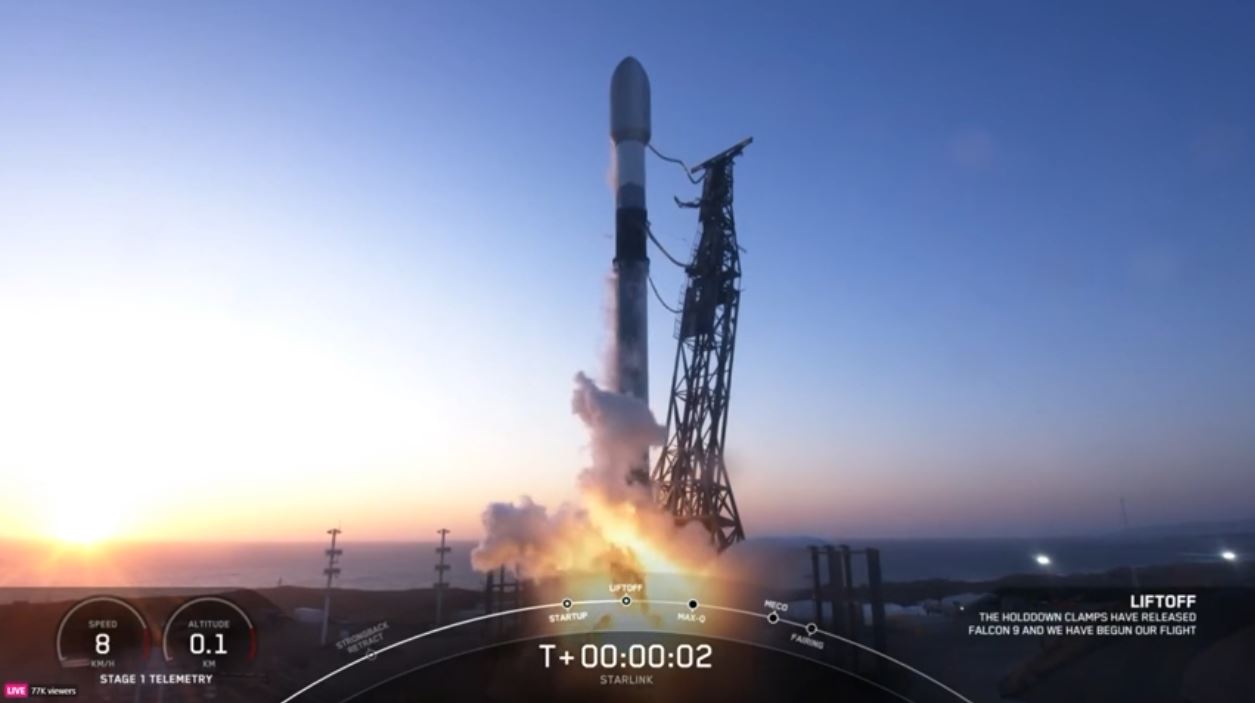
SpaceX successfully launched a Falcon 9 rocket from Vandenberg Space Force Base in California, carrying 21 Starlink satellites into orbit, including six with Direct to Cell capabilities. The rocket's reusable booster made a pinpoint landing back on the spaceport drone ship, marking its sixth successful liftoff. With over 6,000 functional satellites in orbit, SpaceX aims to create a constellation of up to 42,000 satellites to provide low-cost internet service to remote areas.