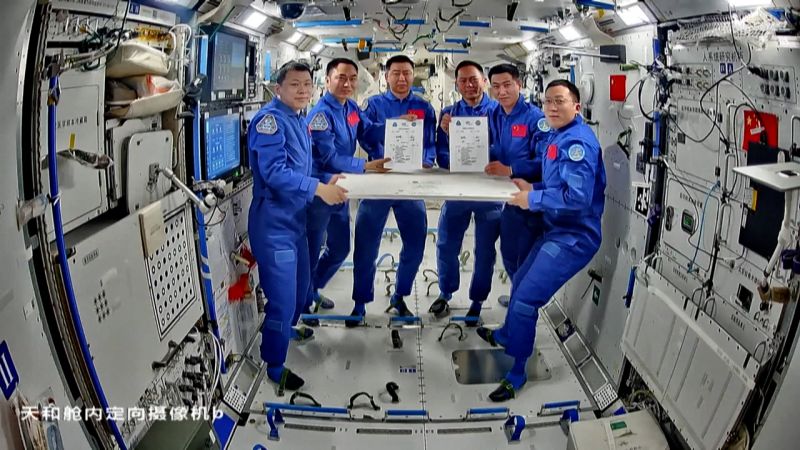
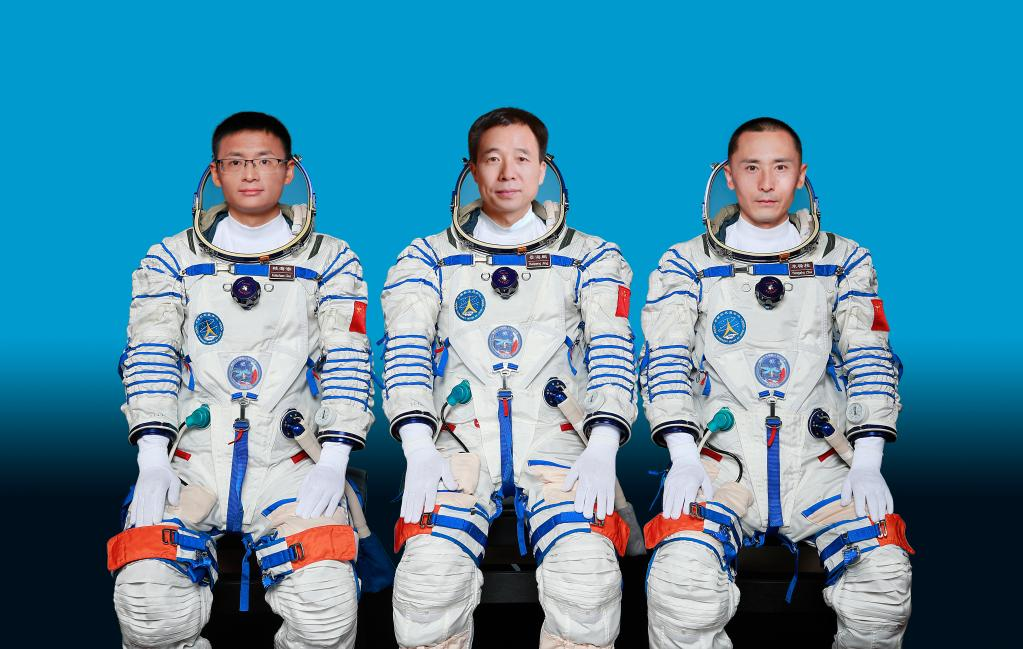
Three Chinese astronauts' return to Earth has been delayed due to concerns that their spaceship, Shenzhou-20, may have been hit by debris, prompting an ongoing impact analysis and risk assessment, with no new return date specified.
Three Chinese astronauts' return to Earth has been delayed due to concerns that their spaceship, Shenzhou-20, may have been hit by debris, prompting an ongoing impact assessment. The astronauts had been scheduled to return after a six-month mission but remain in space while safety checks are conducted. This incident comes amid China's recent space achievements, including launching the new Shenzhou-21 spacecraft and expanding its space station Tiangong, raising concerns in the US about China's growing space capabilities.
Chinese researchers have developed a new photothermal method to extract water from lunar soil and convert it into fuel, potentially supporting long-term human presence on the Moon. Their approach, tested on Moon samples from China's Chang'E-5 mission, could reduce costs and infrastructure complexity for lunar resource utilization, despite challenges posed by the Moon's harsh environment. This advancement highlights China's growing capabilities in space exploration and its potential to establish a sustainable lunar base by 2035.
Zebrafish sent to China's Tiangong space station are thriving in a self-sustaining aquatic ecosystem, part of a research project by the Chinese Academy of Sciences to study the effects of microgravity on vertebrates. This experiment, the first of its kind, aims to understand biological responses to space conditions and has implications for long-duration space missions.
The Shenzhou-16 spacecraft has successfully landed after a six-month stay aboard the Chinese Tiangong space station, with the crew handing over operations to the Shenzhou-17 crew. China is also planning a Chang Zheng-4C rocket launch from Taiyuan, a commercial launch by CAS Space's Kinetica-1 from Jiuquan, and a Chang Zheng-7A rocket launch from Hainan Island this week. The Chinese space program is expanding to include civilian and international crewmembers, and China has signed on Belarus, Pakistan, and Azerbaijan to the planned International Lunar Research Station.
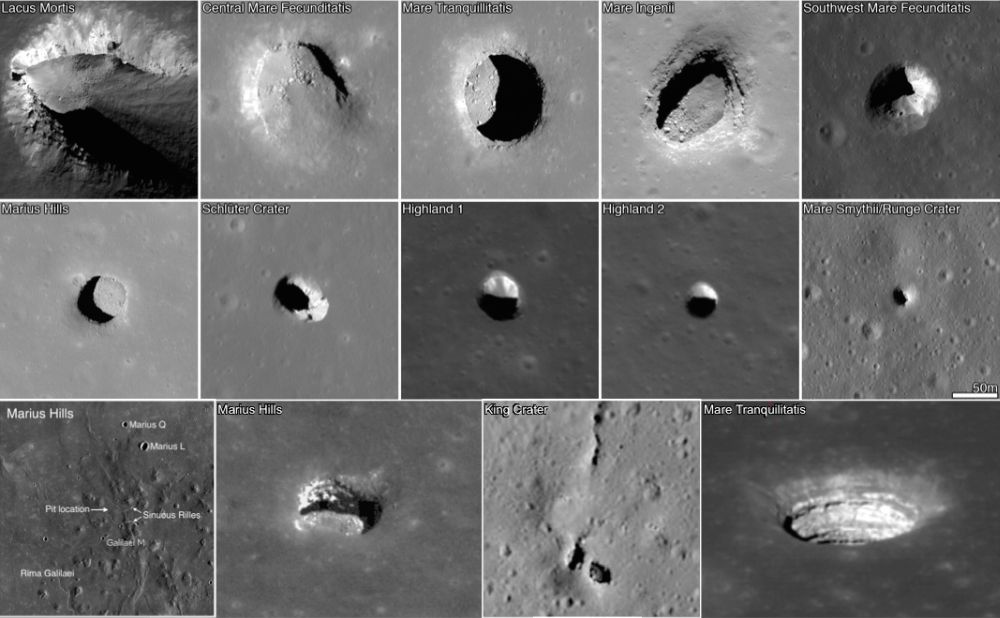
Chinese researchers are considering the idea of building a base inside a lunar lava tube on the Moon, which could provide protection for astronauts from hazards such as radiation, temperature extremes, and impact debris. Lava tubes, also known as pyroducts, are formed when lava flowing across the surface of the Moon cools and leaves behind an empty tube. China is planning to explore lunar lava tubes using robotic systems and eventually establish a crewed base inside one of these tubes. The country's space program aims to realize a manned lunar landing by 2030 and views building a lunar base as essential for space exploration and China's strategic needs as a space power.
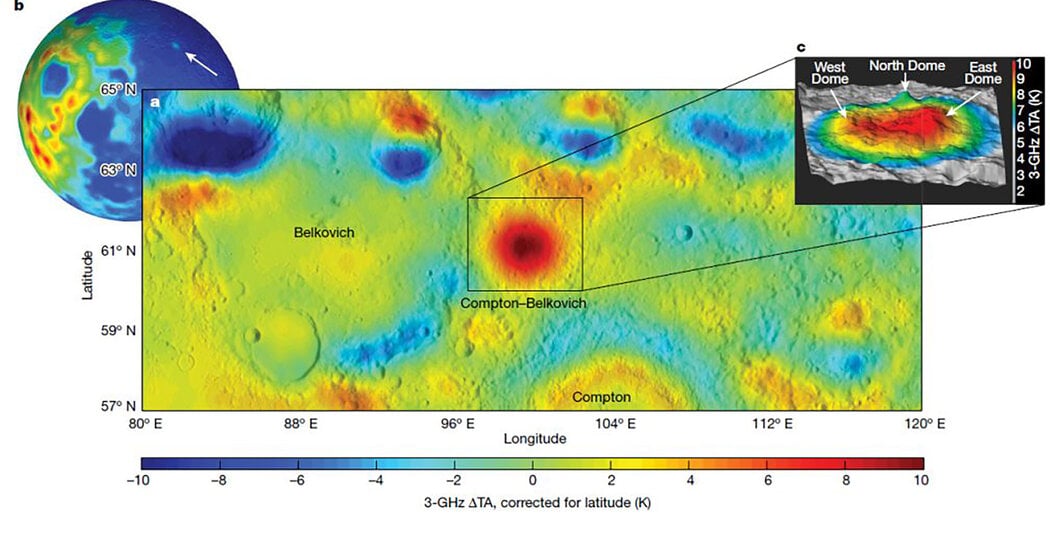
Scientists have discovered a hot spot on the Moon's far side using data from Chinese orbiting spacecraft. The rocks beneath an ancient volcano on the Moon's far side remain surprisingly warm, with a heat flow 20 times higher than the average for the highlands. The source of the hotspot is not active volcanism but rather radioactive elements within the now-solidified rock that was once molten lava billions of years ago. This finding could help scientists better understand the Moon's past, but further research is needed to determine how such a feature can exist without water or plate tectonics.
Scientists have discovered a hot spot on the far side of the moon using data from Chinese orbiters. The region, known as the Compton-Belkovich Volcanic Complex, contains a large slab of granite that solidified from magma, indicating a volcanic origin. The findings shed light on the geological history of the moon and highlight the scientific potential of data gathered by China's space program. However, due to restrictions on collaboration between NASA and China, the researchers had to work around obstacles to access and interpret the data. The discovery of the hot spot raises questions about how a volcano formed on the moon without water or plate tectonics, and further exploration is needed to understand this phenomenon.
The Shanghai International Film Festival has hosted its first sci-fi week, featuring nearly a dozen film screenings and panel discussions. Chinese authorities have revised their stance on the sci-fi genre, recognizing its potential to arouse curiosity and promote Chinese values and perspectives. The success of Chinese-made sci-fi film "The Wandering Earth" has provided a platform for Chinese sci-fi stories to be heard globally. The festival's curated films were categorized as A Trip to the Mars, Retro, and Forward, with emphasis placed on storytelling over technology. Canadian director Denis Villeneuve thanked the festival and Chinese audience for supporting the sci-fi genre.