A review led by OHSU found that some cannabis products, particularly those containing THC, can slightly reduce chronic pain, similar to traditional painkillers like ibuprofen, but the effect is small and may come with side effects. CBD alone showed little to no impact on pain, and the findings suggest caution in using cannabis for pain management, emphasizing the need for further research and personalized medical advice.
A review of clinical trials indicates that high-THC cannabis products may offer modest short-term relief for chronic pain, especially nerve pain, but they also increase the risk of side effects. CBD-only products do not appear to provide significant pain relief. The findings highlight the need for more research on long-term effects and safety.
Laboratory studies suggest that a combination of cannabis-derived compounds THC and CBD can inhibit the growth and spread of ovarian cancer cells with minimal effects on healthy cells, offering potential for new, less toxic treatments, though further research is needed to confirm efficacy and safety in vivo.
A last-minute provision in a federal spending bill aiming to restrict hemp-derived products like CBD and THC has caused disquiet among Republicans, especially in hemp-producing Kentucky, threatening the bill's passage and the end of the government shutdown. The provision, which bans products with more than 0.4 mg of THC per container, is opposed by some lawmakers and industry leaders who argue it could lead to an unregulated market and harm consumers. The bill is expected to pass with some opposition, and advocates hope to replace the ban with more thoughtful regulations.
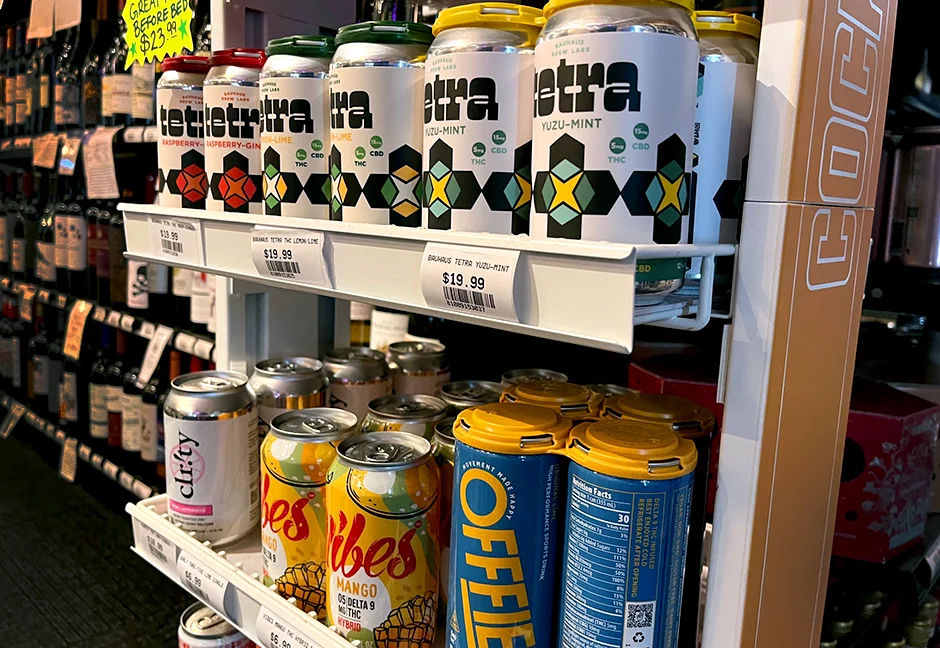
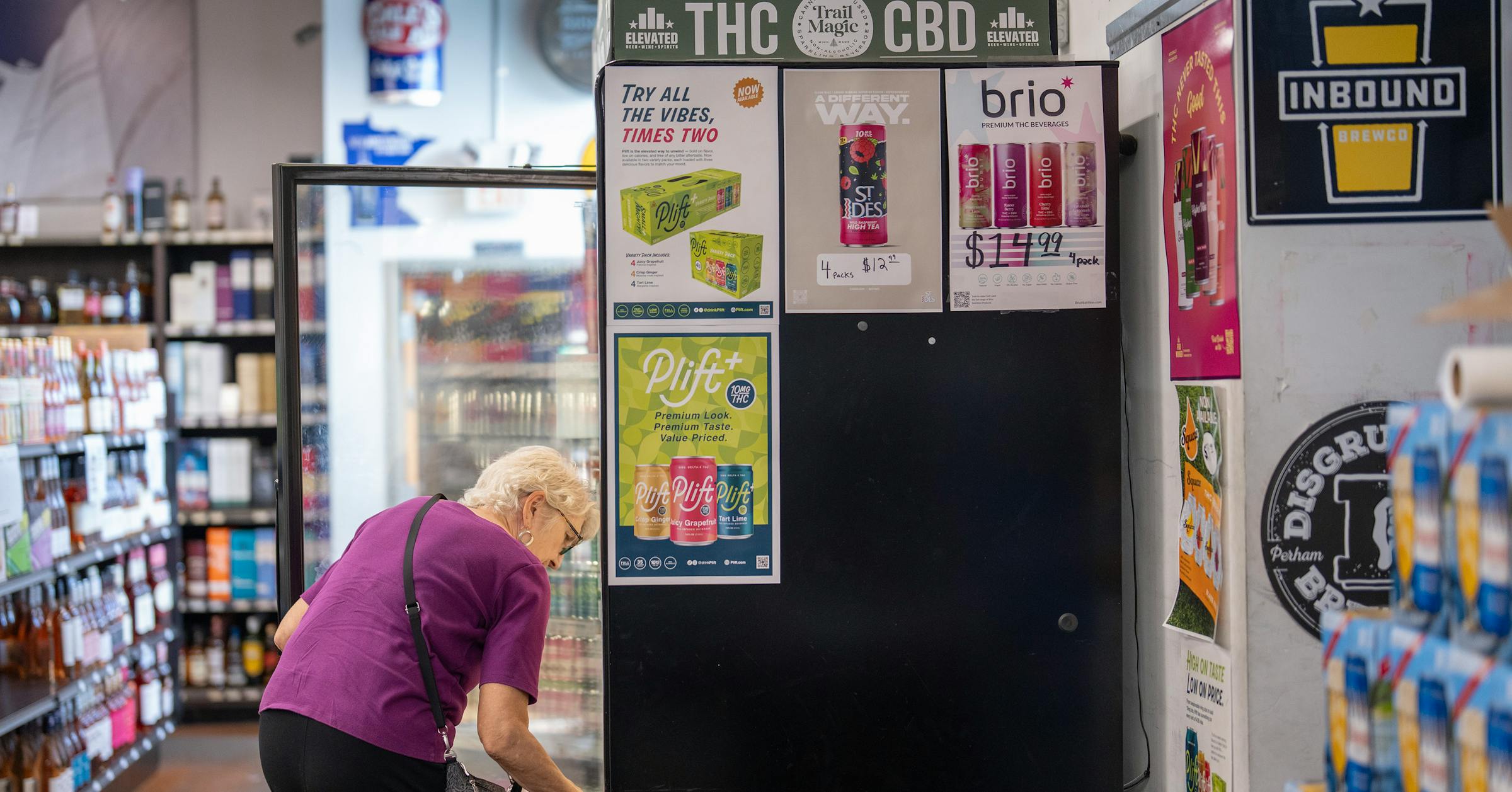
Minnesota's hemp-derived THC beverage and edible industry faces a potential shutdown due to a federal bill that would outlaw products containing more than 0.4 mg of THC within a year, sparking industry concern and opposition from other sectors like alcohol and marijuana industries. The bill, part of a broader government funding package, was approved by the Senate but faces rejection in the House, with industry stakeholders and state officials voicing concerns over regulation and economic impact.
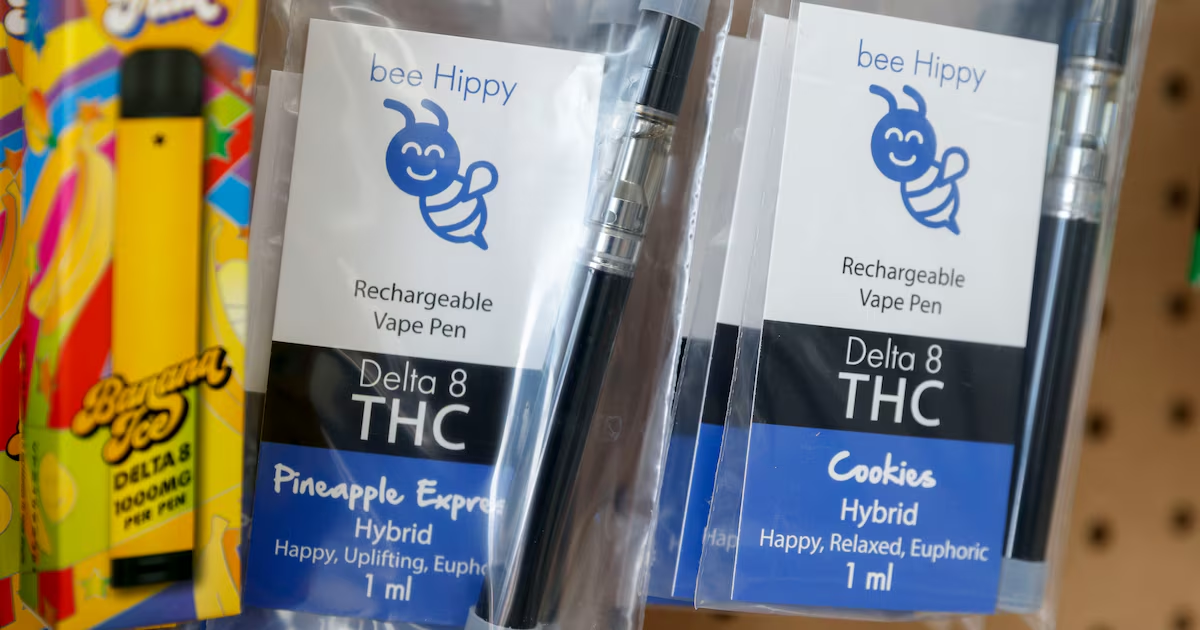
The US Senate passed a funding bill that includes a provision to re-criminalize many hemp-derived products, including intoxicating ones like Delta-8, causing concern among hemp industry stakeholders about potential destruction of the legal hemp market, with debates centered around regulation and public safety.
A recent U.S. Senate deal to end the government shutdown includes a provision that effectively bans unregulated hemp-based THC products in Texas, threatening the state's thriving hemp industry and raising concerns about federal overreach and industry regulation. The bill's implementation is delayed by a year, allowing potential legislative changes, but it has already sparked opposition from Texas lawmakers and industry groups.
A U.S. Senate spending bill could effectively ban hemp-derived THC products nationwide, threatening Minnesota's thriving hemp THC industry, which includes edibles and beverages, due to a proposed limit on THC content. The bill's passage could lead to industry collapse in Minnesota unless changes are made within a year, raising concerns among local businesses and lawmakers about economic and regulatory impacts.
Law enforcement in Michigan and Arkansas warn parents to be vigilant for counterfeit candy containing THC and hallucinogenic mushrooms that look like real treats, emphasizing the importance of checking packaging and avoiding untrusted sources to ensure children's safety during Halloween.
Research suggests that certain components of marijuana, particularly CBD with low doses of THC, may help some individuals fall asleep faster and stay asleep longer, but effects vary and higher THC doses can disrupt sleep. The method of consumption and individual health factors are important considerations, and consulting a healthcare provider is recommended before use.
A study found that high levels of cannabis use, specifically THC, in follicular fluid are linked to increased chromosomal abnormalities in eggs used for IVF, potentially reducing the chances of successful pregnancy and increasing miscarriage risk. The research suggests avoiding cannabis during conception and fertility treatments due to potential negative effects on egg quality and embryo development.
Texas Governor Greg Abbott is expected to issue an executive order establishing age restrictions and regulations for THC products, including a minimum purchase age of 21, following the end of a legislative special session that failed to reach an agreement on restrictions. The order aims to regulate THC sales similarly to alcohol, with potential rules on ID checks, distance from schools, labeling, testing, and business fees.
A systematic review found that high-potency THC products are linked to increased risks of cannabis use disorder and schizophrenia, raising concerns about their safety, especially for individuals with preexisting mental health conditions.
A systematic review links high-potency THC cannabis to increased risks of mental health issues such as psychosis, schizophrenia, and cannabis use disorder, but emphasizes the need for more rigorous research to provide clear guidance.
A systematic review of 99 studies found that high-THC cannabis products are linked to increased risks of psychosis, schizophrenia, and cannabis use disorder, with some inconsistent evidence suggesting potential benefits for anxiety and depression. The research emphasizes the need for better-designed studies to clarify these effects.