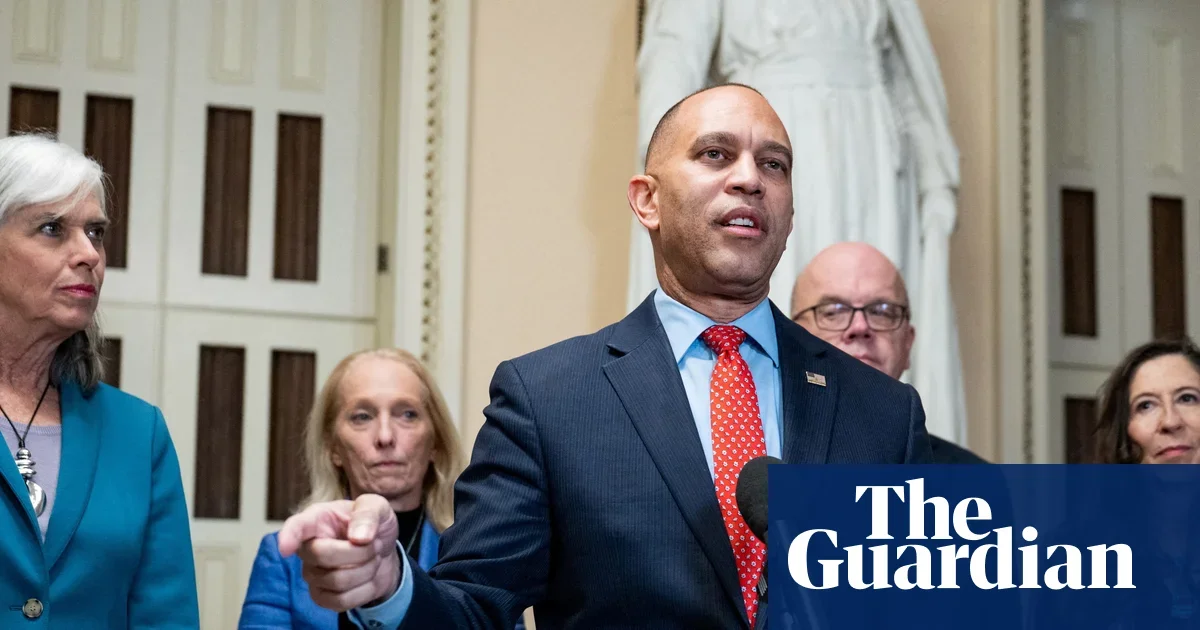
Democratic lawmakers, after a 42-day government shutdown, see the event as a strategic win to highlight their fight for healthcare and oppose Republican policies, despite ending the shutdown without major concessions, and plan to continue pushing on healthcare issues.
Congress has approved a bill to end the longest government shutdown in US history, which President Trump is expected to sign, reopening the federal government. The shutdown caused flight cancellations, staffing shortages at air traffic control, and delays in SNAP benefits. Meanwhile, bipartisan efforts are underway to extend health care subsidies and address other issues, with ongoing debates over legislative language and leadership.
The US Senate passed a funding bill that includes a provision to re-criminalize many hemp-derived products, including intoxicating ones like Delta-8, causing concern among hemp industry stakeholders about potential destruction of the legal hemp market, with debates centered around regulation and public safety.
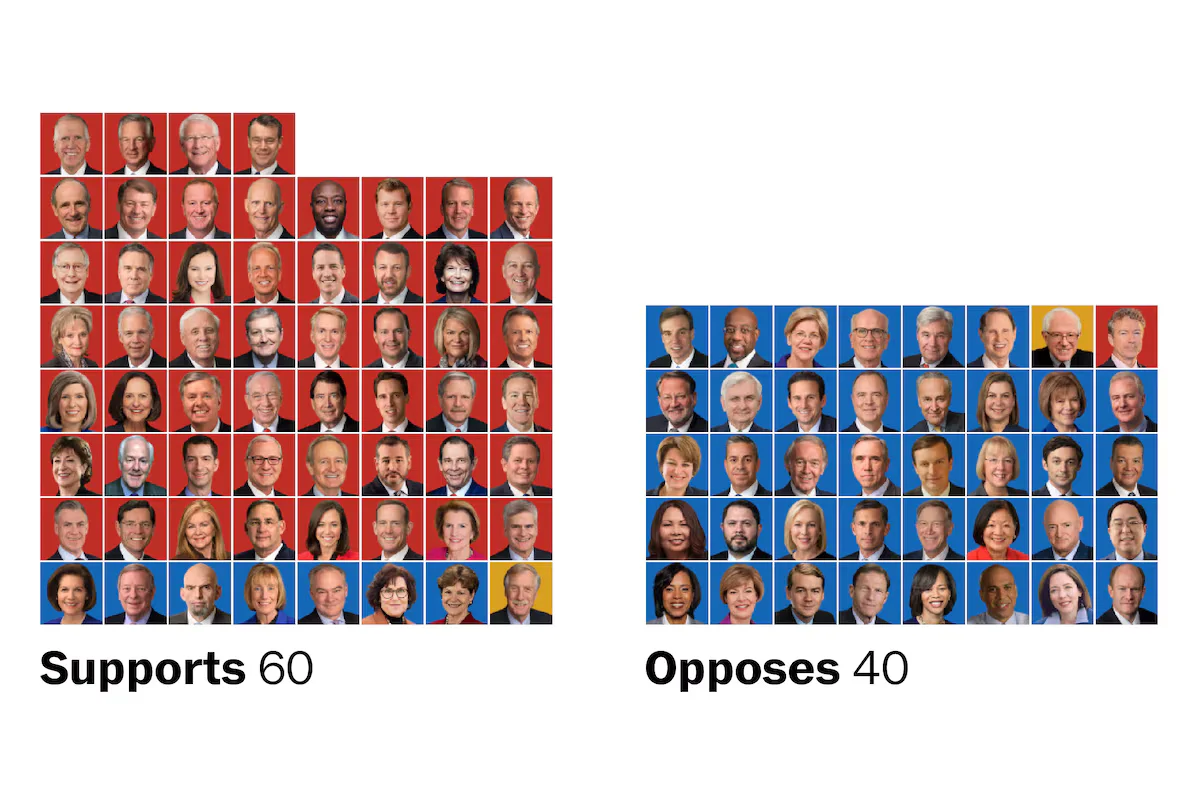
The Senate approved a bill to end the longest government shutdown in history with a 60-40 vote, combining funding measures to keep the government open through January 30, while the House awaits approval; the bill does not include ACA subsidy extensions, which will be addressed separately in December.
The longest U.S. government shutdown is nearing an end as the Senate approved a funding bill, which now awaits a House vote, with the possibility of ending the shutdown as early as Wednesday; the bill extends funding until January 30 and includes full-year funding for some agencies, while federal employees face delayed paychecks and airline flight cancellations increase.
The US Senate has passed a funding package to end the longest government shutdown in history, with most federal agencies funded until January 2026, amid internal Democratic party conflicts and bipartisan support, including some Democrats breaking ranks. The deal, supported by President Trump, aims to reopen government services and provide back pay to federal workers, but has sparked criticism from some Democrats over the lack of healthcare subsidy extensions.
The U.S. Senate passed a short-term funding bill to end the government shutdown, sending it to the House, which is expected to vote on it as early as Wednesday. The bill would fund the government through January 30 and some agencies for the rest of the fiscal year, with the Senate voting 60-40 in favor. The House is returning to Washington to consider the bill, aiming to reopen the government promptly.
The Senate has advanced a House-passed short-term funding measure to end the 41-day government shutdown, with bipartisan support, but final approval and passage in the House are still pending. The deal includes extending government funding through January and addressing health care tax credits, though most Democrats oppose it due to the lack of healthcare provisions. House members are being called back to Washington for votes this week, as negotiations continue to finalize the legislation.
The US Senate has voted to advance a Republican stopgap funding bill to end the longest government shutdown in US history, which includes funding for various government sectors until January 30 and a vote on healthcare subsidies by December, amid bipartisan negotiations and internal party disagreements.
The US Senate narrowly approved a compromise funding bill to end the longest government shutdown in history, which includes provisions to fund the government through January 2026 and retroactively pay federal workers, but omits the Democrats' demand for healthcare subsidy extensions, setting the stage for further battles in the House.
The U.S. Senate is close to passing a funding deal that could end the government shutdown, funding the government through January and including provisions for ACA tax credits and federal worker protections, though some Democrats oppose it over health care issues.
Senate appropriators proposed a $153 billion funding measure for veterans and military construction to help end the government shutdown, with ongoing bipartisan negotiations and a potential vote to pass the bill and reopen the government.
The U.S. Senate is close to reaching a bipartisan deal to end the 40-day government shutdown, with expected votes from around 10 Democratic senators and negotiations ongoing on a funding package that would extend government operations until late January 2026, including funding for military, veterans, and other federal agencies.
The U.S. government shutdown has become the longest in history, surpassing the 2018-2019 shutdown, with ongoing stalemate over funding negotiations, affecting over a million federal workers and numerous public services, while political disagreements continue to hinder resolution.
The U.S. Senate is voting on a continuing resolution to fund the government amid ongoing negotiations, with discussions about extending funding into January and concerns over air travel disruptions due to staffing issues. President Trump announced SNAP benefits would be delayed until the shutdown ends, adding to the uncertainty. Senators are optimistic about resolving the shutdown this week, which has become one of the longest in history.