A landmark study published in NEJM shows that pairing Leuprolide and Enzalutamide significantly increases survival rates for men with high-risk, recurring prostate cancer, emphasizing early detection, proactive treatment, and lifestyle management to improve quality of life.
A Phase 3 study shows that combining Gilead's Trodelvy with Merck's Keytruda significantly reduces tumor progression risk in women with aggressive triple-negative breast cancer, potentially leading to new treatment options.
A late-stage trial found that a Pfizer combination therapy, including chemotherapy, cetuximab, and Braftovi, doubled survival time for patients with aggressive colorectal cancer with BRAF V600E mutation, setting a new standard of care for this subset of patients.
A global study conducted in India, known as the TOPSPIN trial, found that three different combination therapies for hypertension are equally effective in reducing blood pressure among South Asian populations. The study, which involved nearly 2000 participants, showed significant blood pressure reductions with all combinations, suggesting that physicians can choose treatments based on availability and cost. This research is particularly relevant for the large South Asian population in the US and highlights the potential for improved hypertension management in underserved groups.
A study by the Center for Drug Safety and Effectiveness at Johns Hopkins University found that doctors are prescribing untested drug combinations with high addiction potential. The study examined patterns of medical amphetamine and methylphenidate stimulant drug use and found that many adults using Schedule II stimulants simultaneously use one or more additional CNS-active drugs, which can have tolerance and withdrawal effects or potential recreational abuse. The study reveals significant gaps in knowledge and oversight within the medical community, as the prescribing of multi-combination drug cocktails has yet to go through clinical trials.
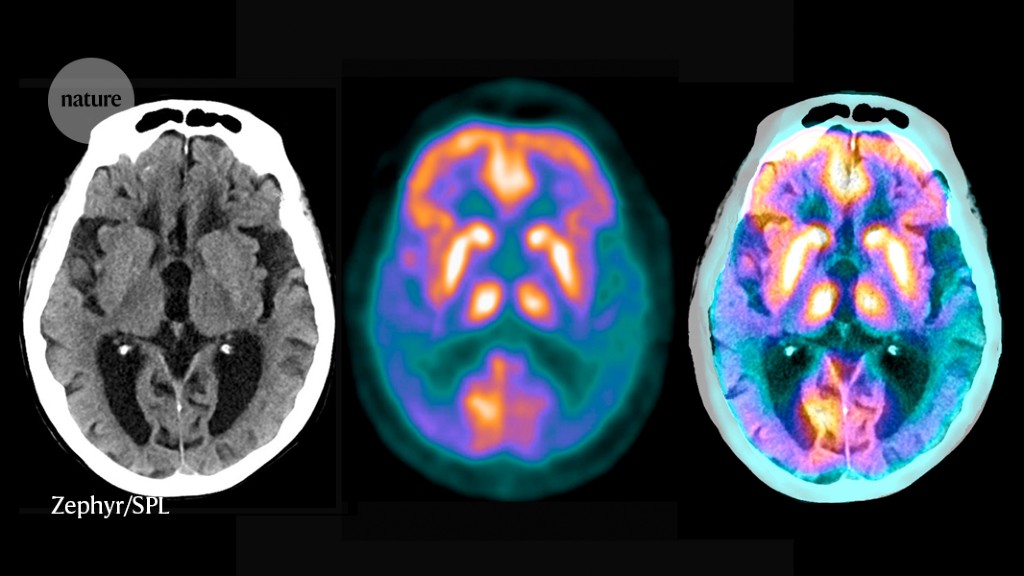
Researchers are testing a range of potential new therapies for Alzheimer's disease, including combination therapies that target different stages of the disease, anti-tau and anti-amyloid vaccines, and gene therapy. Trials of combination therapies are complex and costly, but researchers hope that sensitive new biomarkers will help to uncover more about the mechanisms of Alzheimer's. Most researchers think that treatment will need to be personalized, and individuals at different disease stages will need different therapies.