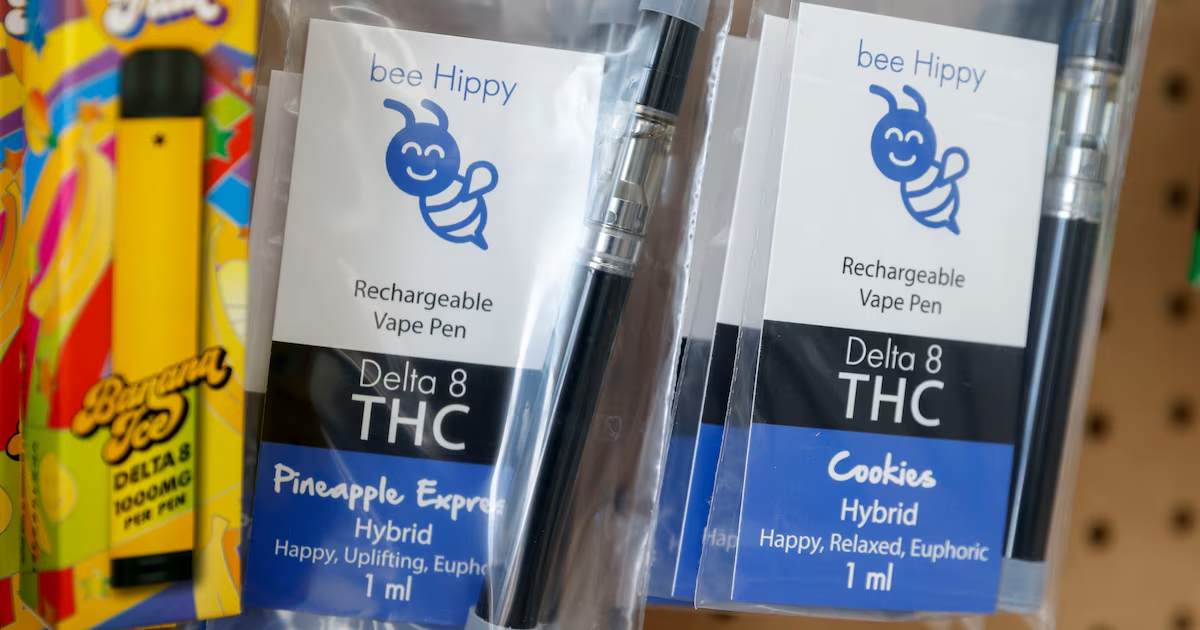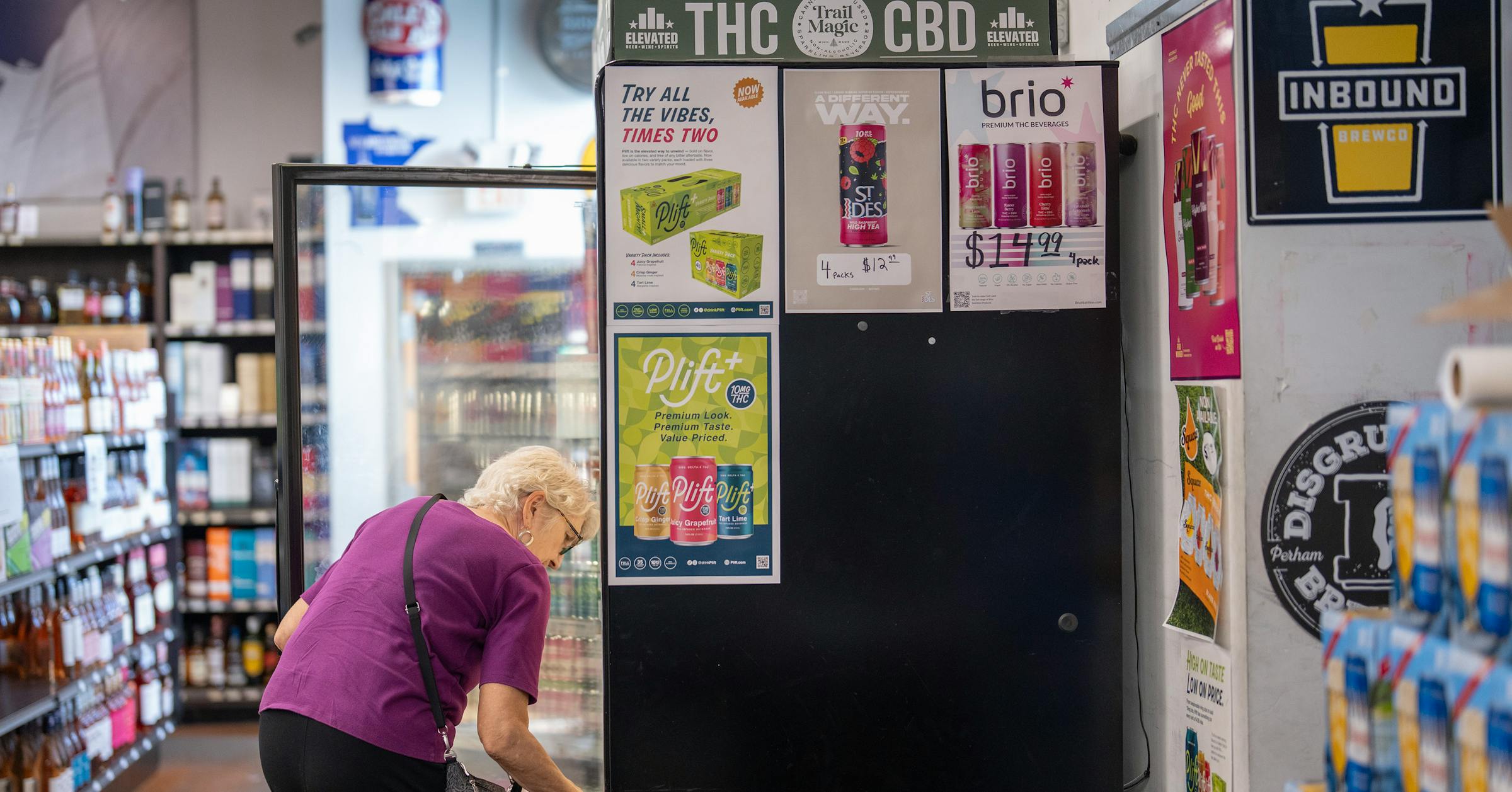
The US Congress has included a provision in the recent bill ending the government shutdown to ban THC-infused drinks and snacks derived from hemp, set to take effect in November 2026, threatening the $24 billion hemp industry and related businesses like breweries, despite ongoing debates and potential regulatory adjustments.
A recent U.S. Senate deal to end the government shutdown includes a provision that effectively bans unregulated hemp-based THC products in Texas, threatening the state's thriving hemp industry and raising concerns about federal overreach and industry regulation. The bill's implementation is delayed by a year, allowing potential legislative changes, but it has already sparked opposition from Texas lawmakers and industry groups.
A U.S. Senate spending bill could effectively ban hemp-derived THC products nationwide, threatening Minnesota's thriving hemp THC industry, which includes edibles and beverages, due to a proposed limit on THC content. The bill's passage could lead to industry collapse in Minnesota unless changes are made within a year, raising concerns among local businesses and lawmakers about economic and regulatory impacts.
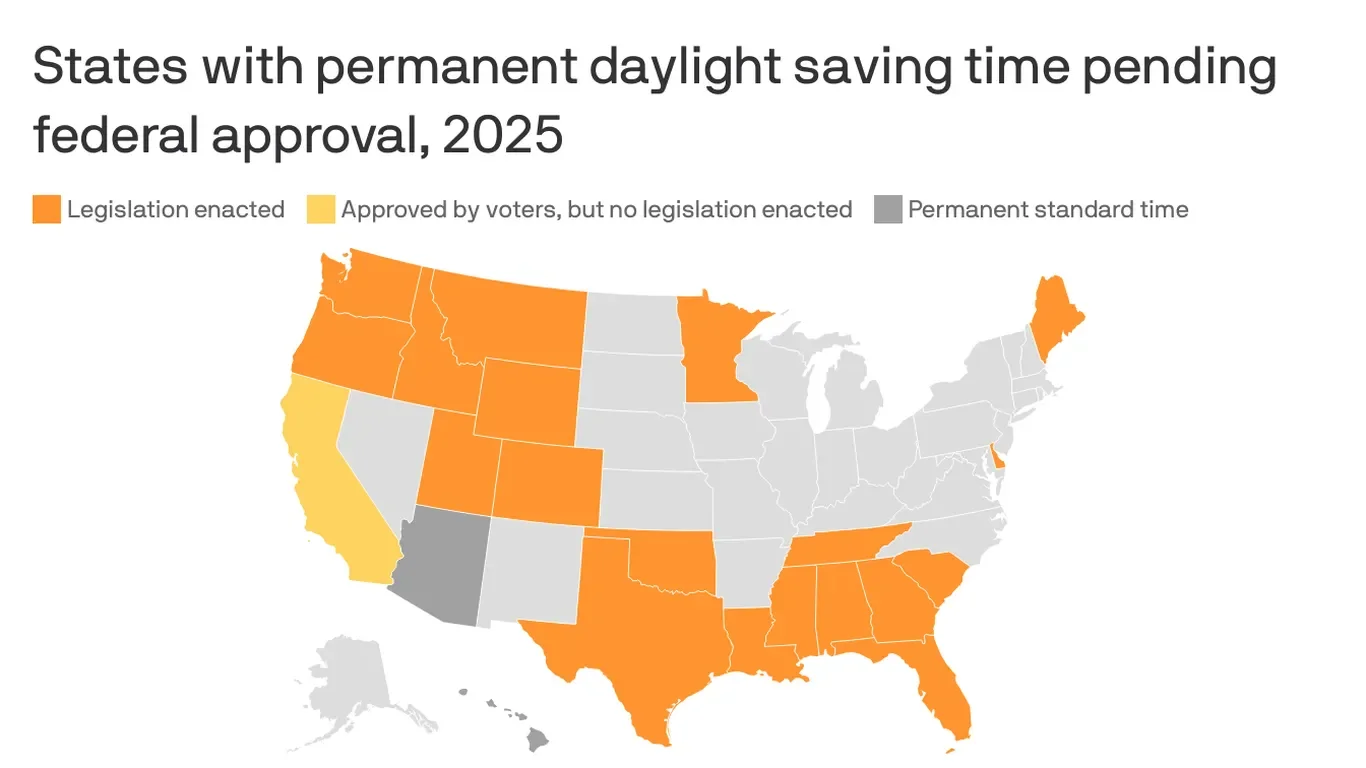
Most US states favor making daylight saving time permanent, but without federal approval, they cannot implement it; many have passed resolutions, yet actual legislation and implementation remain pending due to stalled congressional action.
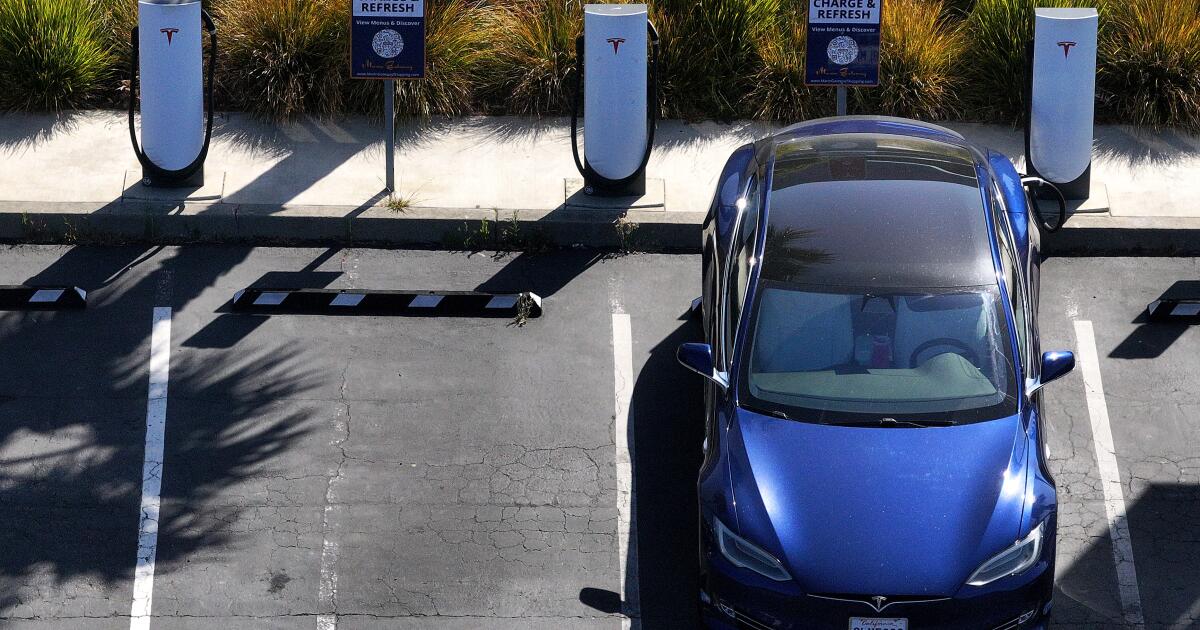
Despite federal efforts to roll back California's auto-emission standards and end incentives for zero-emission vehicles, California is committed to maintaining its leadership in clean air and climate goals by exploring state-funded subsidies, expanding charging infrastructure, and implementing new regulations to boost electric vehicle adoption and reduce emissions.
The failure of a proposed ban on state-level AI regulation in the US Senate has increased pressure for federal AI rules, as states continue to develop their own regulations amid public support for national standards; the debate highlights political divisions and the challenge of regulating AI at the federal level.
The US Senate overwhelmingly rejected a proposed 10-year ban on state regulation of AI, a move supported by major tech companies and advocates for innovation, while raising concerns about the potential for inconsistent regional rules and the need for federal oversight. The vote leaves room for state-level AI regulations to proceed, with some states already enacting or considering related laws.
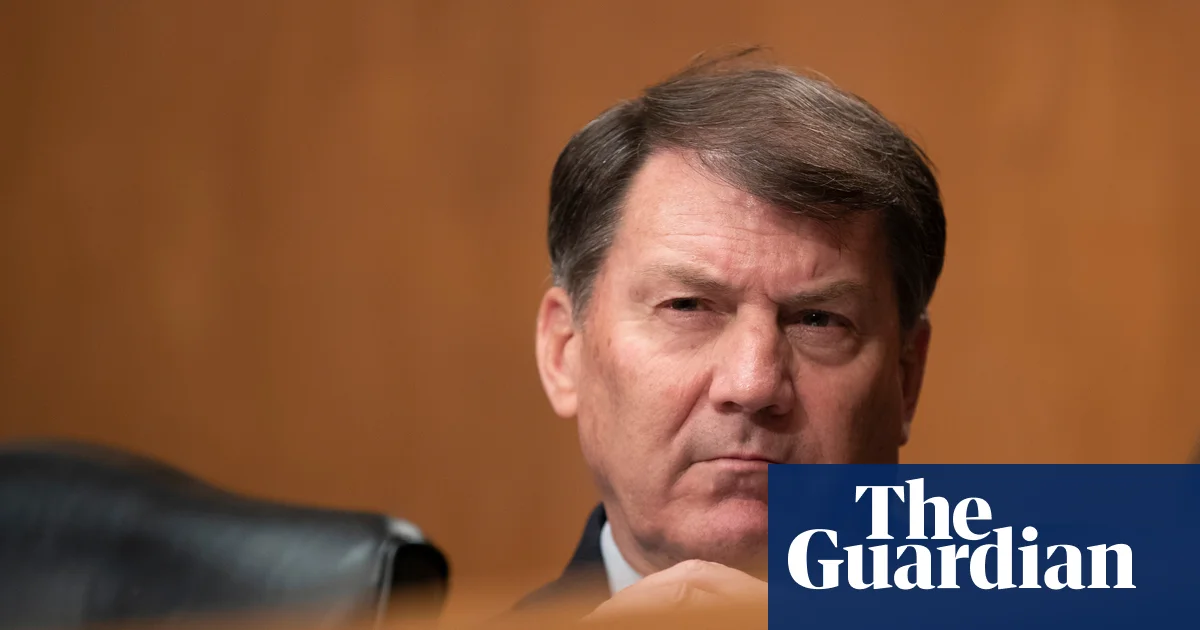
Republican Senator Mike Rounds has introduced a bill to abolish the US Department of Education, redistributing its $200 billion budget and responsibilities to other federal agencies and states. The bill aligns with Donald Trump's goal of eliminating the department, arguing it causes more harm than good. However, it faces significant hurdles, requiring a supermajority in the Senate to pass. Education experts express concern over the potential impact on programs like the Individuals with Disabilities Education Act, which are currently managed by the department.
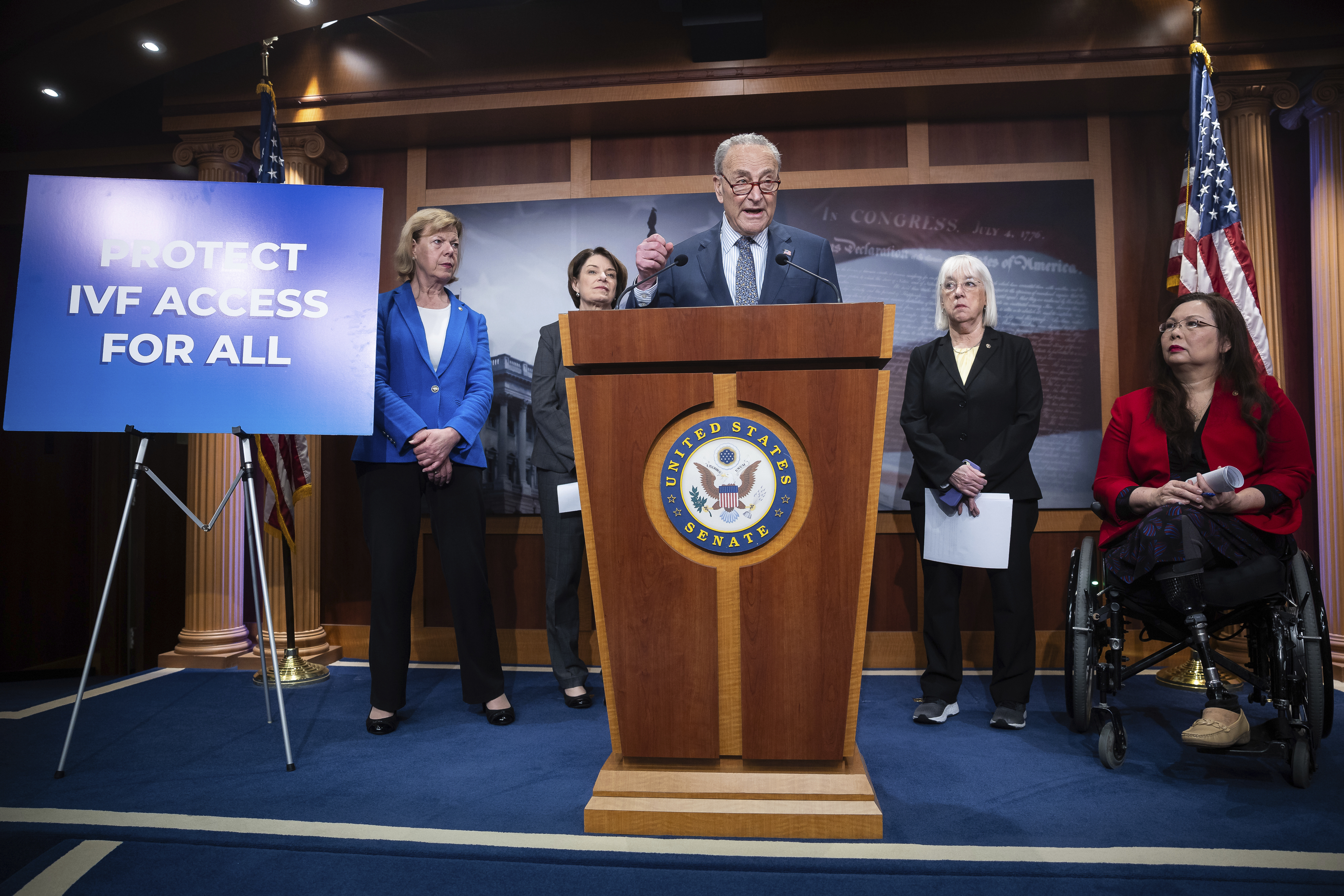
Senate Democrats, led by Sen. Tammy Duckworth, are pushing for federal protection of in-vitro fertilization (IVF) and other fertility treatments, setting up a showdown with Republicans. Duckworth's bill aims to override any state policies that restrict access to IVF, and she plans to seek unanimous consent for its passage, daring Republicans to block it. The move comes in response to a controversial Alabama Supreme Court ruling and highlights the ongoing battle over reproductive rights and the fallout from the Supreme Court's decision to overturn Roe v. Wade.
14 states are planning to send out additional child tax credit payments in 2024, with varying eligibility requirements and refundable amounts. These payments are separate from the federal child tax credit and are aimed at providing relief to families. The eligibility criteria and refundable amounts differ by state, with some states offering credits for children under age 6 and others extending the age range. It's important for families to check if they qualify for these state-specific child tax credit payments as the 2024 tax season begins.
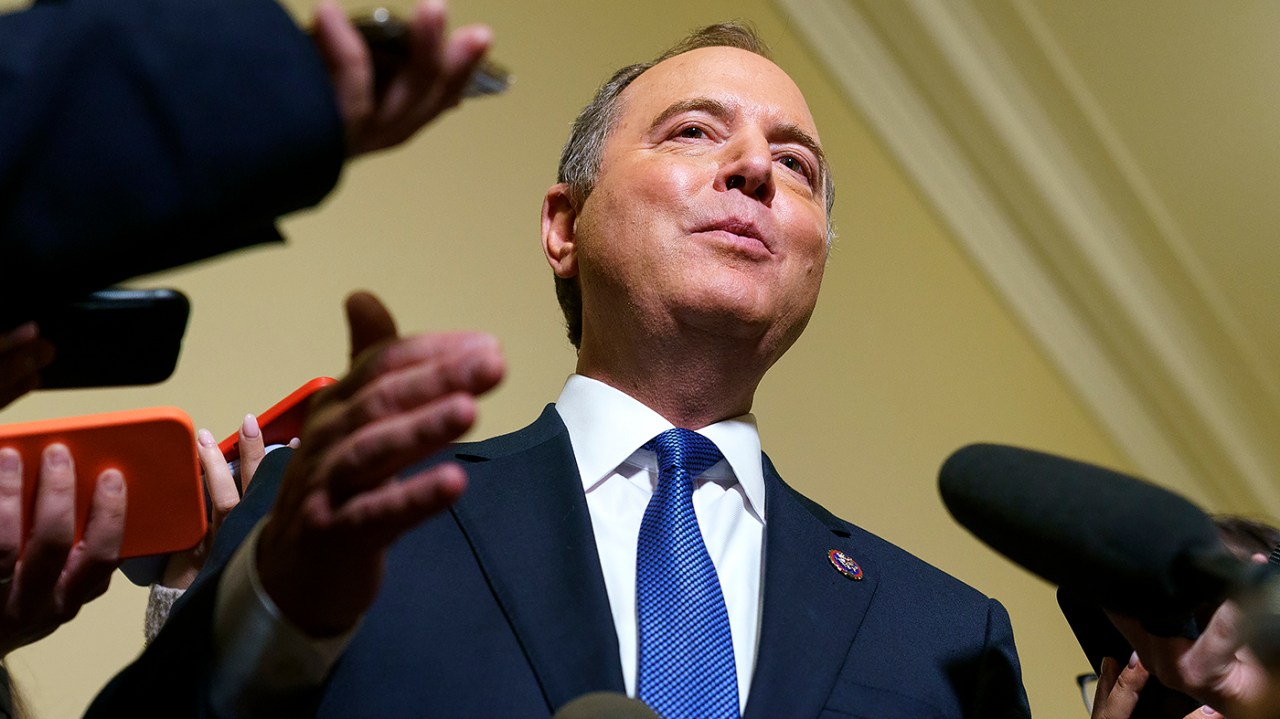
California Rep. Adam Schiff has introduced the INSURE Act to stabilize the home insurance market by implementing federal reinsurance, requiring insurers to cover natural disasters, and establishing improved market monitoring. The bill aims to address the crisis in the home insurance market, particularly in California, where insurers have stopped writing new policies due to increased risks of natural disasters. The proposed act must pass through the House and Senate and receive the president's signature to become law.
Democratic lawmakers are vowing to challenge restrictive state election laws ahead of the 2024 elections by holding rallies, launching voter registration drives, and reintroducing federal voting legislation. The John Lewis Voting Rights Advancement Act, which aims to protect voting rights and restore provisions in the Voting Rights Act, has repeatedly stalled in Congress but supporters are pledging to champion its passage. Republicans argue that the new laws help protect against fraud, while Democrats argue they make it harder to vote, particularly for people of color. The chances of passage for the legislation are slim, but advocates believe it is important to keep it part of the political discourse.