The IDC warns that a memory shortage driven by AI infrastructure demands could lead to an 8.9% decline in PC shipments by 2026, with rising RAM costs causing higher prices and potential industry contraction, especially affecting smaller manufacturers and smartphone markets.

The article reviews the top products from CES 2025, including the Asus Zenbook A14, MSI Vision X AI 2nd, Lenovo Legion Go S, and Nvidia Cosmos, assessing their real-world performance and market availability, and highlighting ongoing developments and challenges in the tech industry.
Jim Beam will pause production at its Kentucky Clermont distillery for at least a year starting in 2026 to invest in upgrades, amid industry challenges like tariffs and declining demand, while its larger Boston distillery remains operational.
The surge in AI-related demand for memory chips is tightening supply and increasing costs for gaming consoles like PlayStation, Xbox, and Nintendo Switch 2, potentially leading to price hikes and delayed product launches, which could further dampen the already declining gaming hardware market.
Despite cocoa prices plunging nearly 50% this year after a historic rally, chocolate remains expensive due to manufacturers' existing high-cost cocoa stocks and recipe adjustments, with price reductions unlikely until the second half of next year.
November saw the worst hardware and software sales in the US since 1995, with a 27% drop in spending and significant declines across all major consoles, largely due to rising prices and economic factors, signaling a challenging period for the gaming industry.
CD Projekt Red's CEO highlights the meaningful benefits of AI in gaming, mainly in productivity, but emphasizes that AI won't replace human developers in creating games like The Witcher 5. The company also dismisses the idea that AI is causing industry layoffs, attributing job cuts to project cancellations, and believes broader AI adoption won't lead to overall job losses. The use of AI in gaming continues to be a controversial topic, with existing tools like Unreal Engine and Photoshop already integrating generative AI.
The article explores how AI is transforming Hollywood, challenging traditional star power with synthetic performers, digital likenesses, and new creative possibilities, while raising concerns about control, authenticity, and the future of human actors.
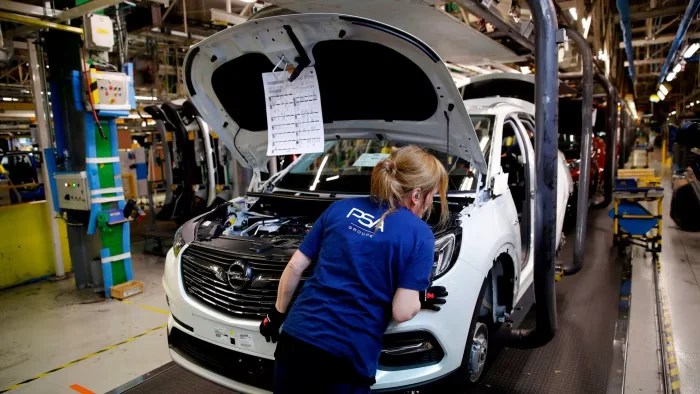
The EU's recent revisions to the 2035 petrol engine ban, allowing some emissions and hybrid sales with offsets, have been met with criticism from carmakers who warn that the changes could increase vehicle costs and complicate the electric transition, leading to industry division and concerns over the effectiveness of the new rules.
The article discusses the rise of 'vibe coding,' where generative AI accelerates software development, leading to increased efficiency but also raising concerns about reduced critical thinking, job displacement, and security risks. Despite industry hype, AI-generated code still faces accuracy issues, and the long-term effects on developer skills and industry stability remain uncertain, with a shift towards more specialized AI tools and a cautious outlook for 2026.
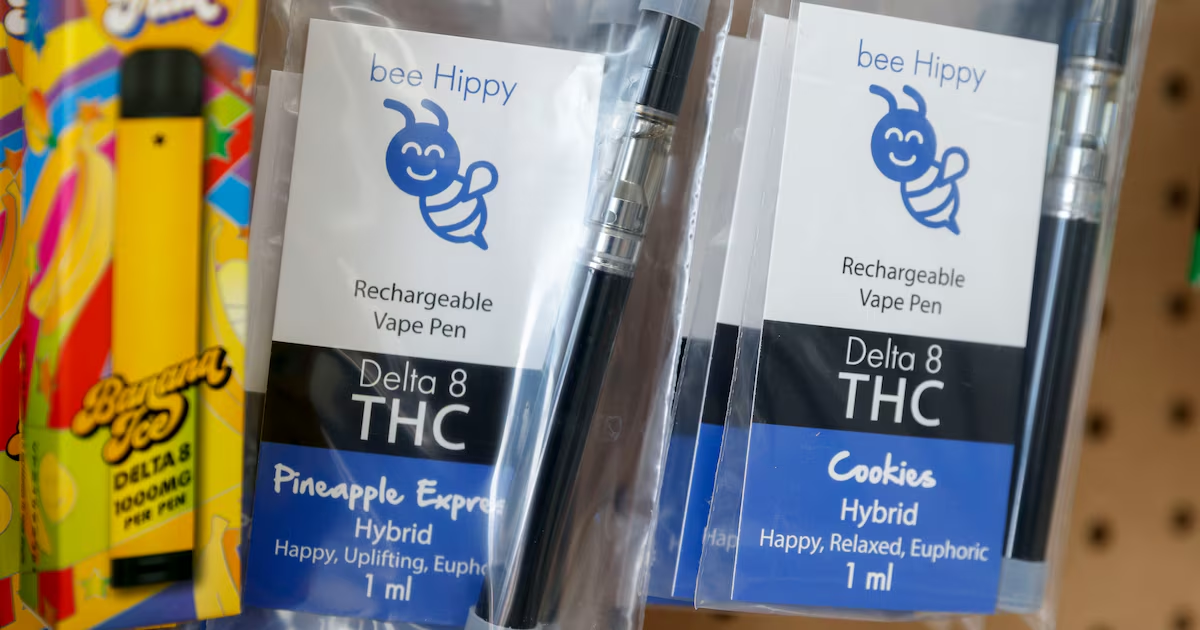
The US Senate passed a funding bill that includes a provision to re-criminalize many hemp-derived products, including intoxicating ones like Delta-8, causing concern among hemp industry stakeholders about potential destruction of the legal hemp market, with debates centered around regulation and public safety.
A recent U.S. Senate deal to end the government shutdown includes a provision that effectively bans unregulated hemp-based THC products in Texas, threatening the state's thriving hemp industry and raising concerns about federal overreach and industry regulation. The bill's implementation is delayed by a year, allowing potential legislative changes, but it has already sparked opposition from Texas lawmakers and industry groups.
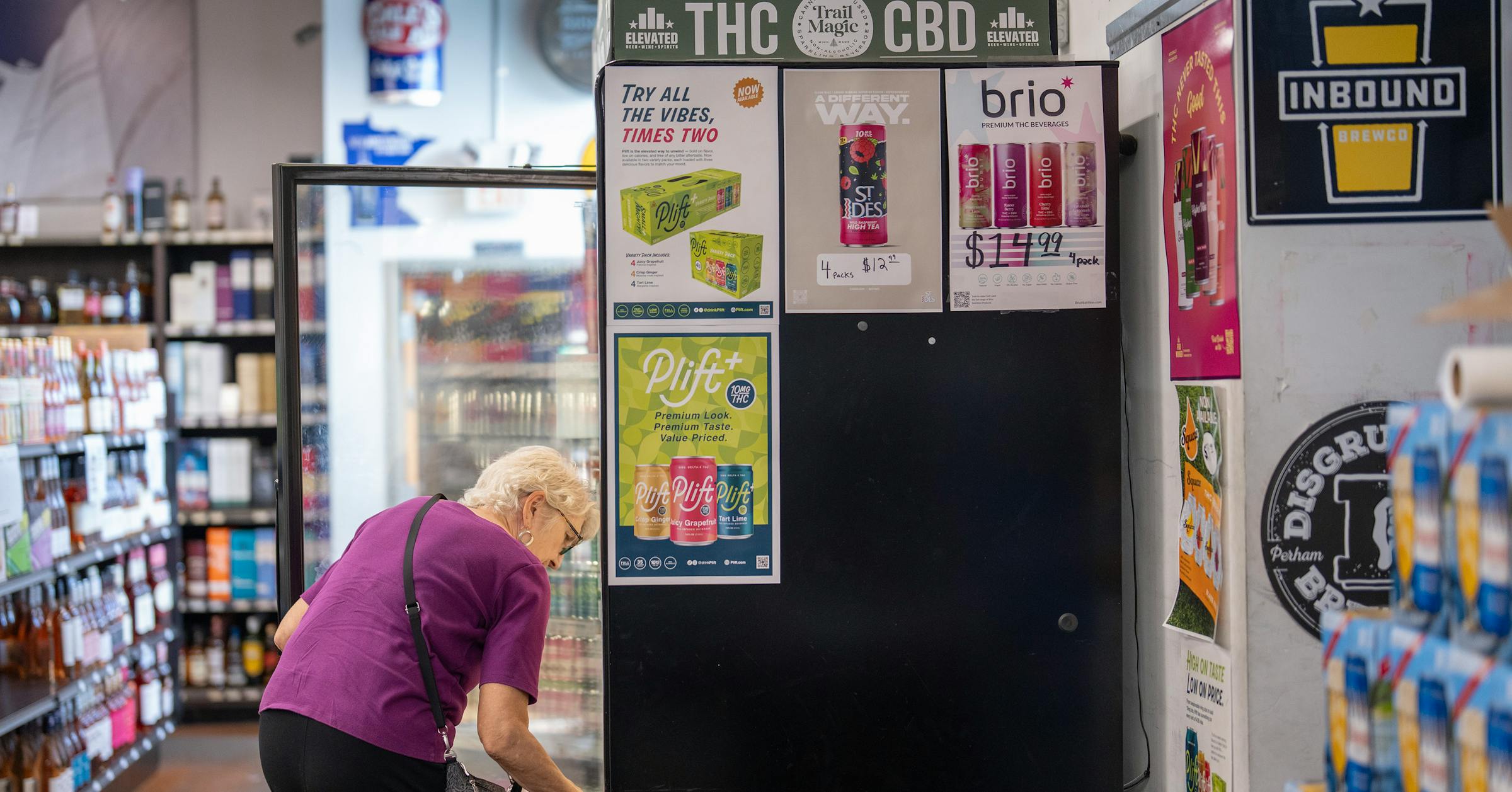
A U.S. Senate spending bill could effectively ban hemp-derived THC products nationwide, threatening Minnesota's thriving hemp THC industry, which includes edibles and beverages, due to a proposed limit on THC content. The bill's passage could lead to industry collapse in Minnesota unless changes are made within a year, raising concerns among local businesses and lawmakers about economic and regulatory impacts.
The Grammy Awards are introducing a traditional country category alongside the contemporary one, aiming to recognize the genre's diverse styles and address longstanding tensions within the country music community, including issues of authenticity and representation.
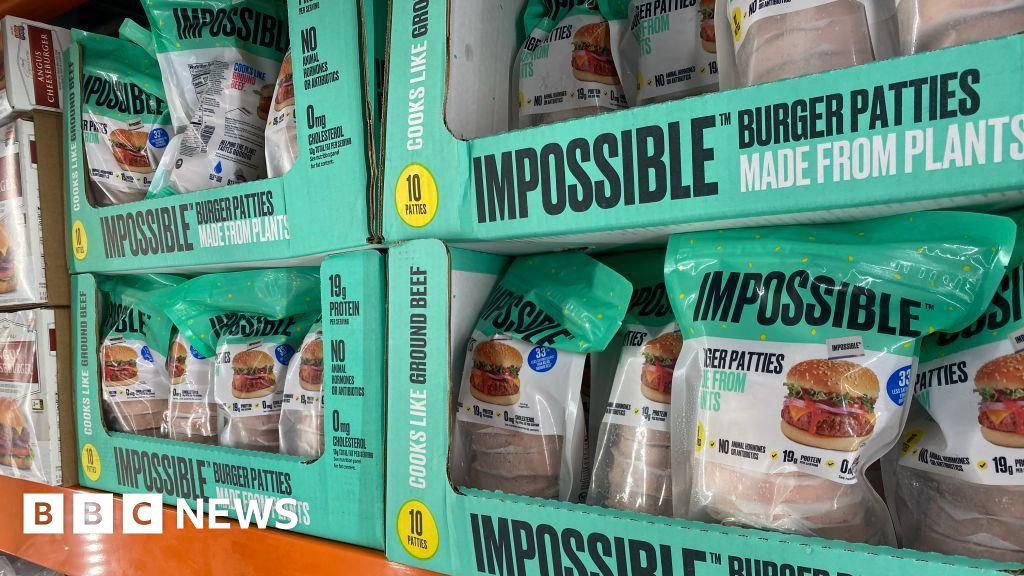
The European Parliament voted to ban the use of traditional meat-related terms like 'burger' and 'steak' for plant-based foods, aiming to prevent consumer confusion, though the full implementation depends on approval from the European Commission and member states. The move has received mixed reactions, with livestock and meat industries supporting it, while environmentalists and parts of the food industry criticize it as unnecessary and potentially misleading for consumers.