A 52-year-old man developed brain cysts caused by tapeworm larvae, linked to his habit of eating undercooked bacon, highlighting the health risks associated with consuming contaminated pork and the importance of food safety standards.
A man developed brain cysts filled with tapeworm larvae after consuming undercooked bacon, leading to severe migraines and requiring intensive treatment. The case highlights the risks of eating lightly cooked pork and the importance of proper meat cooking temperatures.
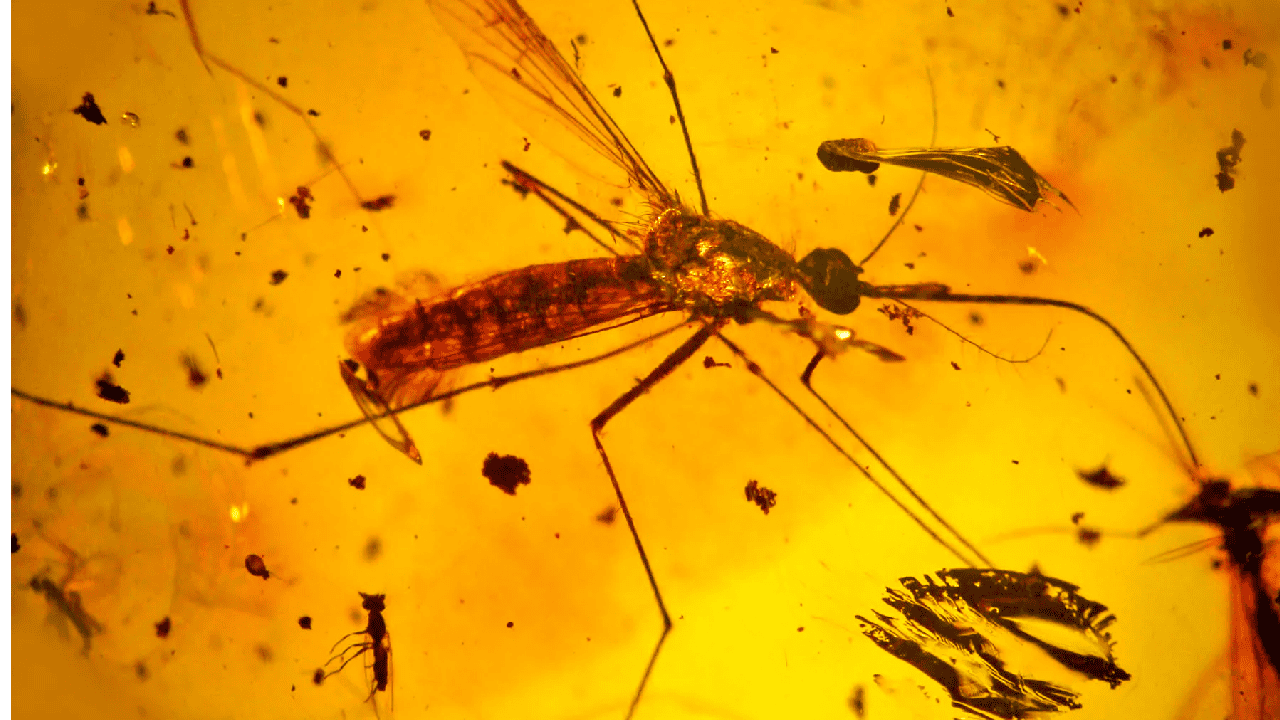
Parasitologists in China have discovered a 100-million-year-old tapeworm fossil in amber from Myanmar, representing one of the oldest families of parasites. The well-preserved specimen, found in the intestines of a prehistoric shark or ray, could provide valuable insights into parasite evolution. While the idea of extracting DNA from the fossil to potentially recreate ancient hosts like dinosaurs raises "Jurassic Park" scenarios, the researchers are primarily focused on the scientific significance of the find for paleoparasitology and the preservation of internal structures in amber.
Scientists have discovered a 100-million-year-old tapeworm preserved in amber, raising the possibility of extracting DNA from prehistoric hosts, similar to the concept of Jurassic Park. The rare find offers insight into ancient parasites and their potential hosts, with the tapeworm possibly originating from a marine endoparasite that became trapped in the amber after its host died on land, or from an ancient sea creature eaten by a land-roaming dinosaur.
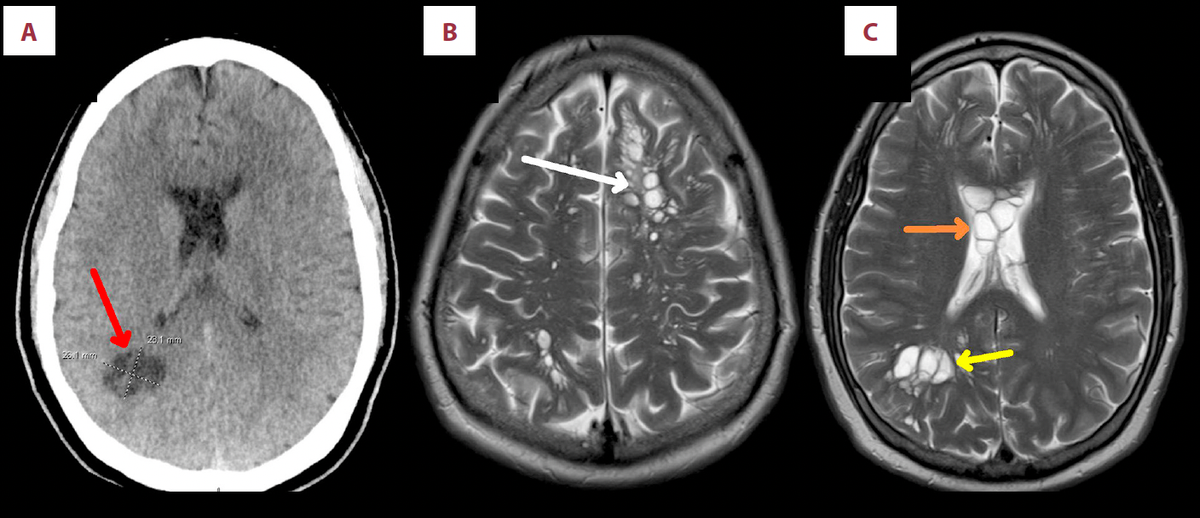
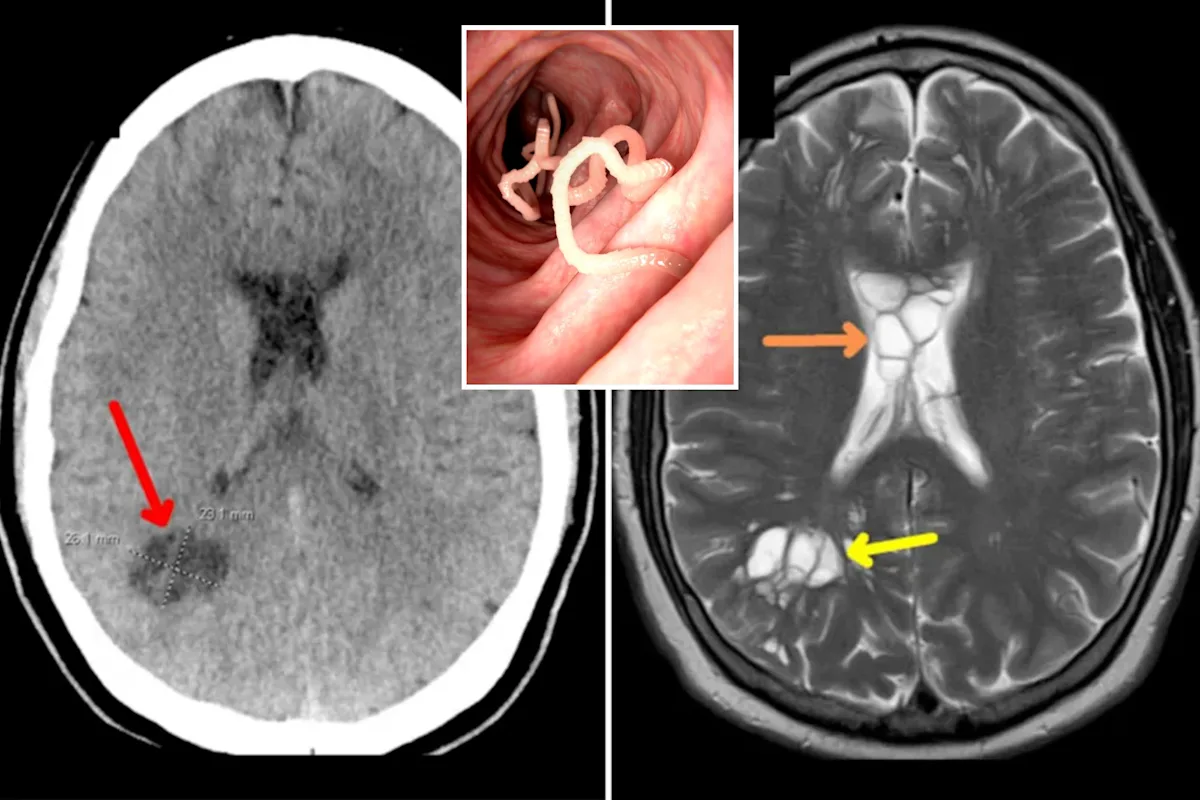
A 52-year-old American man with a history of consuming undercooked pork presented with severe migraines, leading to the discovery of tapeworm larvae in his brain. The condition, neurocysticercosis, is caused by ingesting eggs found in the feces of humans with taeniasis. The patient was successfully treated with anti-inflammatory and anti-parasitic medications after admitting to a lifelong preference for undercooked pork. The case highlights the rare but potential risk of neurocysticercosis from autoinoculation due to improper handwashing after contracting taeniasis.
A 52-year-old man in the US developed tapeworm larva in his brain, likely from consuming undercooked bacon, leading to neurocysticercosis. Despite no recent travel to endemic areas or contact with pigs, the man's habit of eating undercooked bacon and poor hand hygiene likely caused the infection. The case highlights the increasing frequency of such infections in developed countries and the importance of considering neurocysticercosis in evaluating acute changes in migraines.
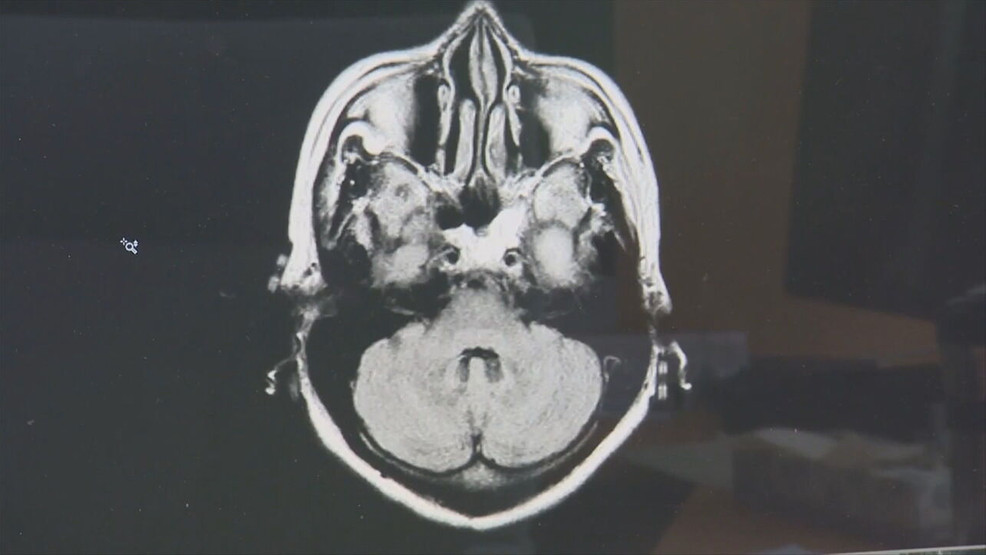
A 52-year-old man in Florida suffering from chronic migraines was found to have tapeworm eggs in his brain, causing significant swelling and cysts. The parasite likely entered his body through undercooked bacon consumption, leading to a diagnosis of neurocysticercosis. Despite not having recently traveled abroad, the man's case highlights the potential risks of consuming contaminated food. He was treated with anti-inflammatory and antiparasitic medications to address the infection and swelling.
A 52-year-old man in Florida suffering from chronic migraines was found to have tapeworm eggs in his brain, causing significant swelling and cysts. The parasite likely entered his body through undercooked bacon consumption, leading to a diagnosis of neurocysticercosis. Despite not having recently traveled abroad, the man's doctors believe his preference for soft bacon may have been the source of the infection. He was treated with anti-inflammatory and antiparasitic medications to address the swelling and eliminate the tapeworm eggs.
A Florida man suffering from chronic migraines was diagnosed with neurocysticercosis, a parasitic infection caused by tapeworm eggs in his brain, likely contracted from consuming undercooked bacon. The patient's cysts and migraines improved after receiving anti-inflammatory and antiparasitic medications, and the case was published in the American Journal of Case Reports.
A 52-year-old man in the US sought medical help for severe migraines and was shocked to discover that he had a tapeworm infestation in his brain, likely contracted from eating undercooked bacon. Diagnosed with neurocysticercosis, he was treated with antiparasitic and anti-inflammatory medications, leading to the disappearance of the cysts and improvement in his migraines. This case highlights the rare occurrence of infected pork in the US and raises public health implications, with an estimated 1,320 to 5,050 cases of neurocysticercosis reported annually in the country.
A Florida man's severe migraines turned out to be caused by a tapeworm infestation in his brain, likely from eating undercooked bacon. The man's preference for soft bacon and undercooking made him vulnerable to neurocysticercosis, a condition where tapeworm eggs infect the body. The CDC warns that this unusual ailment is preventable but can lead to hospitalization for about 1,000 Americans annually. The patient was treated with a deworming drug and showed improvements, prompting clinicians to be vigilant about changes in migraine patterns.
A Florida man suffering from severe migraines was found to have a tapeworm infestation in his brain, likely caused by consuming undercooked bacon. The man's preference for soft bacon and undercooking made him vulnerable to neurocysticercosis, a condition where tapeworm eggs infect various parts of the body. The CDC warns that this ailment is preventable but can lead to hospitalization for about 1,000 Americans annually. The patient was treated with a deworming drug, albendazole, and showed improvements after two weeks.
A 52-year-old man in Florida who suffered from persistent migraines was found to have a live tapeworm in his brain that had laid eggs, causing cysts and swelling. It's believed that he contracted the parasite from eating undercooked bacon. The condition, known as neurocysticercosis, can be life-threatening if left untreated. The patient was treated with medication and his cysts disappeared, leading to an improvement in his migraines. The case highlights the potential public health implications of encountering infected pork in the United States.
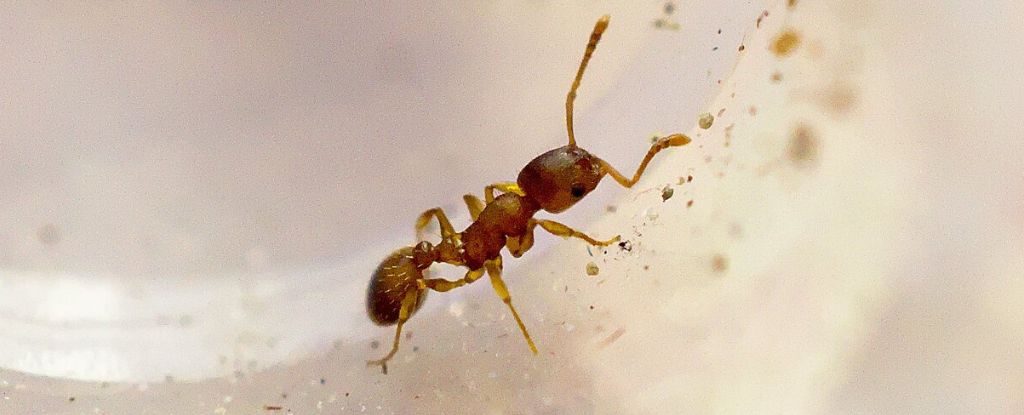
A tapeworm called Anomotaenia brevis infects Temnothorax nylanderi ants and pumps antioxidants and other proteins into their bloodstream, which may help them live three times longer than their uninfected peers. The tapeworm's proteins account for a substantial portion of the ants' hemolymph, and some of them have no known equivalent in other organisms. Infected ants are treated like royalty, and their uninfected peers do the worker's chores, carry them around, feed them, and groom them for the rest of their days. However, the uninfected ants die much earlier, and workers give their queens less loving care as they tend to the infected, which may spell trouble for the colony.
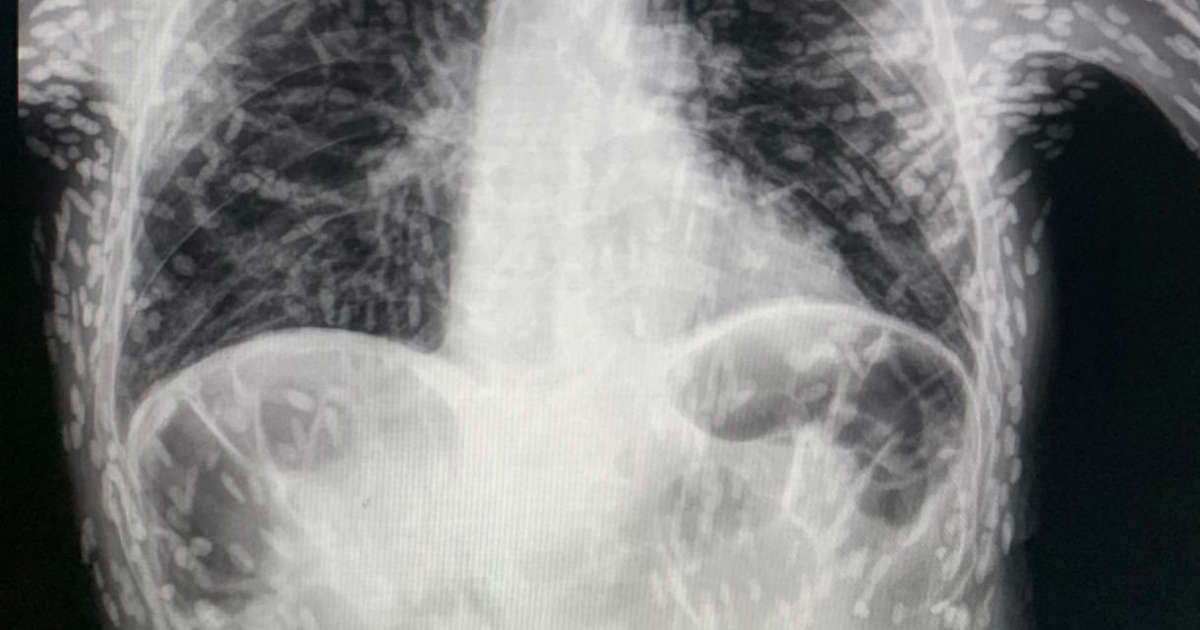
A Brazilian man who went to the hospital with a cough was found to have tapeworm larvae in his body. The condition, called cysticercosis, is caused by ingesting tapeworm eggs, often found in undercooked pork. While usually harmless, the larvae can cause health problems if they travel to other parts of the body, such as the brain. The Taenia solium, or pork tapeworm, is responsible for 30% of epilepsy cases in endemic regions. Poverty and lack of access to medication often lead to poor treatment of the condition.