Tag

Cretaceous Period

All articles tagged with #cretaceous period

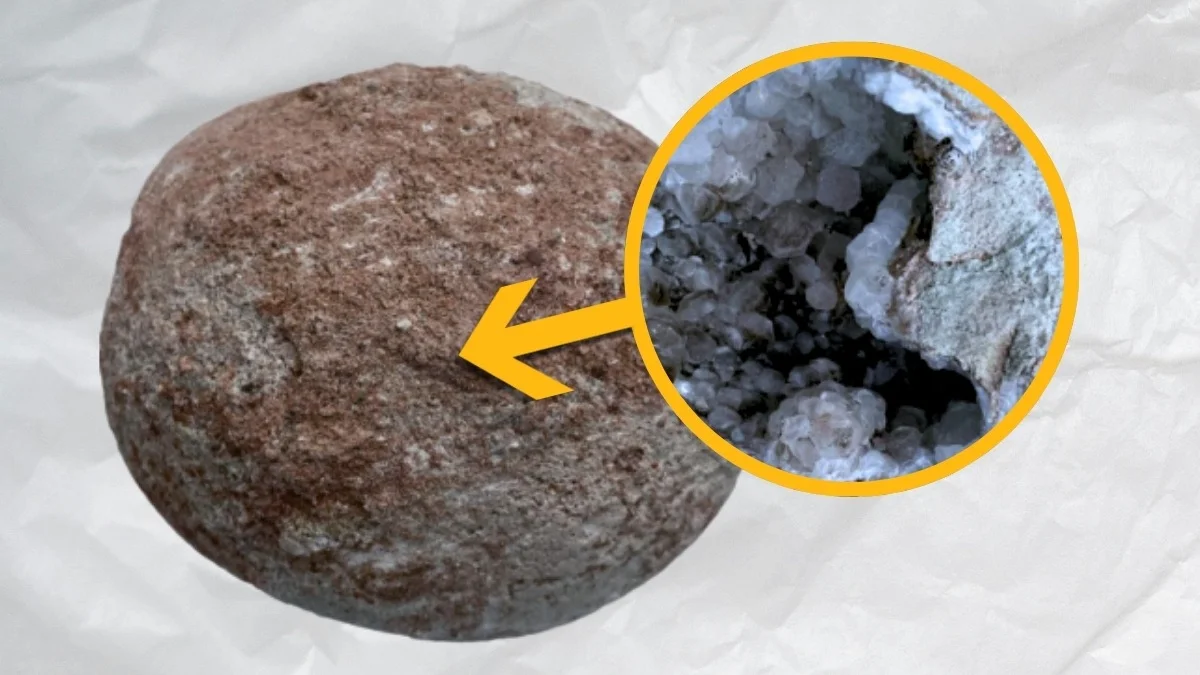
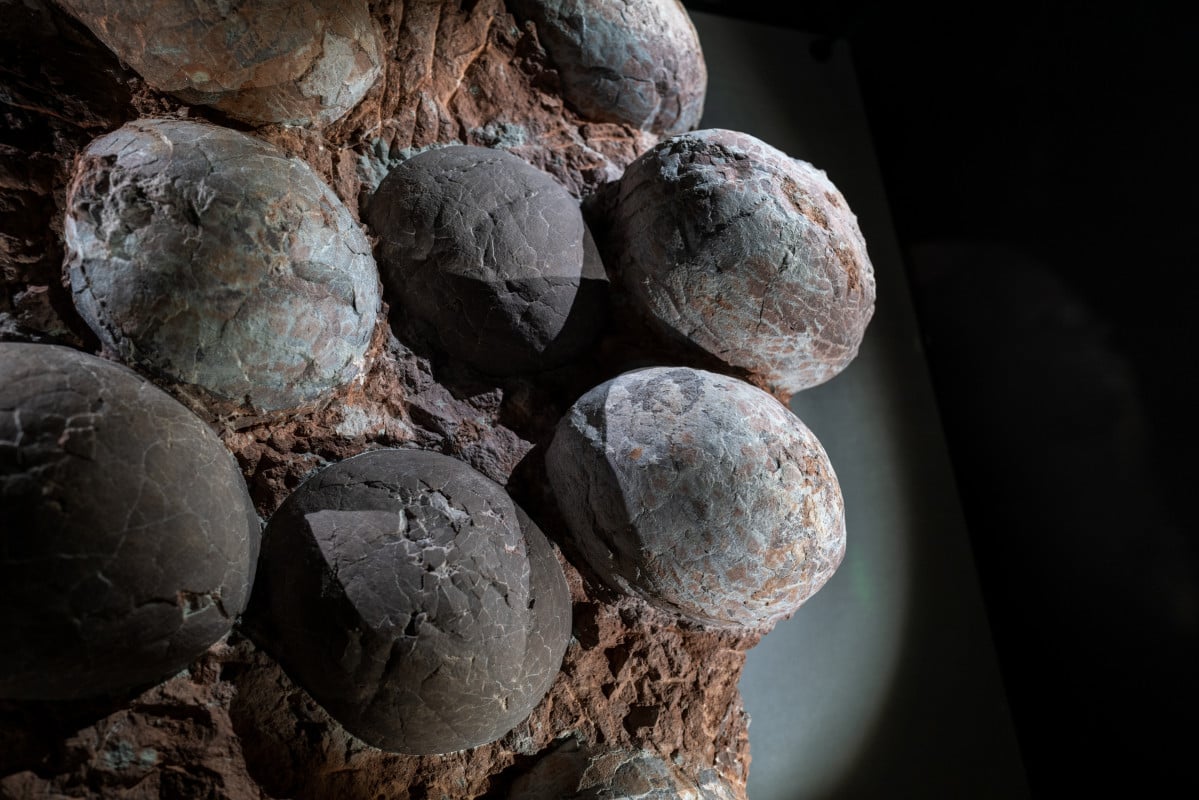
70-Million-Year-Old Dinosaur Egg Reveals Unexpected Crystal Treasure

Originally Published 9 days ago — by CPG Click Petróleo e Gás

Featured image for 70-Million-Year-Old Dinosaur Egg Reveals Unexpected Crystal Treasure
Source: CPG Click Petróleo e Gás

Scientists discovered a 70-million-year-old dinosaur egg in China that contained calcite crystals, transforming it into a natural geode and leading to the identification of a new species, Shixingoolithus qianshanensis, providing new insights into the microstructure, fossilization processes, and environmental conditions of the Late Cretaceous in the region.

Bolivia Uncovers Over 16,000 Dinosaur Footprints, Including Underwater Tracks

Originally Published 15 days ago — by The Daily Galaxy

Featured image for Bolivia Uncovers Over 16,000 Dinosaur Footprints, Including Underwater Tracks
Source: The Daily Galaxy

Scientists discovered over 16,000 dinosaur footprints at a large fossil site in Bolivia, many of which suggest dinosaurs moved along the shoreline of an ancient lake, with some footprints indicating swimming behavior, providing valuable insights into dinosaur movement and environment during the late Cretaceous period.

110-Million-Year-Old Spider Fossils Discovered, Featuring Glowing Eyes

Originally Published 16 days ago — by The Daily Galaxy

Featured image for 110-Million-Year-Old Spider Fossils Discovered, Featuring Glowing Eyes
Source: The Daily Galaxy

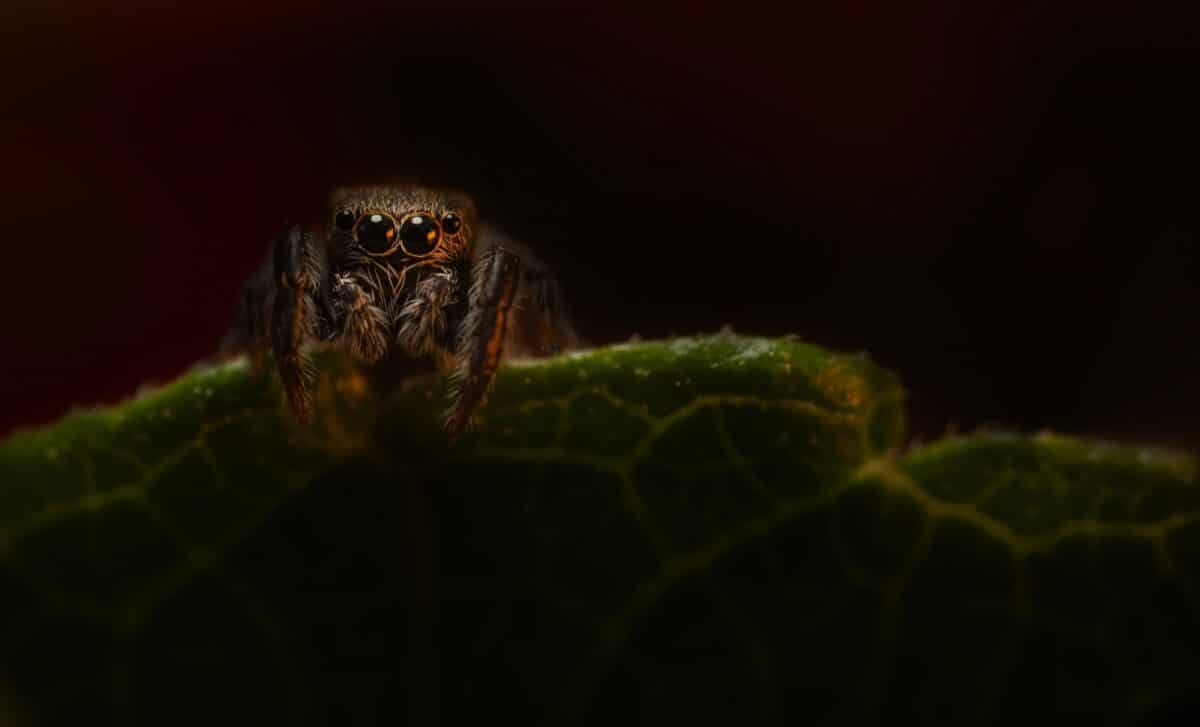
Scientists discovered 10 new fossilized spider species from the Mesozoic era in South Korea, including one with preserved glowing eyes that reflect light, indicating they may have been nocturnal hunters. This rare find, published in the Journal of Systematic Palaeontology, provides new insights into ancient spider diversity and their ecological niches, especially with the first identification of a tapetum in fossilized spider eyes.

Ancient Super Predators Over 10 Meters Long Once Ruled the Oceans

Originally Published 19 days ago — by BBC Wildlife Magazine

Featured image for Ancient Super Predators Over 10 Meters Long Once Ruled the Oceans
Source: BBC Wildlife Magazine

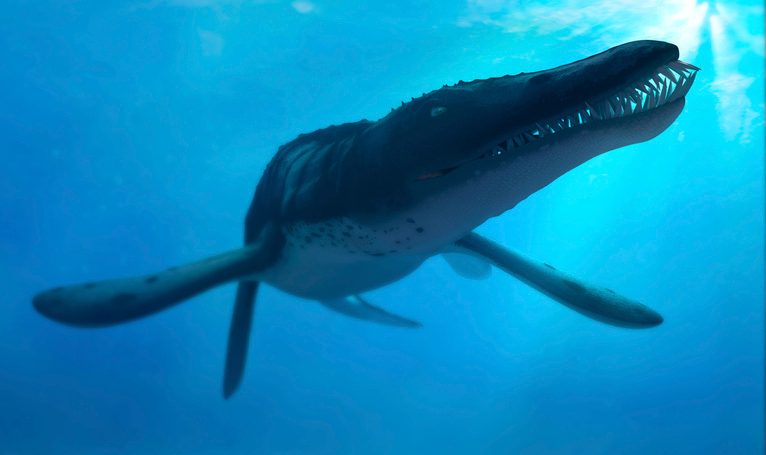
Scientists studying the Paja Formation in Colombia have uncovered evidence that ancient oceans were dominated by enormous marine reptiles, some over 10 meters long, filling a previously unseen seventh level at the top of the food chain, unlike today's oceans which typically have six levels of predators.

Massive Duck-Faced Dinosaur Discovered in New Mexico

Originally Published 2 months ago — by Earth.com

Featured image for Massive Duck-Faced Dinosaur Discovered in New Mexico
Source: Earth.com

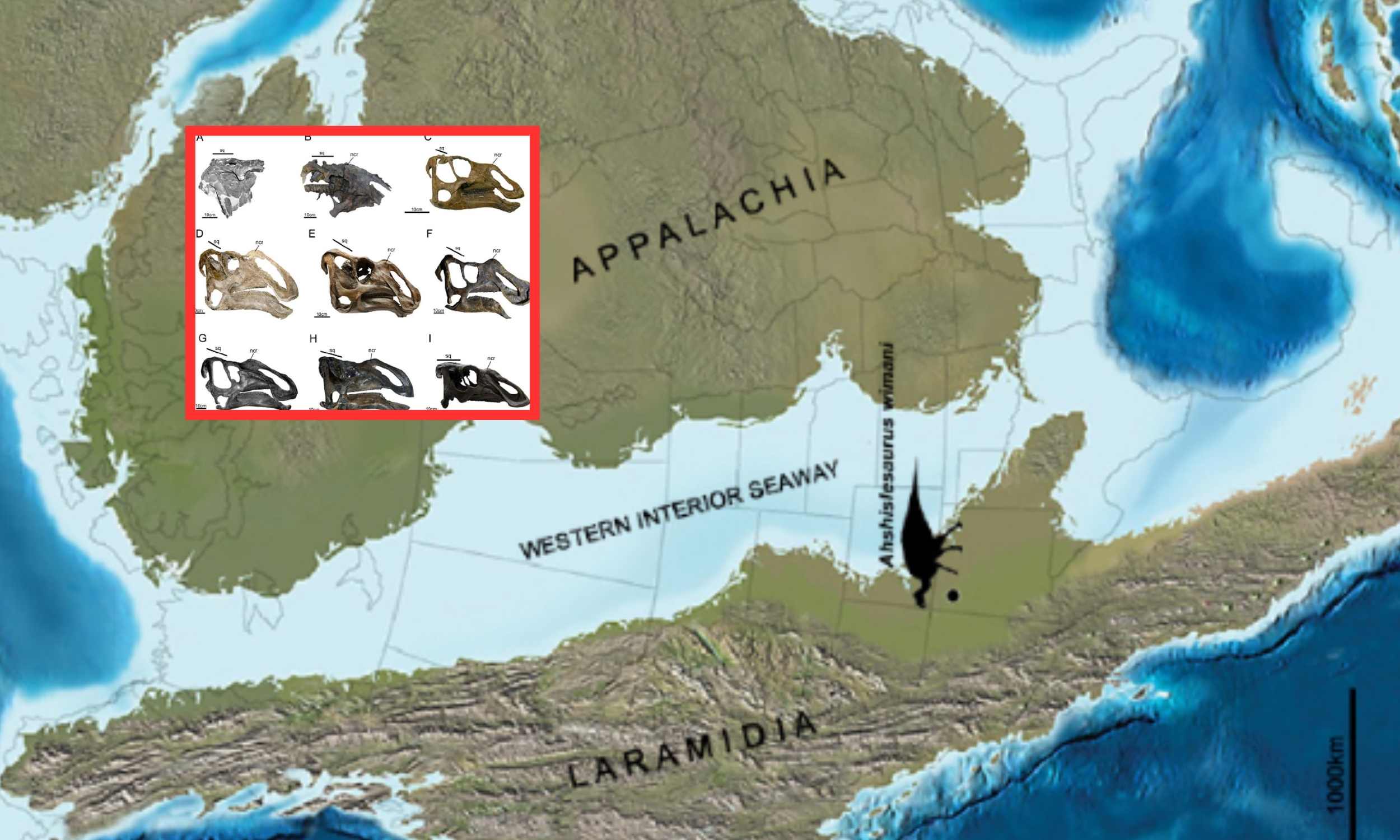
A new species of duck-billed dinosaur, Ahshislesaurus wimani, was discovered in New Mexico, dating back about 75 million years. The fossil, initially misclassified, was re-examined and identified as a distinct species, adding to the diversity of Late Cretaceous dinosaurs in North America and highlighting the region's rich paleontological history.

Tiny Cretaceous Crocodyliform with Unique Teeth Discovered in Montana

Originally Published 3 months ago — by Live Science

Featured image for Tiny Cretaceous Crocodyliform with Unique Teeth Discovered in Montana
Source: Live Science

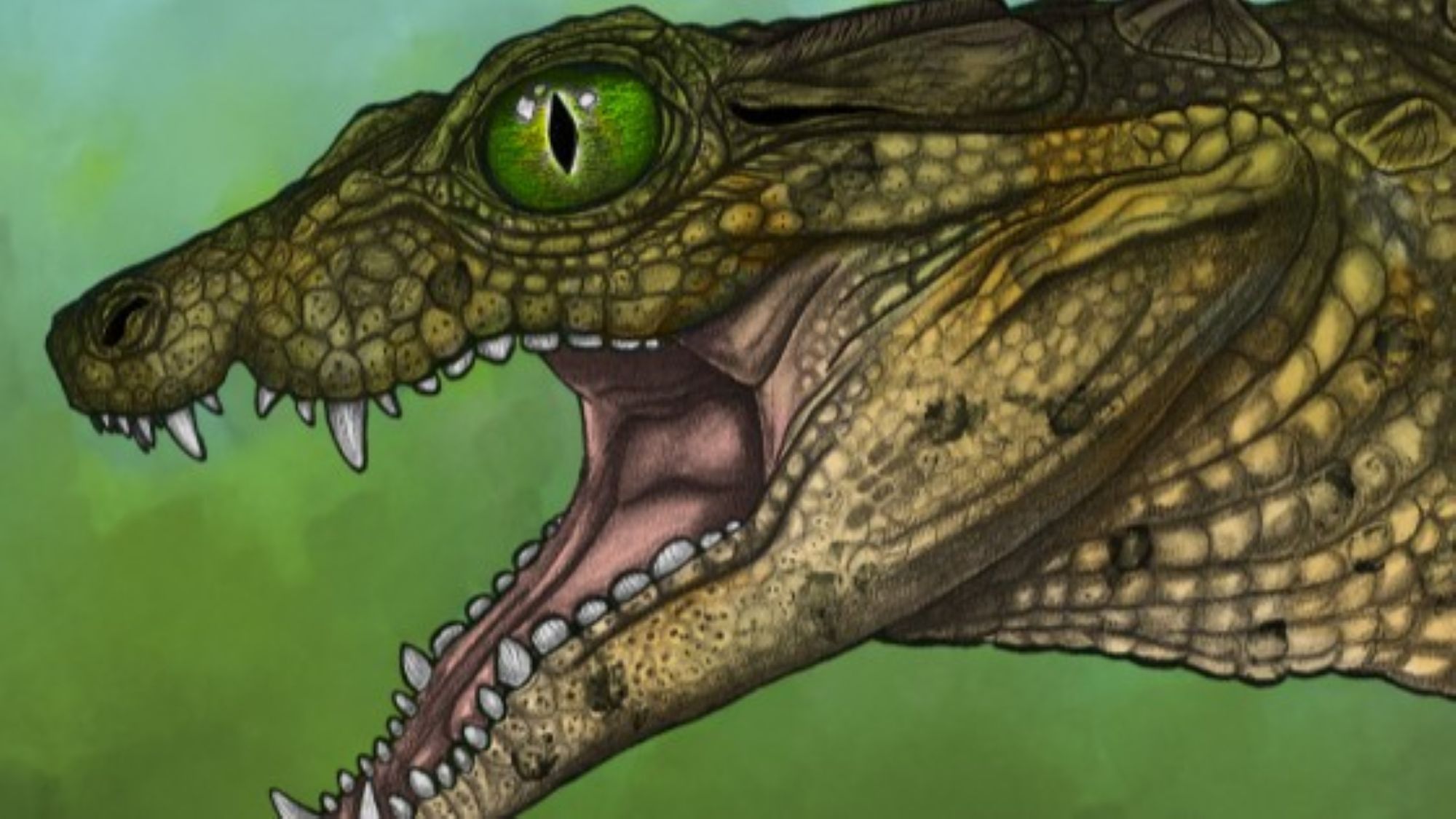
Scientists discovered a 95-million-year-old tiny skull of a previously unknown crocodile-like creature named Elton in Montana, revealing a new extinct family of small crocodyliforms with unique teeth and behaviors, providing insights into ancient ecosystems and convergent evolution.

Archaeologists Uncover First Dinosaur Egg Using 'Unprecedented' Technique

Originally Published 3 months ago — by yahoo.com

Featured image for Archaeologists Uncover First Dinosaur Egg Using 'Unprecedented' Technique
Source: yahoo.com

Archaeologists in China used a novel 'atomic clock' technique called in-situ carbonate uranium-lead dating to determine the age of dinosaur eggs at approximately 86 million years, providing new insights into dinosaur evolution, extinction, and Earth's climate history during the Late Cretaceous period.

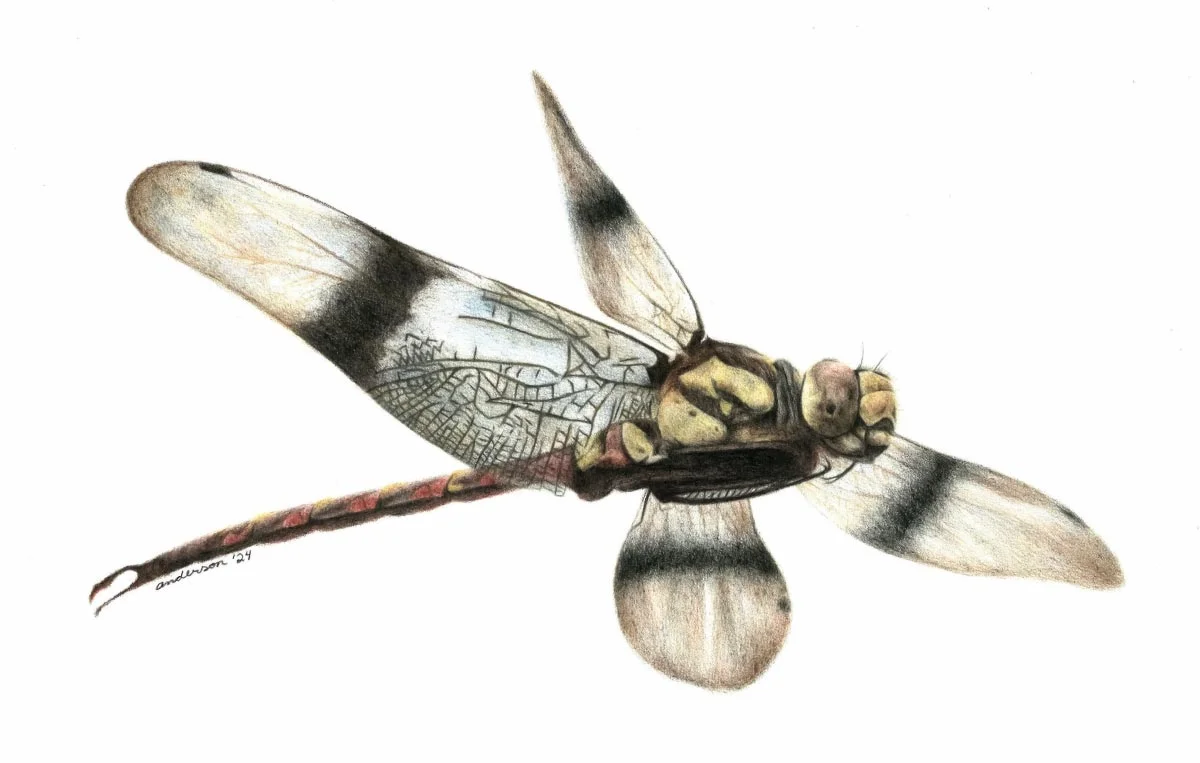
Canada's First Dinosaur-Era Dragonfly Fossil Discovered

Originally Published 4 months ago — by SciTechDaily

Featured image for Canada's First Dinosaur-Era Dragonfly Fossil Discovered
Source: SciTechDaily

A new species of dragonfly fossil, the first ever found in Canada from the dinosaur era, was discovered in Alberta's Dinosaur Provincial Park, filling a 30-million-year gap in dragonfly evolution and providing new insights into prehistoric insect diversity and ecosystem dynamics.

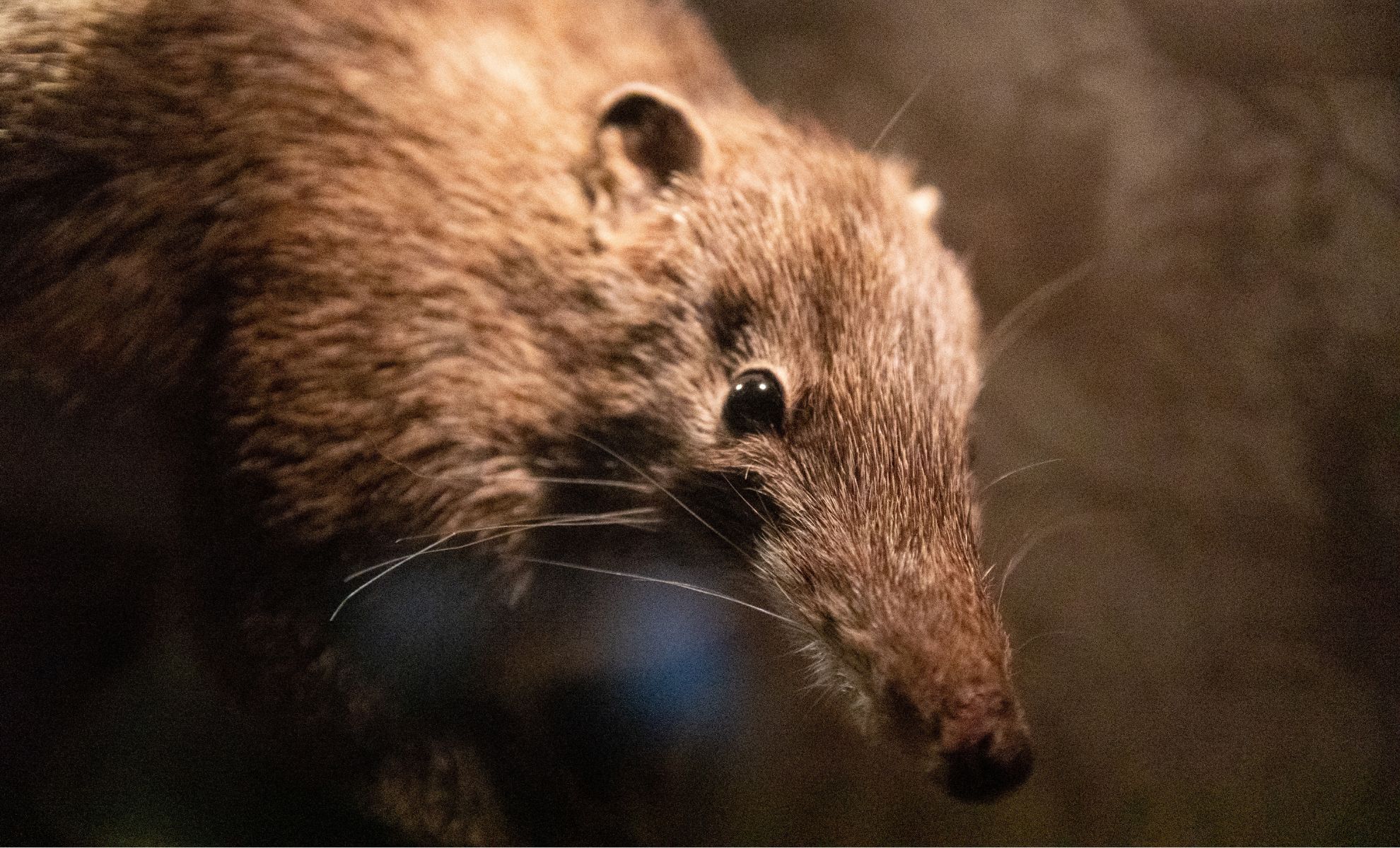
Ancient Egg-Laying Mammal Preyed on Dinosaurs in Late Cretaceous

Originally Published 5 months ago — by The Daily Galaxy

Featured image for Ancient Egg-Laying Mammal Preyed on Dinosaurs in Late Cretaceous
Source: The Daily Galaxy

Scientists in Chile discovered a 74-million-year-old small mammal, Yeutherium pressor, that lived alongside dinosaurs, showcasing a unique mix of reproductive traits and highlighting the diverse ecosystem of late Cretaceous Patagonia. The find provides new insights into mammalian evolution and the ecological dynamics of that era.

Ancient 95-Million-Year-Old Plant-Eater Dinosaur Discovered

Originally Published 5 months ago — by The Daily Galaxy

Featured image for Ancient 95-Million-Year-Old Plant-Eater Dinosaur Discovered
Source: The Daily Galaxy

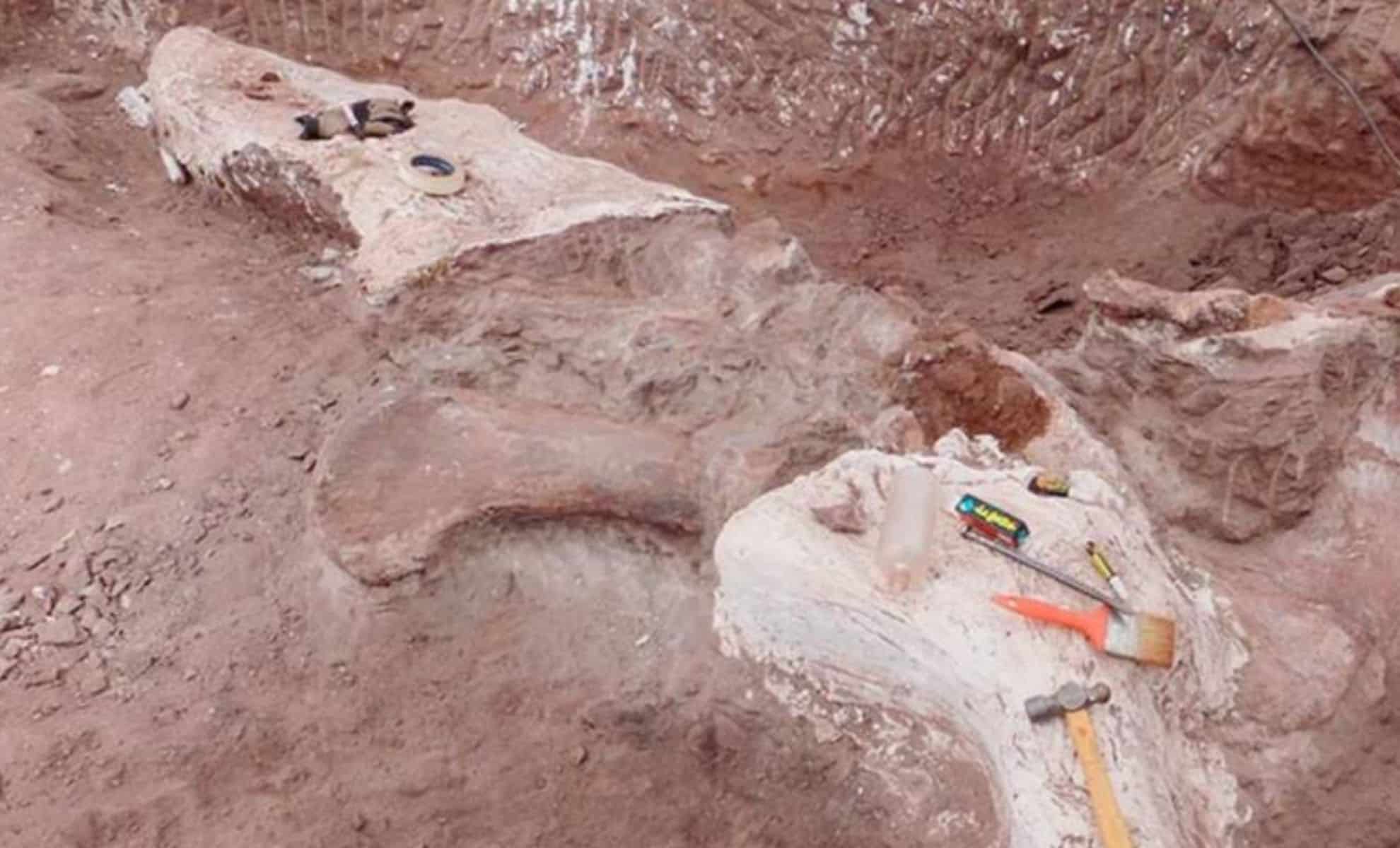
Researchers in Argentina have discovered a new 95-million-year-old plant-eating dinosaur, Astigmasaura genuflexa, providing valuable insights into the anatomy and diversity of the Rebbachisauridae family during the late Cretaceous period, with the fossil representing the first hindquarters of a rebbachisaurid ever found.

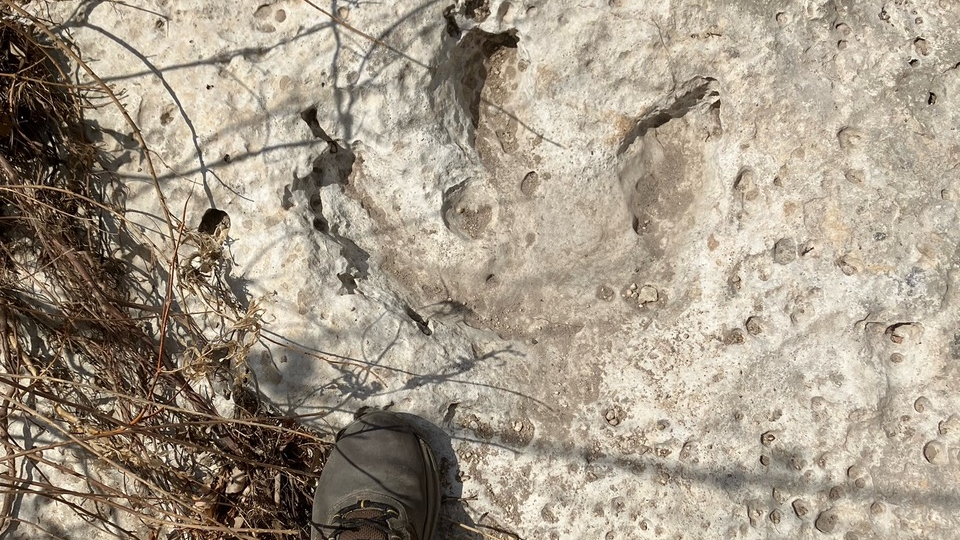
Flooding in Texas Uncovers 115-Million-Year-Old Dinosaur Footprints

Originally Published 5 months ago — by Indian Defence Review

Featured image for Flooding in Texas Uncovers 115-Million-Year-Old Dinosaur Footprints
Source: Indian Defence Review

Floodwaters in Texas revealed 115-million-year-old dinosaur footprints, providing new insights into prehistoric life and highlighting the role of natural events in uncovering fossils. The tracks, found in Travis County, include both carnivorous and herbivorous dinosaur prints, and are being studied with advanced imaging techniques to better understand the region's ancient ecosystem.