Tag

Sustainable Materials

All articles tagged with #sustainable materials

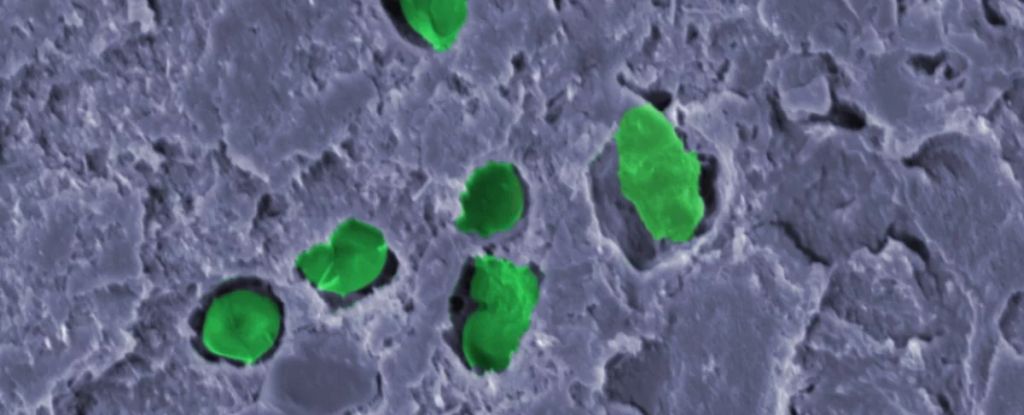
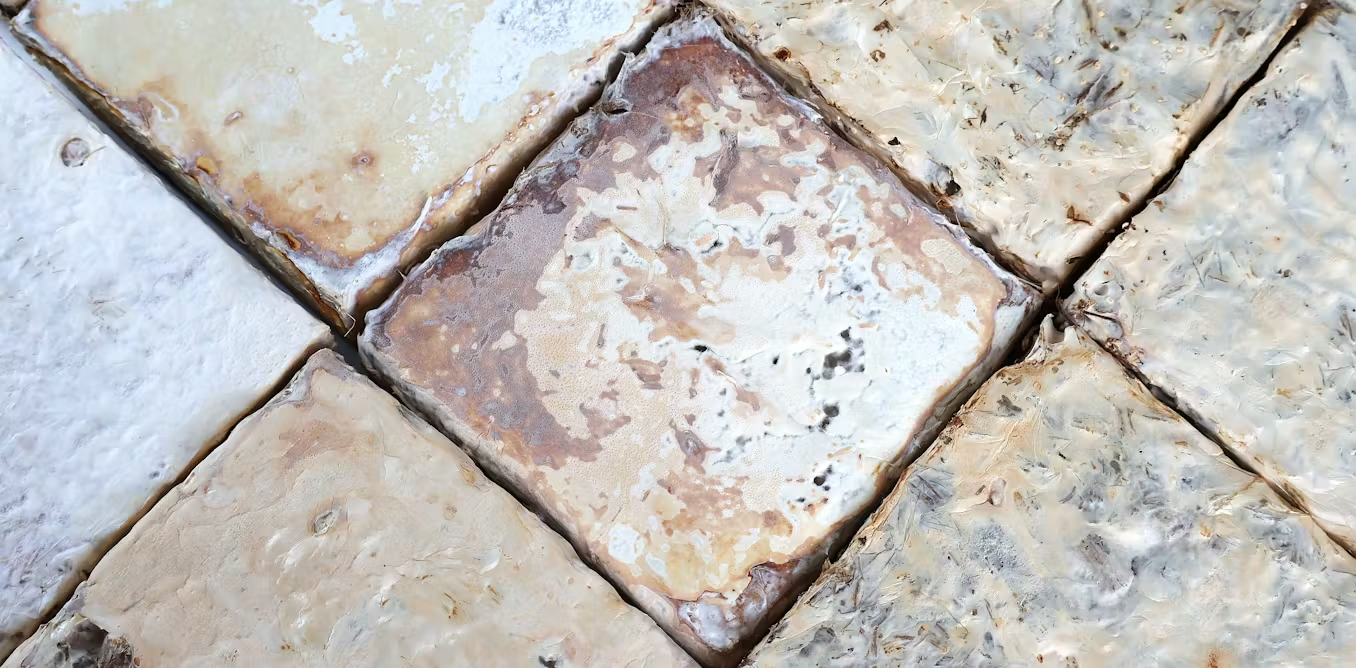
Fungi and Mycelium: The Future of Sustainable Construction and Climate Solutions

Originally Published 27 days ago — by The Conversation

Featured image for Fungi and Mycelium: The Future of Sustainable Construction and Climate Solutions
Source: The Conversation

Mycelium, the underground network of fungi, shows promise as a sustainable, biodegradable material for construction and packaging, with ongoing research focused on improving its durability and strength for real-world applications, potentially revolutionizing eco-friendly building practices.

Innovative Gel Promises to Repair and Prevent Tooth Enamel Damage

Originally Published 2 months ago — by SciTechDaily

Featured image for Innovative Gel Promises to Repair and Prevent Tooth Enamel Damage
Source: SciTechDaily

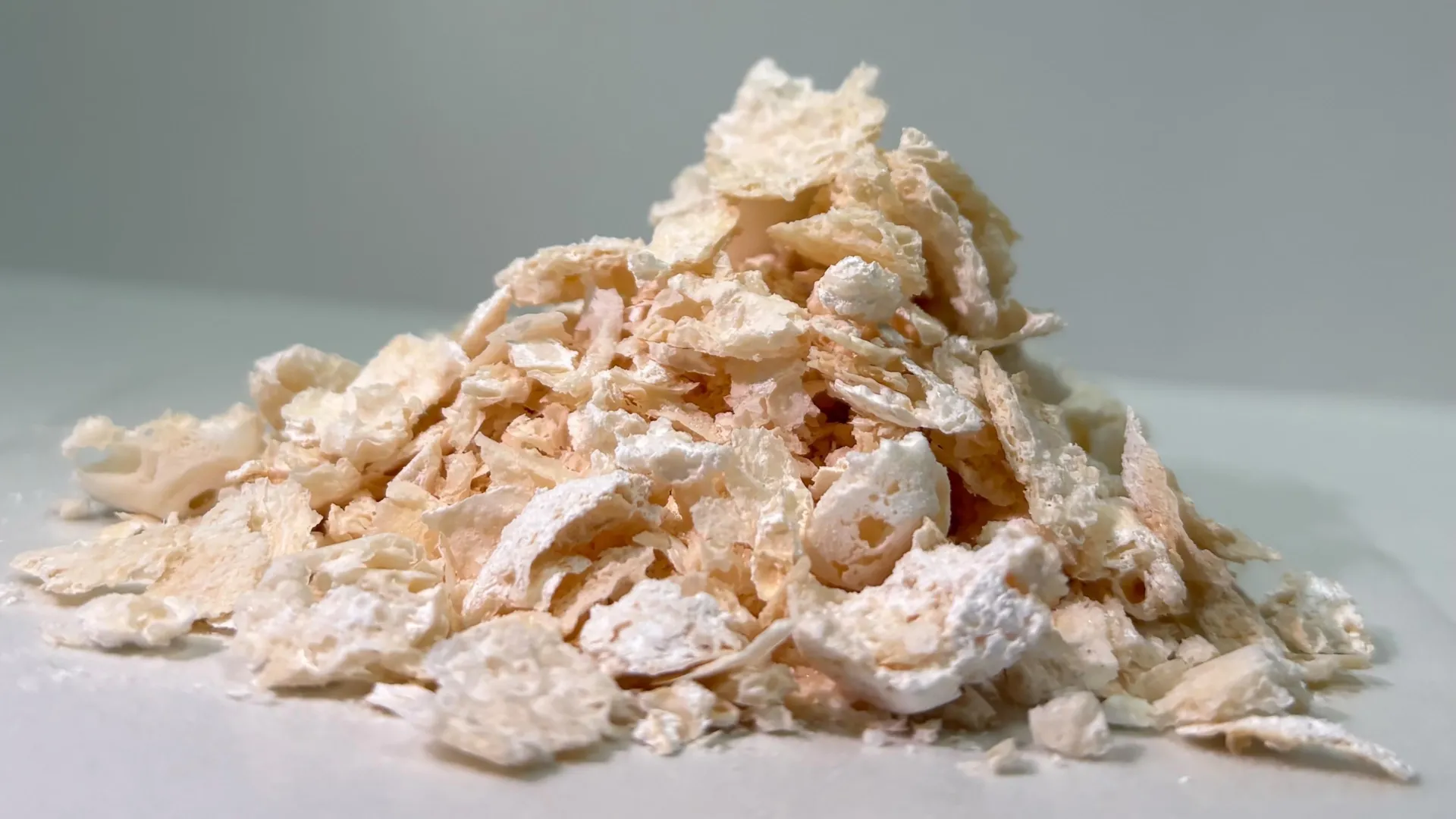
Researchers from King's College London have developed a keratin-based toothpaste derived from human hair that can naturally rebuild and protect tooth enamel, offering a sustainable and effective alternative to traditional dental treatments, with potential availability within two to three years.

Scientists Develop Ultra-Strong, Biodegradable Plastic Outperforming PET

Originally Published 4 months ago — by ScienceDaily

Featured image for Scientists Develop Ultra-Strong, Biodegradable Plastic Outperforming PET
Source: ScienceDaily

Scientists at Kobe University have engineered bacteria to produce a biodegradable plastic called PDCA, which is stronger than PET and has potential for sustainable manufacturing, overcoming previous production challenges through innovative metabolic engineering.

Innovative Air-Captured CO₂ Turns into Eco-Friendly Cement

Originally Published 7 months ago — by Tech Xplore

Featured image for Innovative Air-Captured CO₂ Turns into Eco-Friendly Cement
Source: Tech Xplore

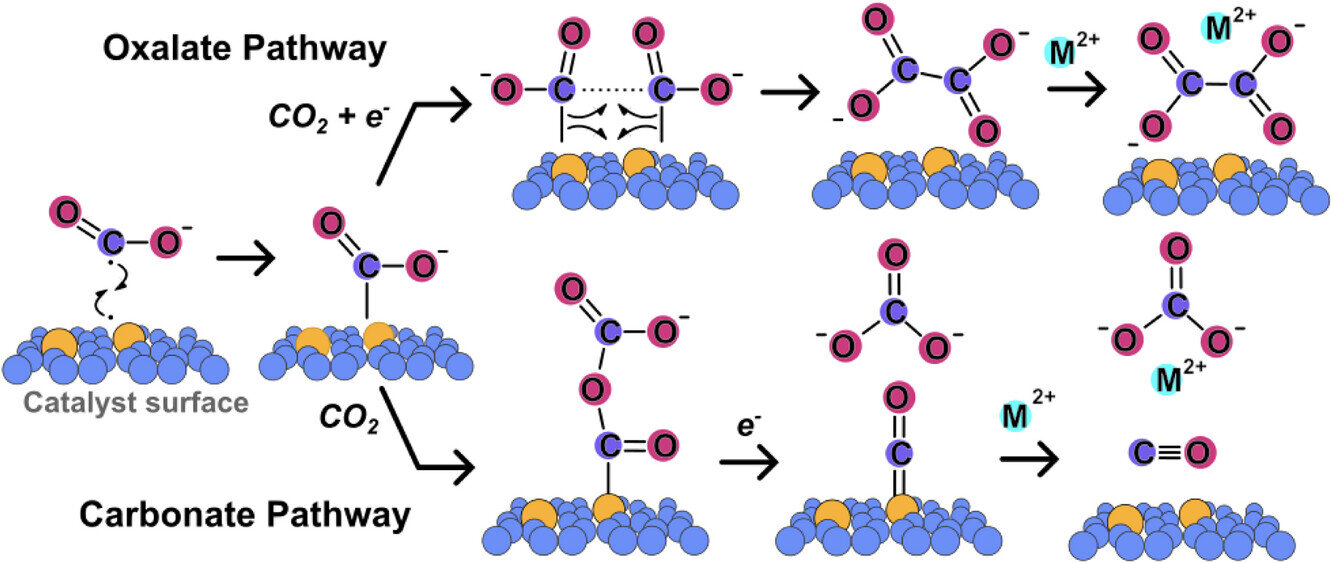
Researchers from Michigan, UC Davis, and UCLA have developed a method to convert CO2 into metal oxalates using trace lead catalysts in nonaqueous solutions, which can be used as precursors for eco-friendly cement, offering a scalable and valuable way to repurpose carbon emissions.

New Sustainable Material Poised to Revolutionize Medical Devices

Originally Published 1 year ago — by SciTechDaily

Featured image for New Sustainable Material Poised to Revolutionize Medical Devices
Source: SciTechDaily

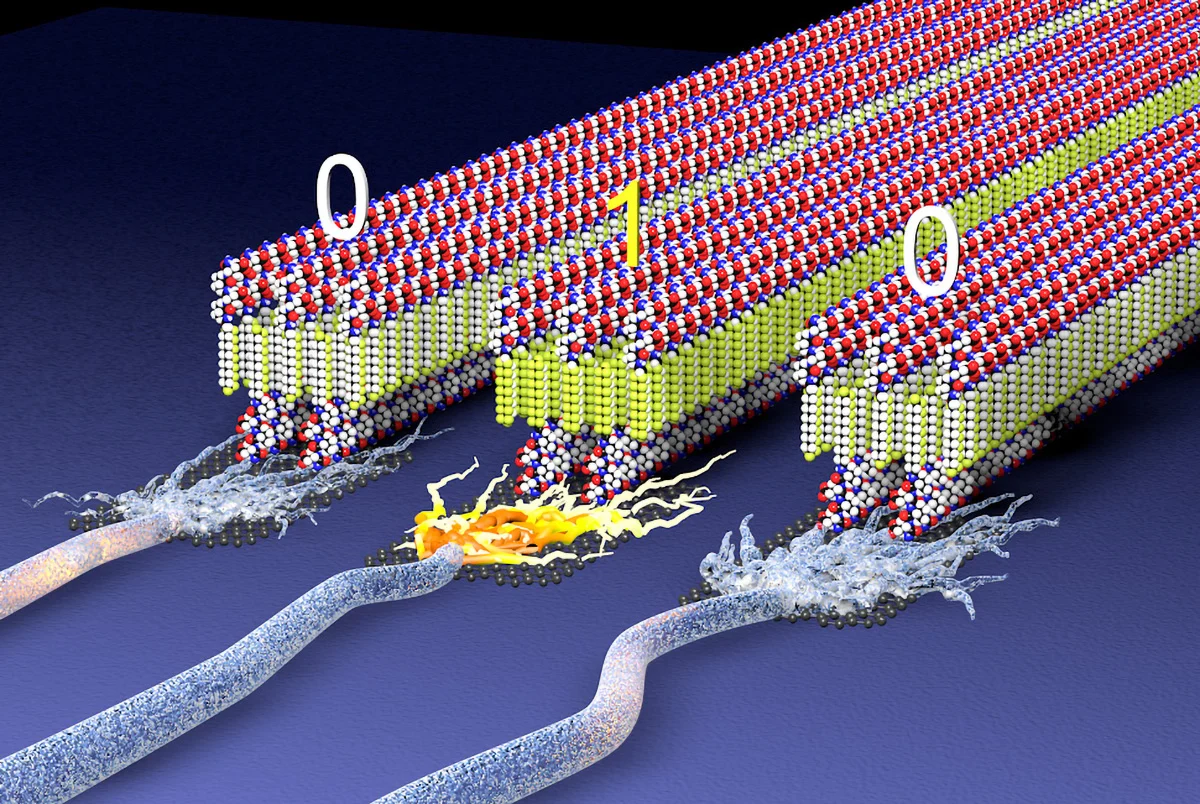
Northwestern University researchers have developed a new soft, sustainable electroactive material using peptides and plastic molecules, which could revolutionize medical devices, wearable technology, and human-computer interfaces. These materials, made from nano-sized ribbons, are energy-efficient, biocompatible, and biodegradable, offering potential for low-power electronics and smart fabrics. The study, published in Nature, highlights the material's ability to store energy and digital information, with applications in biomedical devices and renewable energy processes.

"Self-Dyeing Vegan Leather Grown from Engineered Bacteria"

Originally Published 1 year ago — by Phys.org

Featured image for "Self-Dyeing Vegan Leather Grown from Engineered Bacteria"
Source: Phys.org

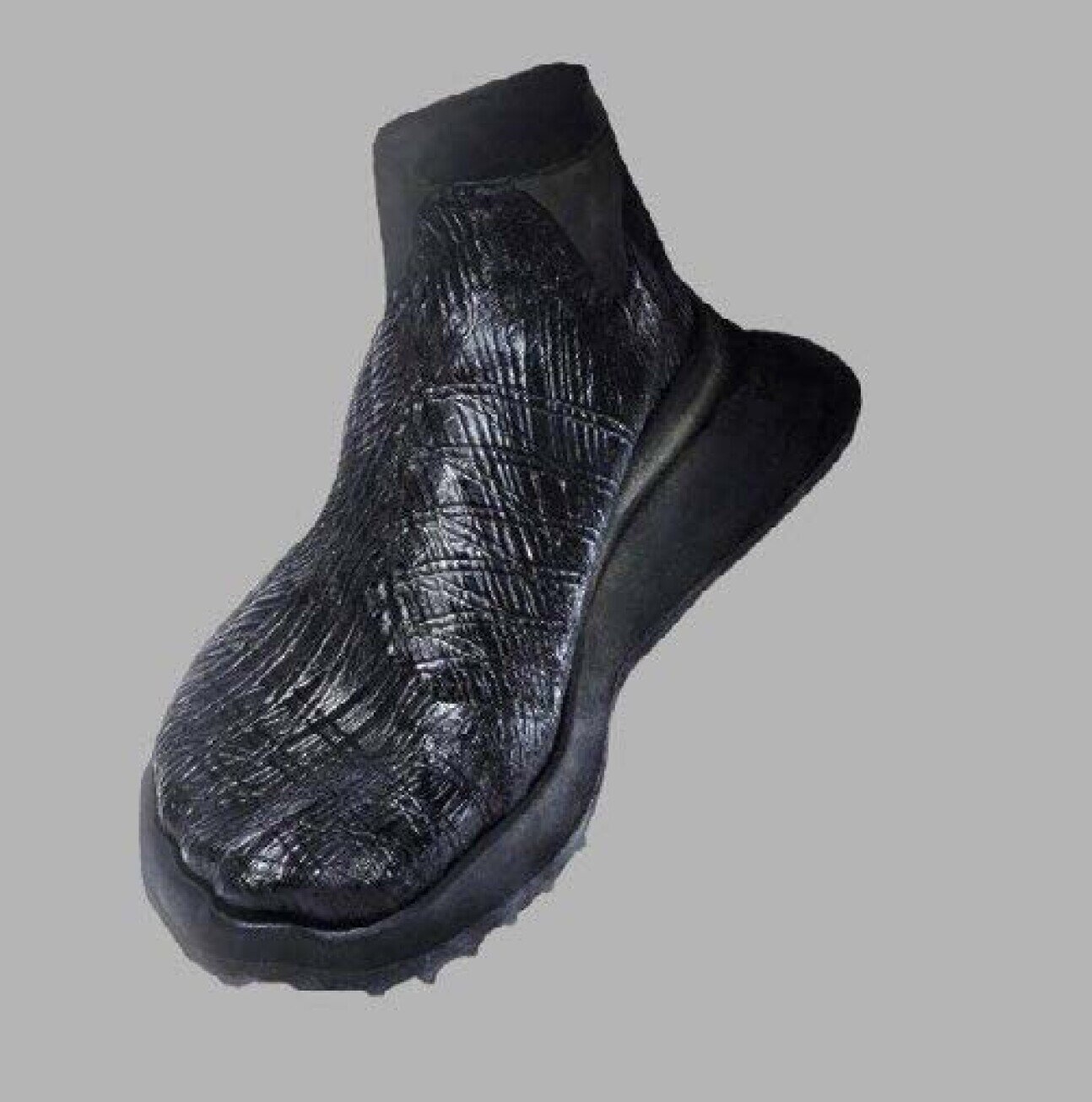
Scientists at Imperial College London have developed a plastic-free, vegan leather alternative grown from bacteria that dyes itself, addressing the environmental impact of synthetic chemical dyeing in the fashion industry. By genetically engineering bacteria to produce a material and its own pigment simultaneously, the researchers have created prototypes of shoes and wallets, demonstrating the potential for more sustainable alternatives to traditional textiles. This innovative process could lead to the production of vibrant colors and patterns, offering a greener approach to fashion production.

"Turning Agricultural Waste into Sustainable Plant-Based Plastics"

Originally Published 1 year ago — by SciTechDaily

Featured image for "Turning Agricultural Waste into Sustainable Plant-Based Plastics"
Source: SciTechDaily

Scientists at Hokkaido University have developed a method to create recyclable and stable polymers from plant cellulose, offering a sustainable alternative to traditional plastics. By using commercially available molecules derived from cellulose, the researchers were able to produce a variety of polymers that can be fully recycled. This breakthrough opens up new possibilities for the production of environmentally friendly materials and could lead to the development of high-performance materials for optical, electronic, and biomedical applications.

"Tea Leaves: The Next Mainstream, Affordable Battery Material"

Originally Published 1 year ago — by The Cool Down

Featured image for "Tea Leaves: The Next Mainstream, Affordable Battery Material"
Source: The Cool Down

Researchers at Harvard University have developed a breakthrough in sodium-ion battery technology using tea leaf waste to create an affordable and sustainable battery anode, potentially providing a solution for grid-level energy storage. The new anode, named TS-1400-HCl, showed significant improvements over existing carbon anodes, with greater capacity, efficiency, and longevity. This biomass approach has the potential to offer real sustainability and positive environmental impact as a mainstream, affordable battery material, with the battery estimated to cost about $5-7 per kilogram.

"Accidental Discovery Unveils Stronger, Cheaper Material with Dizzying Potential"

Originally Published 1 year ago — by Yahoo! Voices

Featured image for "Accidental Discovery Unveils Stronger, Cheaper Material with Dizzying Potential"
Source: Yahoo! Voices

A material called Ferrock, initially developed as a cement substitute using waste steel dust and silica from pulverized glass, has shown to be stronger and more eco-friendly than concrete, with 95% of its materials being recycled. It has the potential to revolutionize building and infrastructure, offering increased strength and reduced pollution by pulling carbon dioxide from the air during the hardening process. Researchers are exploring various sustainable building materials, and while small-scale projects are currently more feasible due to the need for a reliable source of waste steel, further research into Ferrock and similar alternatives is encouraged for a greener future.

Harnessing Mussel Adhesive Technology to Tackle Invasive Species and Enhance Implant Bonding

Originally Published 2 years ago — by Phys.org

Featured image for Harnessing Mussel Adhesive Technology to Tackle Invasive Species and Enhance Implant Bonding
Source: Phys.org

A recent study has uncovered new insights into the attachment fibers of zebra mussels, a damaging invasive species. Researchers discovered that a genetic transfer event over 12 million years ago endowed the mussels with the ability to produce these fibers, contributing to their global expansion. Understanding the attachment mechanisms of these mussels could lead to improved strategies against biofouling, which causes millions in damages. Additionally, the study suggests that the mussel fibers could inspire the development of sustainable materials, potentially revolutionizing the textile and technical plastics industry.

"Birch Leaves: A Sustainable Source for Organic Semiconductors through Pressure-Cooking"

Originally Published 2 years ago — by Phys.org

Featured image for "Birch Leaves: A Sustainable Source for Organic Semiconductors through Pressure-Cooking"
Source: Phys.org

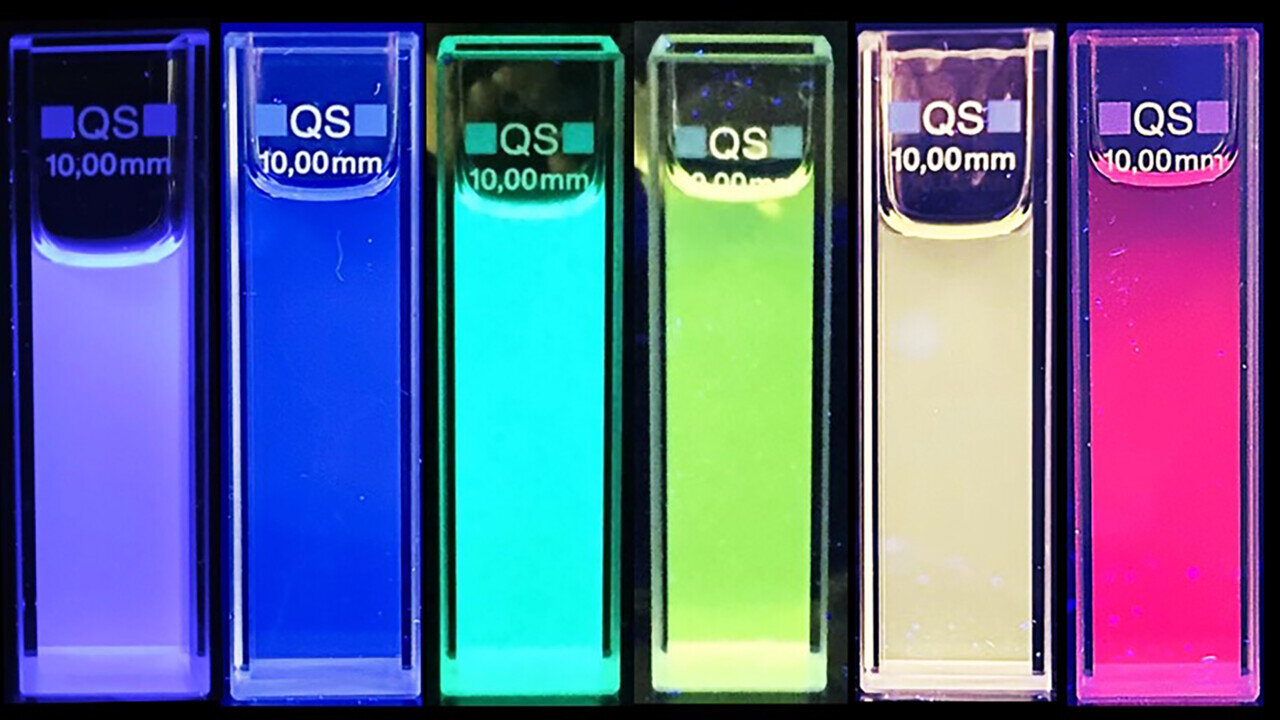
Physicists at Umeå University, in collaboration with researchers in Denmark and China, have discovered a sustainable alternative to producing organic semiconductors for optoelectronics. By pressure-cooking birch leaves, they have produced nanosized carbon particles with desired optical properties. These "carbon dots" emit a narrow-band, deep red light and have comparable properties to commercial quantum dots used in semiconductor materials, but without heavy metals or critical raw materials. The researchers demonstrated the potential of these carbon dots in light-emitting electrochemical cell devices, showing comparable brightness to a computer screen. This method of utilizing biomass as a raw material for organic semiconductors offers a more sustainable approach to meet the increasing demand for optoelectronic technologies.

"Japanese Scientists Propose Wooden Satellite for Space Exploration"

Originally Published 2 years ago — by CNN

Featured image for "Japanese Scientists Propose Wooden Satellite for Space Exploration"
Source: CNN

Japanese scientists from Kyoto University, in collaboration with JAXA and NASA, are working on sending a wooden satellite called LingoSat into space. The researchers have been exploring the use of biological materials in space to reduce the environmental impact of metallic particles from traditional satellites. Wood is a compelling choice for space structures as it burns up upon re-entry into the atmosphere, unlike metals that become fine particles. The team has conducted tests on wood samples in space and found them to be resilient. The LingoSat, made from magnolia wood, is expected to launch in 2024 and will be monitored for at least six months to assess its performance in space conditions. The researchers hope that this project will demonstrate the potential of using lower-impact materials in space development.

Revolutionary 'Green Living Paint' Generates Oxygen and Traps CO2 on Mars

Originally Published 2 years ago — by ScienceAlert

Featured image for Revolutionary 'Green Living Paint' Generates Oxygen and Traps CO2 on Mars
Source: ScienceAlert

Scientists have developed a biocoating, called Green Living Paint, that incorporates desert-dwelling bacteria, Chroococcidiopsis cubana, capable of emitting measurable amounts of oxygen while reducing carbon dioxide levels. The bacteria, known for its ability to survive in extreme environments, could potentially be used to supplement the air in a habitat on Mars. The biocoating, made with a mixture of latex and nanoclay particles, demonstrated consistent oxygen release and CO2 absorption over a 30-day period. While the current oxygen output is not sufficient for a Mars habitat, it could help reduce the amount of oxygen needed to be transported on spacecraft for future missions.

Ancient Wooden Structure Challenges Underestimation of Our Ancestors

Originally Published 2 years ago — by Phys.org

Featured image for Ancient Wooden Structure Challenges Underestimation of Our Ancestors
Source: Phys.org

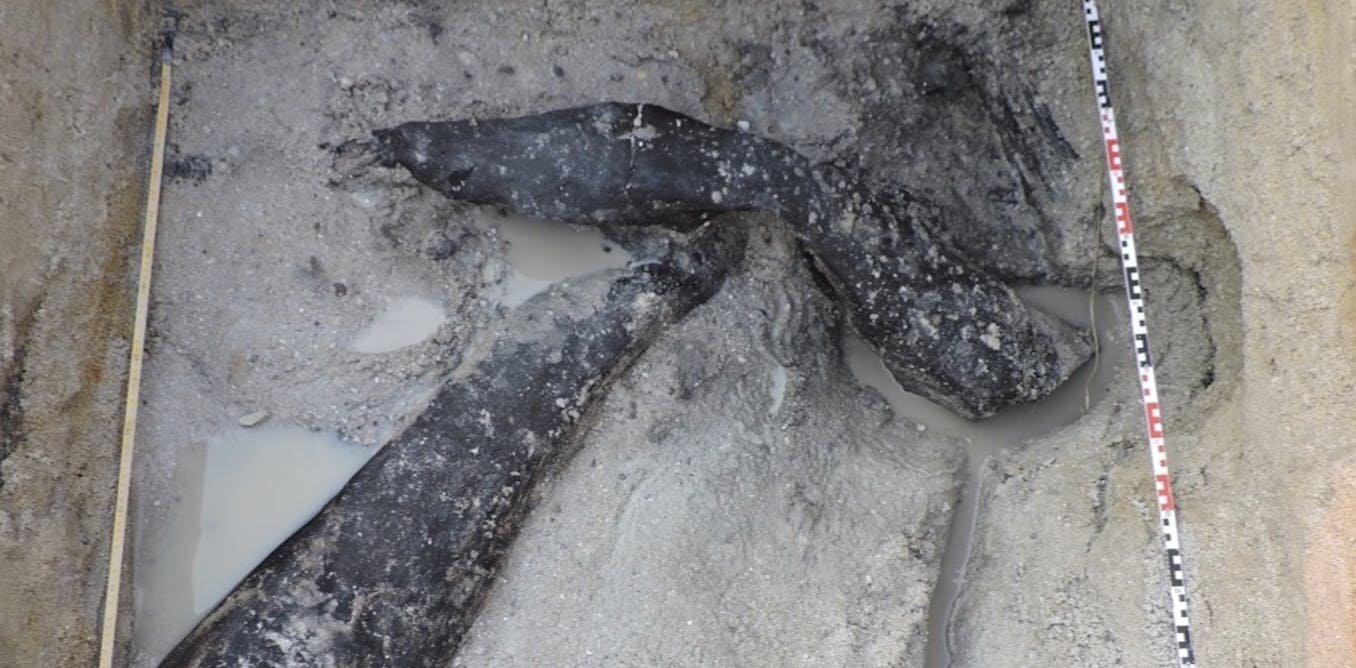
The discovery of a wooden structure dating back 476,000 years challenges the notion that our ancient relatives were less sophisticated than modern humans. Excavated from Kalambo Falls, Zambia, the well-preserved evidence includes wooden tools and a sophisticated wooden structure, highlighting the early hominins' ability to source and shape wood. This finding has significant implications for our understanding of sustainable materials and the capabilities of early hominins during the Early Stone Age. It also challenges the linear view of progress and highlights the potential benefits of using perishable materials like wood for construction.