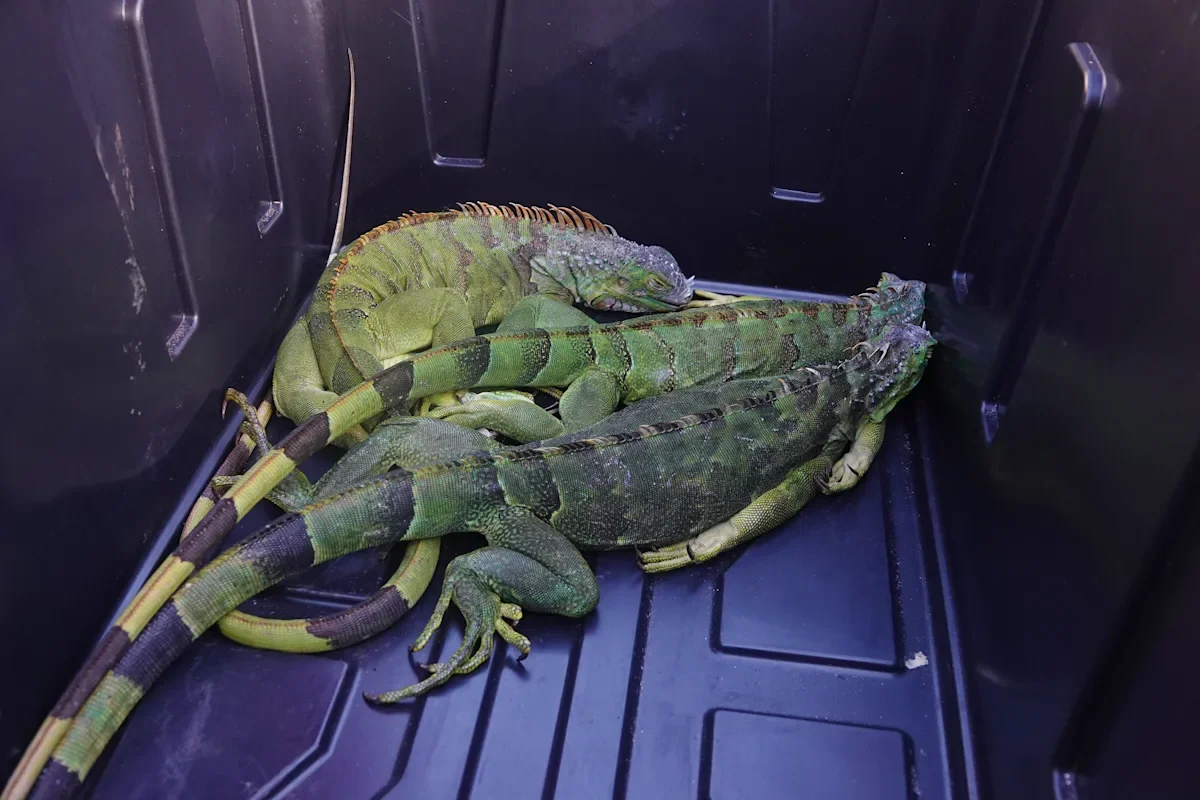
A dangerous invasive beetle, the goldspotted oak borer, has reached Ventura County, California, threatening local oak ecosystems with significant tree mortality. The beetle, native to Arizona, spreads mainly through firewood and has already killed around 200,000 oak trees in the state. Efforts are underway to contain its spread through tree removal, insecticides, and public education, but eradication remains unlikely.
Cypriot fishermen are battling invasive lionfish, which threaten local fish stocks and livelihoods, but are turning them into a delicacy to combat the problem, supported by EU campaigns promoting their consumption as a sustainable solution amidst climate change-driven warming of the Mediterranean.
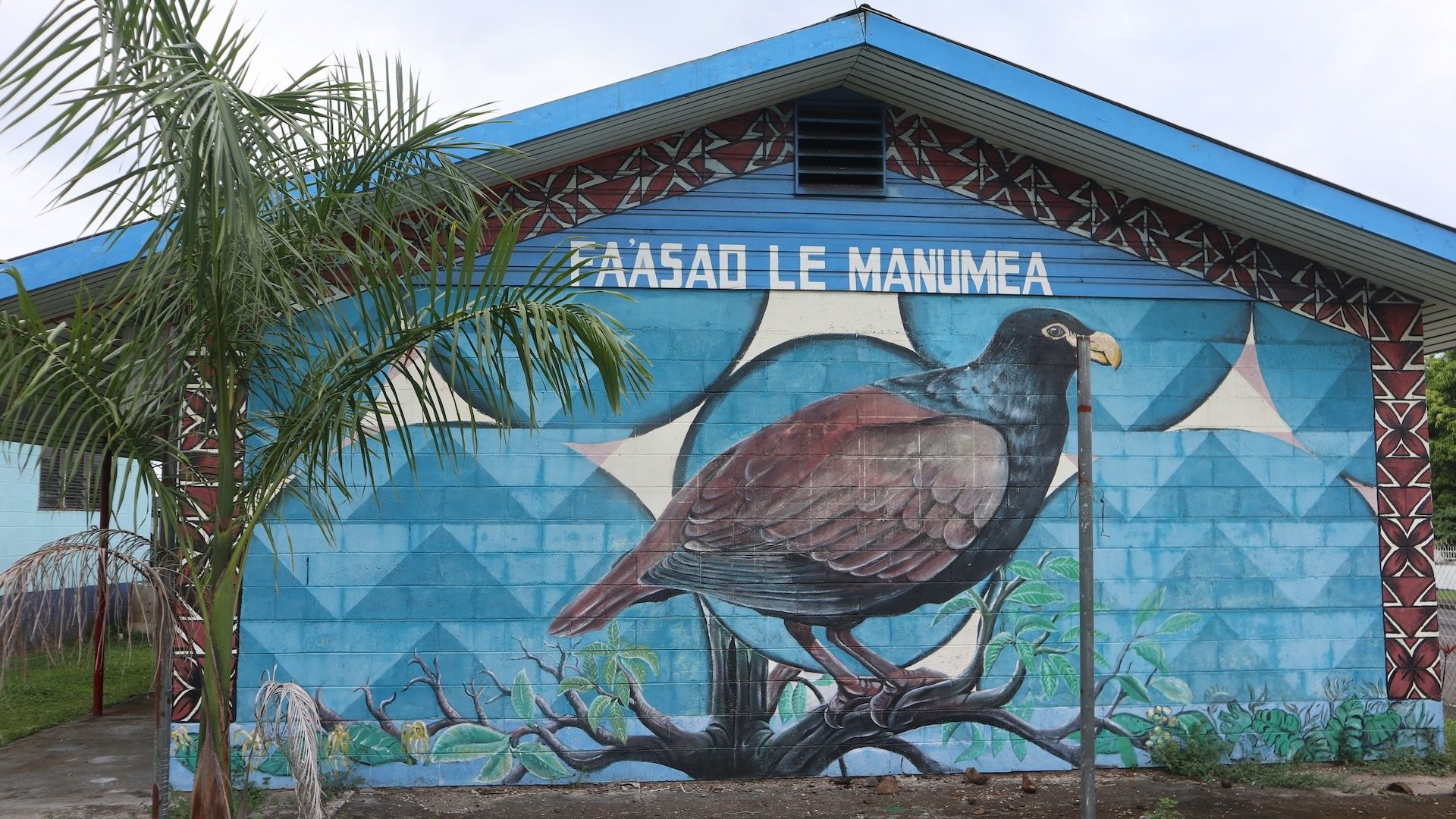
A rare sighting of the critically endangered manumea, a dodo relative, in Samoa offers hope for its survival, with conservation efforts focusing on habitat protection, invasive species control, and potential breeding programs, amid threats from feral cats and rats.
Perth has been placed under a city-wide quarantine due to the spread of the polyphagous shot-hole borer beetle, which threatens the local tree canopy and ecosystem. The shift from eradication to containment aims to prevent further spread, with efforts focused on pruning, removals, and community involvement, amid concerns from experts about the risk to broader regions and biodiversity.
Quagga mussels have rapidly invaded Lake Geneva, causing irreversible ecological and infrastructural damage, including blocking cooling systems vital for research and industry, and drastically altering the lake's ecosystem, with experts warning that the lake will never return to its original state.
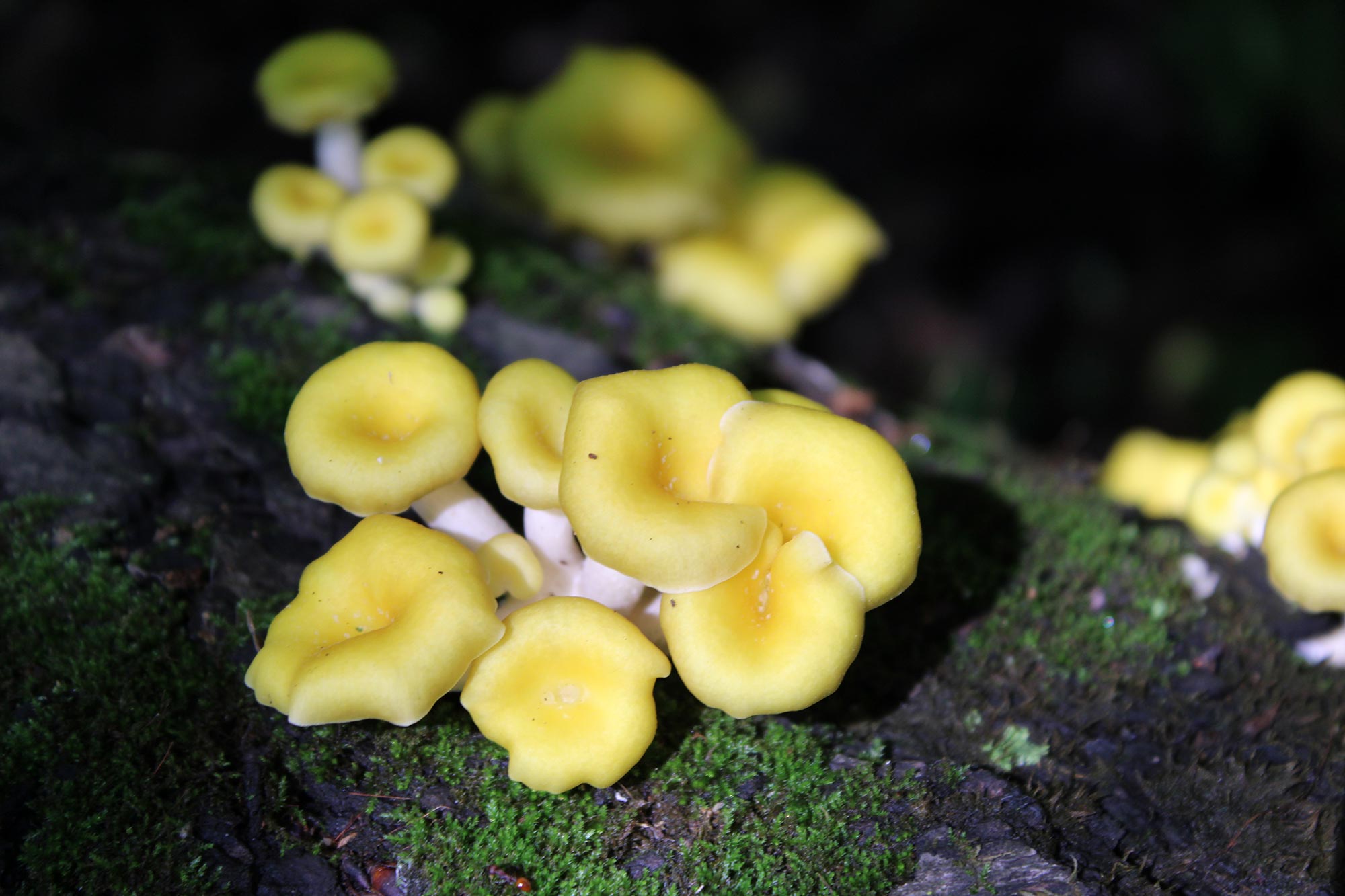
The golden oyster mushroom, a popular edible fungus, is spreading beyond cultivation into forests across North America, disrupting native fungal communities and potentially affecting ecosystem processes like wood decomposition and carbon cycling, raising concerns about ecological impacts and the importance of monitoring microbial invasions.
An American school director and his son were killed by a swarm of murder hornets while ziplining in Laos, marking a rare and tragic incident involving these invasive insects.
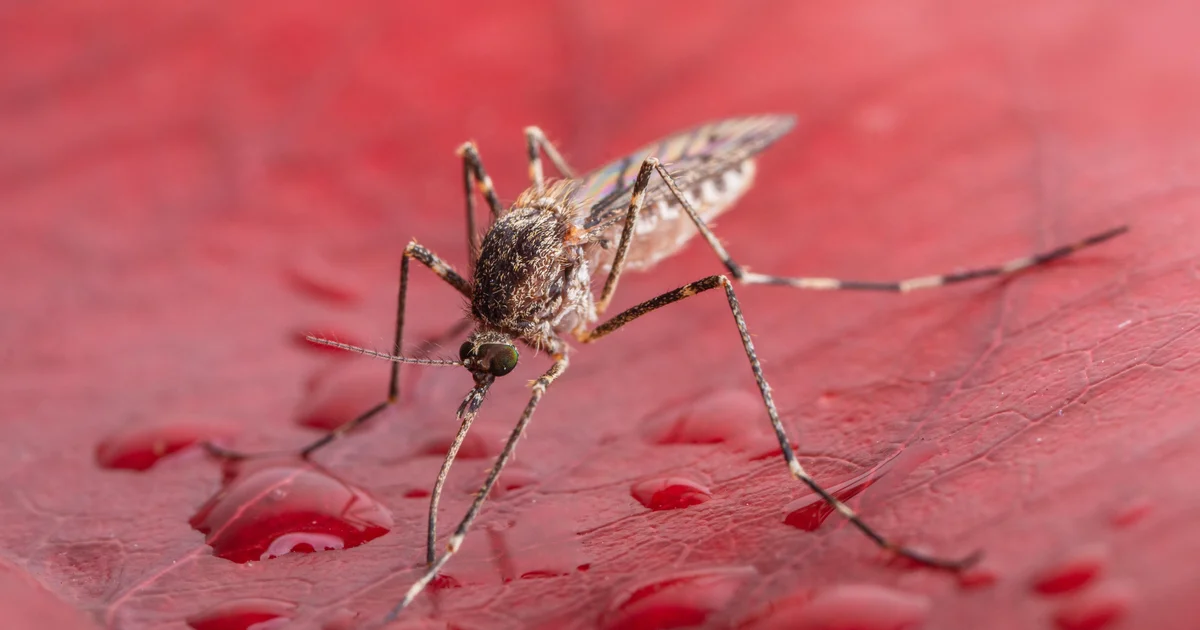
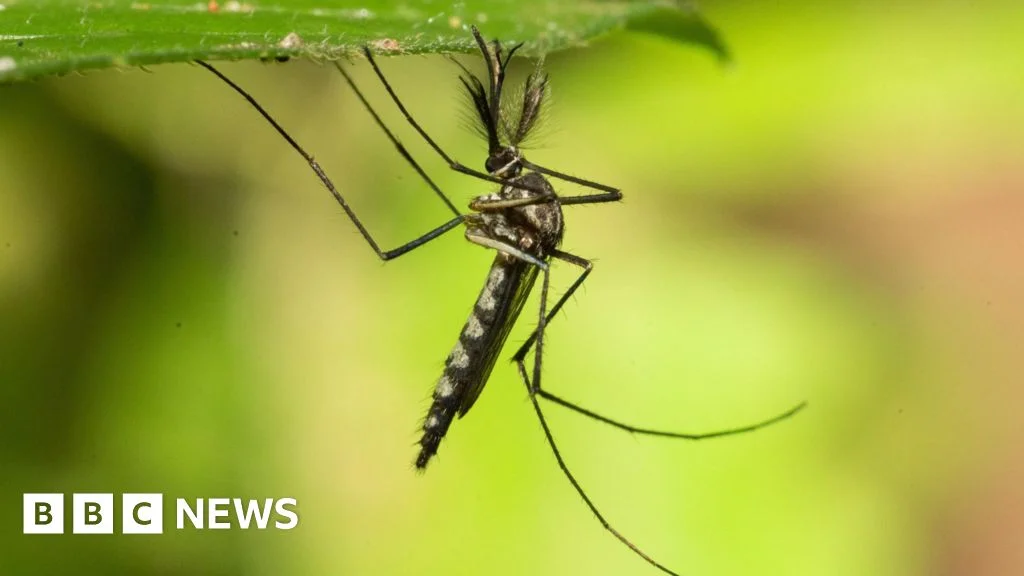
Invasive Aedes aegypti mosquitoes, known for transmitting diseases like dengue and Zika, are spreading in Northern California, including the San Francisco Bay Area, raising public health concerns and urging residents to eliminate standing water to control their spread.
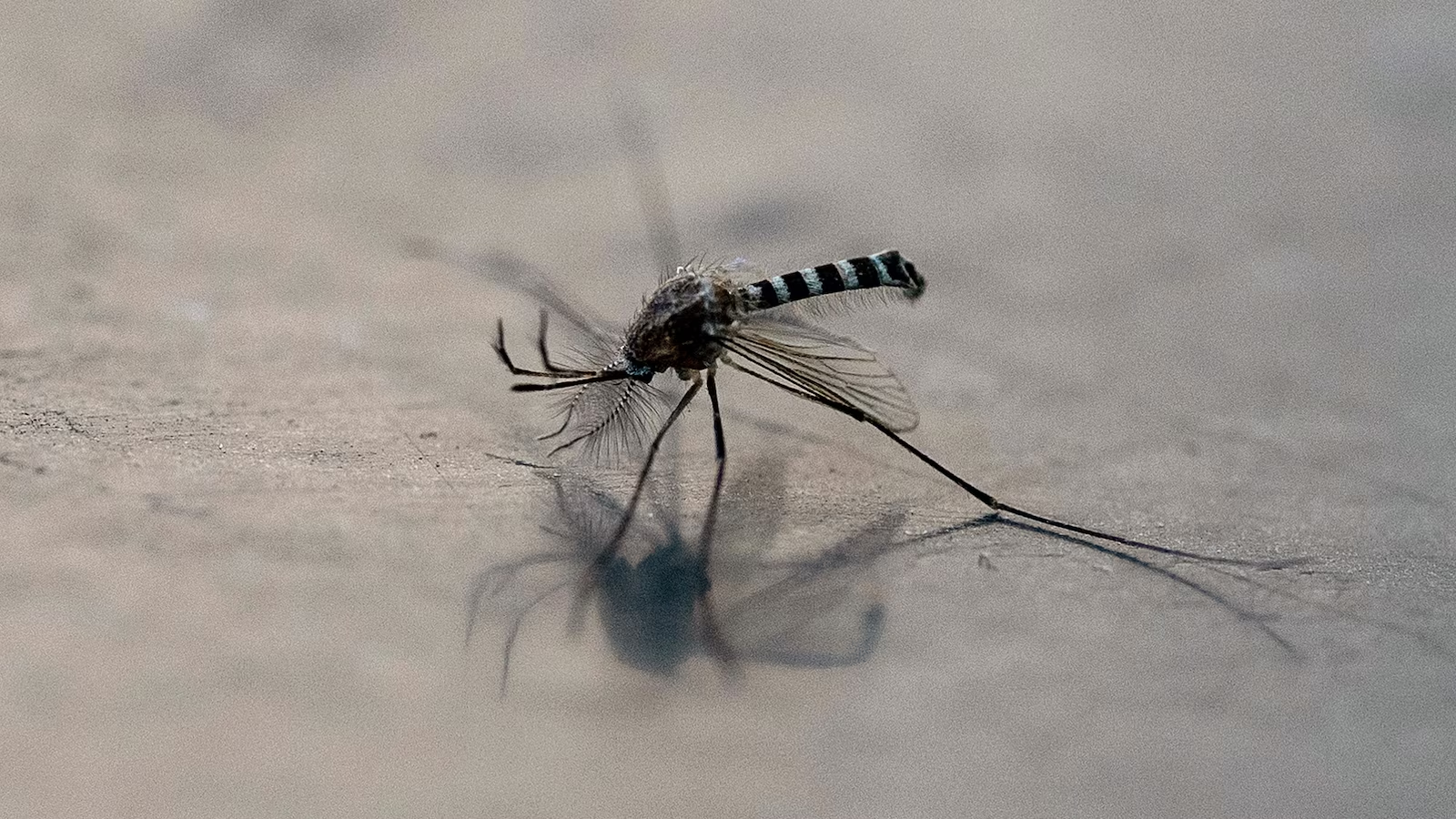
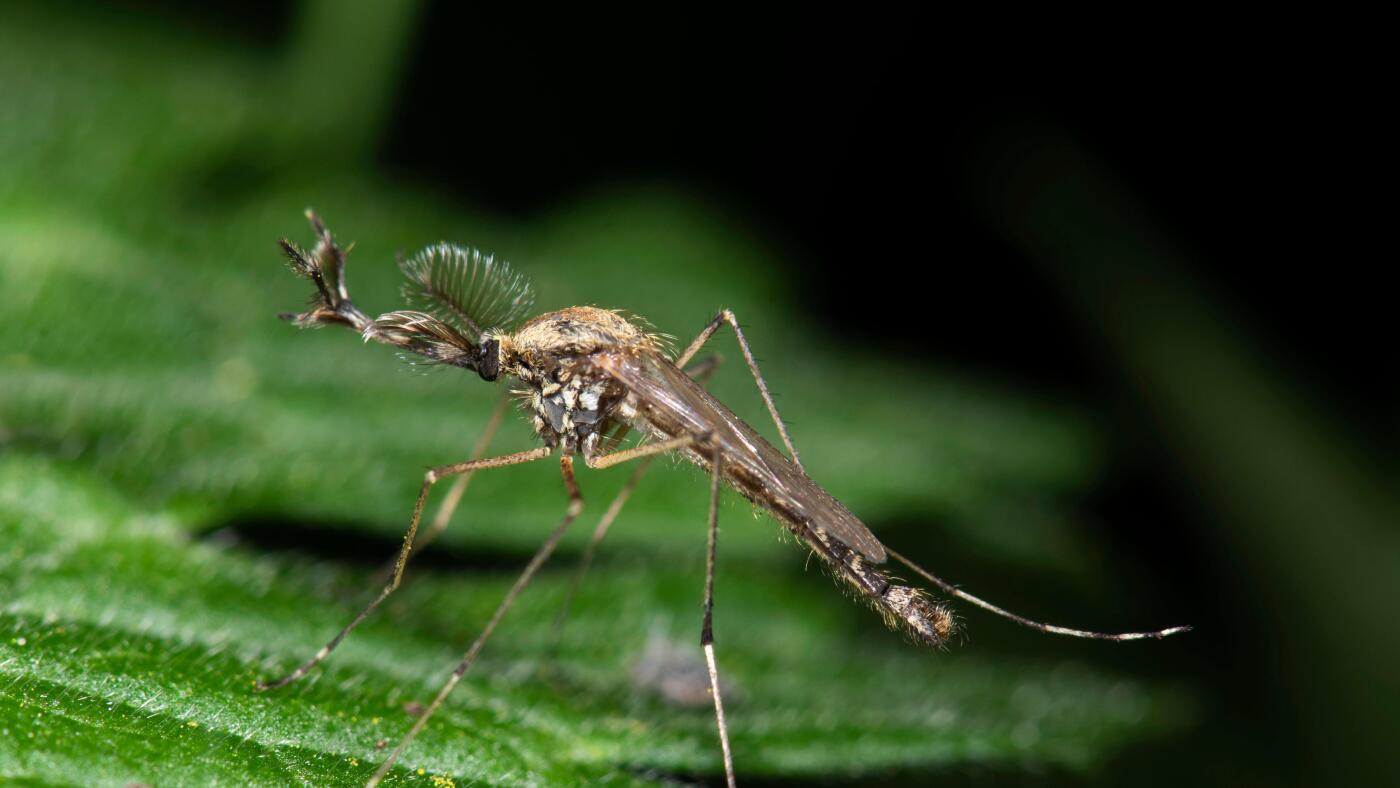
Iceland has recorded its first-ever presence of mosquitoes, likely arriving via freight and surviving due to rising temperatures caused by climate change, marking a significant ecological shift in the Nordic country.
Mosquitoes have been spotted in Iceland for the first time, likely indicating a recent introduction possibly via ships or containers, despite the country's long-standing mosquito-free status. The discovery raises concerns about climate change and environmental adaptation, although the species found appears well-suited to colder climates. More monitoring is needed to assess their spread.
Mosquitoes have been discovered in Iceland for the first time, likely due to record-breaking heat this spring, raising concerns about climate change and ecosystem impacts.
Mosquitoes have been detected in Iceland for the first time due to rising temperatures from climate change, highlighting the expanding range of disease-carrying insects and potential public health risks. The species found is cold-tolerant and typically inhabits regions across Europe and Asia, with warming conditions enabling their migration to previously inhospitable areas like Iceland.
Mosquitoes have been found in Iceland for the first time, likely due to the country's rapid warming caused by climate change, which is making it more hospitable for insects and potentially invasive species that can spread tropical diseases.
Three mosquitoes of the species Culiseta annulata were discovered in Iceland by Björn Hjaltason, marking the first confirmed sighting of this species in the country, raising questions about their potential establishment and origin, possibly from nearby shipping areas.
Officials in Canyon County, Idaho, detected the first known Aedes aegypti mosquito, a species that can spread diseases like dengue and Zika, prompting increased monitoring and public awareness efforts to prevent its spread and protect local ecosystems and health.