Research shows that banana peels, a common kitchen waste, can be turned into effective biofertilizers that promote healthier and taller plants, offering a sustainable alternative to synthetic fertilizers and reducing environmental impact.
McDonald's announced a $200 million investment over seven years to promote regenerative agriculture practices on US cattle ranches, aiming to improve soil health, water conservation, and reduce chemical use, in collaboration with the National Fish and Wildlife Foundation and other partners.
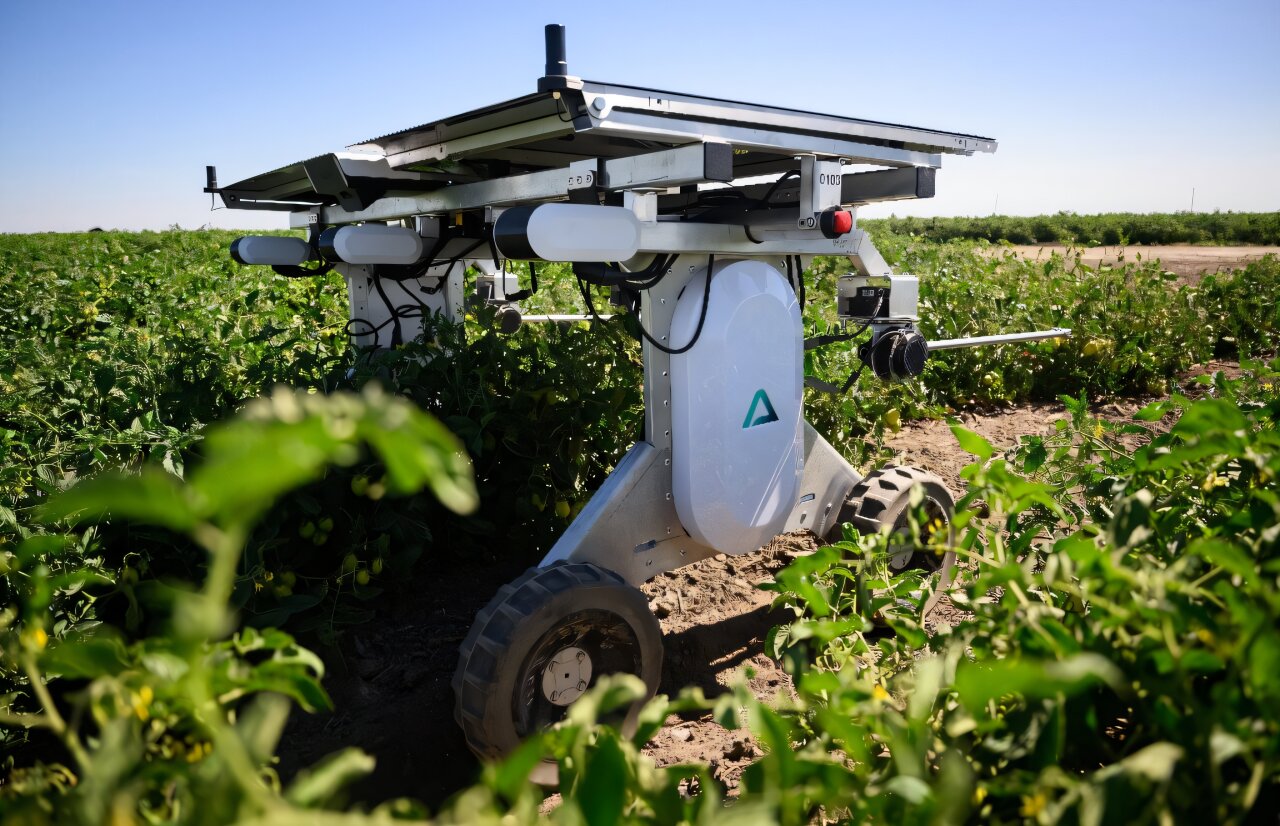
Aigen has developed solar-powered AI robots called Element that automate weeding in farms, aiming to reduce chemical use, address labor shortages, and promote environmentally friendly farming practices, with potential to revolutionize agriculture.
The article discusses the environmental impact of different cooking oils, highlighting that farming for oil crops contributes significantly to global carbon emissions and land use, but some oils are more sustainable and may even offer environmental benefits.
A study by international researchers suggests that farming pythons for meat could be a sustainable and efficient response to global food insecurity, as the snakes grow rapidly, consume waste proteins, and have a low food-to-meat ratio compared to conventional livestock. However, challenges such as labor-intensive feeding and societal attitudes towards snakes need to be addressed before python meat becomes a viable food source on a global scale.
Researchers at UC Riverside have discovered a new species of nematode, Steinernema adamsi, which has the potential to protect crops without the need for pesticides. These tiny worms offer a promising biological control option for managing crop pests in warm and humid regions, where other beneficial nematodes struggle to survive. The new species, named after biologist Byron Adams, has unique features and could provide valuable insights into ecological and evolutionary dynamics. The researchers hope to further study the nematode's properties and its potential applications in sustainable agriculture and pest management.
Mark Zuckerberg announced on Instagram that he and his family will be raising wagyu and angus cows on their multi-million-dollar compound in Kauai, Hawaii, feeding them beer and macadamia nuts grown on their property. Despite the family's efforts to create a local and vertically integrated process, critics have slammed the project for contributing to climate change due to the methane gas produced by cows.
Mark Zuckerberg is raising wagyu and angus cattle on his 1,500-acre Hawaiian ranch, feeding them a diet of macadamia meal and beer produced on the property. The Meta Platforms CEO aims to create high-quality beef and keep the process local and vertically integrated. This venture follows his interest in sustainable farming and comes as Meta Platforms focuses on artificial intelligence and the metaverse.
Actor Kevin Bacon has revealed that he no longer eats bacon or other meat from pigs due to his personal connection to the animals he keeps on his farm. Bacon, who lives on a farm in Connecticut with his wife Kyra Sedgwick, has decided to keep pigs and goats and feels uncomfortable consuming them. He also grows fresh produce on his farm and enjoys the experience of eating vegetables that he has grown himself. Bacon emphasizes the importance of protecting the environment and having control over what he puts in his body. While he enjoys eating out, he prefers to dine at home for more control over his food choices.
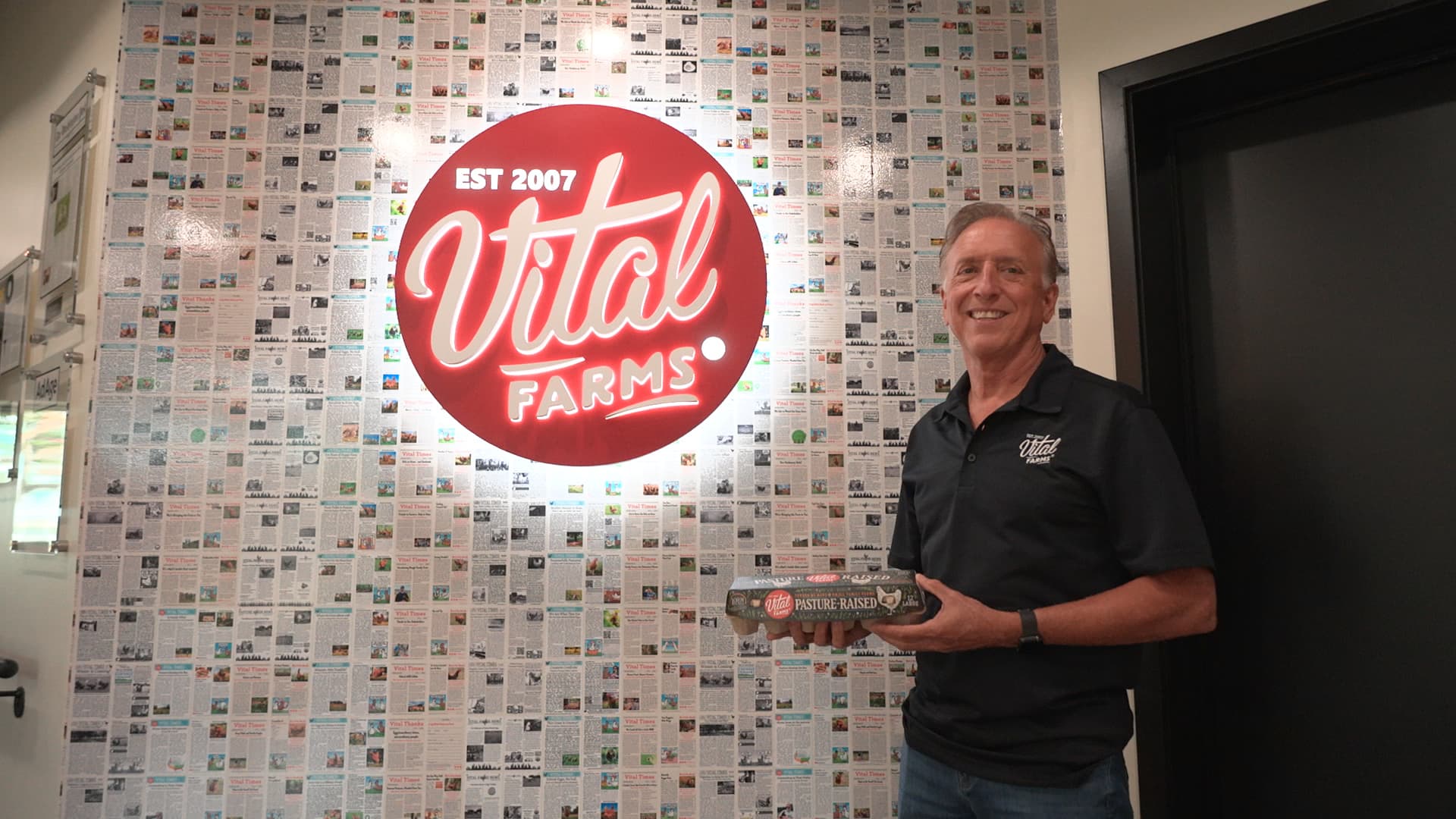
Matt O'Hayer, the founder of Vital Farms, the largest producer of pasture-raised eggs in the US, built a $450 million egg company by focusing on a "deeper purpose" rather than solely pursuing wealth. O'Hayer started the company in 2007 with 20 hens and a goal to raise egg-laying hens in a more humane environment. Vital Farms now works with over 300 family farms and brings in millions of dollars in revenue each year by marketing ethically produced eggs to customers willing to pay a premium. The company's success is attributed to its mission, taste, and flavor of the eggs, as well as its partnerships with major retailers. Despite facing challenges and lawsuits, Vital Farms aims to continue growing in the $14 billion US eggs market.
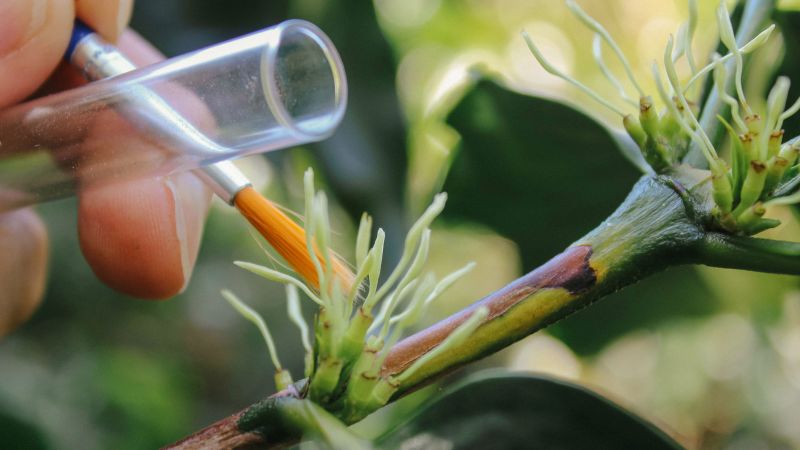
Starbucks, which purchases about 3% of the world's coffee, is developing new arabica coffee varietals that are specifically bred to withstand the challenges of climate change. The company has identified six varieties that meet its taste and flavor standards and are more resilient to rising temperatures and coffee leaf rust. Starbucks aims to increase coffee production and support its suppliers, who are struggling to adapt to global warming. Climate change poses a significant threat to the coffee industry, particularly arabica coffee, and developing climate-resistant varieties is crucial for its sustainability. However, experts caution that there is no single solution to climate change, and a shift towards sustainable farming practices is necessary to promote a healthy ecosystem.
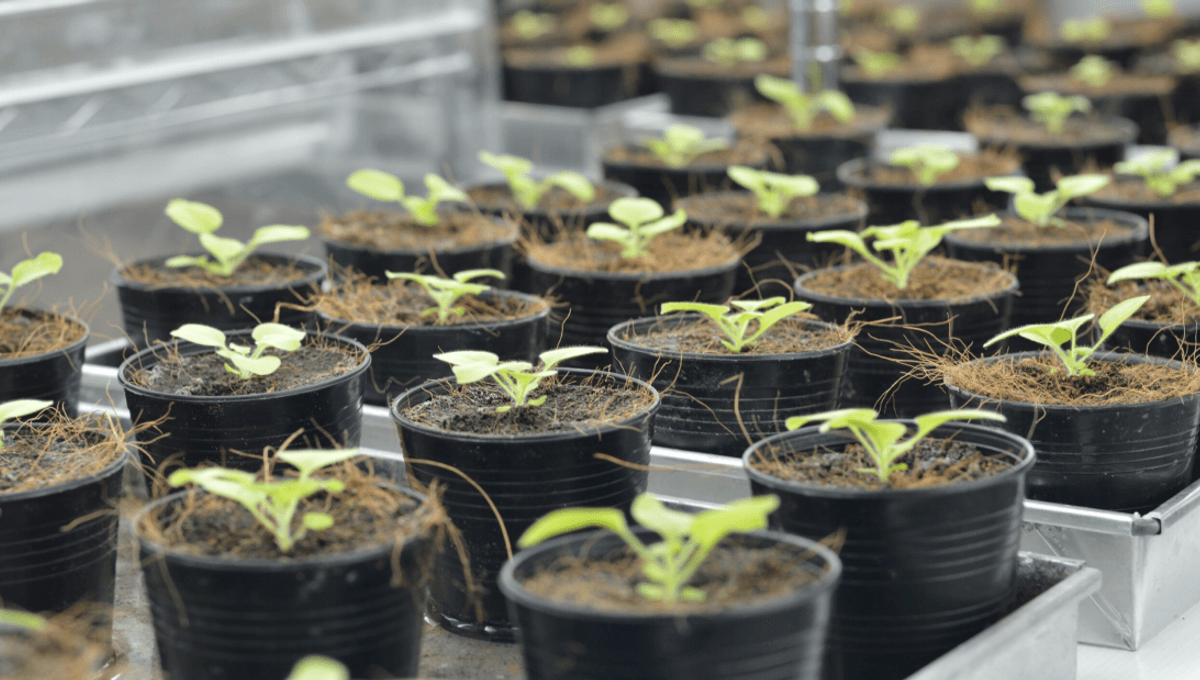
Scientists are using light-based messages to communicate with plants and activate their natural defense mechanisms. By warning plants of impending dangers such as disease outbreaks or pest attacks, plants can adjust their growth patterns or conserve water, leading to more efficient and sustainable farming practices. The researchers used a technology called Highlighter to manipulate gene activation in plants using light, a process known as optogenetics. This breakthrough opens up possibilities for studying plant biology and improving crop traits through precise light conditions.
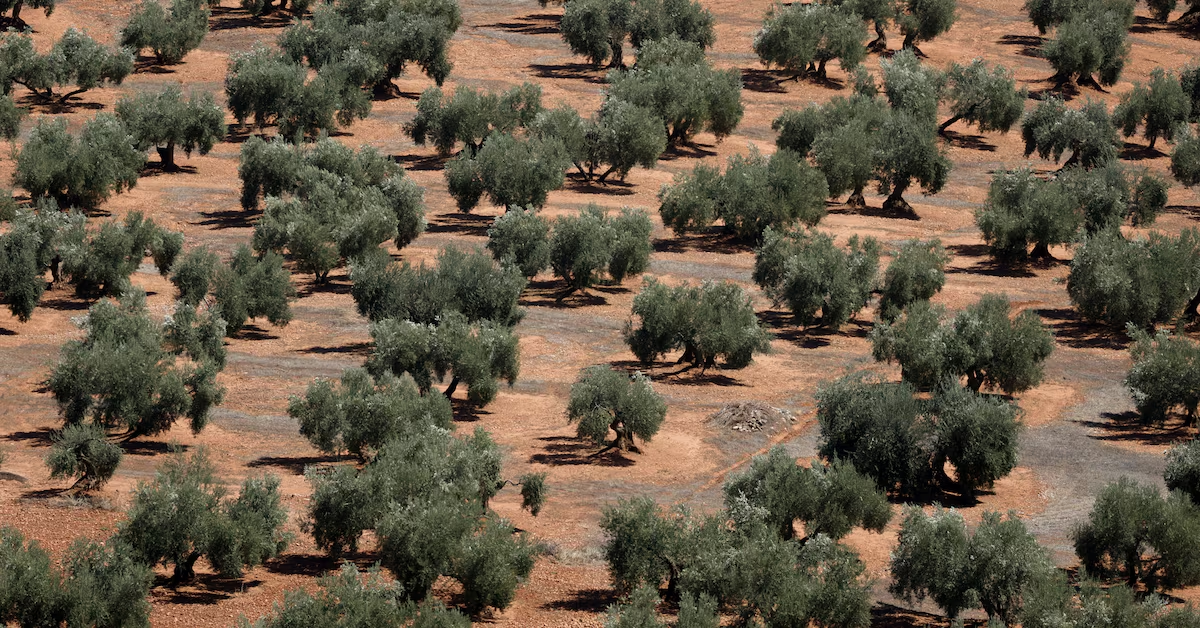
Farmers in Spain and Italy are implementing a combination of traditional and technological methods to adapt to the challenges posed by climate change. Spanish farmers are rediscovering the use of cover crops to protect soil in olive groves, while Italian farmers are utilizing satellite images and digital technology to optimize water usage. These measures are crucial as both countries, which are major producers of olive oil and wine, face threats from desertification and drought. The adoption of sustainable practices is driven by EU incentives and the need to mitigate the impact of extreme weather events on agricultural production.
The Lake Superior Harvest Festival took place at Bayfront Festival Park in Duluth, featuring a large farmers market, live music, Energy Fair experience, vendors, exhibitors, and educational demonstrations. The event aims to promote sustainable local food production in the Lake Superior region.
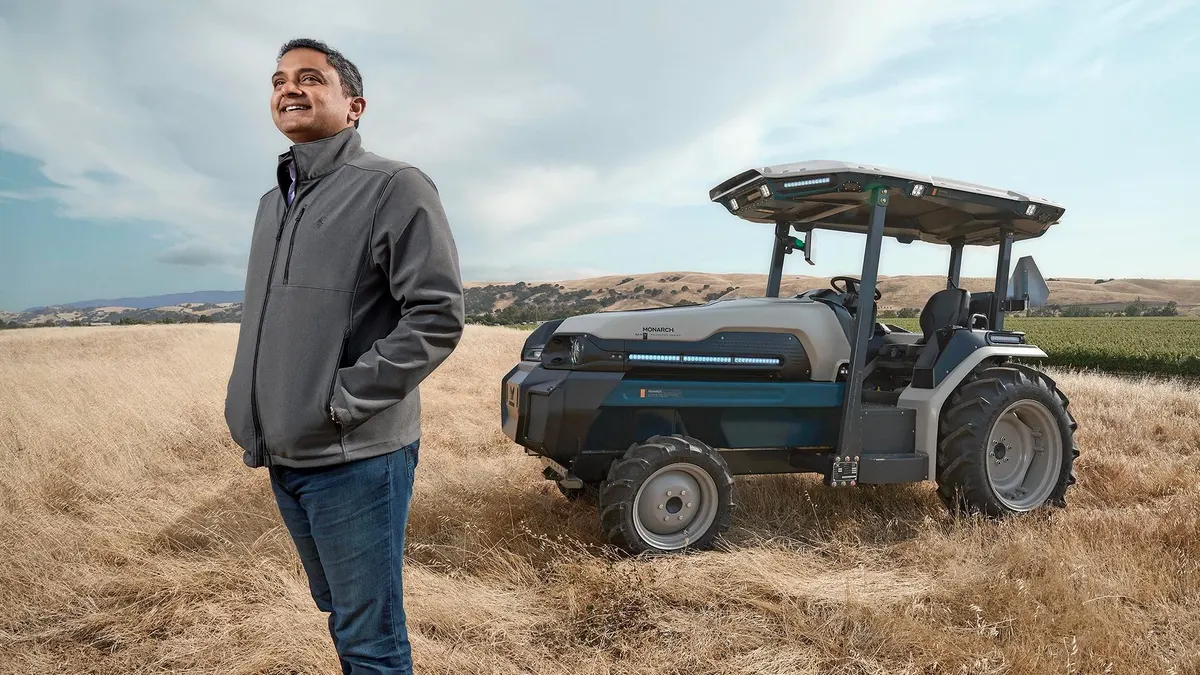
Monarch Tractor, a California-based startup, is gaining traction in the agricultural industry with its autonomous electric tractors. The company's CEO, Praveen Penmetsa, aims to revolutionize farming by offering all-electric, self-driving tractors that can perform tasks such as mowing and weeding. Monarch Tractor has raised $116 million in equity funding and expects its revenue to triple or more this year. The tractors not only address the labor shortage in farming but also reduce pollution caused by diesel tractors. With partnerships with companies like Foxconn and CNH Industrial, Monarch Tractor is poised to make a significant impact in the agricultural automation market.