A study by international researchers suggests that farming pythons for meat could be a sustainable and efficient response to global food insecurity, as the snakes grow rapidly, consume waste proteins, and have a low food-to-meat ratio compared to conventional livestock. However, challenges such as labor-intensive feeding and societal attitudes towards snakes need to be addressed before python meat becomes a viable food source on a global scale.

Meat and dairy companies are making bold claims about producing climate-friendly products, sparking a heated debate. While some companies are promoting eco-friendly agricultural techniques and making audacious claims about carbon neutrality, the extent to which these claims are true is hotly disputed. Critics argue that the data supporting these claims is poor and that regulators are not adequately addressing misleading marketing. The fight over how to calculate carbon footprints has shifted to an organization called the GHG Protocol, and new laws in California are requiring companies to be more transparent about emissions. However, there are concerns that the introduction of carbon-neutral branding may invite other companies to make similar claims at a time when regulators are ill-equipped to assess them.
Artificial intelligence predicts that the majority of the world will be vegan by 2075, thanks to the growing number of environmentally conscious Gen Z and Millennials adopting plant-based diets. OpenAI's ChatGPT has provided a timeline, suggesting that the term "flexitarian" will become more common by 2027, and by 2073, the world will be almost entirely vegan. The prediction is based on the assumption that Gen Z and Millennials will raise awareness about animal agriculture, leading to a significant shift in dietary habits. However, the actual timeline may vary by region and culture.
Food writer Alicia Kennedy's new book, "No Meat Required: The Cultural History and Culinary Future of Plant-Based Eating," explores the radical history of plant-based diets and critiques the industrialized food system. Kennedy argues that the present-day plant-based movement has become too focused on an industrialized approach to plant-based meats, risking the reproduction of the same mistakes as the meat industry. She emphasizes the importance of supporting local food systems and rejecting opaque and profit-driven industrialized agriculture. Collaboration and good-faith discussions among different plant-based groups are crucial for moving the conversation forward and achieving a future of sustainable and accessible plant-based food.
New York City's worst air quality on record due to Canadian wildfires has led some restaurants to close outdoor dining or pause service, while others have dialed back outdoor seating. Delivery workers continue to be on the frontlines despite poor air quality. The unhealthy levels of smog and air quality alert are expected to last until Friday.
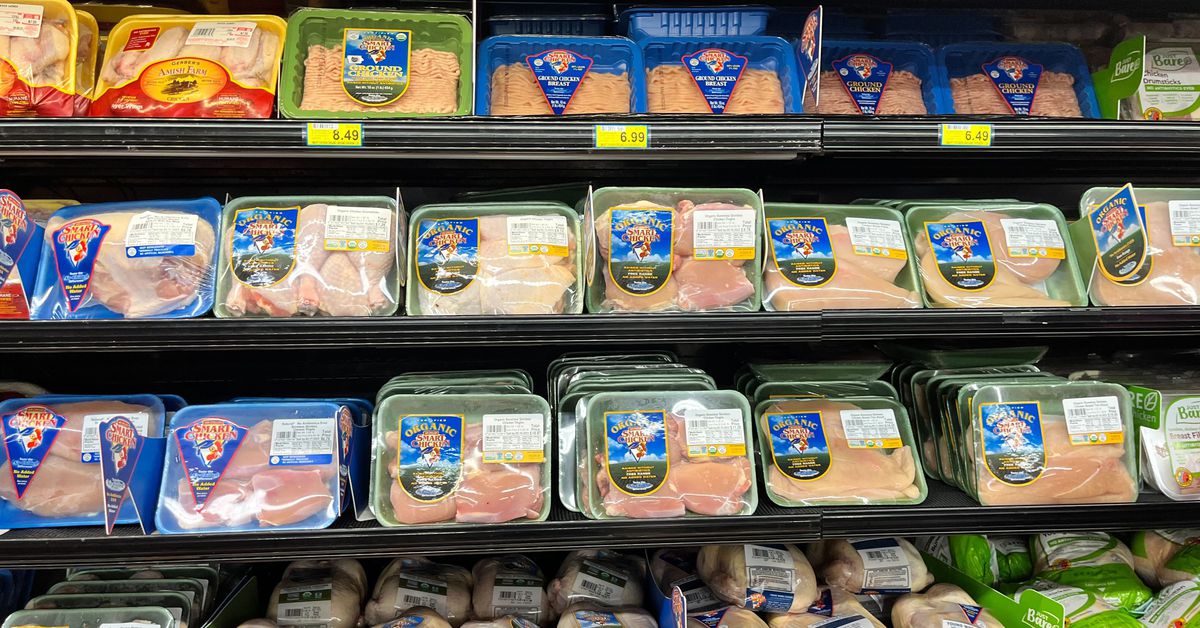
An undercover investigation by Animal Outlook at a Virginia farm that raises chickens on contract for Tyson Foods revealed that the conditions are visibly at odds with Tyson’s advertising claims that it treats animals humanely and raises “happy” and “healthy” chickens. The investigation’s most revealing finding had nothing to do with the conditions of the estimated 750,000 chickens raised annually at the facility. Instead, it emerged from a surprisingly candid conversation the investigator secretly recorded between the farm manager and a Tyson Foods “broiler technician advisor,” who worked with Tyson chicken farms in the area. In the video recording, the technician freely acknowledged that the chicken industry’s “free-range” labels were essentially meaningless.
Dutch political activist Eva Vlaardingerbroek warns that the global push to add bugs to the menu is a compliance test by politicians to control the food supply and, therefore, the people. The trend has caught the eye of global leaders, celebrities, and influencers as a solution to combat climate change. However, critics remain skeptical of the big bug business, arguing that it could lead to actual starvation if not careful. The transformation of our food system and diet away from meat to insects also has ramifications on farmers, which the Netherlands has experienced firsthand.
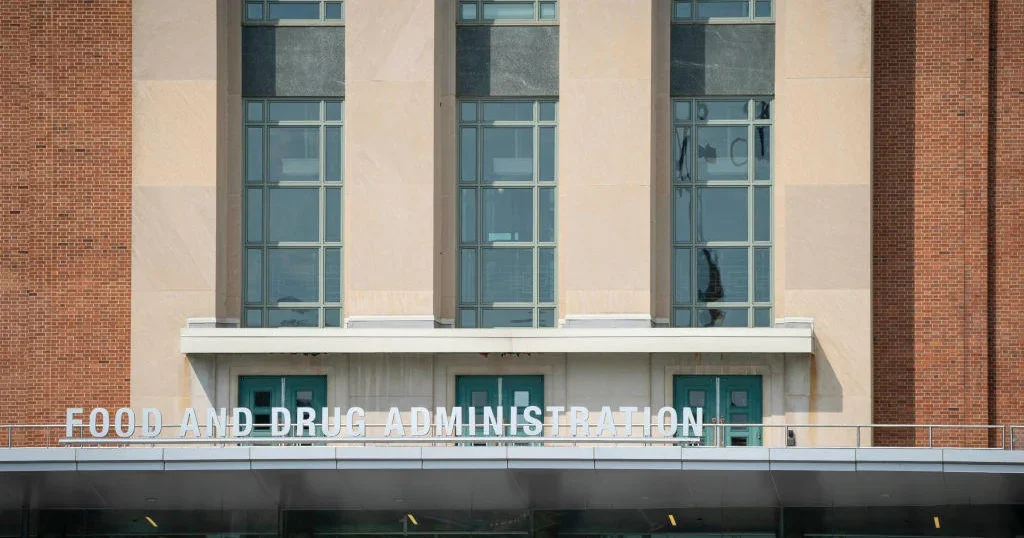
The FDA has approved GOOD Meat's lab-grown chicken as safe for human consumption, but the Agriculture Department still needs to give its approval before it can be sold in the U.S. Chef José Andrés plans to serve the chicken at his restaurant if it is approved. Lab-grown meat can help combat climate change by reducing greenhouse gas emissions from livestock.