Sudden Cardiac Death (SCD) can occur unexpectedly in healthy individuals, especially young athletes, due to undiagnosed heart conditions like hypertrophic cardiomyopathy and electrical disorders. Symptoms such as shortness of breath, chest pain, dizziness, unexplained fatigue, and heart palpitations should be taken seriously. Prevention strategies include routine cardiac screenings, awareness education, CPR and AED training, and monitoring those with a family history of heart disease. Early detection and prompt action can save lives.
A study in Oregon examined death certificate data for individuals aged 16-30 who died between June 2021 and December 2022 after receiving an mRNA COVID-19 vaccine dose, finding that among 40 deaths of vaccinated individuals, three occurred within 100 days of vaccination, with two attributed to underlying illness and one undetermined. The study did not find a definitive association between COVID-19 vaccination and sudden cardiac death among previously healthy young individuals, supporting the recommendation for COVID-19 vaccination for all individuals aged 6 months and older.
Artificial intelligence (AI) has shown promise in predicting and preventing sudden cardiac death, according to a study. By analyzing electronic health records and medical information of over 25,000 individuals who died from sudden cardiac arrest and 70,000 from the general population, researchers developed personalized risk equations to identify those at high risk. The AI analysis successfully identified individuals with over 90% risk of sudden cardiac death, representing a significant portion of cases. The findings highlight the potential of AI in improving prevention strategies and global health by enabling personalized risk assessment and targeted interventions.
A new study has shown that artificial intelligence (AI) has the potential to detect risk signs and prevent sudden cardiac death. By analyzing medical data from registries and databases, AI was able to identify individuals at a high risk of sudden cardiac death. The AI's ability to analyze millions of data points and recognize patterns could help in medical diagnostics and improve early detection and treatment. However, caution must be exercised to ensure accurate and unbiased data for effective use of AI in healthcare.
A recent study using mouse experiments has discovered that the brain-heart link is responsible for triggering fainting episodes. Fainting, also known as Syncope, is usually not a serious concern but can indicate a risk of sudden cardiac death or lead to injuries in some cases. The study found that connections between the brain and heart cause a rapid loss of consciousness followed by a quick recovery. Consulting a physician is advised for individuals experiencing frequent fainting episodes.
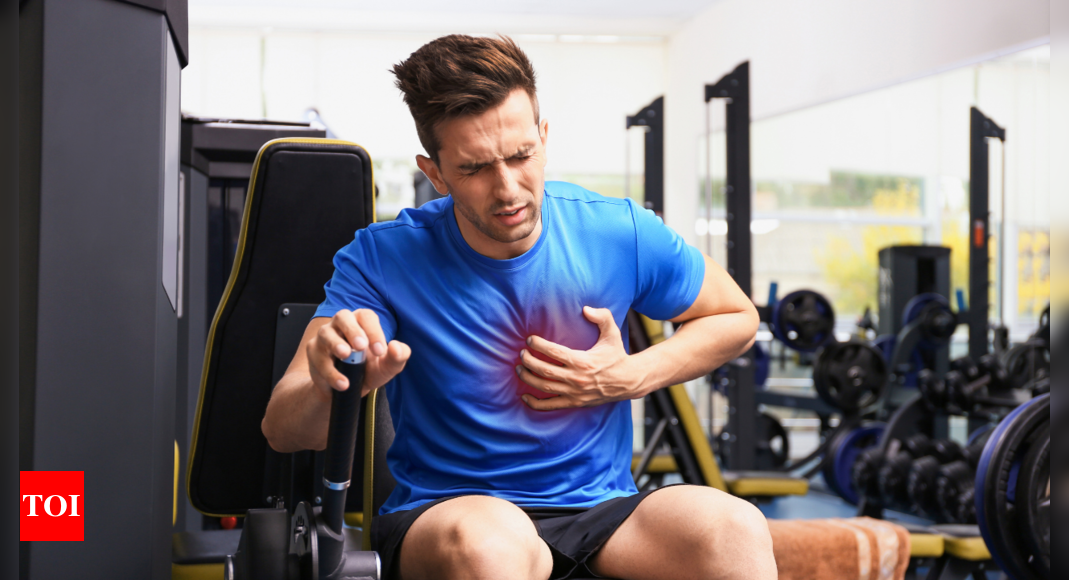
Sudden cardiac death, characterized by abrupt loss of consciousness due to cardiac causes, is on the rise, with coronary artery disease being the most common cause. High-intensity exercise has been identified as a potential trigger for heart attacks in the gym. Other causes include genetic diseases, cardiomyopathies, and myocardial infiltrative diseases. Warning signs include fainting episodes, seizures, and heart failure. Identifying and treating risk factors for coronary artery disease is crucial, and individuals with a family history of sudden cardiac arrest should undergo cardiac evaluation.