A baby born small with early health issues and years of fevers and hair loss finally received a diagnosis after doctors used genetic testing, illustrating how genomic analysis can crack puzzling pediatric illnesses.
A study has found that the human body emits a faint visible light, called biophotons, which ceases at death, indicating a link to metabolic activity; this discovery could have future applications in medical and agricultural diagnostics.
Scientists have developed an AI model called Delphi-2M that can predict over 1,000 diseases years in advance by analyzing patient history and healthcare data, potentially transforming preventative medicine and healthcare resource management, though it still requires further testing before clinical use.
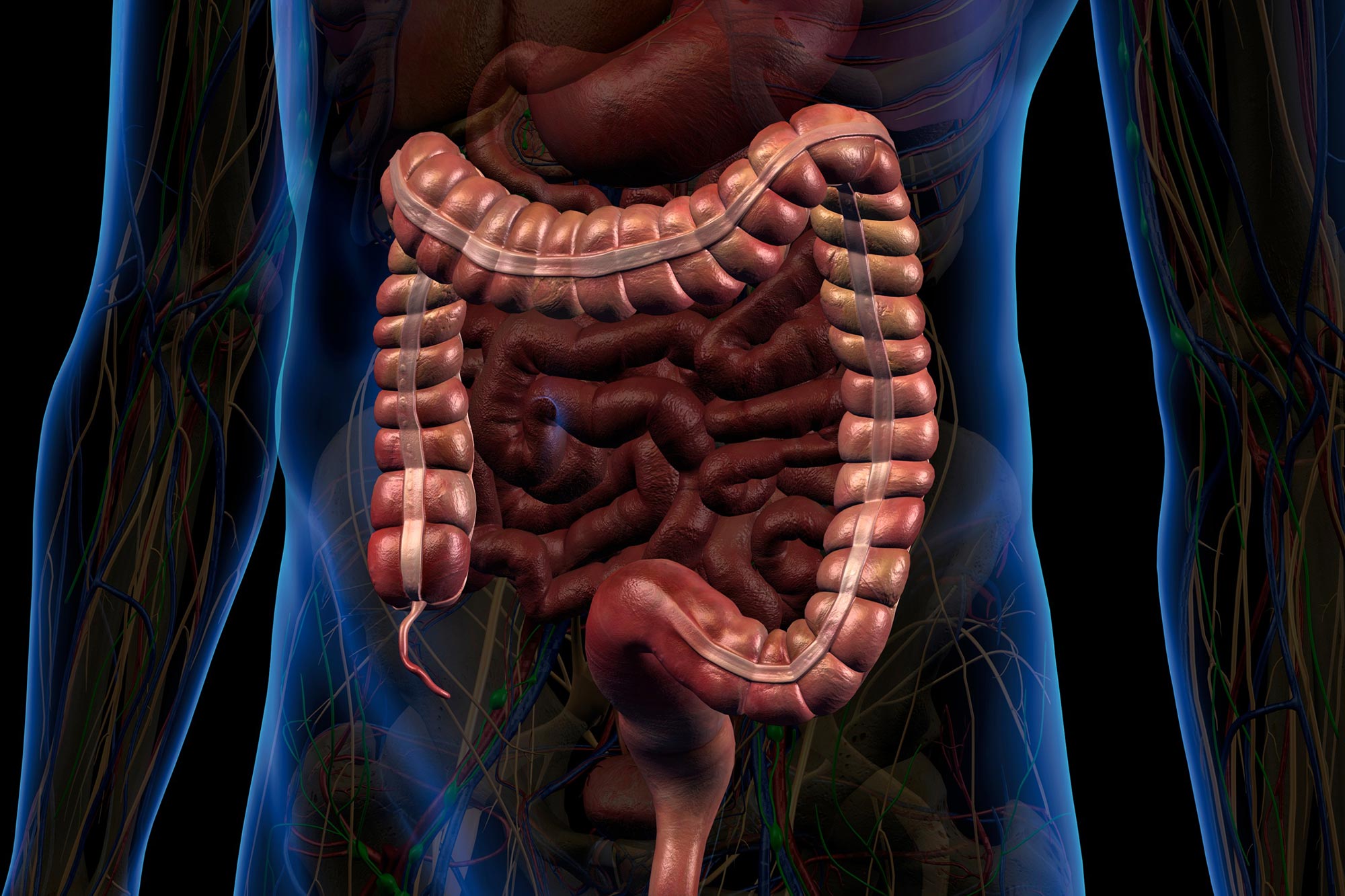
Caltech has developed PillTrek, a tiny, wireless smart capsule capable of real-time, minimally invasive monitoring of gut biomarkers such as pH, temperature, metabolites, and neurotransmitters, potentially revolutionizing gastrointestinal diagnostics and health management.
Researchers have developed a DNA-based supercomputer capable of running over 100 billion tasks simultaneously, using programmable DNA structures called DPGAs, which could revolutionize medical diagnostics and other fields by enabling highly parallel, energy-efficient biological computing systems.
A deep learning AI model developed by Washington State University researchers significantly enhances the speed and accuracy of disease detection in tissue images, outperforming human pathologists in some cases. By analyzing gigapixel images with advanced neural networks, the AI reduces analysis times from months to weeks, revolutionizing research and diagnostics, particularly for cancer and gene-related illnesses. This model, already aiding animal disease research, holds transformative potential for human medical diagnostics.
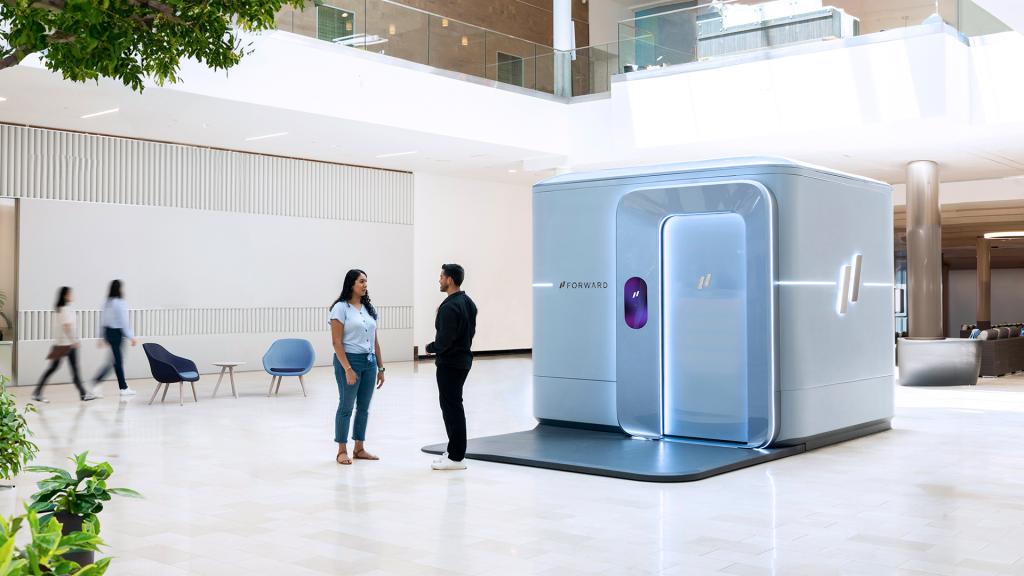
Forward, a healthcare technology company, is introducing CarePods, self-service cubes equipped with artificial intelligence (AI) capabilities, to revolutionize the medical industry. These high-tech health stops will be installed in various locations, allowing patients to be screened for conditions like diabetes, hypertension, depression, and anxiety. The diagnostics from scans will be integrated into a program called Health Apps. CarePods will also offer users the ability to draw their own blood using a vacuum chamber. Forward plans to expand the use of CarePods to screen for advanced cancers, prenatal care, and polygenic analysis. The first CarePods will be installed in California, Arizona, and Chicago, with further expansion planned for major cities across the United States.
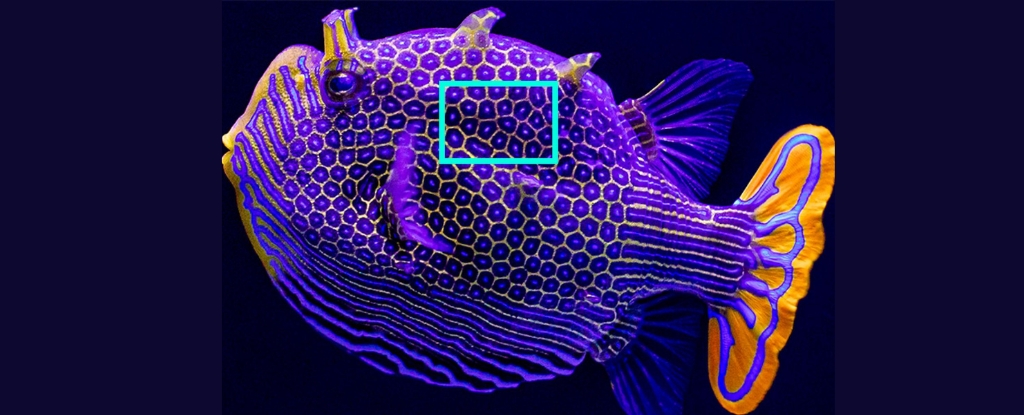
Scientists have proposed a potential mechanism explaining how distinctive patterns form on animal skin, which could have applications in medical diagnostics and synthetic materials. The research suggests that diffusiophoresis, a phenomenon where changes in concentration propel particles in a liquid, can create sharp boundaries and well-separated colors in Turing patterns. This finding could help understand how animals create distinct color patterns and potentially lead to the development of artificial skin patches for medical diagnosis and environmental monitoring. Further research is needed to explore the effects of particle shape and the complex biological environment on pattern formation.
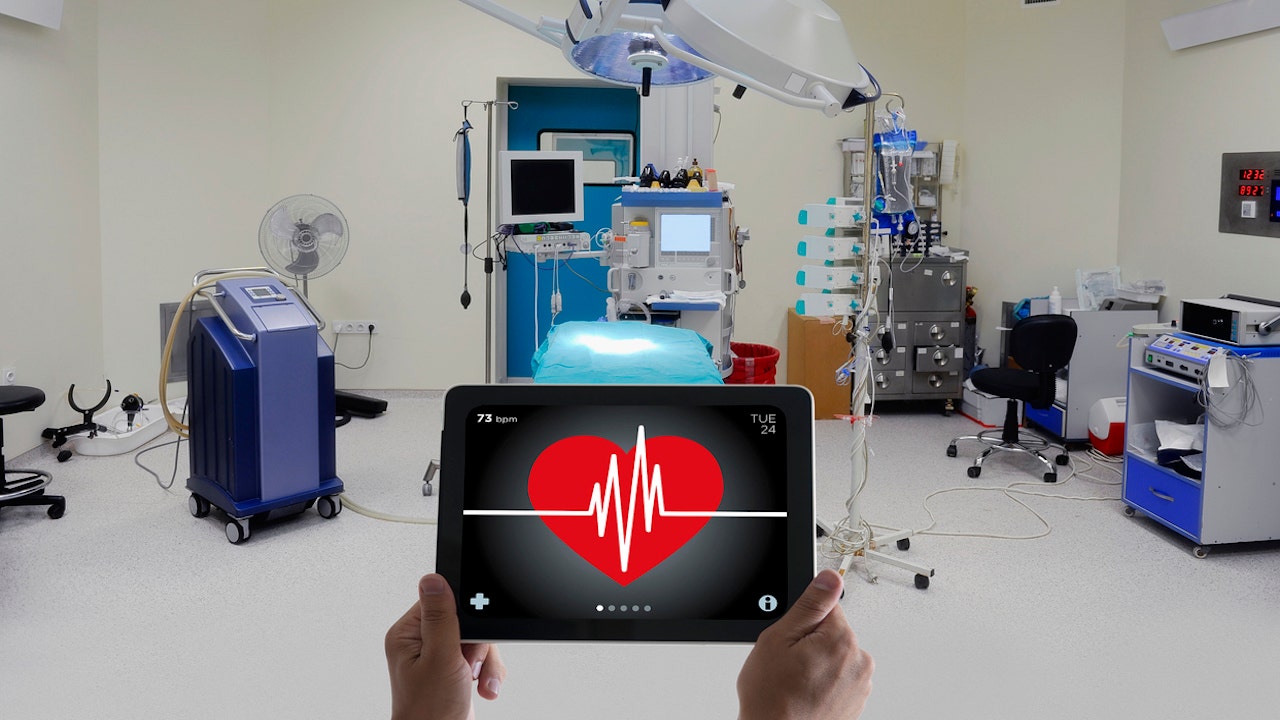
A new study has shown that artificial intelligence (AI) has the potential to detect risk signs and prevent sudden cardiac death. By analyzing medical data from registries and databases, AI was able to identify individuals at a high risk of sudden cardiac death. The AI's ability to analyze millions of data points and recognize patterns could help in medical diagnostics and improve early detection and treatment. However, caution must be exercised to ensure accurate and unbiased data for effective use of AI in healthcare.
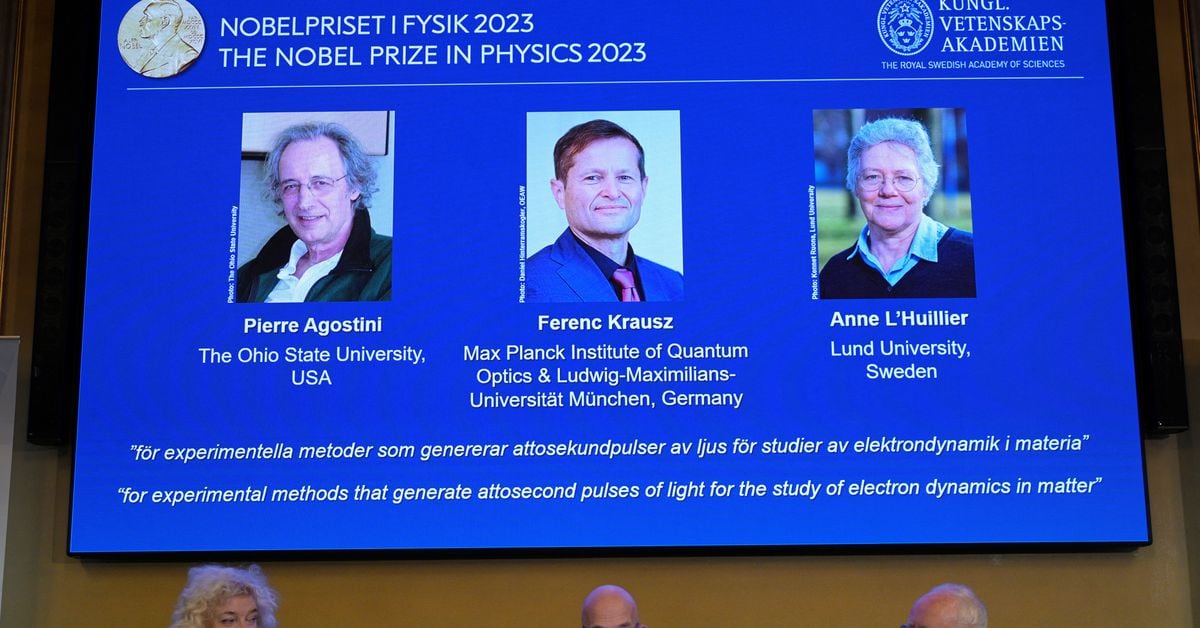
Scientists Pierre Agostini, Ferenc Krausz, and Anne L'Huillier have been awarded the 2023 Nobel Prize in Physics for their groundbreaking work in creating ultra-short pulses of light that can capture the movement of electrons within atoms and molecules. This discovery opens up new possibilities for understanding electron behavior in materials and has potential applications in electronics and medical diagnostics. The Nobel Prize in Physics is the second to be awarded this year, following the Nobel Prize in Medicine for mRNA molecule discoveries related to COVID-19 vaccines.
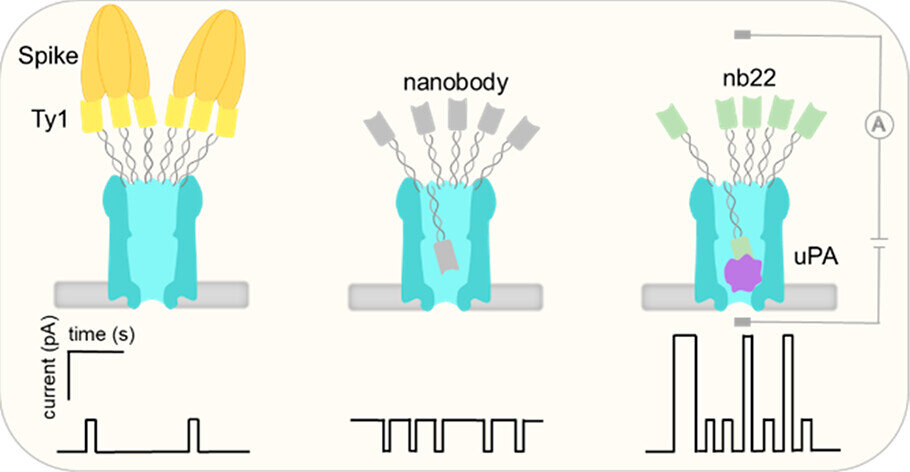
Researchers at Aarhus University and Groningen University have developed ClyA nanopores with nanobodies attached to them, which can detect specific proteins in complex biological fluids like blood without chemical labeling. The nanopores remained highly accurate and sensitive even when tested with complex samples like blood. This breakthrough could revolutionize medical diagnostics and lead to earlier interventions, improved treatment outcomes, and overall improved healthcare.
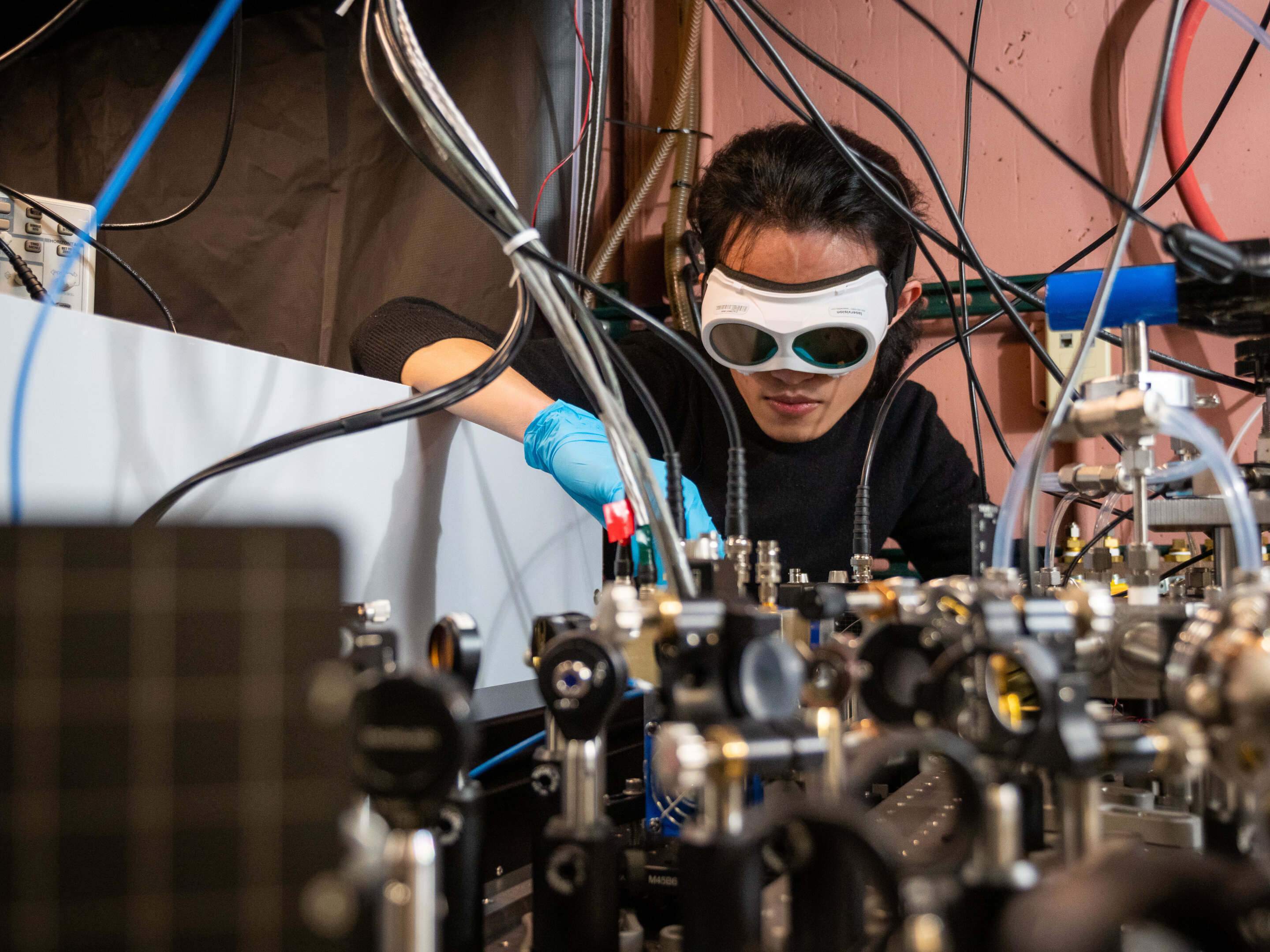
Scientists from CU Boulder and NIST have developed a laser-based breathalyzer powered by AI that can detect COVID-19 in real-time with excellent accuracy. The breathalyzer could revolutionize medical diagnostics and be used to diagnose diverse conditions and disease states. The breathalyzer is non-invasive, fast, and chemical-free, and could be miniaturized for "on-the-go health monitoring." The team is now shifting its focus to a wide range of other diseases, hoping to contribute to the development of a Human Breath Atlas that maps each molecule in the human exhale and correlates them with health outcomes.
Danaher, a life sciences and medical diagnostics company, reported a first-quarter earnings beat but lowered its outlook, causing a drop in its stock price. The revised guidance has prompted a reassessment of the investment case for Danaher, with its rating under review and price target lowered.