Gene Simmons, the Kiss rock star, fainted while driving along California's Pacific Coast Highway, causing his SUV to crash into a parked car. He was hospitalized but has since been released and is doing well, according to his social media posts.
A 23-year-old woman is concerned about consistently low blood pressure readings and fainting episodes. Dr. Roach explains that low blood pressure is common in young women and can be associated with a lower risk of heart attack and stroke. He suggests testing for iron deficiency and increasing dietary calcium for low bone density or osteoporosis, rather than stopping coffee consumption. Vitamin D supplementation may be necessary for those with low levels, but vitamin C supplementation is only needed for rare cases of deficiency.
Milwaukee Brewers reliever Trevor Megill has been placed on the seven-day concussion list after fainting and hitting his head while recovering from food poisoning. The 30-year-old right-hander fainted in a phone store, hitting his head on the ground, and was diagnosed with a concussion. The Brewers have recalled JB Bukauskas from Triple-A Nashville to fill Megill's roster spot and are taking a cautious approach to his recovery.
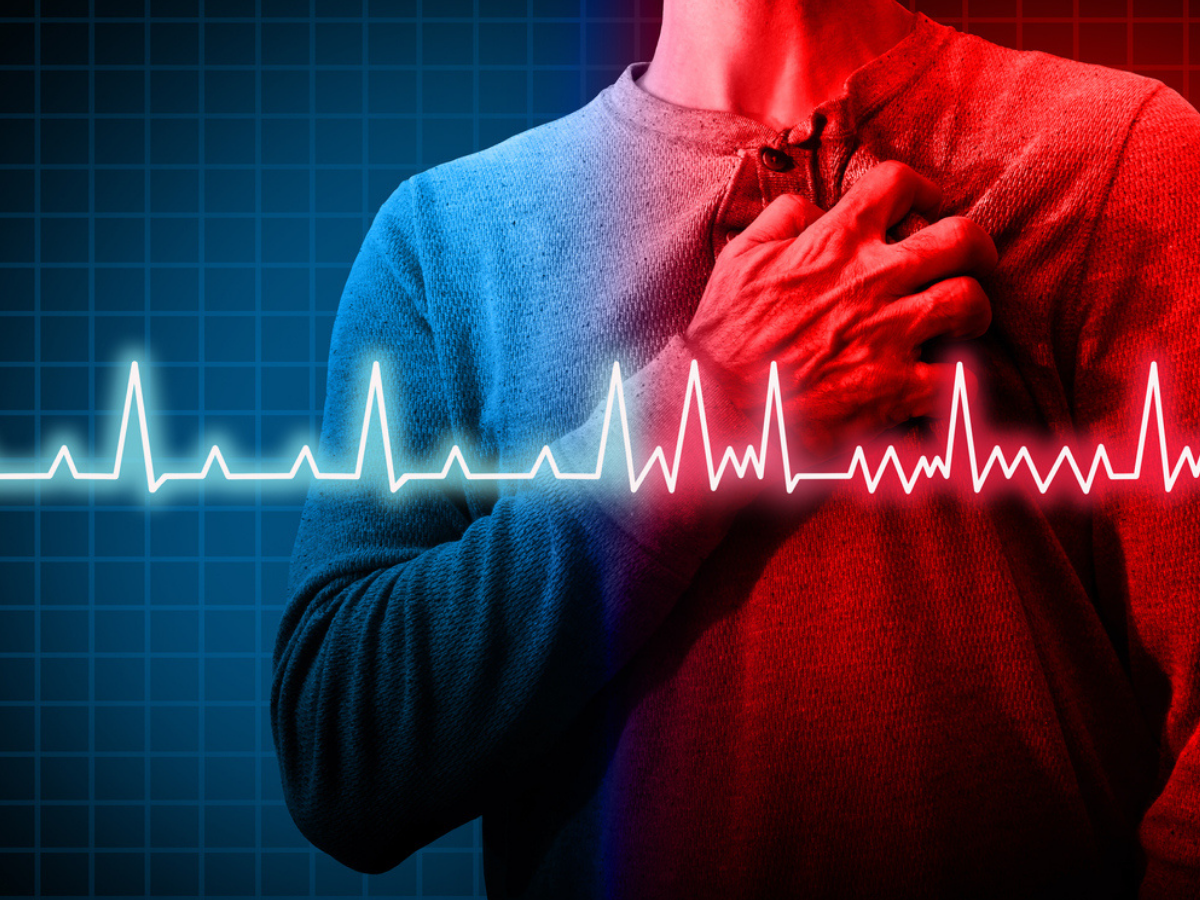
A heart attack occurs when a part of the heart muscle is deprived of blood. Major symptoms include chest pain or discomfort, weakness or fainting, pain in the jaw, neck, or back, pain in one or both arms or shoulders, and shortness of breath.
A member of the honor guard fainted during a live CNN broadcast while standing near the casket of Justice Sandra Day O'Connor, who is lying in repose at the Supreme Court. The cause of the collapse is unknown, and the guard's condition remains unknown. O'Connor, the first woman to sit on the Supreme Court, will have a funeral on Tuesday.
New research has discovered a pathway between the heart and brain that can trigger fainting, providing an explanation for the phenomenon that affects about 40% of people at some point in their lives. The study found a group of nerve cells connecting the heart's ventricles with a small region of the brainstem, and when stimulated, mice experienced a sudden drop in heart rate and blood pressure, leading to fainting-like symptoms. This finding could potentially lead to new treatments for disorders that affect blood flow to the brain, including those associated with long COVID.
A recent study published in Nature has uncovered a newly discovered pathway between the heart and brain, shedding light on the phenomenon of fainting. By studying the vagus nerve in mice, researchers identified a group of nerve cells that connect the heart's ventricles to a region in the brainstem responsible for controlling vital functions. This breakthrough offers insights into the mechanism behind fainting and opens up possibilities for understanding and treating disorders related to blood flow to the brain. Further research is needed, but this discovery could lead to targeted therapies and improved outcomes for patients.
Scientists have discovered a pathway between the heart and brain that may explain why healthy individuals faint. This pathway carries signals from the heart's lower chambers to a region in the brainstem that controls heart rate, blood pressure, and breathing. When nerve cells along this pathway were stimulated in mice, they experienced a drop in heart rate and ultimately fainted. This finding provides a biological explanation for fainting not caused by an underlying medical condition. Understanding this pathway is particularly important in the context of COVID-19, as the disease often affects the autonomic system. The discovery could lead to new treatments for fainting and related conditions.
A newly discovered pathway between the heart and brain may explain why healthy people faint. The pathway carries signals from the heart's lower pumping chambers to an area of the brainstem that controls heart rate, blood pressure, and breathing. When nerve cells along this pathway are stimulated in mice, they experience a drop in heart rate and blood pressure, leading to fainting. This finding provides a biological explanation for fainting not caused by an underlying medical condition. Understanding this heart-brain connection is crucial, especially in the context of COVID-19, which often affects the autonomic system. The study could lead to new treatments for conditions that affect blood flow to the brain.
A recent study using mouse experiments has discovered that the brain-heart link is responsible for triggering fainting episodes. Fainting, also known as Syncope, is usually not a serious concern but can indicate a risk of sudden cardiac death or lead to injuries in some cases. The study found that connections between the brain and heart cause a rapid loss of consciousness followed by a quick recovery. Consulting a physician is advised for individuals experiencing frequent fainting episodes.
Scientists have discovered a neural pathway involving a group of sensory neurons that connect the heart to the brainstem, shedding light on the causes of fainting. By activating these neurons in mice, researchers observed symptoms similar to human syncope, including rapid pupil dilation and reduced heart rate and blood pressure. The study suggests that understanding this neural pathway could lead to new treatment approaches for cardiac causes of syncope. Additionally, researchers found that inhibiting or stimulating a specific region in the hypothalamus affected the duration of fainting episodes and the subsequent recovery.
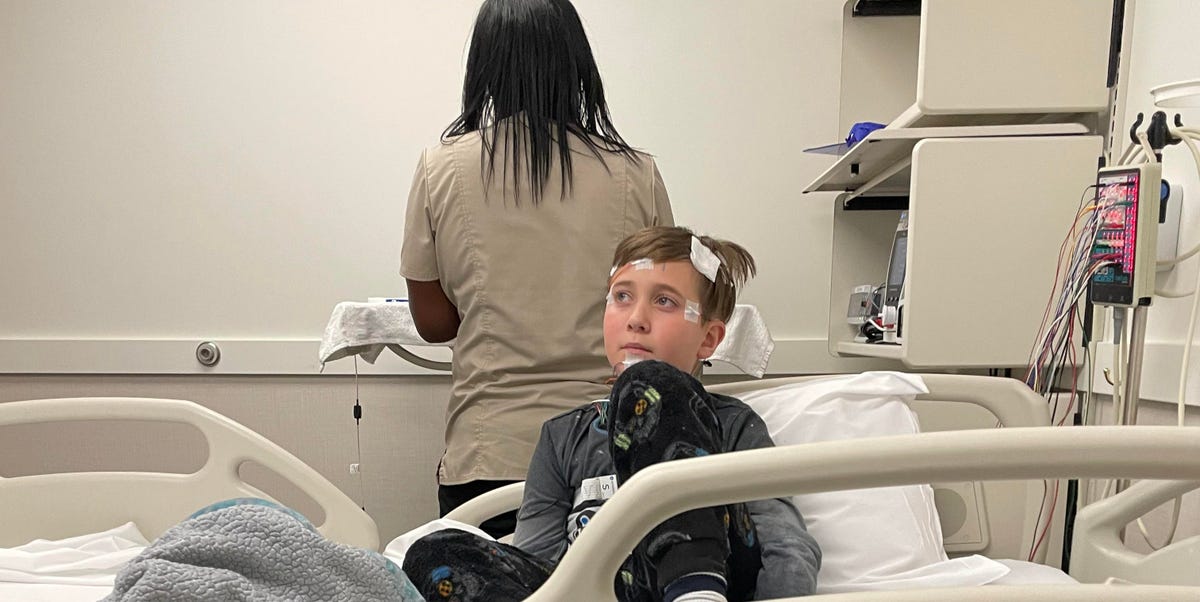
A mother shares her journey of seeking answers for her son's mysterious fainting incidents and subsequent symptoms over a span of four years. Despite numerous doctor appointments and tests, no clear cause was found until he was finally diagnosed with postural orthostatic tachycardia syndrome (POTS). The mother's persistence in finding the right doctor and implementing various strategies to manage his symptoms has provided her son with medication and tools to keep the disorder at bay.
Bri Clark shared her experience of suddenly fainting and injuring herself in a viral TikTok video, warning others to sit down if they feel like they're going to pass out. Fainting, or syncope, is a common issue seen by emergency medicine doctors and can range from benign to life-threatening. The causes of fainting can include low blood pressure, heart rate changes, anxiety, dehydration, and medication side effects. Clark's injury occurred when she fell face first onto a hardwood floor after having a bad reaction to a delta-8 THC gummy. It took two months for her wound to heal, and she advises others to immediately sit or lie down if they feel like they're going to faint to minimize the risk of injury.
Heart diseases claim close to 18 million lives every year, with 85% of deaths due to heart attack and stroke. Signs of a heart attack are tricky and can mimic other complications, such as indigestion or shoulder pain. Symptoms include chest pain, pain in the left shoulder, pain in the center of the abdomen, fainting or unconsciousness, and cold sweat. It is important to recognize these symptoms and seek medical help immediately as a heart attack is a medical emergency.
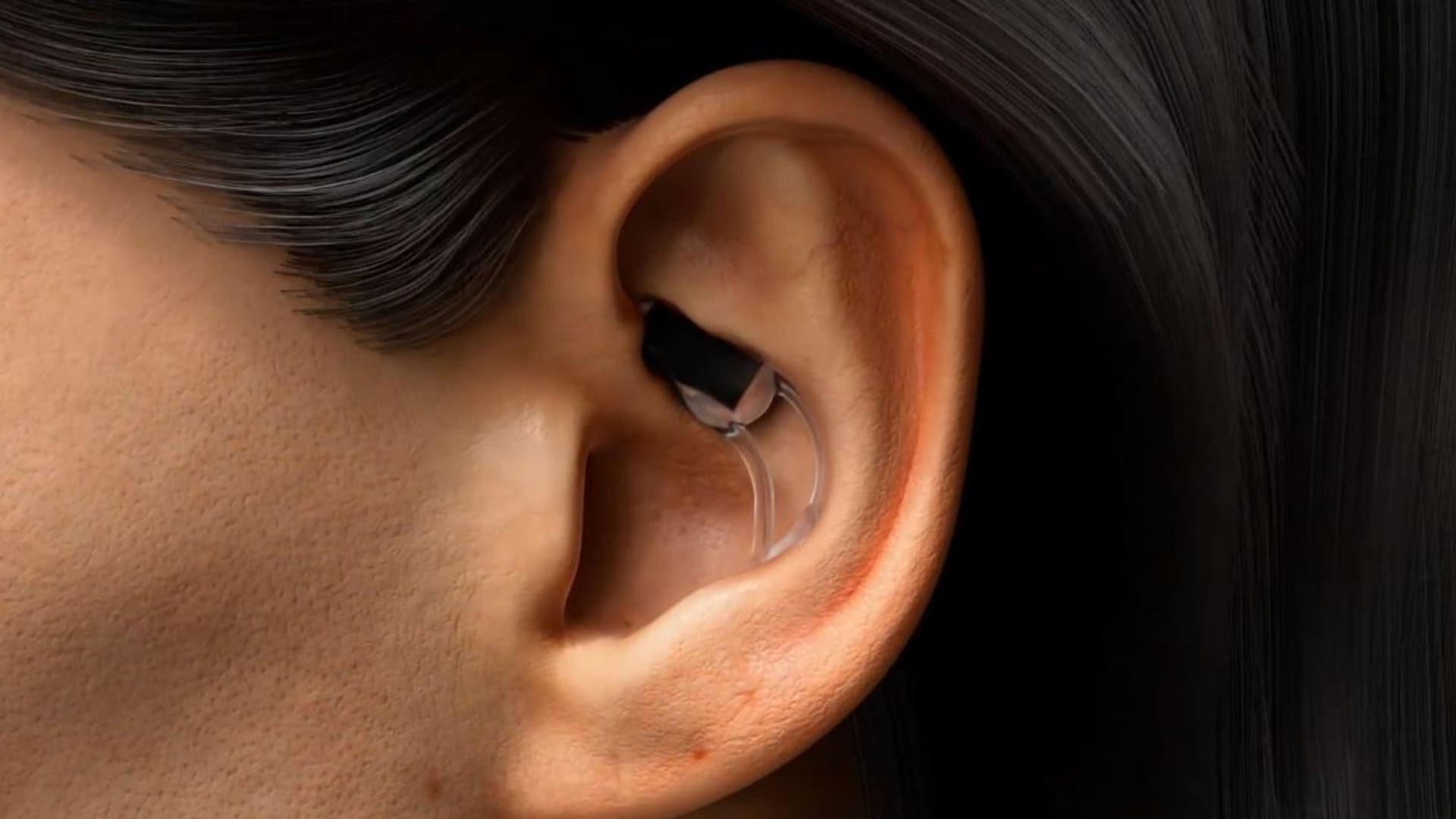
STAT Health has developed a new in-ear wearable device called STAT that measures blood flow to the head and tracks changes in heart rate, blood pressure, and blood flow when users stand up. The device can help people better understand why they're experiencing symptoms like dizziness, fainting, and brain fog, which are common in patients with illnesses like long Covid and postural orthostatic tachycardia syndrome. The device is not diagnostic or a form of treatment, but it can serve as a resource for patients who are often told their symptoms are not real. The STAT wearable is small, comfortable, and compatible with most other devices like headphones or glasses that sit in or around the ear. The company is targeting a $50 a month subscription for its device.