Tag

Risk Prediction

All articles tagged with #risk prediction

health23 days ago

Protein Outperforms Cholesterol in Heart Disease Prediction

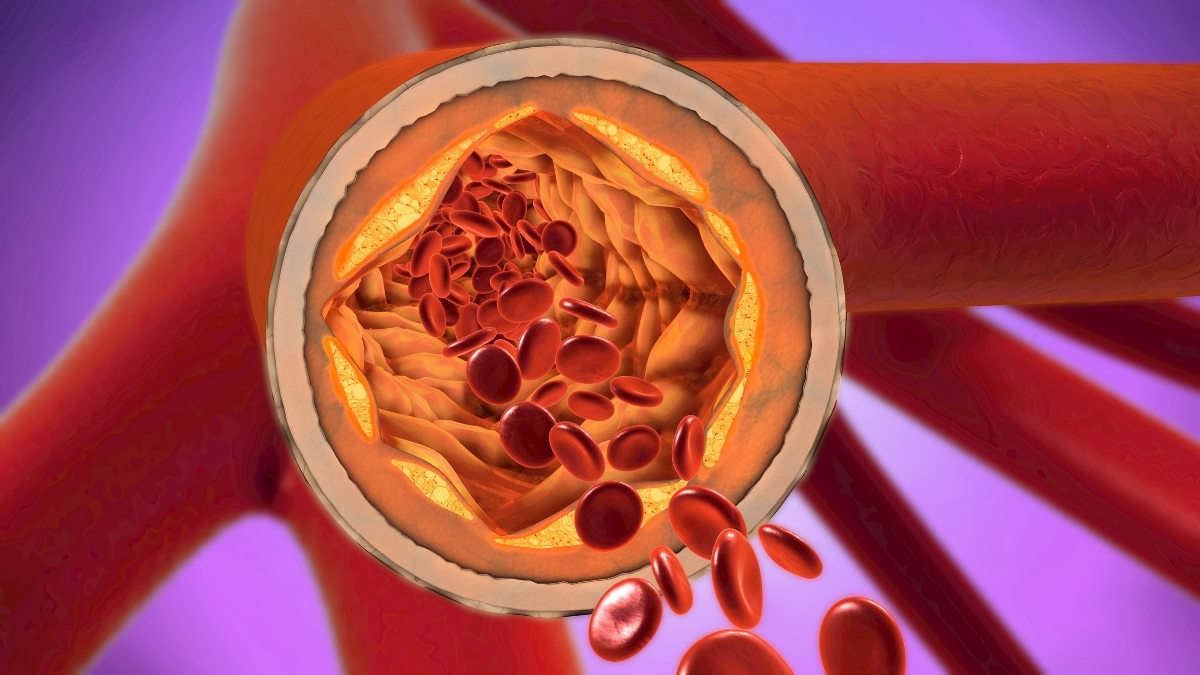
C-reactive protein, a marker of inflammation produced by the liver, is a better predictor of heart disease risk than cholesterol, and lifestyle factors can influence its levels. While cholesterol remains relevant, measuring additional biomarkers like apolipoprotein B and lipoprotein(a) provides a more comprehensive risk assessment. Prevention involves a holistic approach including diet, exercise, sleep, stress management, and avoiding smoking.

health1 year ago

"Online Tool Predicts Heart Attack Risk Within 6 Months Using Standard Blood Test"

Researchers from Uppsala University have developed an online tool that can predict an individual's risk of having a heart attack within the next six months using a standard blood test. The study, involving over 169,000 individuals without prior cardiovascular disease, identified around 90 molecules linked to the risk of a first heart attack. The researchers hope that this tool will motivate individuals to take preventive measures such as medication adherence and smoking cessation. The findings could potentially lead to new avenues for treatment and further studies to better understand these molecules.

health1 year ago

"Revolutionary Blood Test Predicts Heart Attack Risk"

Researchers at Uppsala University have developed an online tool that uses the results of a standard blood test to predict an individual's risk of having a heart attack within six months. By analyzing blood samples from over 169,000 individuals without prior cardiovascular disease, the research group identified around 90 molecules linked to the risk of a first heart attack. The tool aims to increase people's motivation to take preventive measures such as medication adherence and smoking cessation, and the researchers hope to further study these molecules for potential treatment possibilities.

health1 year ago

"Predict Your Heart Disease Risk with a Coronary Calcium Scan"

A heart specialist has highlighted the importance of a simple microalbuminuria test, which measures the amount of protein in urine, as a predictor of heart disease risk. This test can detect early signs of vascular damage and is linked to abnormalities in cardiac function, high blood pressure, and diabetes. The specialist emphasized that traditional markers for heart disease may be late or inaccurate, making early detection crucial for preventing complications. Studies have shown that microalbuminuria is an independent predictor for coronary heart disease, cardiovascular disease, and all-cause mortality, making it a valuable tool in assessing cardiovascular risk.

health2 years ago

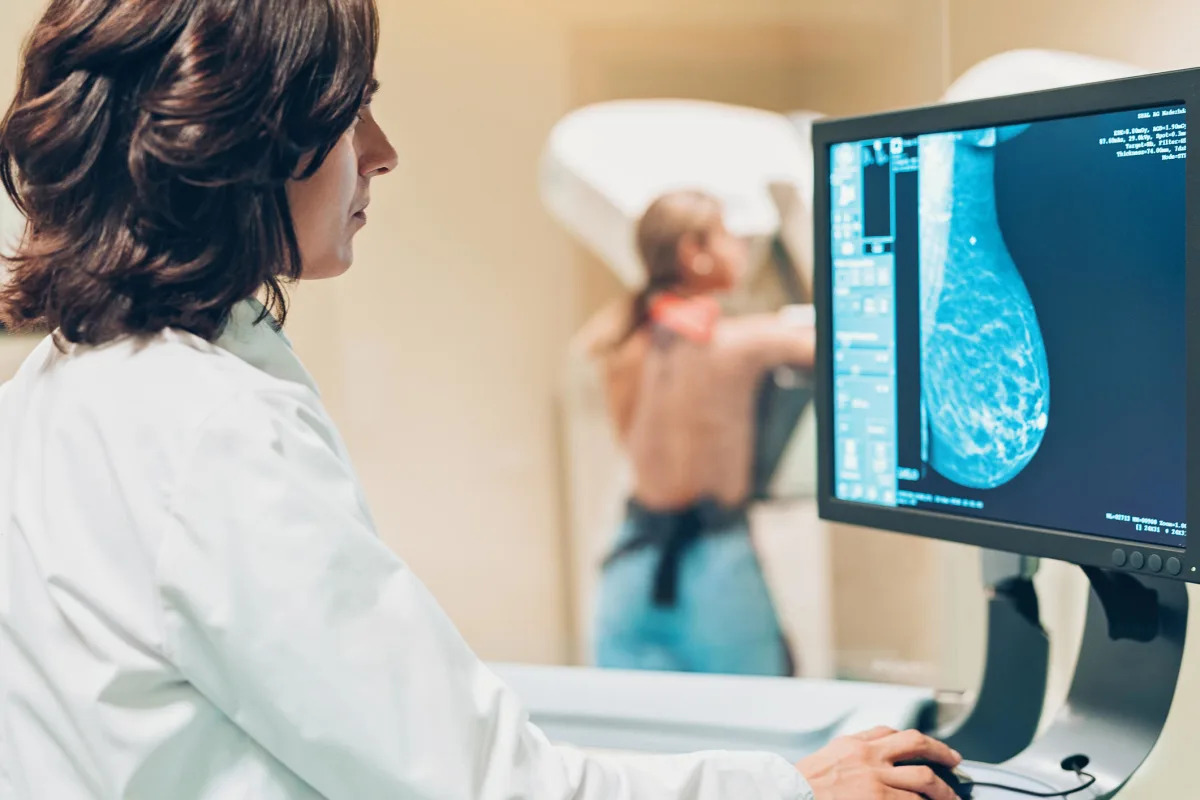
Mammograms: A Promising Predictor of Heart Disease and Stroke in Women

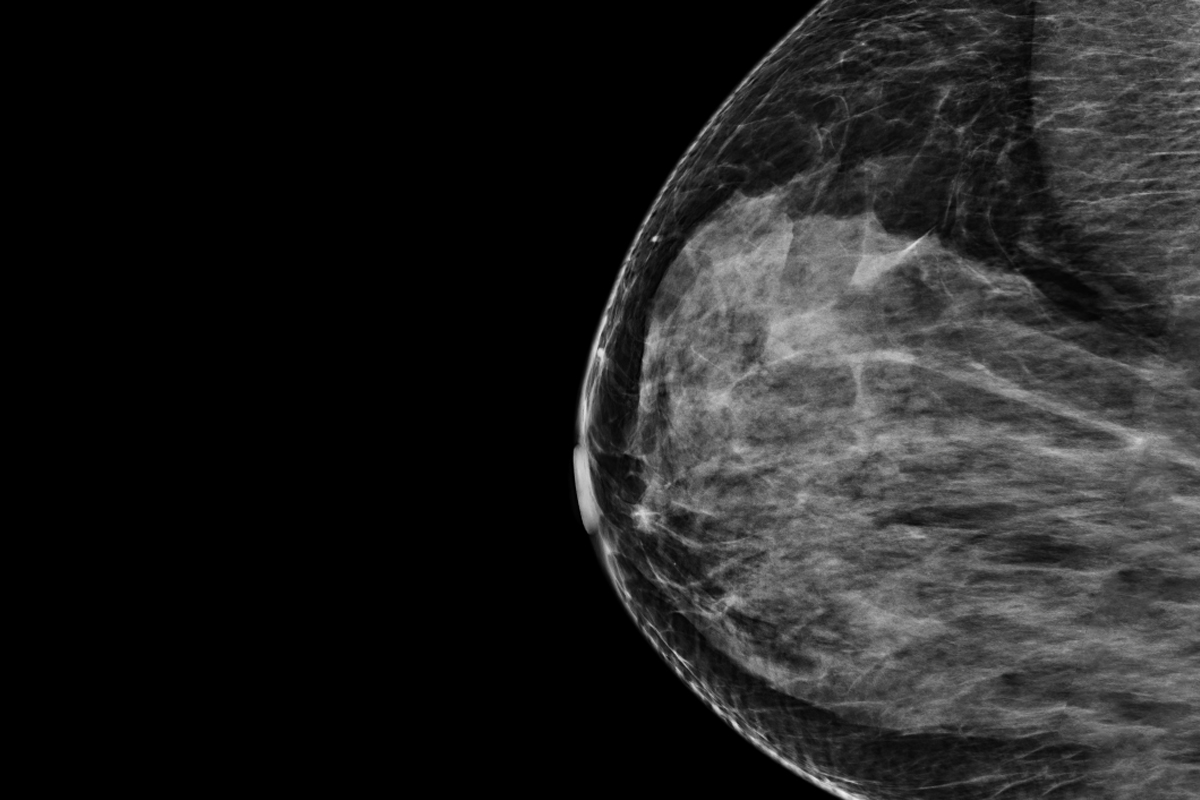
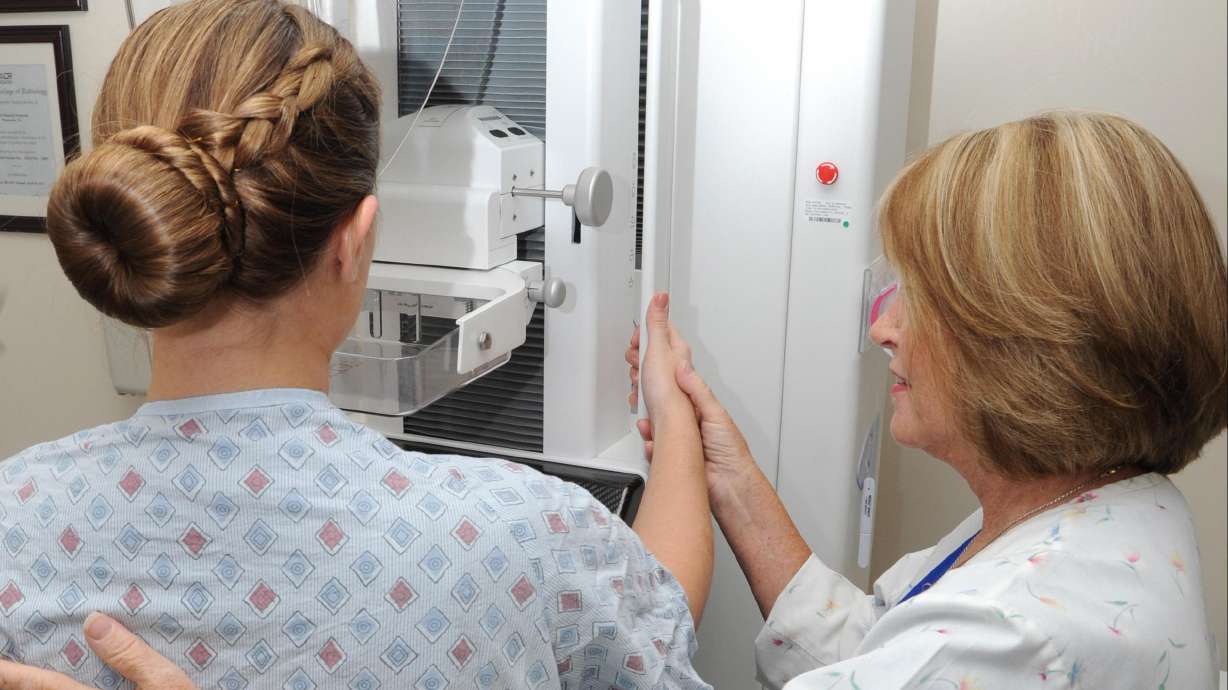
New research suggests that routine mammograms, used to check for breast cancer, may also help predict a woman's risk for major cardiovascular problems, such as heart attacks and strokes. The presence of breast artery calcification, detected through mammograms, was found to be a better predictor of cardiovascular events than the currently used risk tool. This discovery provides an opportunity for prevention and addressing the gender gap in cardiovascular mortality rates. Further research is needed to confirm these findings and establish guidelines for reporting breast artery calcification to women and their healthcare professionals.

health2 years ago

AI-powered Stethoscopes Predict and Prevent Sudden Cardiac Death

Artificial intelligence (AI) has shown promise in predicting and preventing sudden cardiac death, according to a study. By analyzing electronic health records and medical information of over 25,000 individuals who died from sudden cardiac arrest and 70,000 from the general population, researchers developed personalized risk equations to identify those at high risk. The AI analysis successfully identified individuals with over 90% risk of sudden cardiac death, representing a significant portion of cases. The findings highlight the potential of AI in improving prevention strategies and global health by enabling personalized risk assessment and targeted interventions.

health2 years ago

"Revolutionizing Heart Health: Redefining Risk, Prevention, and Management"

The American Heart Association has released a presidential advisory that redefines cardiovascular disease (CVD) risk, prevention, and management. The advisory introduces the concept of cardiovascular-kidney-metabolic (CKM) syndrome, which encompasses the overlap between CVD, kidney disease, Type 2 diabetes, and obesity. The advisory suggests different stages of CKM syndrome, ranging from no risk factors to the highest-risk stage with established cardiovascular disease. It emphasizes the importance of screening for social factors that impact health and promoting collaborative care approaches among multiple specialties. The advisory also recommends updating the risk calculator to predict a person's likelihood of heart attack, stroke, and heart failure in both 10 and 30 years.

health2 years ago

The Pros and Cons of Alzheimer's Risk Blood Tests

A new blood test developed by Quest Diagnostics can measure blood levels of a protein called amyloid beta, which is linked to Alzheimer's disease. The $399 test, available for purchase online, provides a ratio of amyloid beta forms and can indicate an increased or decreased risk of developing Alzheimer's. However, experts question the usefulness of the test, especially for cognitively healthy individuals, as there is currently no treatment available for Alzheimer's. While the test may encourage proactive healthcare, such as lifestyle changes, it may also lead to unnecessary anxiety and medical visits. Additionally, the test does not provide a definitive diagnosis and further testing is required.

healthtech2 years ago

AI improves breast cancer risk predictions.

A new study published in Radiology found that AI algorithms outperformed the standard clinical risk model for predicting the five-year risk for breast cancer. The study analyzed thousands of mammograms and generated risk scores for breast cancer over a five-year period using five AI algorithms. All five algorithms performed better than the Breast Cancer Surveillance Consortium (BCSC) clinical risk score for predicting breast cancer risk at 0 to 5 years. The findings suggest AI can be a vital tool in helping with a patient's future risk score, which takes seconds for AI to generate.

health2 years ago

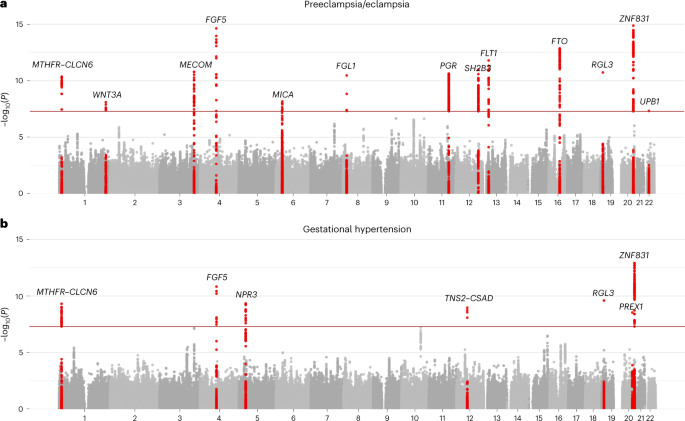
Predicting Preeclampsia and Gestational Hypertension with Polygenic Analysis.

Researchers have developed polygenic scores that can predict a woman's risk of developing preeclampsia and gestational hypertension during pregnancy. The scores were based on genetic data from over 750,000 individuals and were found to be more accurate than traditional risk factors such as age, BMI, and blood pressure. The scores could help identify women at high risk of these conditions and enable earlier interventions to prevent complications. The data is publicly available for download.