A study found that a 30-day recall period provides comparable data to a 60-day period for assessing young adults' alcohol use, suggesting it as a sufficient and less burdensome timeframe for research on youth drinking behaviors.
A study by the University of Michigan found that about 22% of young American adults use cannabis and/or alcohol to help with sleep, with concerns about dependency and health risks associated with overreliance on these substances.,
The American College of Obstetricians and Gynecologists recommends that pregnant and lactating individuals abstain from cannabis use due to potential risks, and advises healthcare providers to implement universal, nonjudgmental screening methods to support healthier pregnancies, emphasizing the importance of communication and individualized care.
A 31-year-old man in the Czech Republic experienced a psychotic episode after using cannabis and kratom, leading to extreme self-mutilation including amputation of his ears and penis. The case highlights potential risks of psychoactive substances, especially when combined, and underscores the importance of psychiatric treatment and abstinence for recovery.
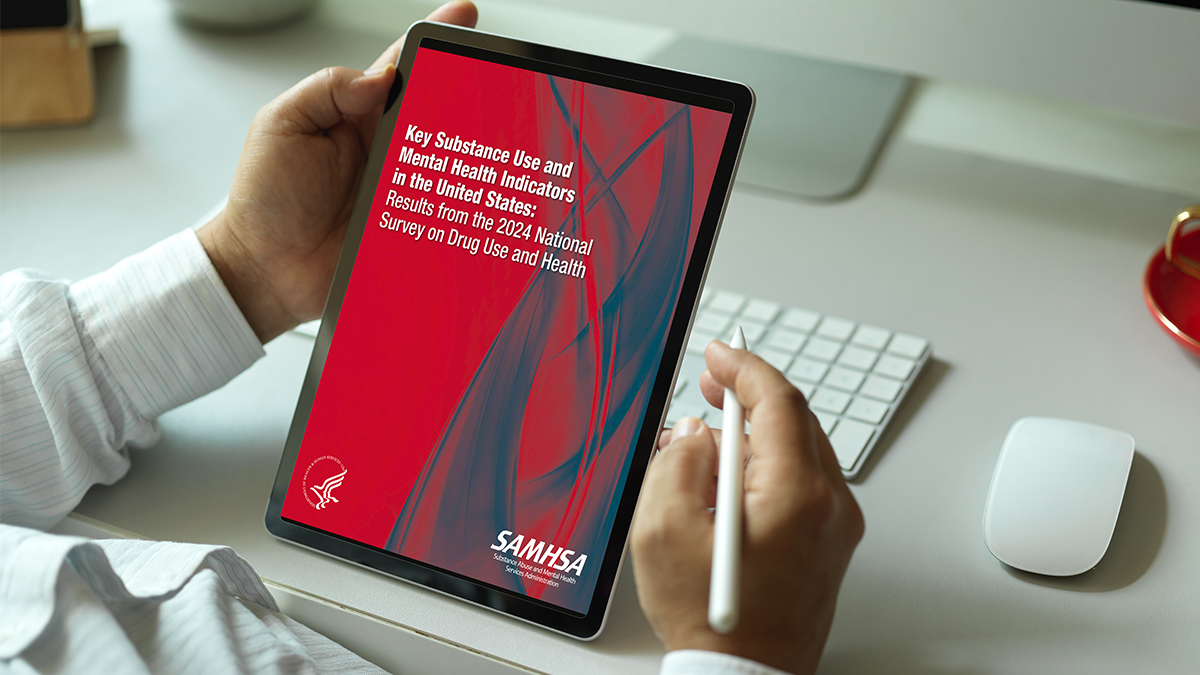
The 2024 National Survey on Drug Use and Health (NSDUH) reports stable mental health conditions among adults, declining suicide rates among adolescents, increased marijuana and hallucinogen use, and a rise in drug use disorder, highlighting ongoing challenges and progress in U.S. behavioral health. The survey also emphasizes treatment gaps and recovery perceptions.
Research from the University of Georgia shows that adverse childhood experiences, especially in unsafe environments and among Black communities, can lead to long-term health issues, including increased substance use, heart problems, and accelerated aging, highlighting the importance of early intervention and community support.
New research highlights that lifestyle factors such as marijuana use, alcohol, smoking, being overweight, and high stress levels can negatively impact male fertility, which accounts for about one-third of infertility cases. Experts recommend healthy eating, exercise, stress management, and reducing substance use to improve reproductive health, and advise consulting a doctor for personalized guidance.
A study from Ontario, Canada, reveals that individuals with hallucinogen-related emergency department visits have a 21-fold increased risk of developing schizophrenia compared to the general population, even after adjusting for other mental health disorders and substance use. The study, published in JAMA Psychiatry, highlights an 86% rise in such ED visits from 2013 to 2021, reflecting the growing popularity of psychedelics. While the findings do not establish causation, they emphasize the potential risks of hallucinogen use, particularly for those predisposed to psychosis, and call for cautious use outside controlled therapeutic settings.
A study published in Neuropsychopharmacology reveals that genetic variants may influence coffee consumption, linking certain DNA markers to higher coffee intake and increased risks of obesity and substance abuse. The research, which analyzed data from the UK Biobank and 23andMe, also found differing associations between coffee consumption and psychiatric conditions in U.S. and U.K. populations, suggesting cultural influences on genetic behaviors.
The Biden administration is shifting federal addiction treatment policies to acknowledge that while total abstinence is ideal, reducing drug use can also significantly lower risks and improve outcomes. This approach aligns with harm reduction strategies and aims to support patients who may not achieve complete abstinence but can still benefit from reduced use. Key federal agencies, including NIDA, SAMHSA, and the FDA, are updating guidelines and regulations to reflect this more flexible and pragmatic stance on addiction treatment.
A study involving 9 and 10-year-olds found that daily consumption of caffeinated soda drinks is linked to a higher likelihood of beginning alcohol sipping within the next 12 months, with these children also displaying more impulsivity and poorer working memory. The study, published in Substance Use & Misuse, analyzed data from over 11,000 children and highlighted the associations between caffeinated soda intake and risk factors for substance use disorders. While the study sheds light on these links, it does not establish causation, emphasizing the need for evidence-based recommendations regarding caffeinated soda consumption in minors.
According to the National Institute on Drug Abuse, the rate of drug use among teenagers in the U.S. is at its lowest in decades, with significant declines in alcohol, tobacco, and illicit drug use. However, teen overdose deaths, particularly those involving fentanyl, have sharply risen, presenting a sobering caveat to the overall positive trend.
The resurgence of psychedelics has led to a growing interest in microdosing, with individuals seeking cognitive and psychological benefits. While scientific evidence on microdosing is still emerging, anecdotal reports suggest positive effects. However, the practice raises concerns about potential health risks and legal implications. A sensible microdosing program involves a thorough physical and mental health assessment, careful substance selection, determining appropriate dosage, and legal procurement. Despite the growing popularity of microdosing, its effects and risks remain a subject of ongoing research and debate.
A study found that a significant number of US 12th-graders, particularly in states without legal weed options, reported using delta-8 THC, a cannabis compound marketed as a legal alternative to weed. The study raises concerns about the accessibility and potential public health impact of delta-8, especially among teens, as it is easily available in various forms and lacks age restrictions in most states. Researchers also noted that delta-8 use was higher in the South and Midwest, with white teens being the most likely users. Public health officials and scientists have expressed worries about the unregulated proliferation of delta-8 and its potential negative effects on adolescent brain development, calling for more education and regulation.
A study funded by the National Institutes of Health found that approximately 11% of 12th-grade students in the US reported past-year use of delta-8-tetrahydrocannabinol (delta-8-THC), with higher usage in states without existing delta-8 regulations or cannabis legalization. The psychoactive substance, derived from hemp, is increasingly accessible to teens, with close to 91% of delta-8 users also reporting marijuana use. The study highlights the need for continued surveillance and public health efforts to inform and protect youth and parents, as well as the importance of educating young people about potential risks associated with cannabis products.